
 How effective is methotrexate?

- Methotrexate (MTX) is a drug that suppresses cell proliferation by inhibiting folate metabolism.It is used in the treatment of malignant tumors and autoimmune diseases.
- Type A mutation in DNA region rs1805087Study finds that methotrexate tends to be more effective in people with
- The related genes areMTR (methionine synthase)The prevalence of type AA among Japanese people is 66.7%, which is almost the same as the world average of 65.3%.
Overview Methotrexate is an anticancer agent and a drug that suppresses the immune system and is widely used to treat malignant tumors (such as leukemia, lymphoma, and breast cancer) and autoimmune diseases such as rheumatoid arthritis and psoriasis. This drug inhibits the metabolism of folic acid, thereby interfering with cellular DNA synthesis and suppressing cell proliferation. Therefore, it is particularly effective against rapidly proliferating cancer cells. However, because it also affects normal cells, side effects include decreased bone marrow function, stomatitis, gastrointestinal disorders, and hepatotoxicity. It also has an immunosuppressive effect, reducing the number of white blood cells needed to fight pathogens, increasing the risk of various infections. The severity of these side effects varies widely depending on the individual condition, including the dose of methotrexate and the duration of treatment. Methotrexate has a wide range of therapeutic uses and is a beneficial drug for many patients, but it is important to minimize side effects through regular medical visits. A study by Lima et al. from CESPU revealed that the effects of methotrexate are associated with a DNA region called rs1805087. There are three genotypes in this DNA region: AA, AG, and GG, and it was found that people with the A genotype tend to be more effective at methotrexate.
What is methotrexate
Methotrexate (MTX) is a drug that inhibits the metabolism of folic acid, inhibits DNA synthesis in cells, and suppresses cell proliferation.As an anticancer agent and immunosuppressant, it is widely used to treat malignant tumors (leukemia, lymphoma, breast cancer) and autoimmune diseases such as rheumatoid arthritis and psoriasis (1).
Mechanism of action of methotrexate
Methotrexate exerts its therapeutic effect through the following mechanism.
- Folate metabolism inhibition:Inhibits dihydrofolate reductase and prevents activation of folic acid necessary for DNA synthesis
- Cell growth inhibition:Blocks DNA synthesis in rapidly proliferating cancer cells
- Immunosuppressive effect:Suppresses the proliferation of abnormally activated immune cells and reduces autoimmune reactions
Main indications for methotrexate
Methotrexate has been shown to be effective in treating the following diseases:
- Malignant tumor:Leukemia, lymphoma, breast cancer, osteosarcoma
- Autoimmune diseases:Rheumatoid arthritis, psoriasis, systemic lupus erythematosus
- Others:Ectopic pregnancy, inflammatory bowel disease
Methotrexate side effects and precautions
Methotrexate also affects normal cells, so care must be taken to avoid side effects.
| Types of side effects | symptoms | Factors influencing severity |
|---|---|---|
| Bone marrow function decline | Decrease in white blood cells, red blood cells, and platelets | Dose/treatment period |
| stomatitis | Oral mucosal inflammation/ulcer | With or without folic acid supplementation |
| gastrointestinal disorders | Vomiting, diarrhea, loss of appetite | Administration route/dose |
| hepatotoxicity | Liver dysfunction/hepatic fibrosis | Cumulative dosage/drinking history |
| infectious disease risk | Infectious diseases due to immunosuppression | Genetic background/concomitant medications |
It is important to detect and minimize side effects early through regular medical visits and blood tests.
The relationship between genes and the effects of methotrexate
Relationship between DNA region rs1805087 and methotrexate efficacy
A study by Lima et al. from CESPU (1) revealed that the DNA region rs1805087 is associated with the efficacy of methotrexate.
- There are three genotypes of rs1805087: AA, AG, and GG.
- Genotype with type A mutationpeople tend to respond better to methotrexate
- The related genes areMTR(5-methyltetrahydrofolate-homocysteine methyltransferase)
Genotype distribution in Japanese (rs1805087)
The Japanese and global genotype distributions are almost the same.
| Genotype | Percentage of Japanese people | percentage of the world | difference |
|---|---|---|---|
| AA type | 66.7% | 65.3% | +1.4 points |
| AG type | 29.8% | 31.0% | −1.2 points |
| GG type | 3.3% | 3.6% | −0.3 points |
Rationale for testing
Surface DNA region: How effective is methotrexate?
The gene region that most strongly influences the efficacy of methotrexate is rs1805087. The distribution of isomorphic genotypes in Japan is as follows.
- AA
66.7 % - AG
29.8 % - GG
3.3 %
Basis for inspection
A study by Lima et al. (1) from CESPU revealed that the effects of methotrexate are related to genes.There is a region called rs1805087 in the human genome, and there are two types of mutations, A and G, in the gene in this region. It was found that people with the type A mutation tended to respond better to methotrexate.
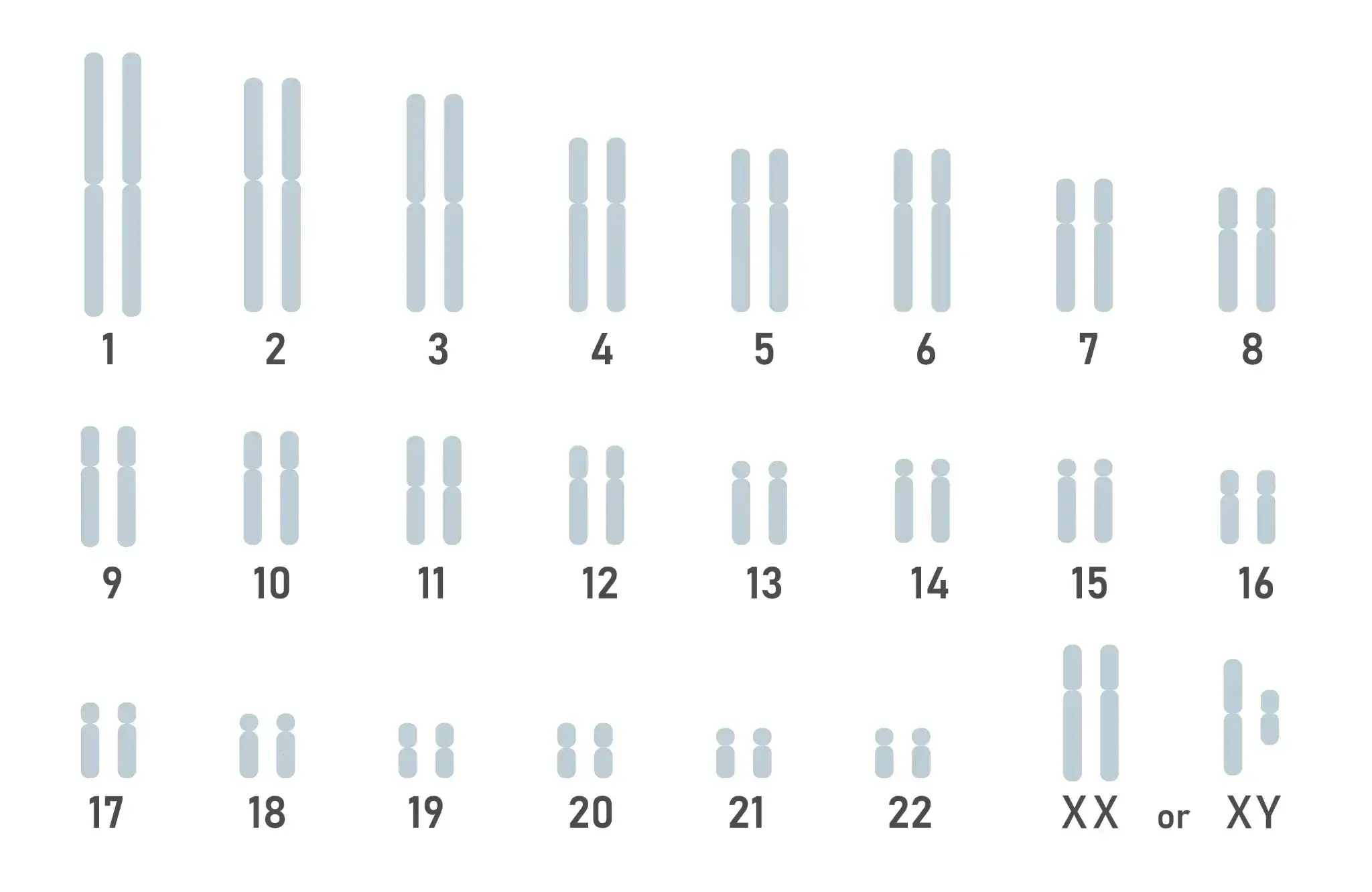
The DNA region investigated this time
Schematic diagram of DNA map present in cells
- ■
- ■
- ■
- ■
- ■
- ■
- ■
- ■
- ■
Related genes
| Related genes | MTR |
|---|
Frequently asked questions (FAQ)
Q1. What is methotrexate?
Methotrexate (MTX) is a drug that suppresses cellular DNA synthesis by inhibiting folic acid metabolism.It is widely used to treat malignant tumors (leukemia, lymphoma, breast cancer) and autoimmune diseases such as rheumatoid arthritis and psoriasis (1).
Q2. What genes are associated with the effects of methotrexate?
According to research by Lima et al. of CESPU,DNA region rs1805087 is associated with the efficacy of methotrexateIt turns out that it is. People with the type A mutation tend to respond better to methotrexate, and the associated gene is MTR (1).
Q3. What are the main side effects of methotrexate?
The main side effects areDecreased bone marrow function, stomatitis, gastrointestinal disorders, hepatotoxicityIt is. Immunosuppressive effects reduce white blood cells and increase the risk of infection. The severity of side effects varies depending on the dose, duration of treatment, and individual genetic background.
Q4. Can the effects of methotrexate be determined through genetic testing?
By examining the genotype of the DNA region rs1805087,Understand the effectiveness trends of methotrexateYou can. Studies have shown that people with blood type AA (66.7% of the Japanese population) tend to respond better to methotrexate (1).
Q5. What are the characteristics of the genotypes associated with methotrexate effects in Japanese people?
The Japanese rs1805087 genotype distribution isAA type 66.7%, AG type 29.8%, GG type 3.3%It is. This is almost the same as the world average (AA type 65.3%, AG type 31.0%, GG type 3.6%), and there is no major difference in the genotype distribution between Japanese and the world (1).
References
- Reference link 1: 2016 Oct., Aurea Lima, Pharmacogenomics