
 Lymphocytic leukemia (acute lymphoblastic leukemia)

- Acute lymphoblastic leukemia (ALL) is a blood cancer in which immature lymphoblasts proliferate abnormally.is the most common childhood cancer
- C-type mutation in DNA region rs61965473Research shows that people with the disease tend to be at higher risk of developing
- especiallyFor children, the remission rate is approximately 85-90% with appropriate treatmentHigh treatment results have been reported.
Overview Acute lymphoblastic leukemia (ALL) is a type of cancer of the blood and bone marrow. It is caused by an overproduction of immature white blood cells, lymphoblasts or leukemic blasts, which upset the body's immune system. In patients with ALL, these immature cells multiply rapidly and compress the bone marrow, preventing the production of healthy blood cells (red blood cells, white blood cells, and platelets). Symptoms of bone marrow failure include fatigue, pale skin, shortness of breath, decreased immunity to infections (due to a lack of mature white blood cells), and heavy bleeding due to a lack of platelets. Additionally, if there are too many leukemia cells in the body, tests may reveal pain in the bones and joints, and swelling in the lymph nodes, liver, and spleen. You may also feel feverish and generally unwell even if you don't have an infection. Diagnosis requires blood tests to check for the presence of immature cells and blast cells, and bone marrow tests to check for the presence of leukemic cells. Although ALL may progress rapidly, it often goes into remission (symptoms disappear) with appropriate treatment, especially in children. Research by Rashkin et al. at the University of California, San Francisco has revealed that the risk of developing lymphocytic leukemia (acute lymphoblastic leukemia) is associated with the DNA region rs61965473. This DNA region has three genotypes: CC, CT, and TT. It was found that people with the C genotype tend to have a higher risk of lymphocytic leukemia (acute lymphoblastic leukemia).
What is acute lymphoblastic leukemia (ALL)?
Acute lymphocytic leukemia (ALL) is a blood cancer in which immature lymphoblasts (leukemic blasts) in the bone marrow proliferate abnormally.Normal blood cell production is disrupted, causing serious problems with immune function, oxygen transport, and hemostasis.
Mechanism of onset of ALL
In ALL, the disease progresses through the following processes.
- Abnormal proliferation of immature lymphoblasts:Uncontrolled proliferation of lymphoblasts within the bone marrow
- Bone marrow compression:Abnormal cells occupy the bone marrow and disrupt normal hematopoietic function
- Decreased production of normal blood cells:Significant decrease in production of red blood cells, mature white blood cells, and platelets
Main symptoms of acute lymphoblastic leukemia
Symptoms of ALL areBone marrow failure and leukemic cell infiltrationDue to.
- Anemia symptoms:Fatigue, pale skin, shortness of breath (lack of red blood cells)
- Frequent infections:Fever, decreased resistance to infection (lack of mature white blood cells)
- Bleeding tendency:Easy bruising and heavy bleeding (lack of platelets)
- Bone/joint pain:Due to leukemic cell infiltration into the bone marrow
- Swollen lymph nodes, liver, and spleen:Due to organ infiltration of leukemic cells
- Fever of unknown cause:Fever can be seen even if there is no infection
How to diagnose ALL
It is diagnosed by the following tests.
- Blood test (confirmation of presence of immature cells/blasts)
- Bone marrow examination (to confirm the presence of leukemia cells)
- Flow cytometry (cell surface marker analysis)
- Genetic testing (identification of chromosomal abnormalities and genetic mutations)
ALL treatment and prognosis
ALL isprogress rapidlyAlthough it is cancer, remission can be expected with appropriate treatment.
| Comparison items | Pediatric ALL | Adult ALL |
|---|---|---|
| remission rate | Approximately 85-90% | Approximately 60-80% |
| 5 year survival rate | Approximately 90% or more | Approximately 30-40% |
| Main treatment methods | Multidrug chemotherapy | Chemotherapy + hematopoietic stem cell transplantation |
| Treatment period | Approximately 2-3 years | Approximately 1-3 years |
Relationship between genes and ALL
Relationship between DNA region rs61965473 and risk of developing disease
A study by Rashkin et al. at the University of California, San Francisco found that the DNA region rs61965473 is associated with the risk of developing lymphocytic leukemia (acute lymphoblastic leukemia).
- There are three genotypes of rs61965473: CC, CT, and TT.
- Genotype with type C mutationpeople tend to be at higher risk of ALL
Genotype distribution in Japanese (rs61965473)
| Genotype | Percentage of Japanese people | percentage of the world |
|---|---|---|
| CC type | 99.9% | 96.4% |
| CT type | 0.1%以下 | 3.5% |
| TT type | 0.1%以下 | 0.1%以下 |
Rationale for testing
Surface DNA region: lymphocytic leukemia (acute lymphoblastic leukemia)
The gene region that most strongly affects lymphocytic leukemia (acute lymphoblastic leukemia) is rs61965473. The distribution of isomorphic genotypes in Japan is as follows.
- CC
99.9 % - CT
0.1%以下 - TT
0.1%以下
Another gene region involved in lymphocytic leukemia (acute lymphoblastic leukemia) is rs9976326. The distribution of isomorphic genotypes in Japan is as follows
- AA
79.1 % - AT
19.6 % - TT
1.2 %
Basis for inspection
Research by Rashkin et al. at the University of California, San Francisco has revealed that the risk of developing lymphocytic leukemia (acute lymphoblastic leukemia) is associated with genes. There is a region called rs61965473 in the human genome, and the gene in that region has two types of mutations: C and T. It was found that people with type C mutations tend to have a higher risk of lymphocytic leukemia (acute lymphoblastic leukemia).
The DNA region investigated this time
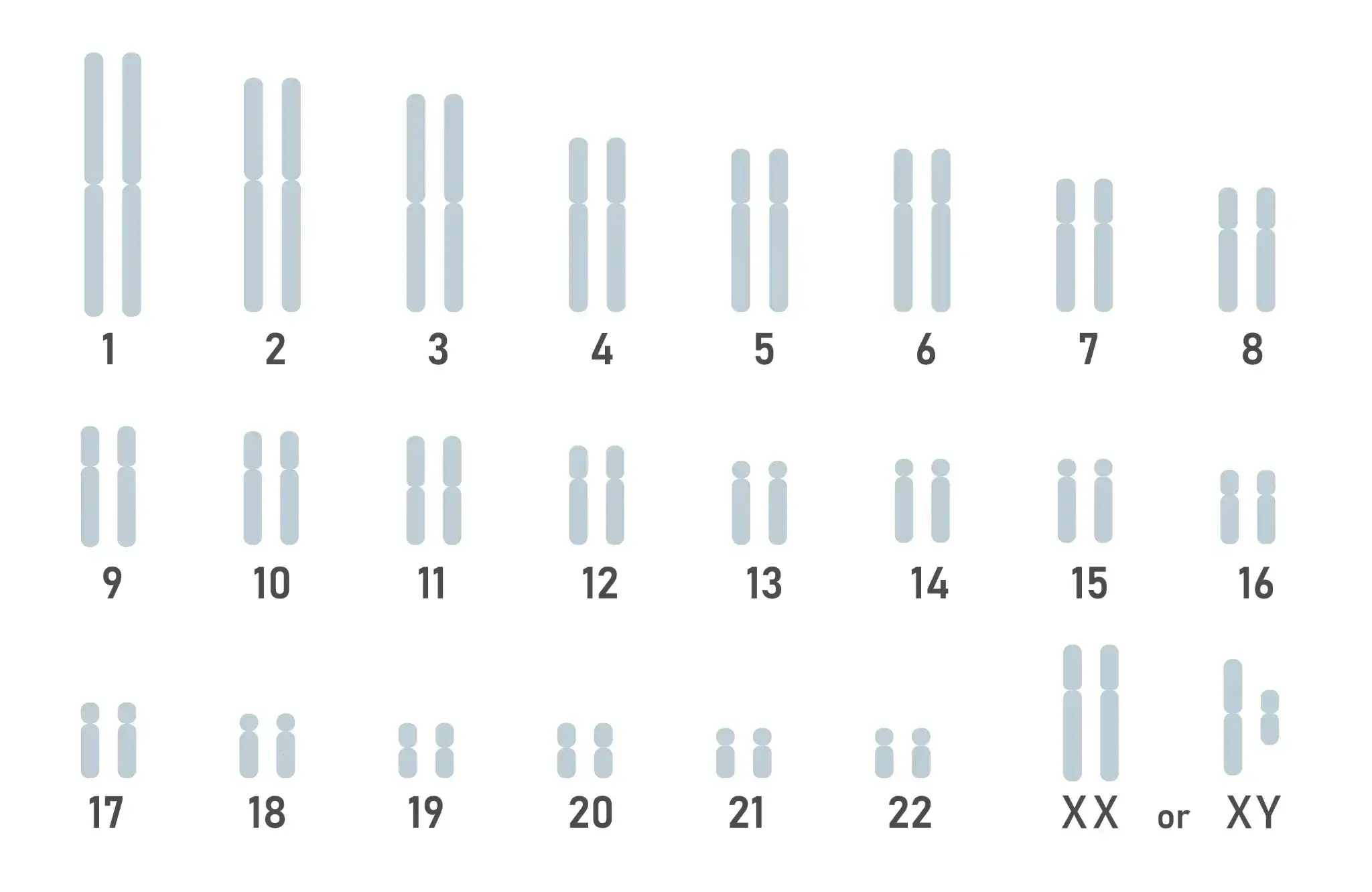
Schematic diagram of DNA map present in cells
- ■
- ■
- ■
- ■
- ■
- ■
- ■
- ■
- ■
Related genes
| Related genes | SOX21-AS1 |
|---|---|
| Related genes | ERG |
Frequently asked questions (FAQ)
Q1. What is acute lymphoblastic leukemia (ALL)?
Acute lymphoblastic leukemia (ALL) is a blood cancer in which immature lymphoblasts in the bone marrow proliferate abnormally.Normal blood cell production is disrupted, leading to symptoms such as anemia, infection, and a tendency to bleed. It is the most common childhood cancer.
Q2. What is the cause of acute lymphoblastic leukemia?
Although the exact cause of ALL is not completely understood,genetic factorsis involved. DNA region rs61965473Type C mutationStudies have shown that people with ADHD tend to be at higher risk.
Q3. What are the symptoms of acute lymphoblastic leukemia?
The main symptoms areFeeling of fatigue/pale skin(anemia),Frequent infections(decreased white blood cell function),Easy to bleed(low blood platelets), bone and joint pain, swelling of the lymph nodes, liver, and spleen, and fever of unknown cause.
Q4. Can genetic testing determine the risk of acute lymphoblastic leukemia?
By examining the genotype of DNA regions rs61965473 and rs9976326,Understanding trends in the risk of developing ALLYou can. Studies have shown that people with the rs61965473 C mutation tend to be at higher risk.
References
- Reference link 1: 2020 Sep., Sara R Rashkin, Nat Commun
- Reference link 2: 2019 Nov., Jayaram Vijayakrishnan, Nat Commun