
 Prone to lower body obesity
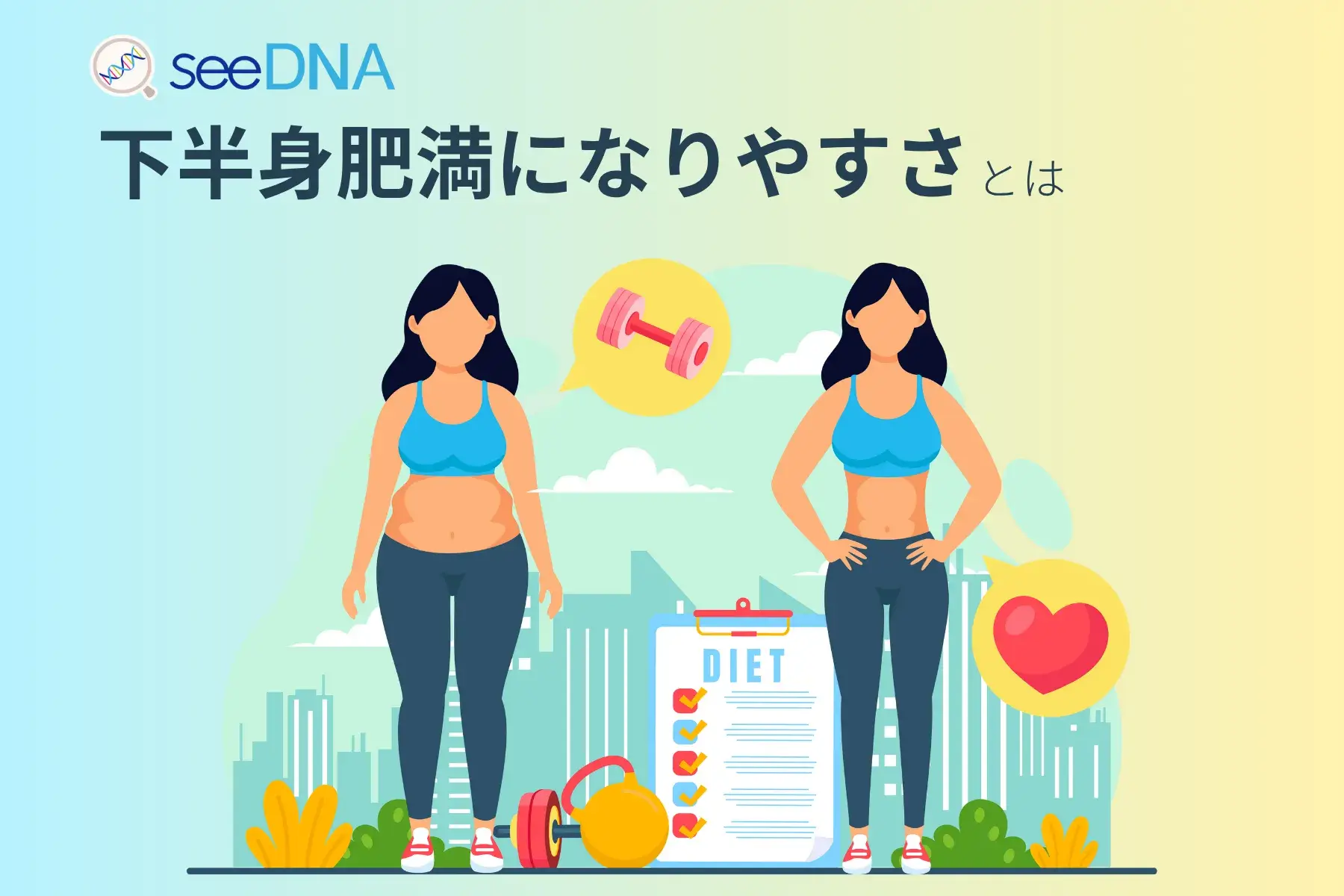
- Lower body obesity is a type of obesity in which fat is concentrated in the buttocks, thighs, and calves.Estrogen is more involved in women
- C-type mutation in DNA region rs16942341Research shows that people with 20% of the body tend to have a higher risk of lower body obesity.
- appropriateAerobic exercise/strength training/meal managementcan be improved by
Overview Lower body obesity is a type of obesity in which body fat is concentrated and accumulated mainly in the lower body. Specifically, it refers to a condition in which a lot of fat accumulates in the buttocks, thighs, and calves. Lower body obesity is generally more common in women, and because the female hormone estrogen promotes fat accumulation, lower body obesity is more likely to progress during periods when the hormonal balance changes, such as during adolescence, pregnancy, and postmenopause. Genetic factors and lifestyle habits also play a role in lower body obesity. For example, a lifestyle that involves sitting for long periods of time such as desk work, lack of exercise, and poor eating habits can promote fat accumulation. Also, some people are genetically predisposed to accumulate fat in their lower body. Lower body obesity not only changes your appearance, but can also affect your health. If you have a lot of fat in your lower body, blood flow and lymphatic flow will be poor, making you more susceptible to swelling and sensitivity to cold. Additionally, long-term obesity can put stress on your joints and cause knee and lower back pain. A balanced diet and moderate exercise are important for improving lower body obesity. In particular, aerobic exercise and strength training are effective in burning fat and toning muscles. It is also effective to improve blood and lymph flow through lymphatic massage and stretching. In terms of diet, it is important to limit fat and sugar content and consume a well-balanced intake of vegetables and protein. A study by Shungin et al. from Umeå University revealed that the risk of lower body obesity is associated with a DNA region called rs16942341. There are three genotypes in this DNA region: CC, CT, and TT, and it was found that people with the C genotype tend to have a higher risk of lower body obesity.
What is lower body obesity?
Lower body obesity is a type of obesity in which body fat is concentrated and accumulated in the lower body, such as the buttocks, thighs, and calves.Also known as "pear-shaped obesity," it is more common in women.
Causes and mechanisms of lower body obesity
The following three factors are involved in the development of lower body obesity.
- Hormonal factors:Estrogen (female hormone) promotes fat accumulation in the lower body. Risk increases after puberty, pregnancy, and menopause
- Genetic factors:People with type C mutation in the DNA region rs16942341 tend to have a higher risk of lower body obesity
- Lifestyle factors:Prolonged sitting, lack of exercise, and high-fat/high-carbohydrate diets promote fat accumulation.
Impact of lower body obesity on health
Obesity in the lower body not only changes appearance, but also carries the following health risks.
- Blood flow/lymph stagnation:May cause swelling and sensitivity to cold
- Burden on joints:Causes knee and lower back pain
- Cellulite formation:Degeneration of adipose tissue causes uneven skin
Difference between lower body obesity and upper body obesity
| Comparison items | Lower body obesity (pear-shaped) | Upper body obesity (apple-shaped) |
|---|---|---|
| Areas of fat accumulation | Buttocks, thighs, calves | Abdomen/visceral area |
| Prevalence gender | common in women | common in men |
| Main cause | Estrogen + genetics + lifestyle habits | Accumulation of visceral fat + dietary habits |
| health risks | Swelling, sensitivity to cold, joint strain | Diabetes/Cardiovascular disease/High blood pressure |
| Difficulty of improvement | Difficult to remove due to subcutaneous fat | Visceral fat can be easily reduced through exercise |
How to improve lower body obesity
The following methods are effective for improving lower body obesity.
- Aerobic exercise:Burn fat by walking, swimming and cycling
- Strength training:Strengthen your lower body muscles with squats, lunges, and hip thrusts
- Lymph massage:Improves blood and lymph flow and reduces swelling
- Meal management:Avoid fat and sugar, and eat a well-balanced intake of vegetables and protein.
- Stretch:Increases flexibility and promotes blood circulation
Relationship between genes and lower body obesity
Relationship between DNA region rs16942341 and risk of onset
A study by Shungin et al. (1) from Umeå University revealed that the DNA region rs16942341 is associated with the risk of lower body obesity.
- There are three genotypes of rs16942341: CC, CT, and TT.
- Genotype with type C mutationpeople tend to have a higher risk of lower body obesity
Genotype distribution in Japanese (rs16942341)
| Genotype | Percentage of Japanese people | percentage of the world |
|---|---|---|
| CC type | 99.9% | 93.1% |
| CT type | 0.1%以下 | 6.7% |
| TT type | 0.1%以下 | 0.1% |
Rationale for testing
Body surface DNA region: susceptibility to lower body obesity
The gene region that most strongly influences the susceptibility to lower body obesity is rs16942341. The distribution of isomorphic genotypes in Japan is as follows.
- CC
99.9 % - CT
0.1%以下 - TT
0.1%以下
Basis for inspection
A study by Shungin et al. from Umeå University revealed that the risk of lower body obesity is linked to genes. There is a region called rs16942341 in the human genome, and the gene in that region has two types of mutations, C and T. It was found that people with type C mutations tend to have a higher risk of lower body obesity.
The DNA region investigated this time
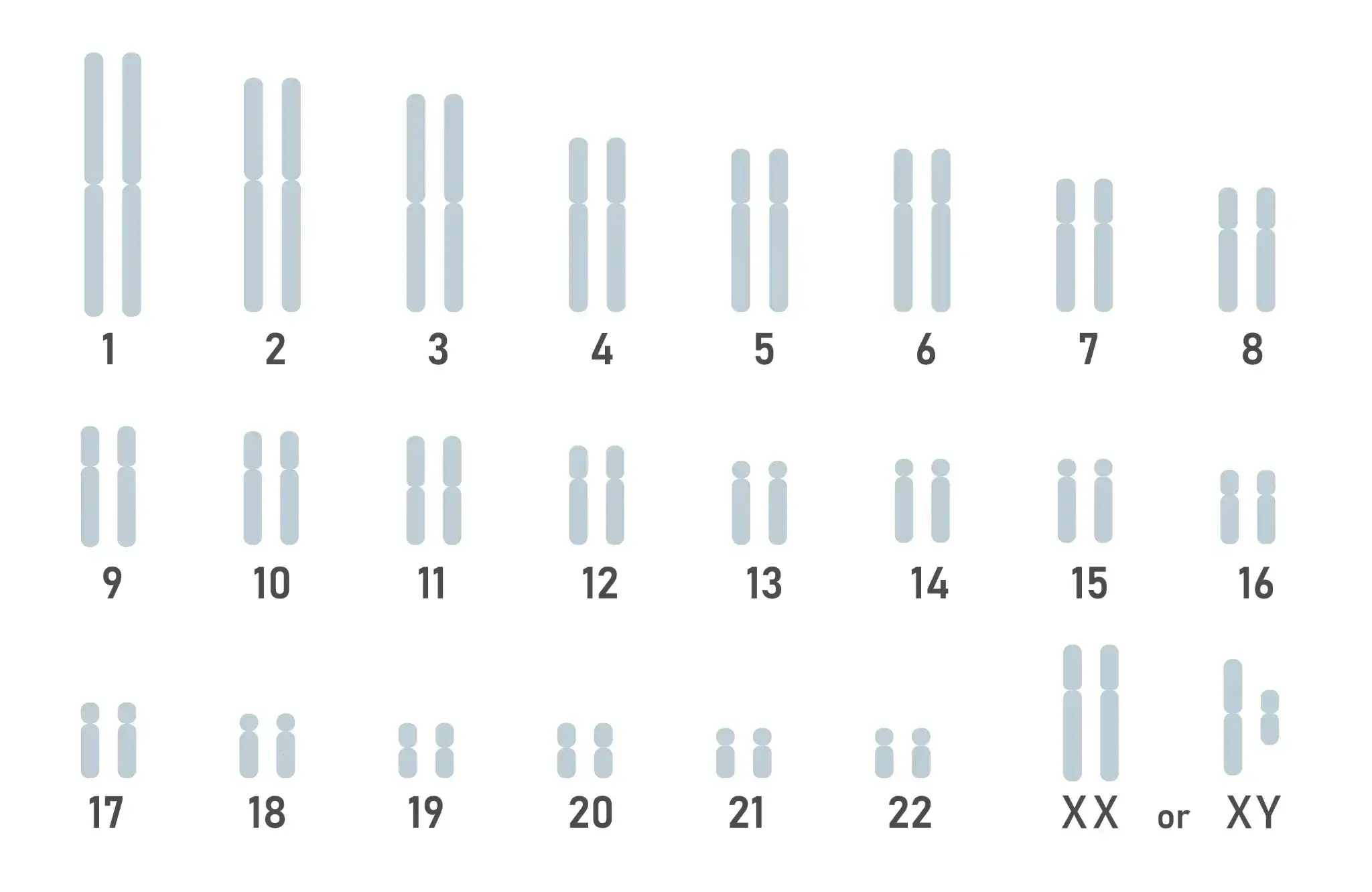
Schematic diagram of DNA map present in cells
- ■
- ■
- ■
- ■
- ■
- ■
- ■
- ■
- ■
Related genes
| Related genes | ACAN |
|---|
Frequently asked questions (FAQ)
Q1. What is lower body obesity?
Lower body obesity is a type of obesity in which body fat is concentrated and accumulated in the lower body, such as the buttocks, thighs, and calves.Also known as "pear-shaped obesity," it is more common in women. Estrogen (female hormone) promotes fat accumulation, so the risk increases during puberty, pregnancy, and after menopause.
Q2. What is the cause of lower body obesity?
The main cause isHormone balance (estrogen), genetic factors, lifestyle habitsThere are three. Long hours of desk work, lack of exercise, and high-fat/high-carbohydrate diets promote fat accumulation. Carriers of type C mutation in the DNA region rs16942341 tend to be at higher risk (1).
Q3. What is the difference between lower body obesity and upper body obesity?
Lower body obesityPear shape, where fat accumulates in the buttocks and thighsupper body obesity is more common in womenApple-shaped, where fat accumulates in the abdomenIt tends to be more common in men. Obesity in the upper body increases the risk of diabetes and cardiovascular disease, while obesity in the lower body increases the risk of swelling and sensitivity to cold.
Q4. Can genetic testing determine the risk of lower body obesity?
By examining the genotype of the DNA region rs16942341,Understanding risk trends for developing lower body obesityYou can. A study by Shungin et al. at Umeå University found that people with the genotype C mutation are at increased risk (1).
Q5. How can I improve lower body obesity?
Aerobic exercise (walking, swimming) and strength training (squats, lunges)A combination of these is effective. It is important to promote blood flow through lymphatic massage and stretching, and to consume well-balanced nutrition with a diet that is low in fat and sugar.
References
- Reference link 1: 2015 Feb., Dmitry Shungin, Nature