
 Good liver function (albumin)

- Albumin is a major protein in the blood produced by the liver.The standard value of 4.1 to 5.1 g/dL is an important indicator of the health of liver function.
- T-type mutation in DNA region rs4806080A Stanford University study found that people with this condition tend to have higher albumin levels.
- High-quality protein intake, moderate exercise,Reducing burden on the liverIt is possible to maintain and improve albumin levels by
Overview Albumin is an important protein made in the liver that serves several important roles. It helps maintain colloid osmotic pressure in the body, regulates blood volume and flow, and transports substances such as hormones and vitamins into the blood. When the liver is healthy, albumin levels are usually between 4.1 and 5.1 g/dL, indicating that the liver is producing enough protein. Maintaining albumin balance is extremely important, and albumin levels are an important indicator of liver health and metabolic function. Low albumin levels (hypoalbuminemia) can lead to fluid imbalances and problems such as edema and ascites. Although albumin levels are rarely abnormally high, they usually do not indicate a problem. Understanding this indicator is of great importance not only in assessing the current liver status, but also in diagnosing liver diseases and assessing treatment response. It provides essential information for medical professionals when assessing liver function and health. A study by Sinnott-Armstrong et al. at Stanford University revealed that albumin levels, an indicator of liver function, are associated with a DNA region called rs4806080. There are three genotypes in this DNA region: CC, CT, and TT, and it was found that people with the T genotype tend to have higher albumin levels.
What is albumin?
Albumin is the main protein in the blood produced by the liver.It plays an important role in maintaining colloid osmotic pressure in the body, regulating blood volume and flow, and transporting substances such as hormones and vitamins (1).
Main functions of albumin
- Maintenance of colloid osmotic pressure:Maintains water balance inside and outside blood vessels
- Material transport:Transports hormones, vitamins, and drugs in the blood
- Regulation of blood volume:Maintains proper circulating blood volume
- Antioxidant effect:Involved in scavenging free radicals
Meaning of albumin standard value and abnormal value
| classification | Albumin level (g/dL) | condition |
|---|---|---|
| normal value | 4.1〜5.1 | liver produces protein normally |
| mild decline | 3.5〜4.0 | Possibility of decreased liver function and malnutrition |
| hypoalbuminemia | less than 3.5 | Increased risk of edema and ascites |
Causes of decreased albumin levels
The main causes of low albumin levels are:
- Liver disease:Decreased production ability due to liver cirrhosis, hepatitis, etc.
- Kidney disease:Leakage into urine due to nephrotic syndrome
- Malnutrition:insufficient protein intake
- Inflammatory diseases:Increased consumption due to chronic inflammation
How to maintain and improve albumin levels
The following approaches are effective for maintaining and improving albumin levels.
- Intake of good quality protein:Consume eggs, fish, soy products, and meat in a well-balanced manner
- Moderate exercise:Promotes liver metabolic function
- Abstinence/temperance:Reduces burden on the liver
- Regular blood tests:Detect and deal with abnormalities early
- Genetic testing:Understand your genetic tendencies and take preventive measures
Relationship between genes and albumin levels
Relationship between DNA region rs4806080 and albumin level
A study by Sinnott-Armstrong et al. at Stanford University (1) revealed that the DNA region rs4806080 is associated with albumin levels.
- There are three genotypes of rs4806080: CC, CT, and TT.
- Genotype with T-type mutation (TT type/CT type)people tend to have higher albumin levels
Genotype distribution in Japanese (rs4806080)
| Genotype | Percentage of Japanese people | percentage of the world |
|---|---|---|
| CC type | 55.5% | 16.3% |
| CT type | 37.9% | 48.1% |
| TT type | 6.4% | 35.4% |
Rationale for testing
Surface DNA region: Good liver function (albumin)
The gene region that most strongly influences liver function (albumin) is rs4806080. The distribution of isomorphic genotypes in Japan is as follows.
- CC
55.5 % - CT
37.9 % - TT
6.4 %
Basis for inspection
A study by Sinnott-Armstrong et al. at Stanford University revealed that albumin levels, an indicator of liver function, are associated with genes. There is a region called rs4806080 in the human genome, and there are two types of mutations, C and T, in the gene in this region. It has been found that people with the T-type mutation tend to have higher albumin levels (1).
The DNA region investigated this time
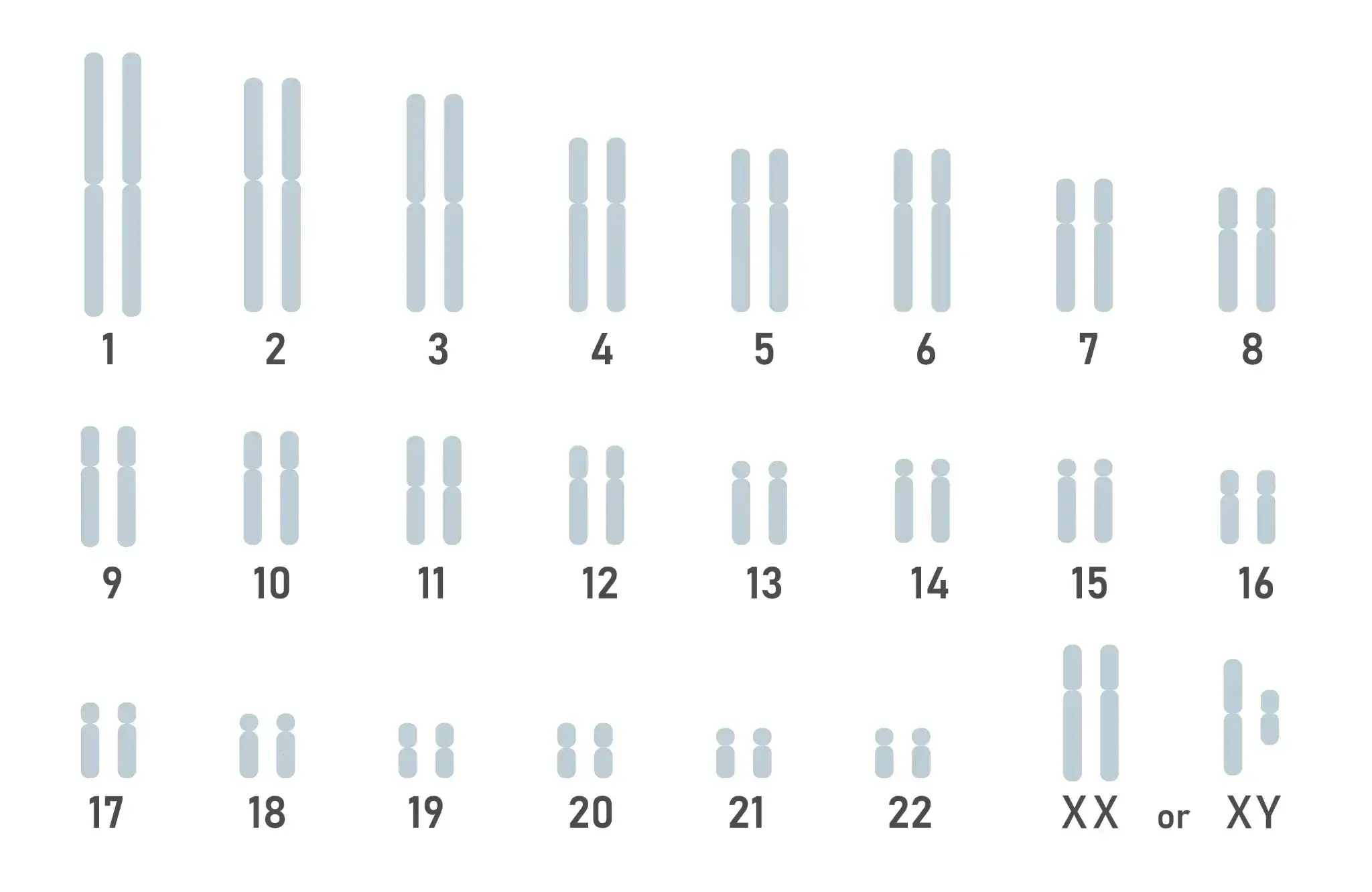
Schematic diagram of DNA map present in cells
- ■
- ■
- ■
- ■
- ■
- ■
- ■
- ■
- ■
Related genes
| Related genes | HPN-AS1 |
|---|
Frequently asked questions (FAQ)
Q1. What is albumin?
Albumin is the main protein in the blood produced by the liver.It is responsible for maintaining colloid osmotic pressure, regulating blood volume, and transporting substances such as hormones and vitamins. The standard value is 4.1 to 5.1 g/dL, which is an important indicator of the health of liver function (1).
Q2. What happens if the albumin level is low?
When the albumin level decreases (hypoalbuminemia), the body fluid balance is disrupted, causing symptoms such as edema (swelling) and ascites. The main causes are liver cirrhosis, nephrotic syndrome, and malnutrition.
Q3. Can I find out trends in albumin levels through genetic testing?
By examining the genotype of the DNA region rs4806080,Understand trends in albumin levelsYou can. A study at Stanford University found that people with the T mutation genotype (TT type/CT type) tend to have higher albumin levels (1).
Q4. Is there a way to improve albumin levels?
Intake of high-quality protein (eggs, fish, soybean products), moderate exercise, and abstinence from alcohol.Early detection through regular blood tests is effective in reducing the burden on the liver.
References
- Reference link 1: 2021 Feb., Nasa Sinnott-Armstrong, Nat Genet