
 liver cancer
- Liver cancer (hepatocellular carcinoma/HCC) is a malignant tumor that occurs in the liver.It ranks among the top causes of cancer death in Japan.
- Type A mutation in DNA region rs751402Study finds that people with 20% of the brain tend to have a higher risk of developing liver cancer.
- Early treatment of hepatitis B and C, early detection and prevention are possible through moderate drinking restrictions and regular liver function tests.
Overview Liver cancer, also known as liver cancer, can have different symptoms. This is divided into cases in which the disease develops in the liver cells themselves (primary liver cancer) and cases in which the disease metastasizes to the liver from other parts of the body (secondary liver cancer). The most common type of primary liver cancer is hepatocellular carcinoma (HCC). Symptoms of liver cancer vary depending on how advanced the cancer is and the overall health of the liver, and can be of varying intensity from patient to patient. Early liver cancer is often subtle and has no symptoms, and can be missed without regular testing. However, as the disease progresses, clear signs may appear. For example, elevated bilirubin levels can cause jaundice, a yellowing of the skin and eyes, bloating or swelling in the abdomen, pain or discomfort in the upper right quadrant, weight loss, persistent fatigue, nausea, and loss of appetite. Liver cancer affects not only these symptoms but also important functions of the liver. The liver plays an essential role in detoxifying and metabolizing toxins. Decreased liver function can also affect your overall health. Imaging and blood tests are used to detect liver cancer and help determine the diagnosis and treatment plan. Research by Cuihong Han and colleagues at the Second Military Medical University revealed that the risk of developing liver cancer is associated with a DNA region called rs751402. There are three genotypes in this DNA region: AA, AG, and GG, and it was found that people with the A genotype tend to have a higher risk of liver cancer.
What is liver cancer?
Liver cancer (hepatocellular carcinoma/HCC) is a malignant tumor that develops from liver cells.Hepatocellular carcinoma accounts for approximately 90% of primary liver cancers. Approximately 40,000 people are newly diagnosed each year in Japan, making it the fifth leading cause of cancer death.
Causes and risk factors of liver cancer
Liver cancer develops when chronic damage to the liver accumulates. The main risk factors are:
- Hepatitis B virus (HBV) infection:Persistent infection leads to liver cirrhosis and cancer risk increases approximately 100 times
- Hepatitis C virus (HCV) infection:Approximately 60% of liver cancers in Japan are HCV-related
- Cirrhosis:Regardless of the cause, the annual cancer incidence in patients with liver cirrhosis is approximately 3-8%.
- Excessive drinking:Progression from alcoholic liver damage to cirrhosis
- Nonalcoholic fatty liver disease (NAFLD):New risk factors associated with obesity and diabetes
- Genetic factors:Possessing type A mutation in DNA region rs751402
Main symptoms of liver cancer
liver cancer is"The organ of silence"Because it occurs in the liver, called the liver, there are almost no symptoms in the early stages.
- Jaundice:Yellowing of the skin and whites of the eyes due to increased bilirubin levels
- Pain in the right upper abdomen:Discomfort and dull pain associated with enlarged liver
- Abdominal bloating:Abdominal swelling due to ascites accumulation
- Weight loss:Sudden weight loss of unknown cause
- Persistent fatigue:General malaise due to decreased liver function
- Nausea/loss of appetite
Difference between primary liver cancer and metastatic liver cancer
| Comparison items | primary liver cancer | metastatic liver cancer |
|---|---|---|
| Occurrence site | Originates directly from liver cells | Metastasis from other organs to the liver |
| Main cause | Hepatitis virus, cirrhosis, alcohol consumption | Primary tumor of colorectal cancer, stomach cancer, etc. |
| frequency | Approximately 30-40% of all liver cancers | Approximately 60-70% of all liver cancers |
| Typical types | Hepatocellular carcinoma (HCC) approximately 90% | Adenocarcinoma (depending on primary tumor) |
| Treatment policy | Liver resection/radiofrequency/liver transplantation | Treatment of primary tumor + chemotherapy |
How to diagnose liver cancer
Early detection and diagnosis are performed through the following tests.
- Abdominal ultrasound (echo):Most common screening tests
- Tumor marker test:Measurement of AFP (alpha fetoprotein) and PIVKA-II
- Contrast CT/MRI examination:Evaluation of tumor size, location, and blood flow pattern
- Liver biopsy:Collect tissue and make a pathological diagnosis
How to prevent liver cancer
The most effective prevention of liver cancer is managing the underlying liver disease.
- Hepatitis B vaccination (over 95% preventive effect)
- Early detection and antiviral treatment of hepatitis C
- Appropriate control of alcohol consumption (less than 1 cup of sake per day)
- Prevention and management of obesity and diabetes
- High-risk individuals should undergo periodic testing once every six months
Relationship between genes and liver cancer
Relationship between DNA region rs751402 and onset risk
A study by Cuihong Han et al. of the Second Military Medical University (1) revealed that the DNA region rs751402 is associated with the risk of developing liver cancer.
- There are three genotypes of rs751402: AA, AG, and GG.
- Genotype with type A mutation(AA type/AG type) people tend to have a higher risk of liver cancer
Genotype distribution in Japanese (rs751402)
| Genotype | Percentage of Japanese people | percentage of the world |
|---|---|---|
| AA type | 14.0% | 4.0% |
| AG type | 46.8% | 32.0% |
| GG type | 39.0% | 63.9% |
The prevalence of type AA among Japanese people is 14.0%, which is approximately 3.5 times higher than the world average of 4.0%. People with type A mutation (type AA + type AG) account for 60.8% of all Japanese people.
Rationale for testing
Surface DNA region: liver cancer
The gene region that most strongly affects liver cancer is rs751402. The distribution of isomorphic genotypes in Japan is as follows.
- AA
14.0 % - AG
46.8 % - GG
39.0 %
Basis for inspection
Research by Cuihong Han and colleagues at the Second Military Medical University has revealed that the risk of developing liver cancer is related to genes. There is a region called rs751402 in the human genome, and there are two types of mutations, A and G, in the gene in this region. It has been found that people with the type A mutation tend to have an increased risk of liver cancer (1).
The DNA region investigated this time
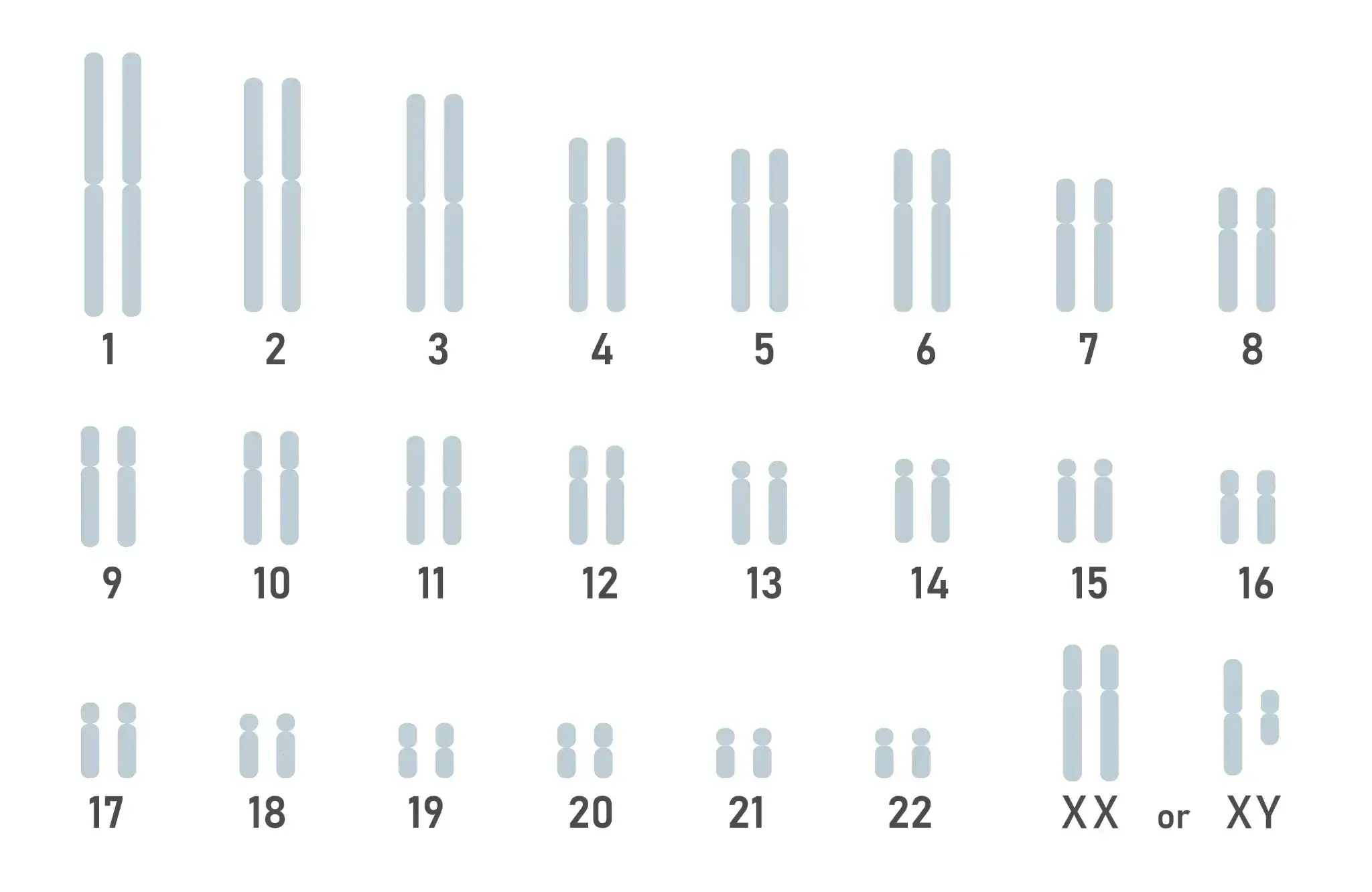
Schematic diagram of DNA map present in cells
- ■
- ■
- ■
- ■
- ■
- ■
- ■
- ■
- ■
Related genes
| Related genes | ERCC5 |
|---|
Frequently asked questions (FAQ)
Q1. What is liver cancer?
Liver cancer (hepatocellular carcinoma/HCC) is a malignant tumor that develops from liver cells.It accounts for approximately 90% of primary liver cancers, and major risk factors include hepatitis B and C virus infection, liver cirrhosis, and excessive alcohol consumption. Approximately 40,000 people are newly diagnosed in Japan each year (1).
Q2. What is the cause of liver cancer?
The main cause isProgression from chronic hepatitis to cirrhosis due to persistent infection with hepatitis B and C virusesIt is. Heavy drinking, nonalcoholic fatty liver disease (NAFLD), and genetic factors (type A mutation in the DNA region rs751402) also increase risk (1).
Q3. Are there any early symptoms of liver cancer?
In the early stages of liver cancerThere are almost no symptoms. As the disease progresses, jaundice, pain in the upper right quadrant, bloating, weight loss, and persistent fatigue appear. Early detection through regular examinations is important.
Q4. Can genetic testing determine the risk of liver cancer?
By examining the genotype of DNA region rs751402,Understanding trends in the risk of developing liver cancerYou can. Studies have shown that people with the genotype A tend to be at increased risk (1).
Q5. How to prevent liver cancer?
Hepatitis B vaccination, early treatment for hepatitis C, moderate alcohol consumption, regular liver function testsis valid. For high-risk patients, semiannual ultrasound and tumor marker tests are recommended.
References
- Reference link 1: 2017 Aug., Cuihong Han, Medicine (Baltimore)