
 Good liver function (AST)

- AST (aspartate aminotransferase) is an important enzyme that evaluates the health status of the liver, heart, and muscles.The standard value is 10 to 40 U/L.
- T-type mutation in DNA region rs2583435A study at Osaka University found that people with AST tend to have high AST values.
- appropriateDietary management/drinking restrictions/exercise habitsIt is possible to maintain and improve liver function by
Overview Aspartate aminotransferase (AST) is an enzyme that primarily exists in tissues such as the liver, heart, muscles, kidneys, and brain, and plays an important role in amino acid metabolism and energy production in the body. AST is released into the blood when cells are damaged or destroyed, so measuring blood AST concentration is an important indicator for evaluating the health of organs such as the liver and heart. Particularly in the liver, blood levels of AST increase when there is a liver disease such as hepatitis, cirrhosis, or liver tumor. Blood levels of AST may also increase if you have a heart attack or muscle damage. AST is measured in a blood test along with alanine aminotransferase (ALT). The ratio of AST to ALT is used as an index to evaluate the type and severity of liver disease. Generally, blood levels of AST higher than ALT indicate possible alcoholic liver disease or muscle damage. AST is an essential enzyme for amino acid metabolism in the body, and measuring its blood concentration is an important indicator for evaluating the health status of organs such as the liver and heart. If the blood concentration of AST increases, it may lead to liver disease, heart disease, muscle damage, etc., so it is important to understand the blood concentration of AST through regular checkups and provide appropriate treatment. A study by Sakaue et al. at Osaka University revealed that liver function assessment (AST) is associated with a DNA region called rs2583435. There are three genotypes in this DNA region: TT, TC, and CC, and it was found that people with the T genotype tend to have higher liver function assessment (AST).
What is AST(GOT)?
AST (aspartate aminotransferase, formerly known as GOT) is an enzyme that exists in tissues such as the liver, heart, muscles, kidneys, and brain, and is essential for amino acid metabolism and energy production.Measurement of blood AST concentration is used to assess organ health, as it is released into the blood when cells are damaged or destroyed.
Causes and mechanisms of increased AST
The blood concentration of AST increases through the following two mechanisms.
- Damage/necrosis of liver cells:Liver cells are destroyed due to hepatitis, cirrhosis, liver tumors, etc.
- Damage to organs other than the liver:Causes include myocardial infarction, skeletal muscle damage, hemolytic disease, etc.
The main causes of AST elevation are as follows.
- Hepatitis (viral/alcoholic/autoimmune)
- Cirrhosis, liver tumor, fatty liver
- Myocardial infarction/heart failure
- Skeletal muscle damage (intense exercise/trauma)
- Drug-induced liver damage
Difference between AST and ALT
| Comparison items | AST(GOT) | ALT(GPT) |
|---|---|---|
| Existence site | Liver, heart, muscle, kidney, brain | Mainly liver |
| liver specificity | Low (also present in other organs) | High (liver specific) |
| Standard value | 10〜40 U/L | 5〜45 U/L |
| AST/ALT ratio≧1 | Possibility of alcoholic liver disease/cirrhosis | |
| AST/ALT ratio <1 | Possibility of viral hepatitis/fatty liver | |
AST value standards and judgment
The status of liver function is determined using the following criteria.
| AST value (U/L) | Judgment | Possible conditions |
|---|---|---|
| 10〜40 | Within standard range | normal liver function |
| 41〜100 | mild increase | Fatty liver, chronic hepatitis, drug-induced |
| 101〜500 | moderate increase | Acute hepatitis/alcoholic liver damage |
| 500 or more | Altitude rise | Acute hepatitis, severe type/fulminant hepatitis |
How to maintain and improve liver function
The following lifestyle habits are effective for maintaining and improving AST values.
- Drinking restrictions:Keep alcohol intake below 20g per day
- Balanced diet:Avoid high-fat foods and focus on eating vegetables and fish.
- Moderate exercise:At least 150 minutes of aerobic exercise per week recommended
- Maintaining a healthy weight:Aim for a BMI of less than 25
- Proper use of drugs:Avoid excessive intake of drugs and supplements that put stress on the liver
Relationship between genes and liver function (AST)
Relationship between DNA region rs2583435 and AST value
A study by Sakaue et al. at Osaka University (1) revealed that the DNA region rs2583435 is associated with liver function assessment (AST).
- There are three genotypes of rs2583435: TT, TC, and CC.
- Genotype with T-type mutationPeople tend to have high AST values.
Genotype distribution in Japanese (rs2583435)
| Genotype | Percentage of Japanese people | percentage of the world |
|---|---|---|
| TT type | 14.0% | 46.8% |
| TC type | 46.8% | 43.2% |
| CC type | 39.0% | 9.9% |
Rationale for testing
Surface DNA region: Good liver function (AST)
The gene region that most strongly influences liver function (AST) is rs2583435. The distribution of isomorphic genotypes in Japan is as follows.
- TT
14.0 % - TC
46.8 % - CC
39.0 %
Basis for inspection
Research by Sakaue et al. at Osaka University revealed that liver function assessment (AST) is associated with genes. There is a region called rs2583435 in the human genome, and there are two types of mutations, T and C, in the gene in this region. It was found that people with the T mutation tend to have higher liver function assessment (AST) (1).
The DNA region investigated this time
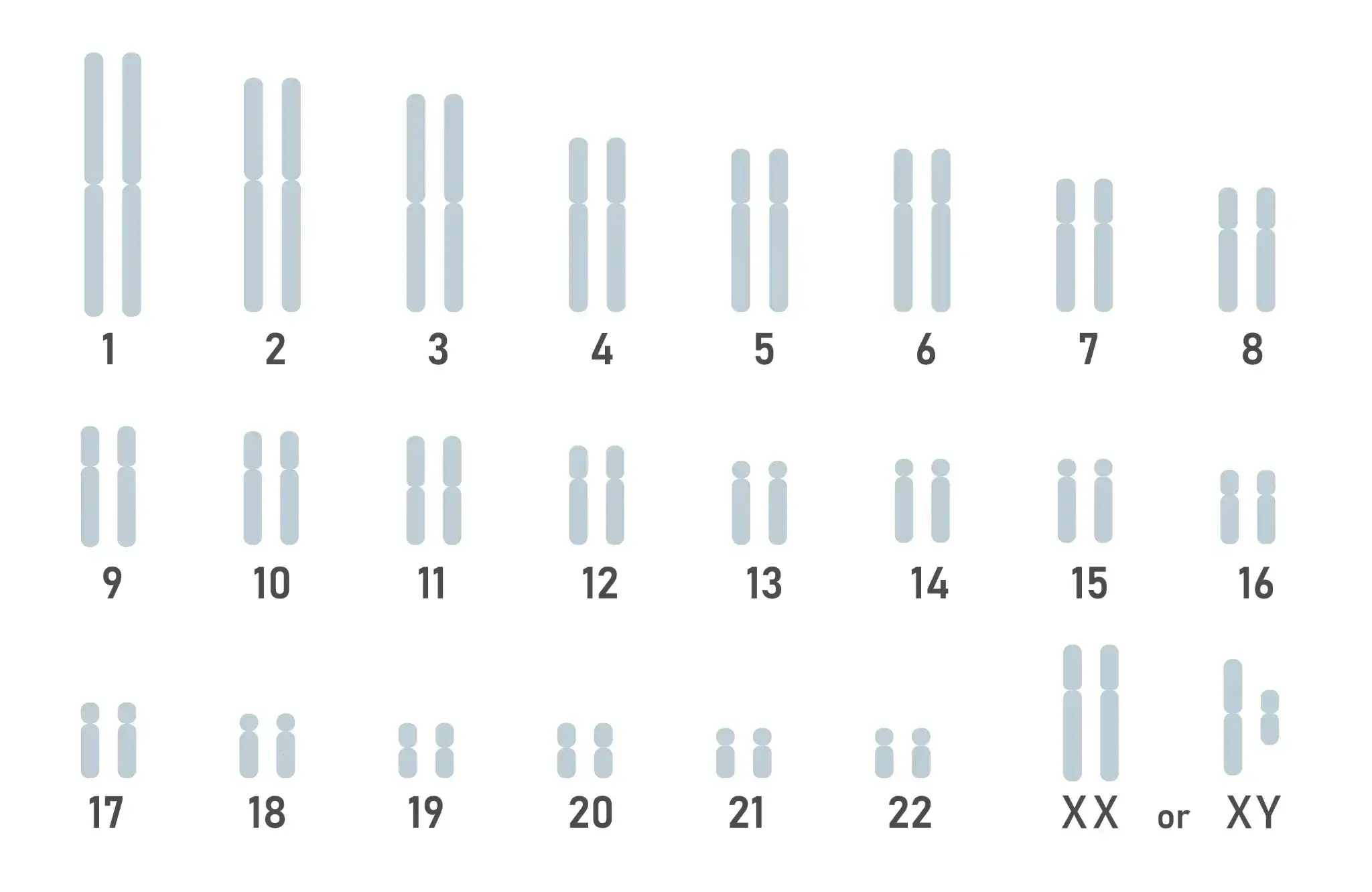
Schematic diagram of DNA map present in cells
- ■
- ■
- ■
- ■
- ■
- ■
- ■
- ■
- ■
Related genes
| Related genes | PHLDA2 |
|---|
Frequently asked questions (FAQ)
Q1. What is AST(GOT)?
AST (aspartate aminotransferase) is an enzyme found in the liver, heart, muscles, kidneys, and brain.It plays an important role in amino acid metabolism and energy production. Because it is released into the blood when cells are damaged, blood AST concentration is used as an indicator to evaluate organ health.
Q2. What is the standard value for AST?
The standard value of AST is10〜40 U/LIt is. If it exceeds the standard value, it suggests the possibility of hepatitis, liver cirrhosis, myocardial infarction, or muscle damage.Ratio to ALTis also an important diagnostic indicator.
Q3. What is the difference between AST and ALT?
AST isMultiple organs such as liver, heart, and muscles, but ALT isMainly liver specificIt is. An AST/ALT ratio of 1 or more indicates alcoholic liver disease or cirrhosis, and a ratio of less than 1 indicates a high possibility of viral hepatitis.
Q4. Do genes affect liver function (AST)?
According to research by Sakaue et al. at Osaka University,DNA region rs2583435 is associated with AST valueIt turns out that. People with the T mutation genotype tend to have higher AST levels (1).
Q5. Is there a way to improve the AST value?
To improve the AST value,Limit alcohol intake, eat a balanced diet, and do at least 150 minutes of aerobic exercise per weekis valid. It is important to maintain a healthy weight with a BMI of less than 25 and avoid taking excessive amounts of supplements and medications that put stress on the liver.
References
- Reference link 1: 2021 Oct., Saori Sakaue, Nat Genet