
 left atrial hypertrophy

- Left ventricular hypertrophy (LVH) is a condition in which the heart's left ventricular wall becomes abnormally thick.The main causes are hypertension and aortic stenosis.
- T-type mutation in DNA region rs2801617Research shows that people with the disease tend to be at higher risk of developing
- If you leave it aloneArrhythmia, heart failure, sudden deathEarly detection and blood pressure management are important as the risk of
Overview Left ventricular hypertrophy (LVH) is a condition in which the muscular wall of the heart's left ventricle (one of the four chambers of the heart) thickens. Normally, the left ventricle has a strong, muscular wall to pump blood around the body, but in LVH, its muscle mass has increased too much. This usually occurs in response to factors such as high blood pressure or aortic stenosis. Initially, this hypertrophic response is an adaptation to counter the excessive strain placed on the heart. However, over time, it can become maladaptive, leading to left ventricular stiffness, decreased filling capacity, and ultimately decreased efficiency of cardiac function. This increases the risk of arrhythmia, heart failure, and sudden cardiac death. LVH is characterized by enlargement of cardiac muscle cells. Diagnosis uses an electrocardiogram (ECG) or echocardiography, which detects thickening of the ventricular walls and changes in heart function. Symptoms vary depending on the patient, but may include chest pain, palpitations, shortness of breath, dizziness, and fainting. Research by Rafik Tadros and colleagues at the University of Montreal has revealed that the risk of developing left atrial hypertrophy is associated with a DNA region called rs2801617. There are three genotypes in this DNA region: TT, TC, and CC, and it was found that people with the T genotype tend to have a higher risk of left atrial hypertrophy.
What is left ventricular hypertrophy (LVH)?
Left ventricular hypertrophy (LVH) is a condition in which the muscular wall of the heart's left ventricle becomes abnormally thick.The left ventricle is one of the four chambers of the heart and is responsible for pumping blood throughout the body.
Causes and mechanisms of left ventricular hypertrophy
Left ventricular hypertrophy is a compensatory thickening of the muscle wall due to excessive load on the heart. The main causes are as follows.
- High blood pressure:The largest risk factor involved in approximately 60-70% of all LVH patients
- Aortic stenosis:The aortic valve narrows, increasing the load on the left ventricle.
- Hypertrophic cardiomyopathy:Thickening of the heart muscle due to genetic factors
- Genetic predisposition:T-type mutation carriers in the DNA region rs2801617 have an increased risk
In the early stages, muscle wall thickening is an adaptive response to excessive loading. However, over time, the left ventricle stiffens, reducing its ability to fill with blood and making the heart less efficient.
Main symptoms of left ventricular hypertrophy
Symptoms vary from person to person, but the following signs may appear:
- Chest pain or pressure
- Palpitations/arrhythmia
- shortness of breath (especially when exercising)
- Dizziness/fainting
- Increased feeling of fatigue
Difference between left ventricular hypertrophy and cardiac hypertrophy
| Comparison items | Left ventricular hypertrophy (LVH) | Cardiac hypertrophy (general) |
|---|---|---|
| definition | Thickened left ventricular wall muscles | enlargement of the whole heart |
| Main cause | Hypertension/aortic stenosis | Valvular heart disease/cardiomyopathy/hypertension |
| Features | Hypertrophy of cardiac muscle cells | Dilation or wall thickening of the heart chambers |
| diagnostic method | ECG/echocardiography | Chest X-ray/echocardiography |
| Complication risk | Arrhythmia, heart failure, sudden death | Heart failure/valvular disease worsening |
Complication risk of left ventricular hypertrophy
Without proper treatment, the following complications may occur:
- arrhythmia(Atrial fibrillation/ventricular tachycardia)
- heart failure(Diastolic dysfunction/systolic dysfunction)
- sudden cardiac death
- stroke(Increased risk of blood clot formation)
Diagnostic method
It is diagnosed using the following testing methods.
- Electrocardiogram (ECG):Detecting signs of LVH from electrical changes
- Echocardiography:Direct assessment of ventricular wall thickness and cardiac function
- Cardiac MRI:Detailed myocardial structure imaging diagnosis
Relationship between genes and left ventricular hypertrophy
Relationship between DNA region rs2801617 and onset risk
Research by Rafik Tadros and colleagues at the University of Montreal (1) revealed that the DNA region rs2801617 is associated with the risk of left ventricular hypertrophy.
- There are three genotypes of rs2801617: TT, TC, and CC.
- Genotype with T-type mutationpeople tend to have a higher risk of left ventricular hypertrophy
Genotype distribution in Japanese (rs2801617)
| Genotype | Percentage of Japanese people | percentage of the world |
|---|---|---|
| TT type | 99.9% | 87.9% |
| TC type | 0.1%以下 | 11.6% |
| CC type | 0.1%以下 | 0.3% |
Rationale for testing
Superficial DNA region: left atrial hypertrophy
The gene region that most strongly influences left atrial hypertrophy is rs2801617. The distribution of isomorphic genotypes in Japan is as follows.
- TT
99.9 % - TC
0.1%以下 - CC
0.1%以下
Basis for inspection
Research by Rafik Tadros and colleagues at the University of Montreal has revealed that the risk of developing left atrial hypertrophy is linked to genes. There is a region called rs2801617 in the human genome, and there are two types of mutations, T and C, in the gene in this region. It was found that people with T-type mutations tend to have an increased risk of left atrial hypertrophy (1).
The DNA region investigated this time
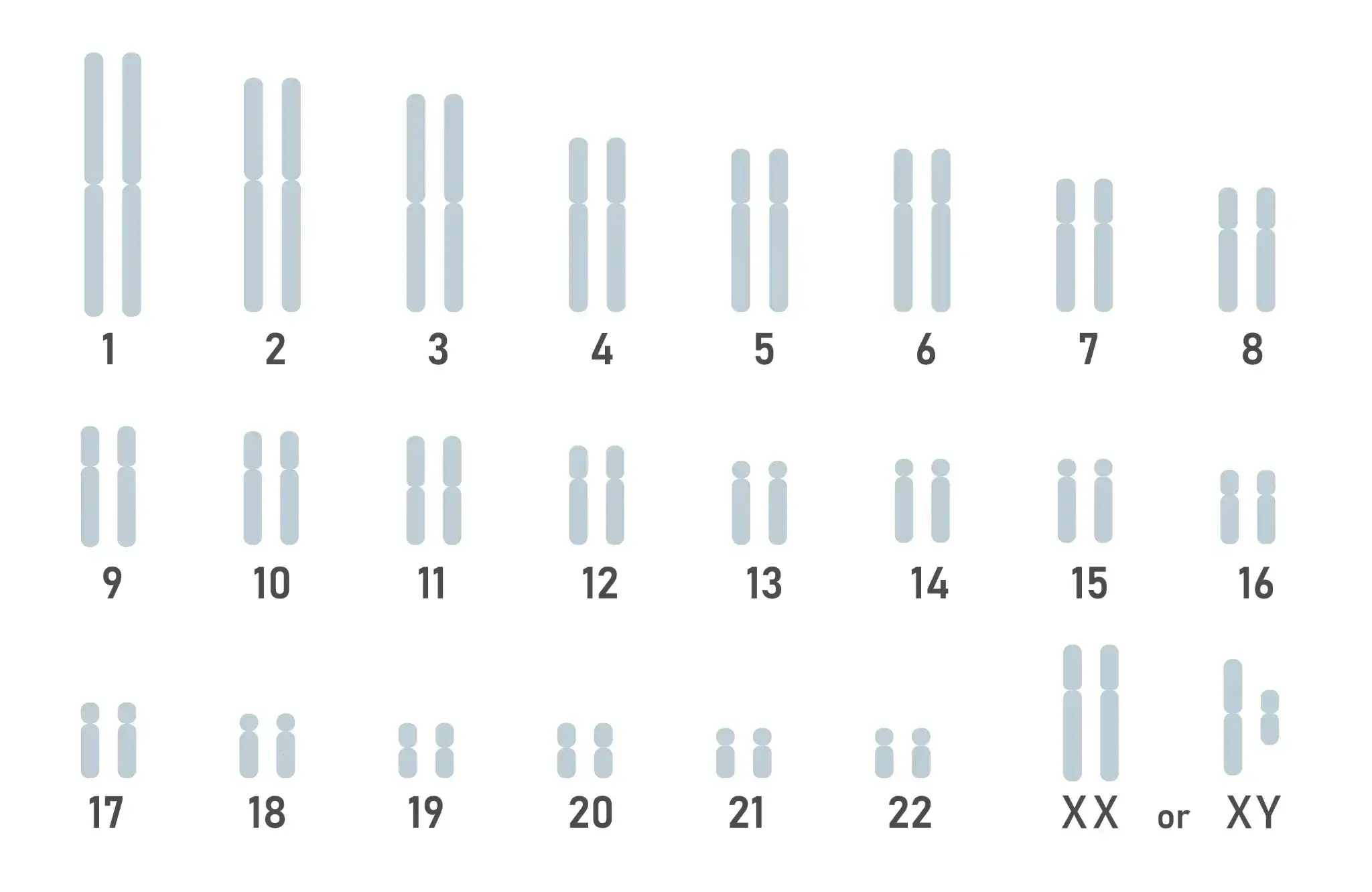
Schematic diagram of DNA map present in cells
- ■
- ■
- ■
- ■
- ■
- ■
- ■
- ■
- ■
Related genes
| Related genes | MIR5007 |
|---|
Frequently asked questions (FAQ)
Q1. What is left ventricular hypertrophy (LVH)?
Left ventricular hypertrophy (LVH) is a condition in which the muscular wall of the heart's left ventricle becomes abnormally thick.The main causes are high blood pressure and aortic stenosis, which increase the risk of arrhythmia, heart failure, and sudden death (1).
Q2. What is the cause of left ventricular hypertrophy?
The main cause isHypertension and aortic stenosisIt is. Excessive stress on the heart causes compensatory thickening of the left ventricular wall. The T-type mutation in the DNA region rs2801617 has also been implicated as a genetic predisposition (1).
Q3. What is the difference between left ventricular hypertrophy and cardiac hypertrophy?
cardiac hypertrophyenlargement of the whole heartIt is a broad concept that refers to Left ventricular hypertrophy will eventually occur.Condition in which the muscles of the left ventricular wall become thickenedIt is characterized by hypertrophy of cardiac muscle cells.
Q4. Can genetic testing determine the risk of left ventricular hypertrophy?
By examining the genotype of the DNA region rs2801617,Understanding risk trends for left ventricular hypertrophyYou can. A study from the University of Montreal found that people with the T mutation genotype tend to be at increased risk (1).
References
- Reference link 1: 2021 Feb., Rafik Tadros, Nat Genet