
 Resistance to lead poisoning
- Resistance to lead poisoning is associated with the DNA region rs1805313 of the gene ALAD (5-aminolevulinic acid dehydrogenase)However, the ease with which lead is taken up varies depending on the genotype.
- Type AA (32.7% of Japanese) is more likely to take in lead., hemoglobin synthesis is suppressed and the risk of anemia increases.
- Avoid contact with lead (exhaust gas, cigarettes, old paint)Early identification of risk through genetic testing is effective for prevention.
Overview Anemia is a lack of hemoglobin in the blood, which disrupts the supply of oxygen and causes symptoms such as dizziness and lightheadedness. In addition, if it becomes chronic, it may cause myocardial infarction or memory loss. Generally, the cause is iron deficiency anemia, which is caused by iron deficiency, and nutritional deficiencies are among the contributing factors. However, if you are suffering from anemia of unknown cause despite taking iron supplements, lead poisoning may be the cause. Additionally, genetic factors may be associated with this condition. Lead is a chemical substance that is abundant in the environment, and is found in paint, exhaust gas, and cigarette smoke. Lead that enters the body can bind to proteins and inhibit their functions, causing anemia, neurological disorders, and developmental disorders in children (Reference link 1). The likelihood of developing lead poisoning is said to be determined not only by the amount of exposure but also by the individual's genetic susceptibility (Reference links 2 and 3). Zinc is required for the synthesis of heme, a component of hemoglobin, but when this zinc is replaced with lead, heme synthesis is inhibited, which can lead to anemia. Additionally, one of the causative genes has been found to be 5-aminolevulinic acid dehydrogenase (ALAD), which is located on chromosome 9. If you are suffering from anemia of unknown cause, we recommend that you perform a genetic test to find out, as it may be caused by lead poisoning. 2. Rationale The gene ``5-aminolevulinic acid dehydrogenase (ALAD)'' is an important enzyme for the synthesis of heme, which makes up hemoglobin. The DNA region "rs1805313" contained in this gene has three genotypes: "AA type," "AG type," and "GG type." Additionally, these three genotypes are known to affect blood lead levels. According to a past study, analysis of genetic variations in adult volunteers from Australia and the UK revealed that rs1805313, a mutation found in red blood cells, was correlated with lead content in the blood. (Reference link 3) When "ALAD" and "lead" combine, enzyme activity is suppressed and hemoglobin is not synthesized, leading to anemia. Therefore, if there is a mutation in the gene "ALAD", it becomes difficult for red blood cells to take up lead. There are three genotypes of "rs1805313": AA, AG, and GG; AA is the normal type, and AG and GG are the mutant types. Furthermore, among Japanese people, 32.1% are ``AA type,'' 49.2% are ``AG type,'' and 18.7% are ``GG type,'' which means that nearly 70% of people have the mutant gene. (Reference link 4) Of these, "AA type" takes in more lead than "AG type," which inhibits enzyme activity more, making it difficult to synthesize hemoglobin, which may make symptoms more severe (Reference link 5). Furthermore, in the case of type AA, the ALAD gene is strongly suppressed, so the symptoms become chronic and affect multiple organs, making them more likely to cause chronic symptoms such as gastrointestinal disorders, central nervous system disorders, and developmental disorders in children. (Reference links 3, 4) 3. Mechanism of action The gene "ALAD" is an enzyme that catalyzes an important early stage reaction in the synthesis of heme, which constitutes hemoglobin, and has the role of converting delta-aminolevulinic acid into porphobilinogen. Zinc is essential for this reaction. However, in an environment where lead is present, lead is incorporated into ALAD instead of zinc, inactivating the enzyme and preventing new heme synthesis. This is considered to be one of the causes of anemia caused by lead poisoning. In particular, it has been reported that people with a mutation in the DNA region "rs1805313" have a condition in which "ALAD" is more likely to take up lead, and are more likely to cause anemia due to lead poisoning (Reference link 5). In such cases, it is difficult to improve anemia with iron supplementation alone. Therefore, it is necessary to improve the living environment to avoid contact with lead. For example, avoid areas where exhaust fumes or tobacco are generated.
What is resistance to lead poisoning?
Resistance to lead poisoning refers to individual differences that determine the ease with which lead is taken up into the body and the susceptibility to health damage caused by lead when exposed to lead in the environment.This resistance depends on the genotype of the DNA region rs1805313 of the gene ALAD.
What are the symptoms caused by lead poisoning?
Lead is a chemical substance that exists in the environment and is found in paint, exhaust gas, and cigarette smoke. Lead that enters the body binds to proteins and causes the following symptoms.
- Anemia:Heme synthesis, a component of hemoglobin, is inhibited and oxygen supply is reduced.
- Neurological diseases:The central nervous system is damaged, causing headaches, memory problems, and poor concentration.
- Developmental disorders in children:Affects children's brain development, causing problems with learning ability and behavior
- Digestive disorders:Chronic abdominal pain, constipation, and loss of appetite
Causes and mechanisms of anemia due to lead poisoning
Zinc is essential for the synthesis of heme, which makes up hemoglobin.When lead enters the body, it is taken up by the ALAD enzyme instead of zinc, and the enzyme activity is inactivated. As a result, heme synthesis stops and anemia develops.
If you suffer from unexplained anemia that does not improve with iron supplementation, lead poisoning may be the culprit.
Causes of lead poisoning and differences in genetic susceptibility
| factor | Content | degree of influence |
|---|---|---|
| environmental factors | Exposure to exhaust fumes, cigarette smoke, and old paint | proportional to exposure |
| genetic factors | Genotype of ALAD gene rs1805313 | Increased lead uptake in type AA |
| age factor | Children absorb lead approximately five times faster than adults. | Increased risk of developmental disorders |
Differences in lead poisoning risk by genotype
There are three genotypes of DNA region rs1805313: AA, AG, and GG, each of which has a different sensitivity to lead.
| Genotype | type | Lead uptake | risk |
|---|---|---|---|
| AA type | Normal type | Large amount of lead uptake | Enzyme activity is strongly suppressed and symptoms tend to become more severe. |
| AG type | variant | Less lead uptake than type AA | medium risk |
| GG type | variant | Difficult to absorb lead | High resistance |
Prevention and countermeasures for lead poisoning
The following lifestyle habits are effective in preventing lead poisoning.
- Avoidance of exposure sources:Avoid areas with exhaust fumes or cigarette smoke
- Improvement of living environment:Repair and remove environments with old paint (pre-1978 buildings)
- Regular blood tests:Measure blood lead concentration regularly and strive for early detection
- Utilization of genetic testing:Find out your ALAD gene type and understand your individual risk
- Nutritional management:Adequate intake of calcium, iron, and vitamin C suppresses lead absorption.
Association between genetic ALAD and resistance to lead poisoning
Relationship between DNA region rs1805313 and lead poisoning risk
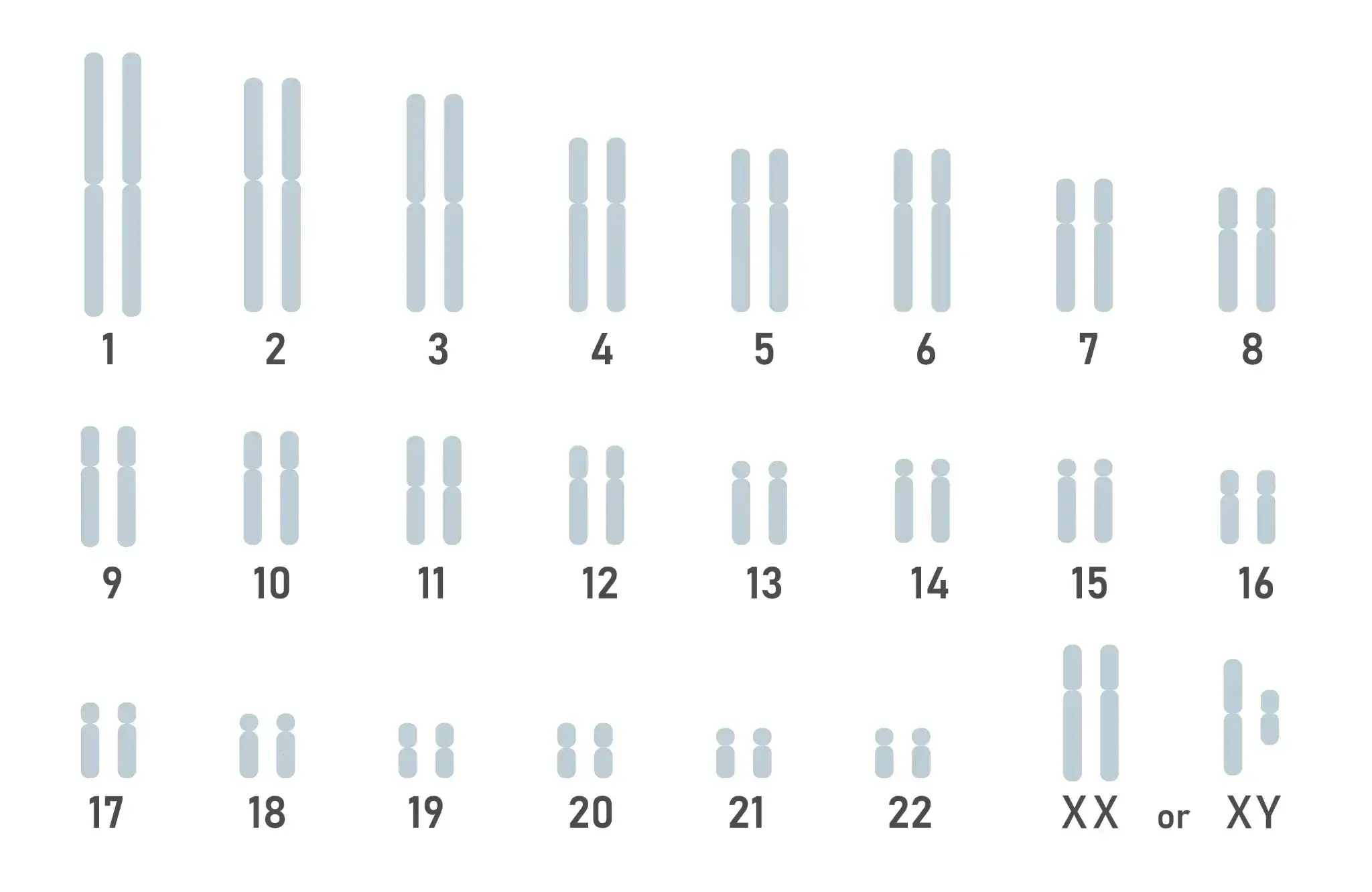
The gene ALAD (5-aminolevulinic acid dehydrogenase), located on chromosome 9, is an essential enzyme for heme synthesis, which makes up hemoglobin.
Analysis of genetic variations in adult volunteers from Australia and the UK revealed that rs1805313, a mutation found in red blood cells, is correlated with lead content in the blood (Reference link 3).
- There are three genotypes of rs1805313: AA, AG, and GG.
- AA type is normal typeThis makes it easier for ALAD to take up lead and inhibits enzyme activity.
- AG type and GG type are mutant types.It is difficult to absorb lead and has high resistance.
Mechanism of action: Binding mechanism of ALAD and lead
ALAD enzyme is an early stage of heme synthesis.Catalyzes the reaction that converts delta-aminolevulinic acid to porphobilinogenI will. Zinc is essential for this reaction.
- Normal:Zinc binds to ALAD and heme synthesis proceeds normally.
- When exposed to lead:Lead is incorporated into ALAD instead of zinc, inactivating the enzyme.
- Result:New heme synthesis becomes impossible and anemia develops.
In the case of type AA, the ALAD gene is strongly suppressed, soGastrointestinal disorders, central nervous system disorders, developmental disordersIt is said that chronic effects on multiple organs are likely to occur (reference links 3 and 4).
Genotype distribution in Japanese (rs1805313)
| Genotype | Percentage of Japanese people | percentage of the world | Sensitivity to lead |
|---|---|---|---|
| AA type | 32.7% | 42.0% | Easy to absorb lead (high risk) |
| AG type | 48.9% | 45.5% | medium |
| GG type | 18.3% | 12.3% | Difficult to absorb lead (low risk) |
Approximately 67.2% of Japanese people (AG type + GG type) carry the mutant gene, which is higher than the world average (57.8%) (Reference link 4).
Rationale for testing
Superficial DNA region: Resistance to lead poisoning
The genetic region that most strongly influences resistance to lead poisoning is rs1805313. The distribution of isomorphic genotypes in Japan is as follows.
- AA
32.7 % - AG
48.9 % - GG
18.3 %
Basis for inspection
Analysis of genetic variation in adult volunteers from Australia and the UK revealed that the DNA region rs1805313 of the ALAD gene was correlated with lead content in the blood (Reference link 3). Compared to type AG, type AA takes up more lead and enzyme activity is more suppressed, so hemoglobin synthesis is inhibited and symptoms tend to become more severe (reference link 5).
The DNA region investigated this time
Schematic diagram of DNA map present in cells
- ■
- ■
- ■
- ■
- ■
- ■
- ■
- ■
- ■
Related genes
| Related genes | ALAD |
|---|
Frequently asked questions (FAQ)
Q1. What is lead poisoning?
Lead poisoning is a disease in which lead taken into the body binds to proteins and inhibits their functions, causing anemia, neurological disorders, and developmental disorders in children.Lead in paint, exhaust gas, and cigarette smoke is the main source of exposure. The severity of symptoms depends on the amount of exposure and the individual's genetic susceptibility.
Q2. What genes are involved in resistance to lead poisoning?
Located on chromosome 9Gene ALAD (5-aminolevulinic acid dehydrogenase)is involved in resistance to lead poisoning. The ease of lead uptake differs depending on the genotype of the DNA region rs1805313, and type AA people tend to take up lead easily and have severe symptoms (reference link 5).
Q3. What is the relationship between lead poisoning and anemia?
Zinc is required for the synthesis of heme, a component of hemoglobin.However, when lead is replaced by zinc, the ALAD enzyme is inactivated and heme synthesis stops. As a result, anemia develops that does not improve even with iron supplements.
Q4. What is the distribution of genotypes in Japanese people?
The Japanese distribution of DNA region rs1805313 isAA type 32.7%, AG type 48.9%, GG type 18.3%It is. Approximately 67.2% of Japanese people carry the variant type (AG type or GG type), which is higher than the world average (57.8%) (Reference link 4).
Q5. How to prevent lead poisoning?
Avoid exposure to exhaust fumes/tobacco smokeis the basics. It is effective to improve the living environment with old paint, regularly measure blood lead levels, and intake sufficient calcium, iron, and vitamin C. Genetic testing to determine your ALAD gene type and understand your individual risk is also recommended.
References
- Reference link 1: 2013 Dec., Jacqueline B Broadway-Duren, Crit Care Nurs Clin North Am.
- Reference link 2: 2007 Aug., John B Whitfield, Environ Health Perspect.
- Reference link 3: 2010 Jun., John B Whitfield, Environ Health Perspect.
- Reference link 4: Information on DNA region “rs1805313” NIH
- Reference link 5: 2001 Jul., S N Kelada, Am J Epidemiol.
- Reference link 6: 2015 Jul., Nicole M Warrington, Hum Mol Genet