
 LDL level

- LDL cholesterol (bad cholesterol) promotes arteriosclerosis and is a major risk factor for myocardial infarction and stroke.lipoprotein to be
- C-type mutation in DNA region rs306890Study finds that people with diabetes tend to have higher LDL levels
- appropriateMeal management/exercise habits/weight controlIt is possible to improve LDL cholesterol levels by
Overview Low-density lipoprotein cholesterol (LDLC) and very low-density lipoprotein cholesterol (VLDLC) are types of cholesterol that are important in understanding cardiovascular health. LDLC, commonly known as "bad cholesterol," is responsible for the formation of plaque in blood vessels that can clog arteries and increase your risk of heart attack and stroke. In particular, it tends to aid in the progression of arteriosclerosis. VLDLC, on the other hand, is a lipoprotein that carries triglycerides (a type of fat) in the blood. Although VLDLC is not as directly involved in plaque formation as LDLC, high levels of VLDLC may also contribute to plaque development. These cholesterol levels are measured in milligrams per deciliter of blood and are important indicators of lipid metabolism and cardiovascular risk. Elevated LDLC (hypercholesterolemia) is considered a major risk factor for coronary artery disease and other cardiovascular diseases. On the other hand, direct measurement of VLDLC is complicated and not routinely performed. Therefore, VLDLC values are usually estimated from triglyceride measurements. The balance and levels of these lipoproteins are influenced by genetics, diet, lifestyle, and other health conditions. Limiting these cholesterols is important to reduce the risk of cardiovascular disease. A study by Hoffmann and colleagues at the University of California, San Francisco, revealed that LDL levels are associated with a DNA region called rs306890. There are three genotypes in this DNA region: TT, TC, and CC, and it was found that people with the C genotype tend to have higher LDL levels.
What is LDL cholesterol?
LDL cholesterol (low-density lipoprotein cholesterol) is a type of lipoprotein that transports cholesterol in the blood to peripheral tissues.Commonly known as "bad cholesterol," it forms plaques (atherosclerotic lesions) on the inner walls of blood vessels and promotes arteriosclerosis.
Why is high LDL cholesterol dangerous?
Elevated LDL cholesterol levels (hypercholesterolemia) are a major risk factor for the following cardiovascular diseases:
- Coronary artery disease:Coronary artery stenosis that causes myocardial infarction and angina pectoris
- Cerebrovascular disease:Increased risk of stroke (cerebral infarction/cerebral hemorrhage)
- Peripheral artery disease:Impaired blood flow to the extremities
- Aortic aneurysm:Swelling due to weakening of the aortic wall
Difference from VLDL cholesterol
VLDL cholesterol (very low density lipoprotein cholesterol) is a lipoprotein that primarily transports triglycerides (neutral fats) in the blood. Since VLDL is converted to LDL in the body, it indirectly contributes to arteriosclerosis.
Comparison of LDL cholesterol and VLDL cholesterol
| Comparison items | LDL cholesterol | VLDL cholesterol |
|---|---|---|
| Common name | bad cholesterol | (Nothing in particular) |
| Main cargo | cholesterol | Triglycerides (neutral fats) |
| Involvement in arteriosclerosis | Direct (plaque formation) | Indirect (converted to LDL) |
| Measurement method | Measured directly with a blood test | Estimated from triglyceride level |
| Standard value | Less than 140mg/dL | 30mg/dL or less |
Standard value for LDL cholesterol
The standard values according to the Japanese Society of Arteriosclerosis are as follows.
| classification | LDL value (mg/dL) |
|---|---|
| normal range | less than 120 |
| borderline high | 120〜139 |
| high LDL cholesterolemia | 140 or more |
How to lower LDL cholesterol
Lifestyle improvement points to improve LDL cholesterol levels are as follows.
- Diet:Limit intake of saturated fatty acids and trans fatty acids, actively intake water-soluble dietary fiber
- Exercise therapy:150 minutes or more of moderate aerobic exercise per week (walking, jogging, etc.)
- Weight management:Maintaining a healthy weight with a BMI of less than 25
- No smoking:Smoking lowers HDL (good cholesterol) and promotes LDL oxidation
- Drug therapy:If lifestyle changes are insufficient, use statin drugs, etc.
Factors affecting LDL cholesterol
LDL cholesterol levels vary depending on the following factors:
- Genetic factors:Genetic predisposition such as familial hypercholesterolemia
- Eating habits:Excessive intake of saturated fatty acids and cholesterol
- Lack of exercise:Decreased LDL receptor activity
- Obesity:Abnormal lipoprotein metabolism due to visceral fat accumulation
- Aging:Decreased liver LDL receptor function
Relationship between genes and LDL levels
Relationship between DNA region rs306890 and LDL level
A study by Hoffmann et al. at the University of California, San Francisco (1) revealed that the DNA region rs306890 is associated with LDL cholesterol levels.
- There are three genotypes of rs306890: TT, TC, and CC.
- Genotype with type C mutationpeople tend to have higher LDL levels
Genotype distribution in Japanese (rs306890)
| Genotype | Percentage of Japanese people | percentage of the world |
|---|---|---|
| TT type | 58.3% | 52.8% |
| TC type | 36.0% | 39.6% |
| CC type | 5.5% | 7.4% |
Rationale for testing
Superficial DNA region: LDL level
The gene region that most strongly influences LDL levels is rs306890. The distribution of isomorphic genotypes in Japan is as follows.
- TT
58.3 % - TC
36.0 % - CC
5.5 %
Another gene region involved in LDL levels is rs964184. The distribution of isomorphic genotypes in Japan is as follows
- GG
10.3 % - GC
43.6 % - CC
45.9 %
Another gene region involved in LDL levels is rs9987289. The distribution of isomorphic genotypes in Japan is as follows
- AA
0.1%以下 - AG
1.9 % - GG
98.0 %
Basis for inspection
A study by Hoffmann and colleagues at the University of California, San Francisco, revealed that LDL levels are linked to genes. There are two types of mutations in the rs306890 region, T and C, and people with the C mutation tend to have higher LDL levels (1).
The DNA region investigated this time
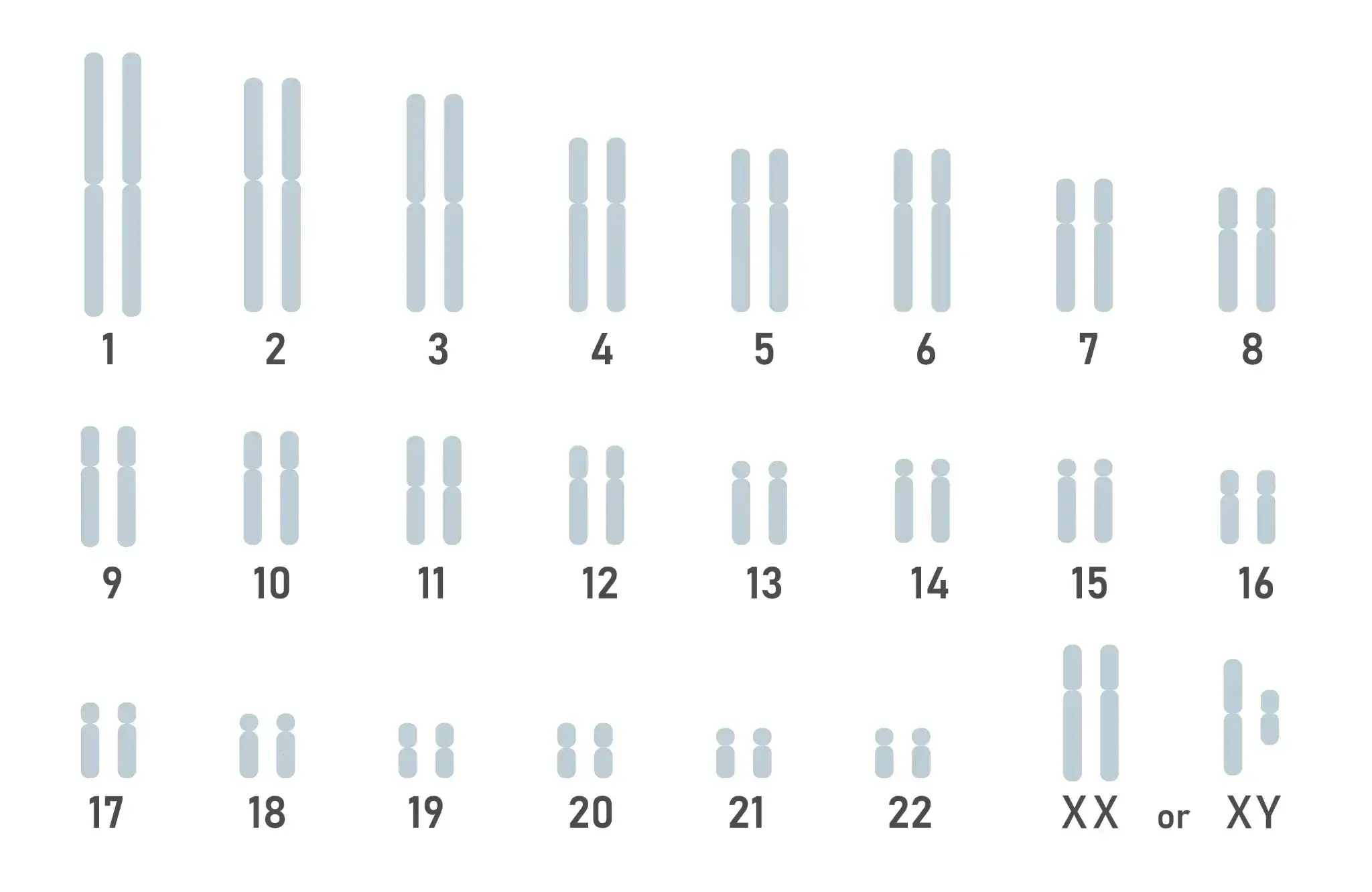
Schematic diagram of DNA map present in cells
- ■
- ■
- ■
- ■
- ■
- ■
- ■
- ■
- ■
Related genes
| Related genes | SPRY3 |
|---|---|
| Related genes | ZPR1 |
| Related genes | PPP1R3B-DT |
Frequently asked questions (FAQ)
Q1. What is LDL cholesterol?
LDL cholesterol (low-density lipoprotein cholesterol) is a type of lipoprotein that transports cholesterol in the blood.Commonly known as "bad cholesterol," it forms plaque on the inner walls of blood vessels and accelerates arteriosclerosis, making it a risk factor for myocardial infarction and stroke.
Q2. What is the standard value for LDL cholesterol?
According to the standards of the Japanese Society of Arteriosclerosis,Normal value for LDL cholesterol is less than 140mg/dLIt is. A value of 120 to 139 mg/dL is borderline high, and a value of 140 mg/dL or higher is diagnosed as high LDL cholesterol.
Q3. What is the difference between LDL cholesterol and VLDL cholesterol?
LDL mainly transports cholesterol to peripheral tissues,Directly involved in arteriosclerosisI will. VLDL is a lipoprotein that primarily transports triglycerides (neutral fats), which are converted to LDL in the body.High levels of both increase cardiovascular risk.
Q4. Can genetic testing determine the risk of LDL cholesterol?
By examining the genotype of DNA region rs306890,Understand trends in LDL cholesterol levelsYou can. A study from the University of California, San Francisco found that people with the C genotype tend to have higher LDL levels (1).
Q5. What can I do to lower my LDL cholesterol?
Limit intake of saturated fatty acids and trans fatty acids, active intake of dietary fiber, aerobic exercise for at least 150 minutes a week, and maintaining a healthy weight are effective. If lifestyle changes are not enough,Statin drugsOther drug treatments will be considered.
References
- Reference link 1: 2018 Mar., Thomas J Hoffmann, Nat Genet
- Reference link 2: 2017 May., Lorraine Southam, Nat Commun
- Reference link 3: 2016 Jun., Symen Ligthart, BMC Genomics