
 myasthenia gravis

- Myasthenia gravis (MG) is an autoimmune disease in which the immune system attacks acetylcholine receptors, disrupting neuromuscular transmission.The late-onset type, which develops in people over 50 years old, is on the rise.
- Type A mutation in DNA region rs2476601A study at the University of California, Davis found that people with
- appropriateDrug therapy/immunotherapy/thymectomy surgeryIt is possible to improve symptoms and improve quality of life.
Overview Late-onset myasthenia gravis (LOMG) is a type of autoimmune disease that usually affects people over 50 years of age. This disease is caused when the body's immune system mistakenly attacks its own acetylcholine receptors due to interference with the transmission of signals from nerves to muscles. Symptoms of this disease include blepharoptosis (drooping of the eyelids), diplopia (double vision), facial muscle weakness, dysphagia (difficulty swallowing food), dysphonia, and muscle weakness. It often progresses slowly and is characterized by symptoms gradually worsening. Antibody tests are commonly used for diagnosis. Electromyography and repetitive nerve stimulation tests are also used for diagnosis. Doctors may also use a chest CT scan or MRI to check for related disorders, such as thymoma (a tumor of the thymus gland). Treatment aims to improve symptoms and includes drug therapy and, in some cases, thymectomy surgery. The progression and severity of LOMG varies from person to person, but quality of life can be improved with proper care. A study by Seldin et al. at the University of California, Davis revealed that the risk of developing myasthenia gravis is associated with a DNA region called rs2476601. There are three genotypes in this DNA region: AA, AG, and GG, and it was found that people with the A genotype tend to have a higher risk of myasthenia gravis.
What is myasthenia gravis?
Myasthenia gravis (MG) is an autoimmune disease in which the immune system mistakenly attacks one's own acetylcholine receptors, disrupting signal transmission from nerves to muscles.Late-onset myasthenia gravis (LOMG) is a type of disease that occurs in people over 50 years of age, and is characterized by slow progression and gradual worsening of symptoms (1).
Causes and mechanisms of myasthenia gravis
Myasthenia gravis is caused by an abnormality in the immune system. Multiple factors are involved in the onset.
- Production of autoantibodies:The immune system produces autoantibodies against acetylcholine receptors, inhibiting neuromuscular junction signal transmission
- Thymus abnormalities:There are cases where thymoma (thymus tumor) and thymic hyperplasia are involved in immune abnormalities.
- Genetic predisposition:Type A mutation in the DNA region rs2476601 is involved in the risk of developing the disease.
- Environmental factors:Infections, stress, and certain drugs may trigger the onset of the disease.
Main symptoms of myasthenia gravis
The symptoms areprogress slowlyHowever, it is characterized by worsening with fatigue.
- Ptosis (drooping of the eyelids)
- Double vision (seeing things twice)
- Facial muscle weakness
- Dysphagia (difficulty swallowing food)
- Dysphonia (hoarseness/nasal voice)
- limb muscle weakness
Difference between late-onset myasthenia gravis and early-onset myasthenia gravis
| Comparison items | Late onset (LOMG) | Early onset (EOMG) |
|---|---|---|
| Age of onset | Over 50 years old | Under 50 years old |
| sex ratio | more common in men | more common in women |
| thymus abnormality | Often associated with thymoma | Thymic hyperplasia is common |
| Progress speed | progress slowly | progresses relatively quickly |
| genetic factors | rs2476601 type A mutation is involved | HLA genes are involved |
How to diagnose myasthenia gravis
It is diagnosed by the following tests.
- Antibody test:Measurement of anti-acetylcholine receptor antibodies
- Electromyography (EMG):Confirmation of muscle response through repeated nerve stimulation test
- Image examination:Confirmation of presence of thymoma by chest CT scan/MRI
- Tensilon test:Confirmation of symptom improvement due to drug administration
Treatment and countermeasures for myasthenia gravis
Aiming to improve symptoms and improve quality of life,Multidisciplinary treatment approachwill be done.
- Cholinesterase inhibitors:Improving neuromuscular transmission with pyridostigmine etc.
- Immunosuppressants:Suppression of autoantibody production with prednisolone, azathioprine, etc.
- Plasma exchange therapy:Treatment to remove autoantibodies in the blood
- Intravenous immunoglobulin therapy (IVIg):Regulation of immune function
- Thymectomy surgery:Surgical treatment for cases with thymoma
Relationship between genes and myasthenia gravis
Relationship between DNA region rs2476601 and onset risk
A study by Seldin et al. at the University of California, Davis (1) revealed that the DNA region rs2476601 is associated with the risk of developing myasthenia gravis.
- There are three genotypes of rs2476601: AA, AG, and GG.
- Genotype with type A mutation(AA type/AG type) people tend to have a higher risk of myasthenia gravis.
Genotype distribution in Japanese (rs2476601)
| Genotype | Percentage of Japanese people | percentage of the world |
|---|---|---|
| AA type | 0.1%以下 | 0.7% |
| AG type | 0.1%以下 | 15.5% |
| GG type | 99.9% | 83.7% |
Rationale for testing
Superficial DNA region: myasthenia gravis
The gene region that most strongly affects myasthenia gravis is rs2476601. The distribution of isomorphic genotypes in Japan is as follows.
- AA
0.1%以下 - AG
0.1%以下 - GG
99.9 %
Basis for inspection
A study by Seldin et al. at the University of California, Davis revealed that the risk of developing myasthenia gravis is linked to genes. There is a region called rs2476601 in the human genome, and there are two types of mutations, A and G, in the gene in this region. It was found that people with type A mutations tend to have a higher risk of developing myasthenia gravis.
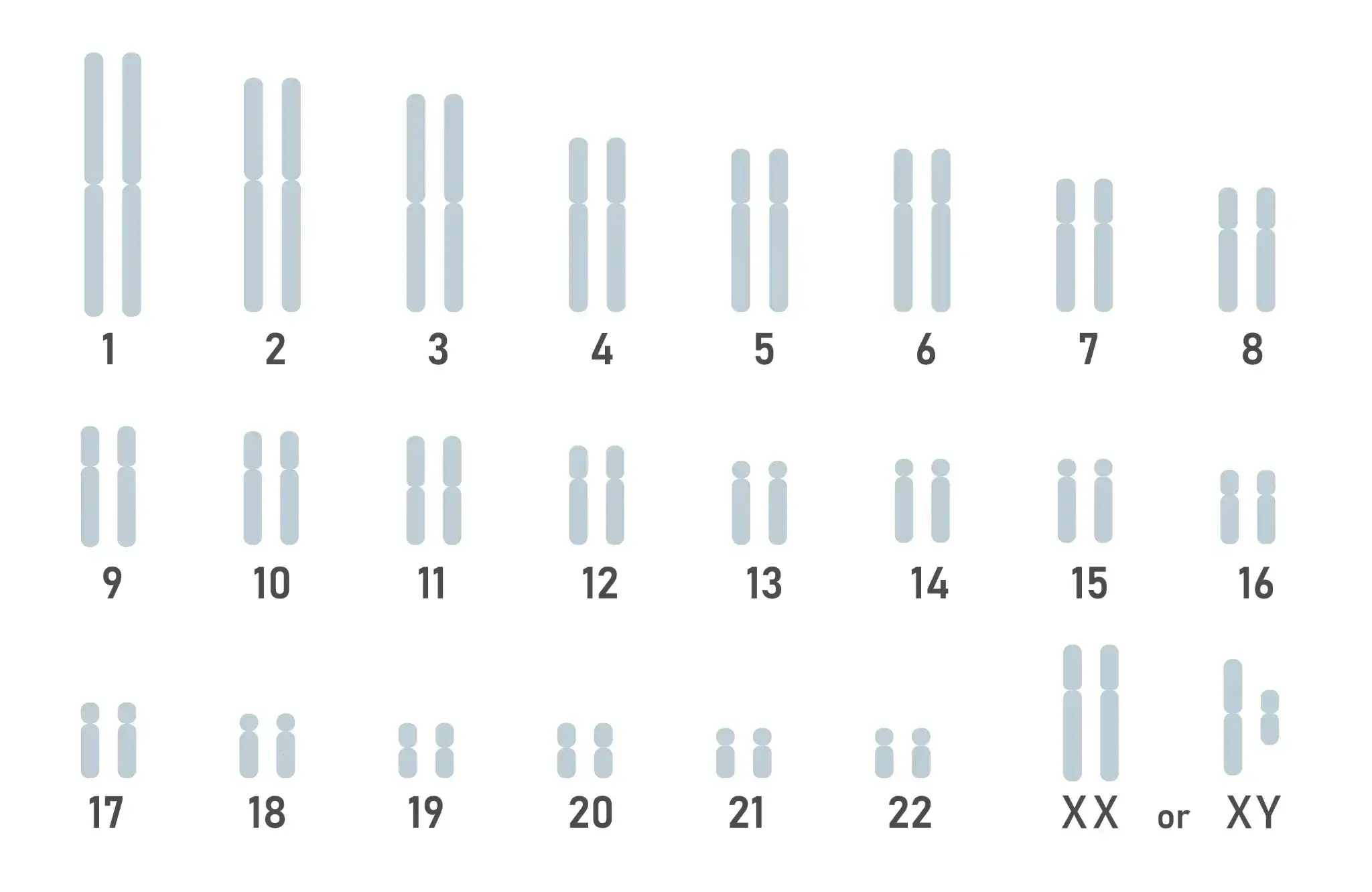
The DNA region investigated this time
Schematic diagram of DNA map present in cells
- ■
- ■
- ■
- ■
- ■
- ■
- ■
- ■
- ■
Related genes
| Related genes | PTPN22 |
|---|
Frequently asked questions (FAQ)
Q1. What is myasthenia gravis?
Myasthenia gravis (MG) is an autoimmune disease in which the immune system attacks acetylcholine receptors, disrupting signal transmission from nerves to muscles.Late-onset myasthenia gravis (LOMG) occurs in people over the age of 50, and the main symptoms are ptosis, double vision, difficulty swallowing, and muscle weakness (1).
Q2. What is the cause of myasthenia gravis?
The main cause isThe immune system produces autoantibodies against acetylcholine receptorsIt is. These autoantibodies inhibit signal transmission at the neuromuscular junction, causing muscle weakness. The type A mutation in the DNA region rs2476601 is also involved as a genetic factor (1).
Q3. Can genetic testing determine the risk of myasthenia gravis?
By examining the genotype of the DNA region rs2476601,Understanding trends in the risk of developing myasthenia gravisYou can. A study at the University of California, Davis found that people with the type A mutation (AA type and AG type) tend to be at higher risk (1).
Q4. What treatments are available for myasthenia gravis?
Cholinesterase inhibitors, immunosuppressants, plasma exchange therapy, intravenous immunoglobulin therapy, thymectomy surgeryare the main treatments. Appropriate treatment can significantly improve quality of life.
References
- Reference link 1: 2016 Mar., Michael F Seldin, Mol Med