
 Kriefstra syndrome
- Kriefstra syndrome type 2 (KLEFS2) is a neurodevelopmental disorder caused by mutations in the KMT2C gene.It is characterized by delayed psychomotor development, intellectual disability, and mild morphological abnormalities.
- T-type mutation in DNA region rs2073333A study by Gudjonsson et al. found that people with
- The T mutation prevalence rate (CT+TT) in Japanese people is53.3%, higher than the world average of 38.3%.
Overview The KMT2C gene encodes an enzyme responsible for methylating a specific site on histone H3, lysine 4 (H3K4me1). This methylation changes chromatin structure and is involved in transcriptional activation and regulation of gene expression. In particular, mutations in the KMT2C gene disrupt normal gene expression in the brain and may affect brain development, as it plays a particularly important role in the cerebellum. KLEFS2 (Kleefstra syndrome type 2) is a neurodevelopmental disorder caused by mutations in the KMT2C gene. This syndrome is characterized by delayed psychomotor development, intellectual disability, and mild dysmorphia. Aberrant chromatin modifications caused by mutations in the KMT2C gene can disrupt the expression of genes required for normal brain development, particularly affecting the development and function of the nervous system. Therefore, mutations in the KMT2C gene are associated with intellectual disabilities, developmental delays, autism spectrum disorders, etc., which may manifest as social and behavioral problems. It has also been suggested that it may be associated with non-syndromic retention of permanent teeth in some patients, but this is not true for all patients. A study by Gudjonsson et al. of the Icelandic Heart Association revealed that the risk of developing Kriefstra syndrome is associated with a DNA region called rs2073333. There are three genotypes in this DNA region: CC, CT, and TT, and it was found that people with the T genotype tend to have a higher risk of Kriefstra syndrome.
What is Kriefstra syndrome?
Kriefstra syndrome type 2 (KLEFS2) is a neurodevelopmental disorder caused by mutations in the KMT2C gene.The main characteristics are delayed psychomotor development, intellectual disability, and mild morphological abnormalities.
Causes and mechanisms of Kriefstra syndrome
The KMT2C gene encodes an enzyme responsible for methylating lysine 4 (H3K4me1), a specific site on histone H3. The mechanism by which mutations in this gene cause disease is as follows.
- Abnormal chromatin modification:KMT2C mutation impairs normal histone methylation and disrupts regulation of gene expression
- Effects on brain development:Decreased function of KMT2C, which plays an important role in the cerebellum, affects the development and function of the nervous system.
- Abnormal transcriptional activation:Changes in chromatin structure inhibit normal gene transcriptional activation
Main symptoms of Kriefstra syndrome
The main clinical symptoms are:
- Delay in psychomotor development(delay in motor/cognitive development)
- intellectual disability(mild to moderate)
- Mild facial abnormality
- autism spectrum disorder(Including social and behavioral problems)
- In some patientsNon-syndromic permanent tooth retentionThere are reports of
Risk factors for Kriefstra syndrome
| risk factors | Details |
|---|---|
| genetic mutation | KMT2C gene mutation (main cause) |
| DNA region | T-type mutation carrier of rs2073333 |
| genetic pattern | Possibility of autosomal dominant inheritance |
The relationship between genes and Kriefstra syndrome
Relationship between DNA region rs2073333 and disease risk
A study by Gudjonsson and colleagues from the Icelandic Heart Association found that the DNA region rs2073333 is associated with the risk of developing Kriefstra syndrome.
- There are three genotypes of rs2073333: CC, CT, and TT.
- Genotype with T-type mutation(CT type/TT type) people tend to have a higher risk of developing the disease.
Genotype distribution in Japanese (rs2073333)
| Genotype | Percentage of Japanese people | percentage of the world |
|---|---|---|
| CC type | 46.6% | 61.6% |
| CT type | 43.3% | 33.7% |
| TT type | 10.0% | 4.6% |
The T mutation prevalence rate (CT+TT) in Japanese people is53.3%This is a high percentage compared to the global average of 38.3%.
Rationale for testing
Superficial DNA region: Kriefstra syndrome
The gene region that most strongly affects Kriefstra syndrome is rs2073333. The distribution of isomorphic genotypes in Japan is as follows.
- CC
46.6 % - CT
43.3 % - TT
10.0 %
Basis for inspection
A study by Gudjonsson and colleagues from the Icelandic Heart Association revealed that the risk of developing Kriefstra syndrome is linked to genes.There is a region called rs2073333 in the human genome, and the gene in that region has two types of mutations, C and T. It turns out that people with the T mutation tend to have an increased risk of Kriefstra syndrome.
The DNA region investigated this time
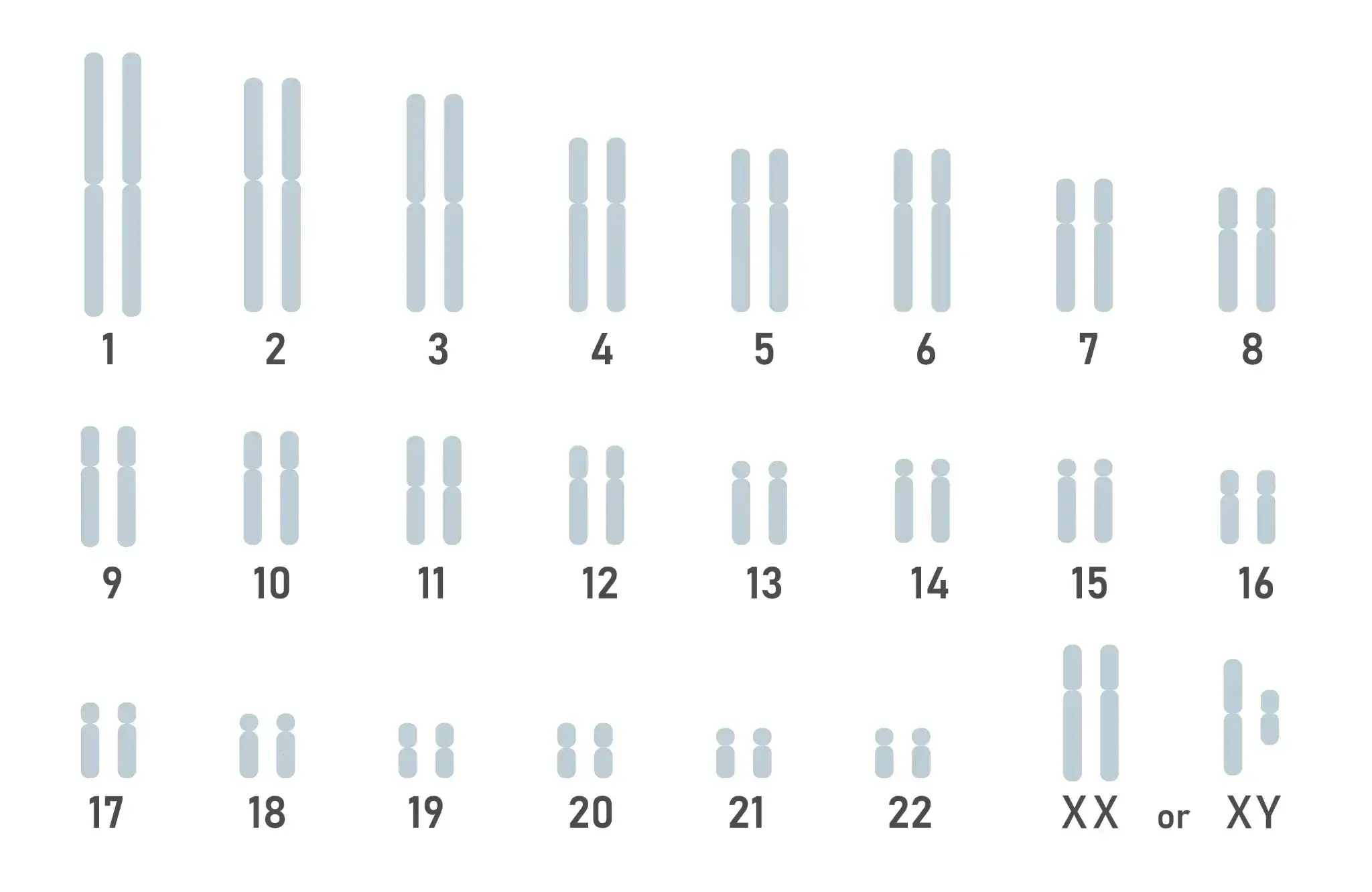
Schematic diagram of DNA map present in cells
- ■
- ■
- ■
- ■
- ■
- ■
- ■
- ■
- ■
Related genes
| Related genes | SERPINA1 |
|---|
Frequently asked questions (FAQ)
Q1. What is Kriefstra syndrome?
Kriefstra syndrome type 2 (KLEFS2) is a neurodevelopmental disorder caused by mutations in the KMT2C gene.The main features are delayed psychomotor development, intellectual disability, and mild dysmorphia.
Q2. What is the cause of Kriefstra syndrome?
It is caused by a mutation in the KMT2C gene.KMT2C is an enzyme responsible for methylating histone H3 lysine 4 (H3K4me1)This mutation disrupts normal chromatin modification and disrupts gene expression required for brain development.
Q3. Can genetic testing determine the risk of Kriefstra syndrome?
By examining the genotype of DNA region rs2073333,Understand the risk trends for Kriefstra syndromeYou can. A study by Gudjonsson et al. found that people with the T mutation genotype tend to be at higher risk.
Q4. What are the main symptoms of Kriefstra syndrome?
The main symptoms areDelayed psychomotor development, intellectual disability, mild facial abnormalitiesIt is. In addition, autism spectrum disorders, social and behavioral problems, and non-syndromic retention of permanent teeth have been reported in some patients.
References
- Reference link 1: 2022 Jan., Alexander Gudjonsson, Nat Commun