
 juvenile hypertension

- Juvenile hypertension is high blood pressure that develops before the age of 50.In Japan, of the approximately 43 million people with high blood pressure, the proportion of young people is increasing.
- TT type/CT type of gene PPARGC1A (DNA region rs8192678)People with this condition tend to have high blood pressure, and approximately 75% of Japanese people have this condition.
- earlyBlood pressure measurement, smoking cessation, proper weight maintenance, exercise habitsTherefore, prevention is possible even if there is a genetic risk.
Overview In Japan, it is estimated that there are approximately 43 million people with high blood pressure, and it is known that approximately one in three Japanese people has high blood pressure. Hypertension itself does not often show symptoms, and when symptoms do occur, it often leads to serious illnesses such as myocardial infarction and stroke, and is also called a silent killer. Therefore, early prevention is important. In particular, young people with high blood pressure have a higher risk of developing high blood pressure as adults, and are said to be at a higher risk than the average young person. In fact, it is known that human DNA influences high blood pressure in young people to some extent. Research at the University of Cambridge in the UK has reported that a specific sequence of the gene "PPARGC1A" has a significant impact on blood pressure in young people. Genetic testing allows you to find out your own genetic type and determine your genetic predisposition to blood pressure. 2. Rationale Previous research conducted in the UK revealed that a specific type of the gene "PPARGC1A" is associated with high blood pressure in young people under 50 years of age. (Reference link 1) The specific region of the gene "PPARGC1A" related to high blood pressure is the DNA region "rs8192678", and there are three genotypes: "CC type", "CT type", and "TT type". The distribution is 32.5% for "CC type", 49.0% for "CT type", and 18.5% for "TT type". (Reference link 2) Among young people under the age of 50, it has been shown that those with the TT genotype tend to have higher blood pressure, and those with the CT genotype tend to have slightly higher blood pressure. People with this genotype account for approximately 70% of young Japanese people, so they may have a negative impression of having high blood pressure. However, it is known that this genotype alone does not determine everything, and that lifestyle habits, including diet, have the greatest influence. High blood pressure in young people is generally thought to be caused by lifestyle factors such as obesity, alcohol consumption, and lack of exercise (with the exception of "secondary hypertension," which is a special form of high blood pressure). Therefore, by scientifically understanding your genetic predisposition to blood pressure, you can take measures to prevent high blood pressure, such as starting to measure your blood pressure from an early stage and paying attention to smoking, obesity, and diet. It is also said that it may be possible to take early measures against other conditions that can cause arteriosclerosis, such as diabetes and lipid abnormalities. It is important to prevent and treat these diseases through lifestyle improvements and appropriate medical treatment. 3. Mechanism of action The gene "PPARGC1A" associated with hypertension in young people is located on chromosome 4 of the 24 human chromosomes, and polymorphisms in the DNA region "rs8192678" within it can affect the production of PGC1α protein, which is involved in the regulation of mitochondrial production and function in skeletal muscle. When the expression level of PGC1α increases, energy metabolism and sugar uptake become more efficient. This means that sugar energy can be used more efficiently in conjunction with endurance. The Genetics Institute of the Faculty of Life Sciences in Israel and medical researchers in Thailand have reported that the gene "PPARGC1A" is associated with improved endurance performance, but as there is little data on endurance performance in Asians, future research is expected. (Reference links 3, 4) The gene "PPARGC1A" is associated with a constitution that is unable to use sugar energy efficiently, and it has been suggested that it is also associated with diseases such as diabetes and obesity. (Reference link 5) High blood pressure in young people is caused by lifestyle habits such as obesity. Because the body cannot use sugar energy efficiently, it tends to store visceral fat and needs to pump more blood. Therefore, it is thought that the gene "PPARGC1A" is associated with hypertension in young people. As mentioned above, the DNA region ``rs8192678'' in the gene ``PPARGC1A'' is associated with the risk of diseases such as hypertension in young people, and is one of the single nucleotide polymorphisms that is attracting attention.
What is juvenile hypertension?
Juvenile hypertension is high blood pressure that develops in young people under the age of 50, and is a condition that puts them at high risk of developing serious diseases such as myocardial infarction and stroke in the future.In Japan, there are approximately 43 million people with high blood pressure, and approximately one in three people has high blood pressure.
Causes and risk factors of juvenile hypertension
The causes of juvenile hypertension can be divided into two categories: lifestyle factors and genetic factors.
- Lifestyle factors:Obesity, alcohol consumption, lack of exercise, excessive salt intake
- Genetic factors:Specific mutations in the gene PPARGC1A (DNA region rs8192678) affect blood pressure
Hypertension is called the "silent killer" because it rarely shows any symptoms; once symptoms appear, it can lead to serious illnesses such as myocardial infarction and stroke. Therefore,Early detection and preventionis important.
Why is juvenile hypertension dangerous?
There are three reasons why juvenile hypertension is dangerous.
- Higher risk of developing full-blown hypertension as an adult than the average young person
- Increased blood pressure over a long period of time damages blood vessels,arteriosclerosispromote
- Combines with other risk factors such as diabetes and dyslipidemia, increasing the risk of cardiovascular disease
Difference between juvenile hypertension and normal hypertension
| Comparison items | juvenile hypertension | normal high blood pressure |
|---|---|---|
| Age of onset | Under 50 years old | Common in people over 50 years old |
| Main cause | Genetic factors + lifestyle habits | Arteriosclerosis due to aging + lifestyle habits |
| genetic influence | PPARGC1A (rs8192678) is strongly involved | Multiple genes involved |
| future risk | High risk of long-term vascular damage | Short-term complication risk |
| The importance of prevention | Big effect with early intervention | Focus on preventing progression |
Relationship between genes and juvenile hypertension
Relationship between DNA region rs8192678 and risk of increased blood pressure
A study by Vimaleswaran et al. (Reference link 1) from the University of Cambridge in the United Kingdom found that the DNA region rs8192678 of the gene PPARGC1A is associated with high blood pressure in young people under 50 years of age.
- rs8192678 hasCC type/CT type/TT typeThere are three genotypes of
- TT typePeople with this genotype tend to have higher blood pressure
- CT typePeople also tend to have slightly higher blood pressure.
- TT type and CT type are at risk.Approximately 75% of Japaneseowned by
Genotype distribution in Japanese (rs8192678)
| Genotype | Percentage of Japanese people | percentage of the world | Effect on blood pressure |
|---|---|---|---|
| CC type | 24.5% | 45.7% | standard |
| CT type | 49.9% | 43.7% | Tendency to have slightly high blood pressure |
| TT type | 25.4% | 10.4% | Tendency to have high blood pressure |
Japanese people are characterized by the fact that the percentage of people with type CC (standard) is 24.5%, which is lower than the world average of 45.7%, and the percentage of type TT (which tends to have high blood pressure) is 25.4%, which is about 2.4 times higher than the world average of 10.4%.
Mechanism of action of gene PPARGC1A
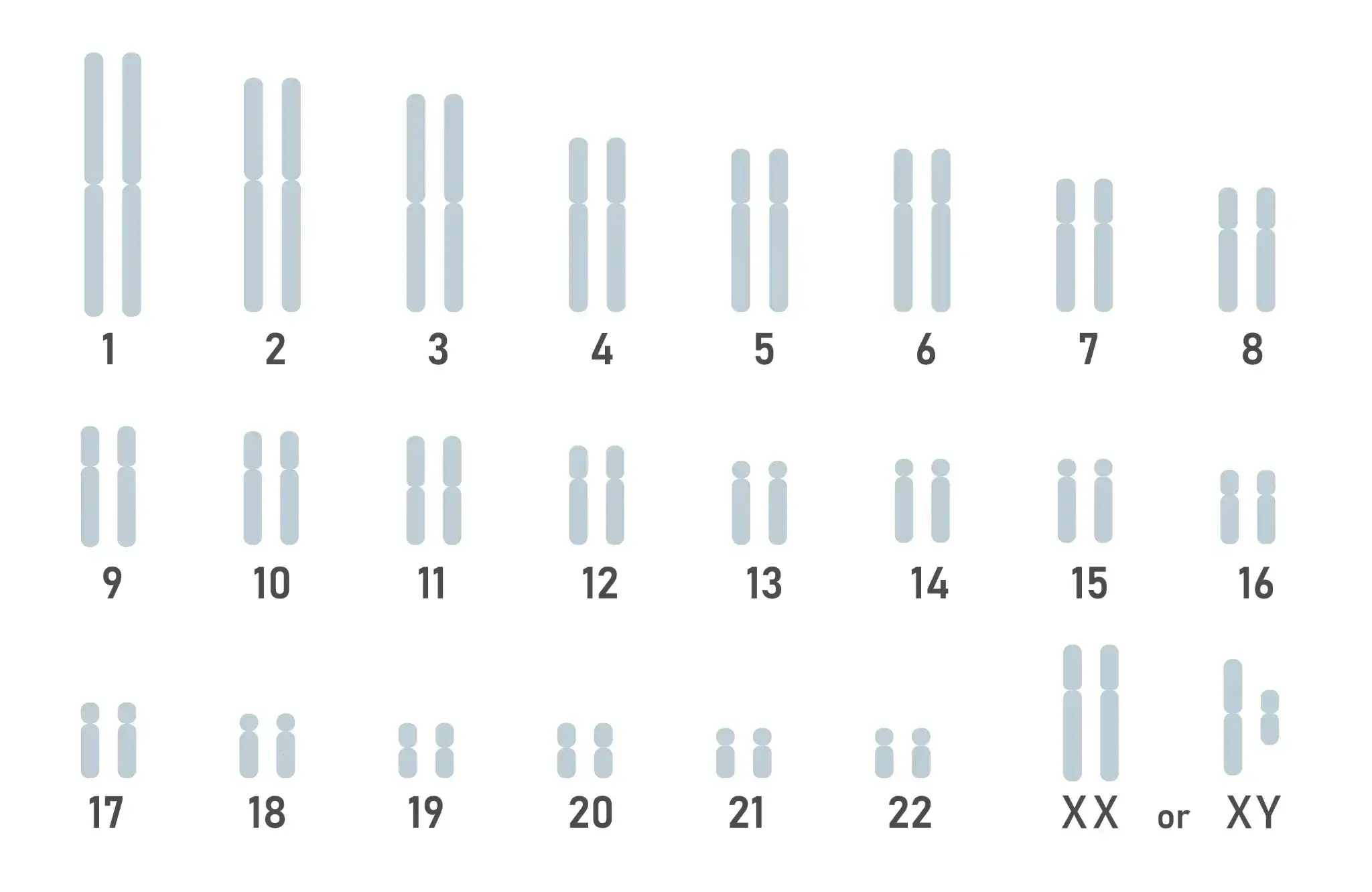
The gene PPARGC1A ischromosome 4It is involved in juvenile hypertension through the following mechanisms.
- Polymorphism in DNA region rs8192678PGC1α proteinaffects the amount of
- PGC1α is involved in the regulation of mitochondrial production and function in skeletal muscle
- The increase in the expression level of PGC1α isImproving the efficiency of energy metabolism and sugar uptakecontribute to
- Decreased function of PGC1α reduces sugar energy utilization efficiency,visceral fat accumulationpromote
- Increased visceral fat requires more blood to be pumped,blood pressure rises
The Institute of Genetics of the Faculty of Life Sciences in Israel and medical researchers in Thailand have reported that the gene PPARGC1A is associated with improved endurance performance (Reference links 3 and 4). This gene is also associated with diseases such as diabetes and obesity (reference link 5).
How to prevent juvenile hypertension
Not everything is determined by genotype alone.Lifestyle habits including diet have the biggest influencegive. The following measures are effective.
- Make blood pressure measurement a habit from an early stage.do
- No smokingthoroughly
- appropriate weightand prevent obesity
- low salt diet(Aim for less than 6g per day)
- regular aerobic exercise(150 minutes or more per week recommended)
- excessivedrinkingrefrain from
By scientifically understanding your genetic predisposition to blood pressure, you can take early measures against arteriosclerosis risk factors such as diabetes and dyslipidemia.
Rationale for testing
Superficial DNA region: Juvenile hypertension
The gene region that most strongly influences juvenile hypertension is rs8192678. The distribution of isomorphic genotypes in Japan is as follows.
- CC
24.5 % - CT
49.9 % - TT
25.4 %
The DNA region investigated this time
Schematic diagram of DNA map present in cells
- ■
- ■
- ■
- ■
- ■
- ■
- ■
- ■
- ■
Related genes
| Related genes | PPARGC1A |
|---|
Frequently asked questions (FAQ)
Q1. What is juvenile hypertension?
Juvenile hypertension is high blood pressure that develops in young people under the age of 50.In Japan, there are approximately 43 million people with high blood pressure, and approximately 1 in 3 people have high blood pressure. Early prevention is important because juvenile hypertension increases the risk of serious diseases such as myocardial infarction and stroke in the future.
Q2. What is the cause of juvenile hypertension?
The main cause isLifestyle habits such as obesity, alcohol consumption, and lack of exerciseIt is. In addition, a specific genotype of the gene PPARGC1A (DNA region rs8192678) is associated with increased blood pressure. Research at the University of Cambridge has revealed that people with the TT and CT genotypes tend to have higher blood pressure (Reference link 1).
Q3. Can genetic testing determine the risk of juvenile hypertension?
By examining the genotype of the DNA region rs8192678,Understand genetic risk of increased blood pressureYou can. People with the TT and CT genotypes tend to have high blood pressure, and approximately 75% of Japanese people have this genotype (Reference link 2).
Q4. What is the relationship between the gene PPARGClA and juvenile hypertension?
The gene PPARGC1A isLocated on chromosome 4 and regulates the production of PGC1α proteinI will. Decreased PGC1α function reduces the efficiency of sugar energy utilization, leading to increased blood pressure through the accumulation of visceral fat (Reference links 3, 4, 5).
Q5. How can juvenile hypertension be prevented?
Not everything is determined by genotype alone.Lifestyle has the biggest influencegive. Effective preventive measures include getting into the habit of measuring blood pressure from an early stage, quitting smoking, maintaining a healthy weight, eating a low-salt diet (less than 6g per day), and regular aerobic exercise (at least 150 minutes per week).
References
- Reference link 1: 2008 May., Karani Santhanakrishnan Vimaleswaran, Journal of applied physiology
- Reference link 2: Information on DNA region “rs 8192678” NIH
- Reference link 3: 2019 Phuntila Tharation, PloS one
- Reference link 4: 2010 Jan., N. Eynon, Scandinavian journal of medicine & science in sports
- Reference link 5: 2019 May., Fei Du, Open Life Sciences