
 ischemic stroke
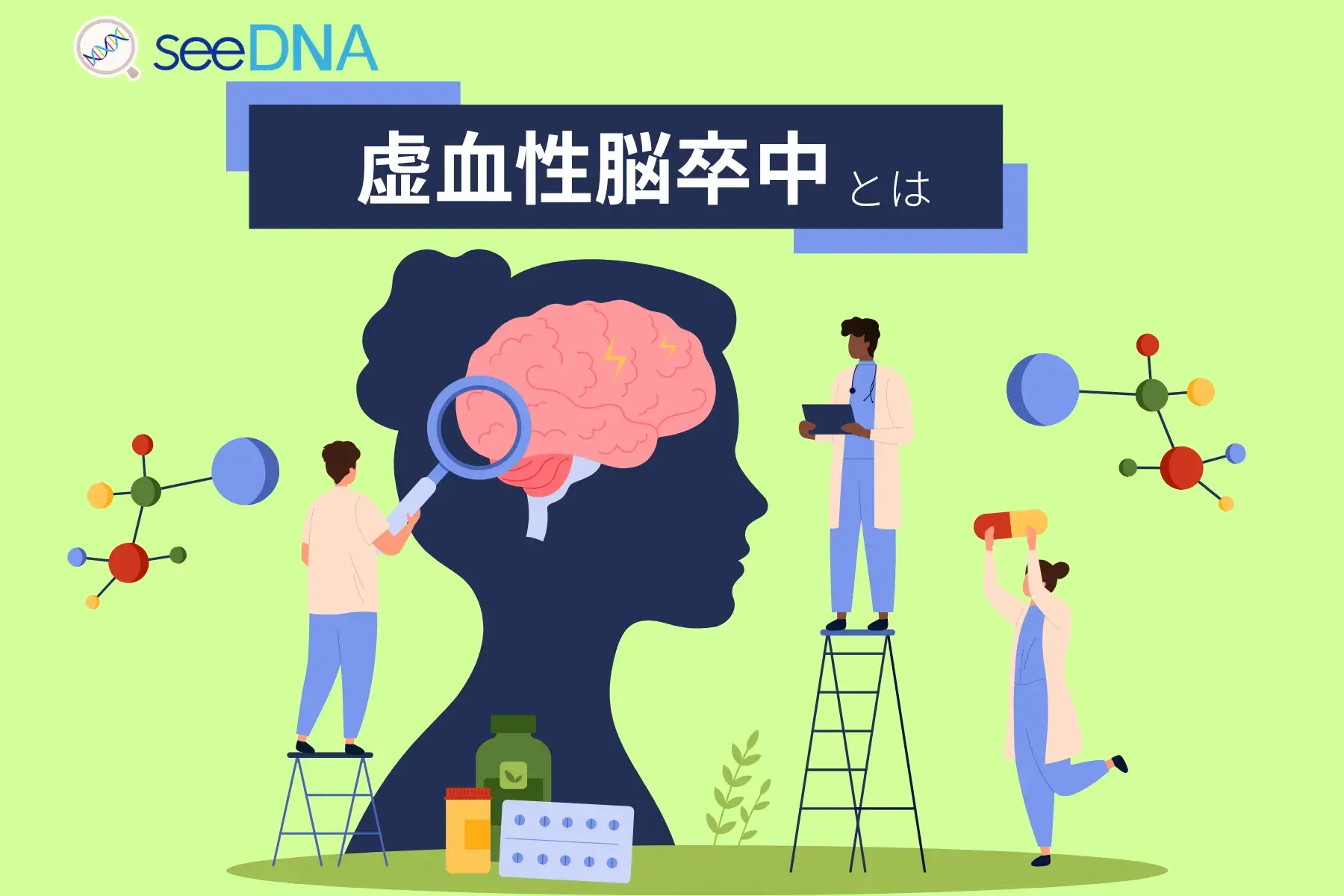
- Ischemic stroke is a disease in which brain cells die due to occlusion of cerebral arteries., accounting for approximately 87% of all strokes.
- T-type mutation in DNA region rs12438353Research shows that people with the disease tend to be at higher risk of developing
- appropriateBlood pressure management/smoking cessation/exercise habitsIt is possible to reduce the risk of onset and prevent recurrence.
Overview Ischemic stroke is a medical condition caused by blockage of the arteries that supply blood to the brain. This blockage reduces the supply of oxygen and nutrients to the brain, causing brain cells in the affected area to die. Symptoms of ischemic stroke vary depending on the part of the brain affected, but typically include sudden weakness or paralysis on one side of the body, confusion or difficulty communicating, blurred vision in one or both eyes, difficulty walking, dizziness, loss of balance, and a sudden, severe headache of unknown origin. The characteristics of a stroke depend on the area and severity of the brain affected. For example, strokes in the left hemisphere can cause language and cognitive impairment, while strokes in the right hemisphere can cause problems with spatial awareness and perception. Depending on the severity of the stroke, the patient may also have long-term disabilities such as paralysis, speech problems, and emotional problems. Ischemic stroke seriously impacts an individual's quality of life and requires comprehensive medical care and rehabilitation. A study by Carty and colleagues at East Carolina University revealed that the risk of ischemic stroke is associated with a DNA region called rs12438353. There are three genotypes in this DNA region: CC, CT, and TT, and it was found that people with the T genotype tend to have a higher risk of ischemic stroke.
What is ischemic stroke?
Ischemic stroke is a disease in which the artery that supplies blood to the brain is blocked by a blood clot or embolus, cutting off the supply of oxygen and nutrients to the brain, causing brain cells to die.It accounts for approximately 87% of all strokes, and approximately 170,000 people develop it annually in Japan.
Causes and mechanisms of ischemic stroke
Ischemic stroke is classified into the following three types depending on the onset mechanism.
- Atherothrombotic cerebral infarction:Atherosclerosis causes blood clots to form in large arteries in the brain.
- Cardiogenic cerebral embolism:Blood clots formed in the heart due to atrial fibrillation etc. block cerebral arteries.
- Lacunar infarction:Small arteries (perforators) in the brain become occluded, forming a small infarct.
The main risk factors are:
- High blood pressure (biggest risk factor, approximately 4 times the risk)
- Atrial fibrillation (approximately 5 times the risk of cardiogenic cerebral embolism)
- Diabetes (approximately 2-3 times the risk)
- Dyslipidemia, smoking, excessive drinking
- Genetic predisposition (family history)
Main symptoms of ischemic stroke
The symptoms aresudden onsetIt is characterized by different brain regions affected.
- Sudden weakness or paralysis on one side of the body (hemiplegia)
- Language disorders (dysarthria/aphasia)
- Vision loss in one or both eyes
- Difficulty walking, dizziness, loss of balance
- Sudden severe headache of unknown cause
Difference between ischemic stroke and hemorrhagic stroke
| Comparison items | ischemic stroke | hemorrhagic stroke |
|---|---|---|
| cause | Cerebral artery occlusion (thrombus/embolism) | Rupture of cerebral blood vessels (bleeding) |
| Percentage of all strokes | Approximately 87% | Approximately 13% |
| Main risk factors | Arteriosclerosis/atrial fibrillation | Hypertension/aneurysm |
| treatment method | tPA administration/thrombectomy | Hemostasis/decompression surgery |
| Onset pattern | Most common at rest and upon waking up | Often occurs when active or excited |
Complications and sequelae of ischemic stroke
If proper treatment is not performed, the following aftereffects may remain.
- motor paralysis(hemiplegia/quadriplegia)
- language disorder(Aphasia/dysarthria)
- Higher brain dysfunction(Attention disorder, memory disorder, executive function disorder)
- dysphagia(Risk of aspiration pneumonia)
How to prevent ischemic stroke
The following lifestyle changes are effective.
- Blood pressure management (target value less than 140/90mmHg)
- Quit smoking (smoking is about twice the risk)
- Moderate exercise (more than 150 minutes of aerobic exercise per week)
- Salt restriction (less than 6g per day)
- Anticoagulant therapy if you have atrial fibrillation
Relationship between genes and ischemic stroke
Relationship between DNA region rs12438353 and onset risk
A study by Carty and colleagues at East Carolina University found that the DNA region rs12438353 is associated with the risk of ischemic stroke.
- There are three genotypes of rs12438353: CC, CT, and TT.
- Genotype with T-type mutationpeople tend to be at higher risk of ischemic stroke
Genotype distribution in Japanese (rs12438353)
| Genotype | Percentage of Japanese people | percentage of the world |
|---|---|---|
| CC type | 23.5% | 45.5% |
| CT type | 49.9% | 43.8% |
| TT type | 26.4% | 10.5% |
The rate of TT type (26.4%) in Japanese people is approximately 2.5 times higher than the world average (10.5%), and they tend to have a genetically high risk of ischemic stroke.
Rationale for testing
Superficial DNA region: ischemic stroke
The gene region that most strongly affects ischemic stroke is rs12438353. The distribution of isomorphic genotypes in Japan is as follows.
- CC
23.5 % - CT
49.9 % - TT
26.4 %
Another gene region involved in ischemic stroke is rs1799801. The distribution of isomorphic genotypes in Japan is as follows
- TT
44.6 % - TC
44.3 % - CC
11.0 %
Another gene region involved in ischemic stroke is rs2200733. The distribution of isomorphic genotypes in Japan is as follows
- CC
27.9 % - CT
49.8 % - TT
22.1 %
Basis for inspection
A study by Carty et al. at East Carolina University revealed that the risk of ischemic stroke is linked to genes. There are two types of mutations in the rs12438353 region, C and T, and people with the T mutation tend to have a higher risk of ischemic stroke.
The DNA region investigated this time
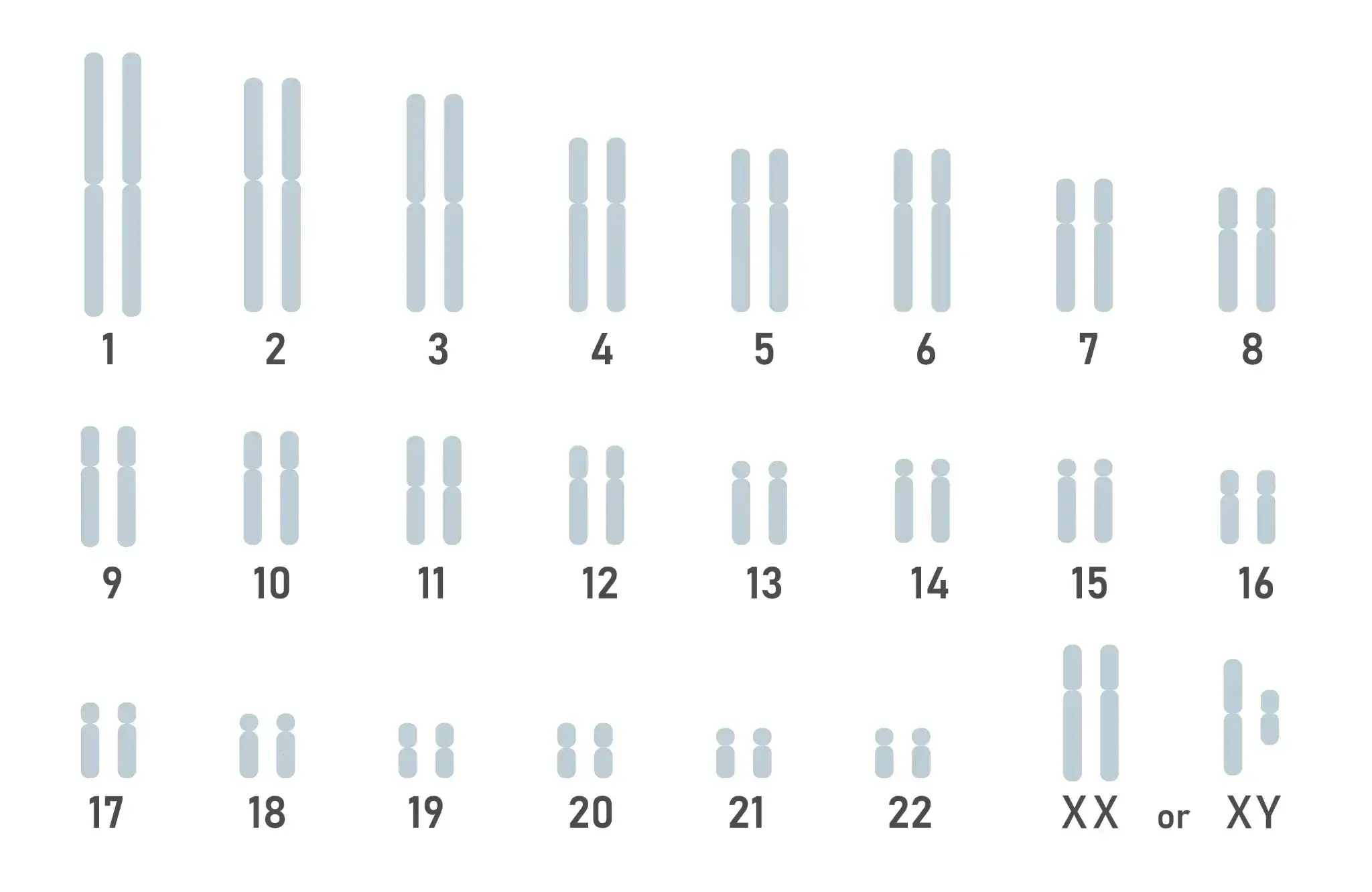
Schematic diagram of DNA map present in cells
- ■
- ■
- ■
- ■
- ■
- ■
- ■
- ■
- ■
Related genes
| Related genes | AGBL1 |
|---|---|
| Related genes | XPF |
| Related genes | PITX2 |
Frequently asked questions (FAQ)
Q1. What is ischemic stroke?
Ischemic stroke is a disease in which the artery that supplies blood to the brain is blocked by a blood clot or embolus, cutting off the supply of oxygen and nutrients to the brain, causing brain cells to die.It accounts for approximately 87% of all strokes, and approximately 170,000 people develop it annually in Japan.
Q2. What is the cause of ischemic stroke?
The main cause isThrombus formation due to arteriosclerosis and embolization due to atrial fibrillationIt is. High blood pressure, diabetes, dyslipidemia, and smoking are major risk factors. Carriers of the T mutation in the DNA region rs12438353 tend to be at higher risk.
Q3. What is the difference between ischemic stroke and hemorrhagic stroke?
ischemic strokeOcclusion of cerebral arteriesaccounts for approximately 87% of all strokes. hemorrhagic strokerupture of cerebral blood vesselsaccounts for approximately 13%. Treatment methods also differ, with tPA administration and thrombectomy for ischemic cases, and hemostasis and decompression surgery for hemorrhagic cases.
Q4. Can genetic testing determine the risk of ischemic stroke?
By examining the genotypes of DNA regions rs12438353, rs1799801, and rs2200733,Understanding trends in the risk of developing ischemic strokeYou can. Studies have found that people with the T mutation genotype tend to be at higher risk.
Q5. How to prevent ischemic stroke?
High blood pressure management (target value less than 140/90 mmHg), smoking cessation, moderate exercise (aerobic exercise of 150 minutes or more per week), salt restriction (less than 6g per day), and treatment of dyslipidemia are effective. Anticoagulation therapy is recommended if atrial fibrillation is present.
References
- Reference link 1: 2015 Aug., Cara L Carty, Stroke
- Reference link 2: 2016 May., Ying Ma, J Mol Neurosci
- Reference link 3: 2008 Oct., Solveig Gretarsdottir, Ann Neurol
- Reference link 4: 2016 Feb., NINDS Stroke Genetics Network (SiGN), Lancet Neurol
- Reference link 5: 2022 Mar., Yao Hu, Stroke