
 iron deficiency anemia
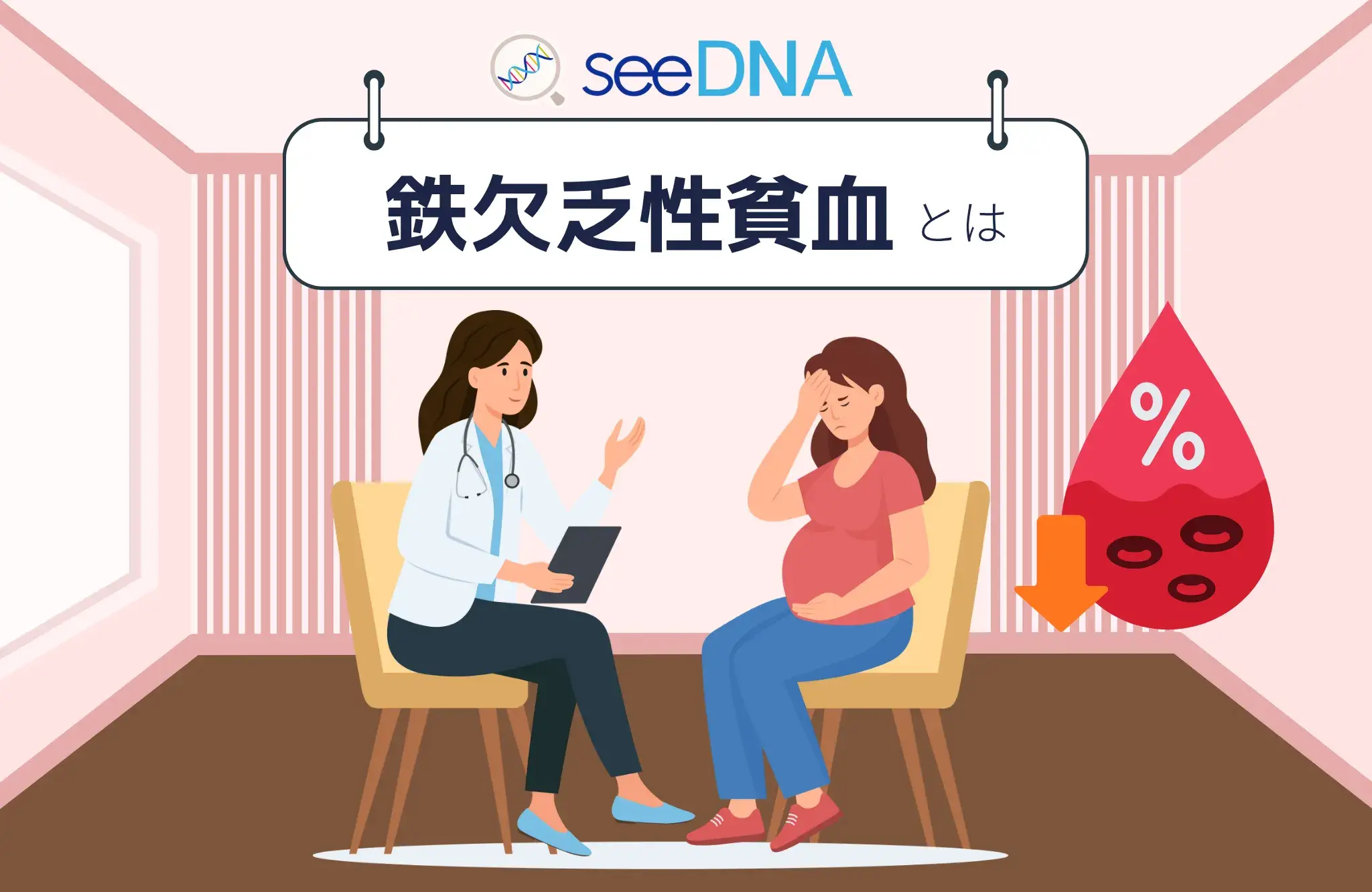
- Iron deficiency anemia is a disease in which hemoglobin decreases due to a lack of iron in the body, reducing oxygen carrying capacity.and accounts for approximately 60-80% of all anemia cases.
- C-type mutation in DNA region rs1171614Research shows that people with the disease tend to be at higher risk of developing
- appropriateIron intake, treatment of causative diseases, regular blood testsPrevention and improvement are possible by
Overview Iron deficiency anemia is caused by a lack of iron in the body, which results in a lack of hemoglobin in the blood. Hemoglobin is an important part of red blood cells that carries oxygen, and when iron is deficient, the body is unable to produce healthy red blood cells, resulting in symptoms of oxygen deficiency. People with iron deficiency anemia have a pale complexion and noticeable discoloration of their inner eyelids and nails due to lack of oxygen due to a decrease in hemoglobin. Symptoms also include fatigue, shortness of breath, dizziness, headache, and in severe cases, palpitations. Diagnosis involves observation under a microscope and blood tests to measure hemoglobin and iron content. Iron deficiency anemia can be seen under a microscope as microcytic anemia (small red blood cells) or hypochromic anemia (pale red blood cells). In the treatment of iron deficiency anemia, it is important to find the cause of iron deficiency and supplement it. It is important to supplement iron through diet and supplements to increase the iron content and amount of hemoglobin in the blood. A study by Chen et al. from the National Heart, Lung, and Blood Institute revealed that the risk of developing iron deficiency anemia is associated with a DNA region called rs1171614. There are three genotypes in this DNA region: TT, TC, and CC, and it was found that people with the C genotype tend to have a higher risk of iron deficiency anemia.
What is iron deficiency anemia?
Iron deficiency anemia is a disease in which the production of hemoglobin decreases due to a lack of iron in the body, which reduces the oxygen carrying capacity of red blood cells.It accounts for approximately 60-80% of all anemia cases and is the most common nutritional deficiency disease affecting approximately 2 billion people worldwide, according to the World Health Organization (WHO).
Causes and mechanisms of iron deficiency anemia
Hemoglobin is present in red blood cells and is responsible for transporting oxygen throughout the body. Iron is a component of hemoglobin, so a lack of iron prevents the body from producing normal red blood cells. There are three main causes:
- Insufficient iron intake:Iron deficiency due to unbalanced eating habits or extreme diets
- Chronic bleeding:Loss of iron due to menorrhagia and gastrointestinal bleeding (stomach ulcers and colon polyps)
- Impaired iron absorption:Reduced absorption capacity due to celiac disease, gastric resection, and Helicobacter pylori infection
The following groups tend to be particularly at risk:
- Women who menstruate (especially if they have menorrhagia)
- Pregnant and lactating women (increased demand for iron)
- Growing infants and adolescents
- Vegetarians (non-heme iron absorption rate is low)
Main symptoms of iron deficiency anemia
The following symptoms appear due to lack of oxygen due to a decrease in hemoglobin.
- pale complexion(The color of the inner eyelids and nail beds also becomes lighter)
- chronicfatigue・Feeling of fatigue
- shortness of breath(especially when exercising)
- dizziness・Headache
- In case of severe illnesspalpitations・Tachycardia
- Spoon nails/Icephagia
How to diagnose iron deficiency anemia
It is diagnosed by the following tests.
- Blood test (measurement of hemoglobin level, serum iron, and ferritin level)
- Microscopic observation of peripheral blood smear (confirmation of microcytic hypochromic anemia)
- Measurement of TIBC (total iron binding capacity)
Difference between microcytic anemia and hypochromic anemia
| Comparison items | microcytic anemia | hypochromic anemia |
|---|---|---|
| definition | Red blood cells are smaller than normal | Pigment (hemoglobin) in red blood cells is weak |
| indicators | MCV (mean corpuscular volume) less than 80 fL | Low MCH (mean corpuscular hemoglobin content) |
| Main cause | Iron deficiency/thalassemia | Iron deficiency/chronic disease |
| Microscopic findings | red blood cells appear small | Central pallor area of red blood cells expands |
Treatment and prevention of iron deficiency anemia
The basics of treatmentIdentifying the cause of iron deficiency and replenishing ironIt is.
- Diet:Consume iron-rich foods such as red meat, liver, spinach, and soy products
- Taking iron supplements:Oral iron supplements (such as iron sulfate) continued for 6 to 12 months
- Concomitant use of vitamin C:Improves the absorption rate of non-heme iron by approximately 2 to 3 times
- Treatment of the causative disease:Treats the root cause of gastrointestinal bleeding and menorrhagia
Relationship between genes and iron deficiency anemia
Relationship between DNA region rs1171614 and onset risk
A study by Chen et al. from the National Heart, Lung, and Blood Institute found that the DNA region rs1171614 is associated with the risk of developing iron deficiency anemia.
- There are three genotypes of rs1171614: TT, TC, and CC.
- Genotype with type C mutationpeople tend to be at higher risk of iron deficiency anemia
Genotype distribution in Japanese (rs1171614)
| Genotype | Percentage of Japanese people | percentage of the world |
|---|---|---|
| TT type | 0.1%以下 | 4.8% |
| TC type | 0.1%以下 | 34.3% |
| CC type | 99.9% | 60.8% |
Rationale for testing
Superficial DNA region: iron deficiency anemia
The gene region that most strongly affects iron deficiency anemia is rs1171614. The distribution of isomorphic genotypes in Japan is as follows.
- TT
0.1%以下 - TC
0.1%以下 - CC
99.9 %
Another gene region involved in iron deficiency anemia is rs2836883. The distribution of isomorphic genotypes in Japan is as follows
- GG
69.9 % - GA
27.3 % - AA
2.6 %
Another gene region involved in iron deficiency anemia is rs738409. The distribution of isomorphic genotypes in Japan is as follows
- CC
33.2 % - CG
48.8 % - GG
17.8 %
Another gene region involved in iron deficiency anemia is rs77542162. The distribution of isomorphic genotypes in Japan is as follows
- AA
99.9 % - AG
0.1%以下 - GG
0.1%以下
Basis for inspection
A study by Chen et al. from the National Heart, Lung, and Blood Institute revealed that the risk of developing iron deficiency anemia is related to genes. There are two types of mutations in the rs1171614 region, T and C, and people with type C mutations tend to have a higher risk of iron deficiency anemia (1).
The DNA region investigated this time
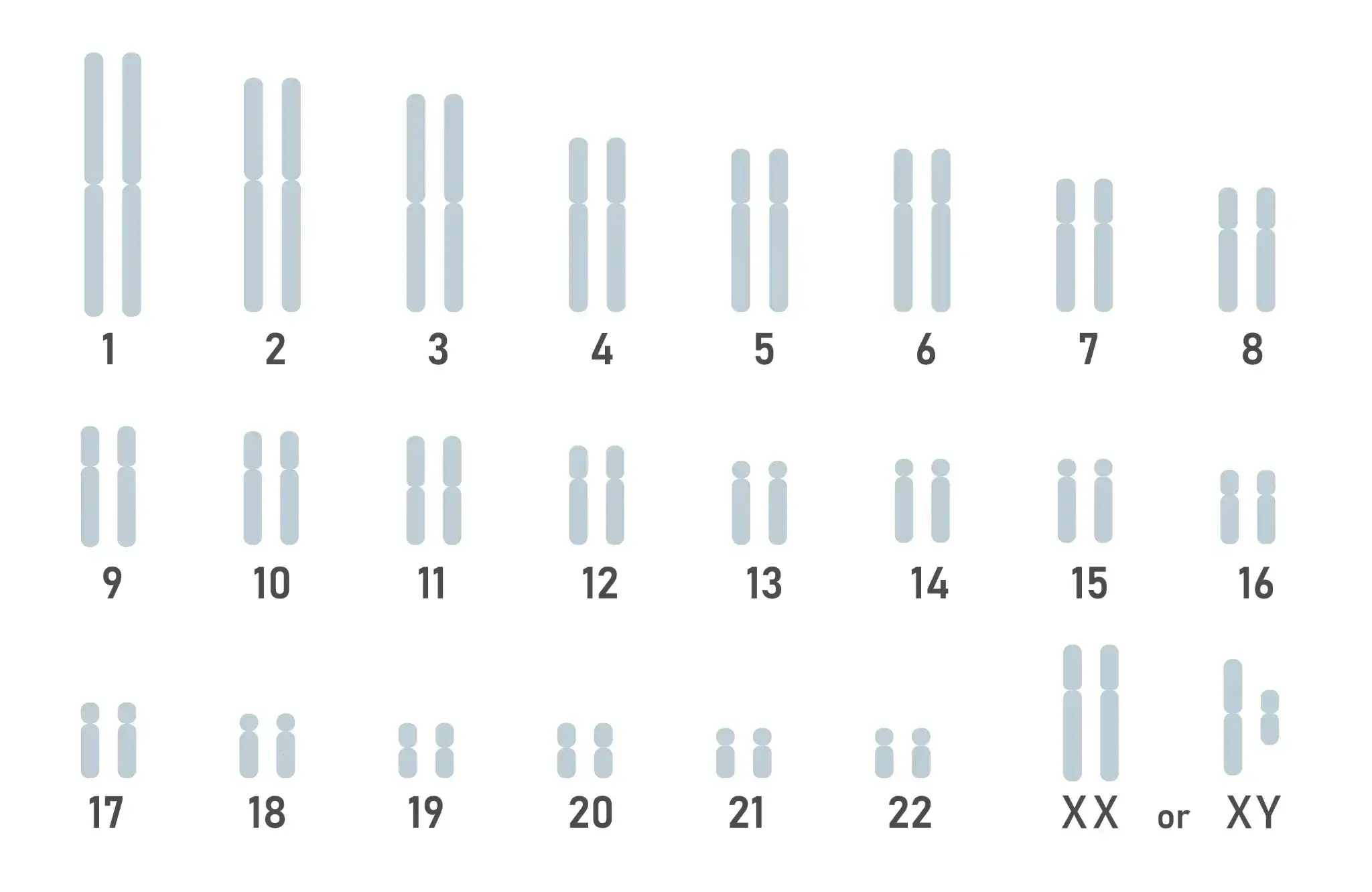
Schematic diagram of DNA map present in cells
- ■
- ■
- ■
- ■
- ■
- ■
- ■
- ■
- ■
Related genes
| Related genes | SLC16A9 |
|---|---|
| Related genes | LINC02940 |
| Related genes | PNPLA3 |
| Related genes | ABCA6 |
Frequently asked questions (FAQ)
Q1. What is iron deficiency anemia?
Iron deficiency anemia is a disease in which the production of hemoglobin decreases due to a lack of iron in the body, which reduces the oxygen carrying capacity of red blood cells.It accounts for approximately 60-80% of all anemia cases, and the incidence tends to be particularly high in women and growing children (1).
Q2. What is the main cause of iron deficiency anemia?
The main cause isInsufficient iron intake, chronic bleeding (menorrhagia/gastrointestinal bleeding), iron absorption disorderThere are three. Carriers of the type C mutation in the DNA region rs1171614 tend to be at increased genetic risk (1).
Q3. What are the symptoms of iron deficiency anemia?
Pale complexion, fatigue, shortness of breath, dizziness, headache, palpitationsis a typical symptom. In severe cases, spoon-shaped nails or ice eating disorder, where the nails become spoon-shaped, may appear.
Q4. Can genetic testing determine the risk of iron deficiency anemia?
By examining the genotype of the DNA region rs1171614,Understand the risk trend of developing iron deficiency anemiaYou can. Studies have shown that people with the C genotype tend to be at increased risk (1).
Q5. How to prevent iron deficiency anemia?
Intake of foods containing iron (red meat, liver, spinach, soy products), improving absorption rate by combining with vitamin C, and regular blood tests are effective preventive measures. Taking iron supplements is also recommended if needed.
References
- Reference link 1: 2020 Sep., Ming-Huei Chen, Cell
- Reference link 2: 2020 Sep., Dragana Vuckovic, Cell