
 intestinal health

- The health of the intestinal environment is closely related to the abundance of bifidobacteria.and has a direct impact on digestive function, immunity, and nutrient absorption.
- Type A mutation in DNA region rs7570971Study finds that people with the disease tend to have better gut health
- Dietary fiber/probioticsA diet containing Bifidobacterium and intake of Bifidobacterium supplements are effective in improving the intestinal environment.
Overview The abundance of bifidobacteria in the gut microbiota suggests that they have many beneficial effects on gut health. Bifidobacteria are among the beneficial bacteria found in the human gastrointestinal tract and play an important role in maintaining and promoting the health of the digestive system. These bacteria are known for their ability to break down dietary fiber into short-chain fatty acids (SCFAs) that cannot be digested by enzymes in the body. Butyrate in particular is the main energy source for colonocytes, has anti-inflammatory properties, and contributes to the integrity of the intestinal barrier. Abundance of bifidobacteria reduces the risk of infections and intestinal flora imbalance (dysbiosis) by limiting the space and nutrients available to pathogenic bacteria. Dysbiosis is associated with gastrointestinal diseases such as irritable bowel syndrome (IBS), inflammatory bowel disease (IBD), and colorectal cancer. Additionally, Bifidobacteria are involved in the synthesis of essential vitamins such as B and K vitamins, support intestinal health, and boost the body's immune response. Therefore, being rich in Bifidobacteria is associated with strong gut health through efficient digestion and absorption of nutrients, reduced inflammation, and strengthened immune defenses against pathogens. Intestinal health is also important for overall health, and proper diet and supplement intake are important to foster a bifidobacterium-rich intestinal flora. A study by Hughes et al. from the University of Bristol revealed that gut health is associated with a DNA region called rs7570971. There are three genotypes in this DNA region: CC, CA, and AA, and it was found that people with the A genotype tend to have a positive effect on intestinal health.
What is intestinal health?
A healthy intestinal environment refers to a state in which the intestinal microbiota (intestinal flora) is rich in beneficial bacteria such as Bifidobacteria and the digestive system is functioning optimally.Bifidobacterium is one of the beneficial bacteria present in the human gastrointestinal tract and plays an important role in maintaining and promoting the health of the digestive system.
Why bifidobacteria are good for intestinal health
Bifidobacteria produce dietary fiber that cannot be digested by enzymes in the body.short chain fatty acids (SCFA)It has the ability to break down into In particular, butyric acid performs three functions:
- Main energy source for colon cells:Provides energy directly to cells in the large intestine
- Anti-inflammatory effect:Suppresses inflammatory reactions in the intestinal tract
- Maintaining intestinal barrier function:Protects intestinal wall integrity
Effects brought about by abundance of bifidobacteria
The abundance of bifidobacteria limits the space and nutrients available to pathogens, leading to infections andDysbiosis (imbalance of intestinal flora)The risk of
Disturbed intestinal environment (dysbiosis) and related diseases
| Related diseases | Overview |
|---|---|
| Irritable bowel syndrome (IBS) | Functional gastrointestinal disorder with repeated abdominal pain, diarrhea, and constipation |
| Inflammatory bowel disease (IBD) | Chronic inflammatory diseases such as Crohn's disease and ulcerative colitis |
| colorectal cancer | Imbalance of intestinal flora is involved in the risk of developing the disease |
Bifidobacterium vitamin synthesis and immune enhancement
Bifidobacterium isB and K vitaminsIt is also involved in the synthesis of essential vitamins such as This supports gut health and strengthens the body's immune response. Strong gut health is maintained through efficient digestion and nutrient absorption, reduced inflammation, and strengthened immune defenses against pathogens.
How to improve your intestinal environment
Gut health is important for your overall health. The following measures are effective in cultivating intestinal flora rich in bifidobacteria.
- Dietary fiber intake:Actively intake vegetables, fruits, and whole grains
- Probiotic foods:Daily intake of fermented foods such as yogurt, miso, and kimchi
- Prebiotics:Ingestion of ingredients that serve as nutritional sources for bifidobacteria, such as oligosaccharides and inulin
- Supplements:Utilizing Bifidobacteria supplements
The relationship between genes and intestinal health
Relationship between DNA region rs7570971 and intestinal health
A study by Hughes et al. at the University of Bristol (1) revealed that the DNA region rs7570971 is associated with intestinal health.
- There are three genotypes of rs7570971: CC, CA, and AA.
- Genotype with type A mutationPeople who are more likely to have a positive impact on their gut health
Genotype distribution in Japanese (rs7570971)
| Genotype | Percentage of Japanese people | percentage of the world |
|---|---|---|
| CC type | 0.1%以下 | 27.4% |
| CA type | 0.1%以下 | 49.8% |
| AA type | 99.9% | 22.6% |
99.9% of Japanese people have type AA, which is characterized by a high proportion of people with the genotype that is good for intestinal health.
Rationale for testing
Surface DNA region: intestinal health
The gene region that most strongly influences the health of the intestinal environment is rs7570971. The distribution of isomorphic genotypes in Japan is as follows.
- CC
0.1%以下 - CA
0.1%以下 - AA
99.9 %
Another gene region related to the health of the intestinal environment is rs182549. The distribution of isomorphic genotypes in Japan is as follows
- CC
99.9 % - CT
0.1%以下 - TT
0.1%以下
Basis for inspection
Research by Hughes and colleagues at the University of Bristol has revealed that gut health is linked to genes. There is a region called rs7570971 in the human genome, and there are two types of mutations, C and A, in the gene in this region. It has been found that people with the type A mutation tend to have better gut health (1).
The DNA region investigated this time
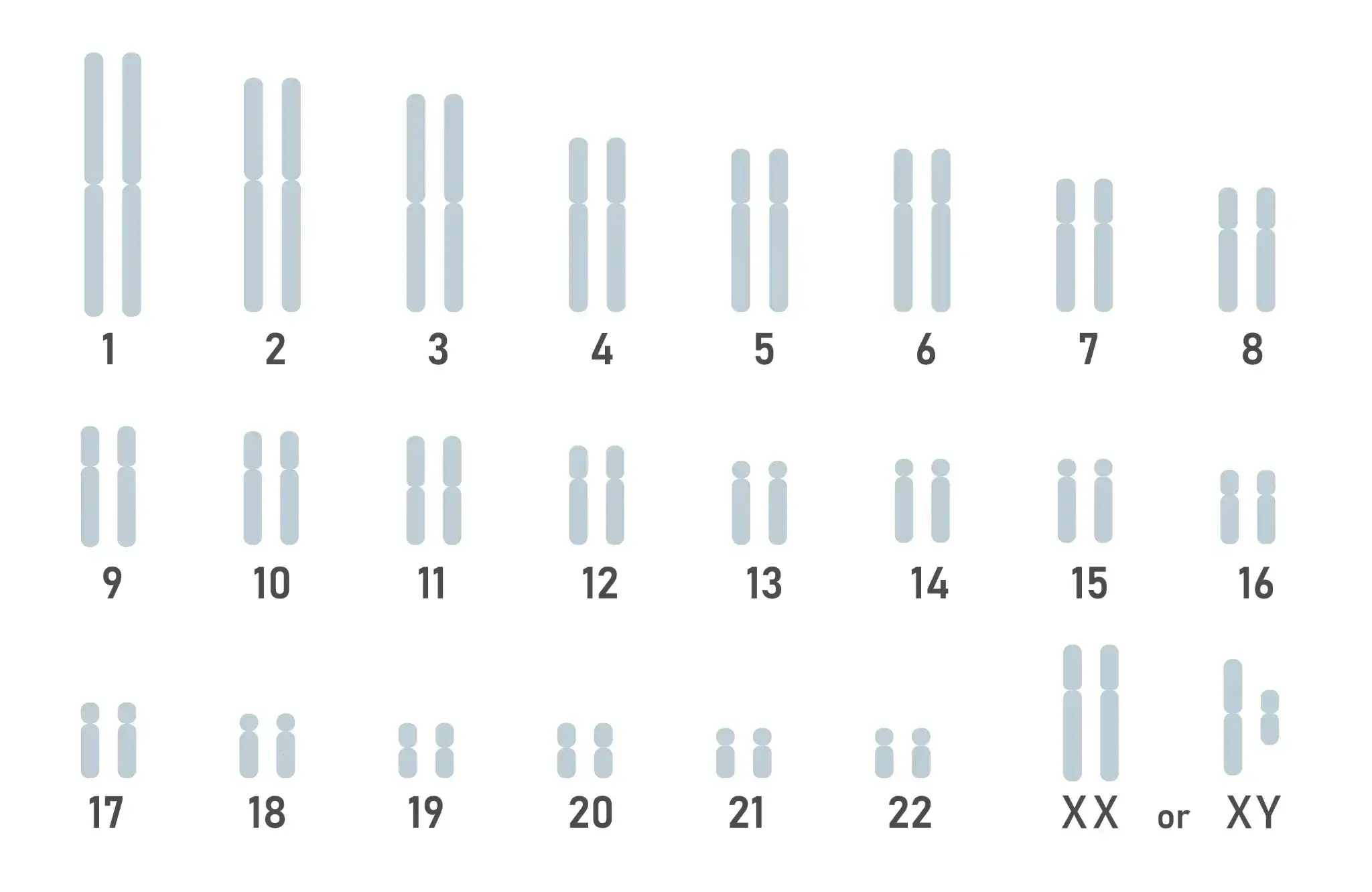
Schematic diagram of DNA map present in cells
- ■
- ■
- ■
- ■
- ■
- ■
- ■
- ■
- ■
Related genes
| Related genes | RAB3GAP1 |
|---|---|
| Related genes | MCM6 |
Frequently asked questions (FAQ)
Q1. What is intestinal health?
A healthy intestinal environment is a state in which the intestinal microbiome (intestinal flora) is rich in beneficial bacteria such as Bifidobacteria and the digestive system is functioning optimally.Bifidobacteria break down dietary fiber into short-chain fatty acids, which help protect the intestinal wall, strengthen the immune response, and synthesize essential vitamins.
Q2. Why are bifidobacteria good for intestinal health?
Bifidobacterium provides dietary fibershort chain fatty acids (SCFA)It is broken down into In particular, butyrate serves as the main energy source for colonocytes and contributes to anti-inflammatory effects and maintenance of intestinal barrier function. It also competitively suppresses the growth of pathogenic bacteria,B and K vitaminsIt is also involved in the synthesis of (1).
Q3. What is the relationship between the intestinal environment and genes?
According to research by Hughes et al. at the University of Bristol (1),DNA region rs7570971was found to be associated with gut health. People with the genotype A tend to have better gut health. 99.9% of Japanese people have type AA.
Q4. What can I do to improve my intestinal environment?
Intake of foods rich in dietary fiber (vegetables, fruits, whole grains),probiotic foodsActive intake of (yogurt/fermented foods), stress management, and sufficient sleep are effective. The use of bifidobacteria supplements is also effective in improving the intestinal environment.
References
- Reference link 1: 2020 Sep., David A Hughes, Nat Microbiol
- Reference link 2: 2021 Feb., Alexander Kurilshikov, Nat Genet