
 intelligence

- Intelligence is a complex cognitive characteristic formed by both genetic and environmental factors.and involves the DNA region rs11126331
- T-type mutation of rs11126331A study by Savage et al. found that people with
- Although predictions using PRS are possible to a certain extent,Education, socio-economic status, and cultural influencesEnvironmental factors such as
Overview Some studies have shown that genetic factors influence cognitive ability. It is also possible to some extent to predict intelligence using the Polygenic Risk Score (PRS). However, there are some problems with using PRS to predict intelligence. First, PRS has limited predictive power and can only explain part of intelligence. Environmental factors such as education, socio-economic status, and cultural influences also significantly influence an individual's cognitive development and intelligence test results. Furthermore, the concept of intelligence itself is complex and multifaceted, and there is ongoing debate about how to accurately define and measure it. Different intelligence tests assess different aspects of cognitive ability and therefore have different validity and reliability. The potential for misuse of intelligence-related PRSs also needs to be considered. This information could be used to discriminate against individuals or groups based on their genetic profiles, raising ethical and social issues. Taken together, PRS provides a clue to understanding genetic influences on intelligence, but its predictive power is limited and must be interpreted with caution. Intelligence is a complex trait shaped by both genetic and environmental factors, and it is important to be aware of the risks of abuse and discrimination when using PRS. Research by Savage et al. at Vrije Universiteit Amsterdam revealed that intelligence is associated with a DNA region called rs11126331. There are three genotypes in this DNA region: TT, TC, and CC, and it has been found that people with the T genotype tend to be highly intelligent.
What is intelligence?
Intelligence is a general term for multifaceted cognitive abilities, including learning ability, problem-solving ability, logical thinking ability, etc.Studies have shown that genetic factors influence cognitive ability.
What factors affect intelligence?
Intelligence is not determined by a single factor;Genetic and environmental factorsboth act in combination.
- Genetic factors:Prediction is possible to a certain extent using polygenic risk score (PRS)
- Environmental factors:Education, socio-economic status, and cultural influences significantly influence cognitive development
Challenges in measuring intelligence
The concept of intelligence itself is complex and multifaceted, and debate continues over its precise definition and measurement.
- Different intelligence tests areDifferent aspects of cognitive abilityrate
- for each testvalidity and reliabilityare different
- PRS has limited predictive power and can only explain part of intelligence.
Comparison of genetic and environmental factors
| Comparison items | genetic factors | environmental factors |
|---|---|---|
| Type of impact | Predisposition to cognitive ability by DNA sequence | Education, culture, and socio-economic status |
| Prediction method | Polygenic Risk Score (PRS) | Environmental evaluation/educational history |
| Prediction accuracy | Limited (only part of intelligence can be explained) | Highly correlated with educational level |
| changeability | Unchangeable (congenital) | Changeable (acquired) |
Points to note when using PRS
Ethical considerations are required when using PRS related to intelligence.
- Based on genetic profilerisk of discriminationThere is
- The predictive power of PRS is limited;careful interpretationis required
- Intelligence is a combination of genetics and environmentcomplex interactionsformed by
The relationship between genes and intelligence
Relationship between DNA region rs11126331 and intelligence
A study by Savage et al. at Vrije Universiteit Amsterdam found that the DNA region rs11126331 is associated with intelligence.
- There are three genotypes of rs11126331: TT, TC, and CC.
- Genotype with T-type mutationpeople tend to be more intelligent
Genotype distribution in the Japanese and the world (rs11126331)
| Genotype | Percentage of Japanese people | percentage of the world |
|---|---|---|
| TT type | 9.1% | 35.7% |
| TC type | 42.2% | 48.0% |
| CC type | 48.5% | 16.1% |
Relationship between DNA region rs1389993 and intelligence
rs1389993 has also been identified as a genetic region related to intelligence.
Genotype distribution in Japanese and the world (rs1389993)
| Genotype | Percentage of Japanese people | percentage of the world |
|---|---|---|
| GG type | 45.3% | 34.7% |
| GC type | 44.0% | 48.3% |
| CC type | 10.6% | 16.8% |
Rationale for testing
External DNA domain: intelligence
The gene region that most strongly influences intelligence is rs11126331. The distribution of isomorphic genotypes in Japan is as follows.
- TT
9.1 % - TC
42.2 % - CC
48.5 %
Another gene region related to intelligence is rs1389993. The distribution of isomorphic genotypes in Japan is as follows
- GG
45.3 % - GC
44.0 % - CC
10.6 %
Basis for inspection
Research by Savage et al. at Vrije Universiteit Amsterdam has revealed that intelligence is linked to genes. There is a region called rs11126331 in the human genome, and there are two types of mutations, T and C, in the gene in this region. It turns out that people with the T-type mutation tend to be more intelligent.
The DNA region investigated this time
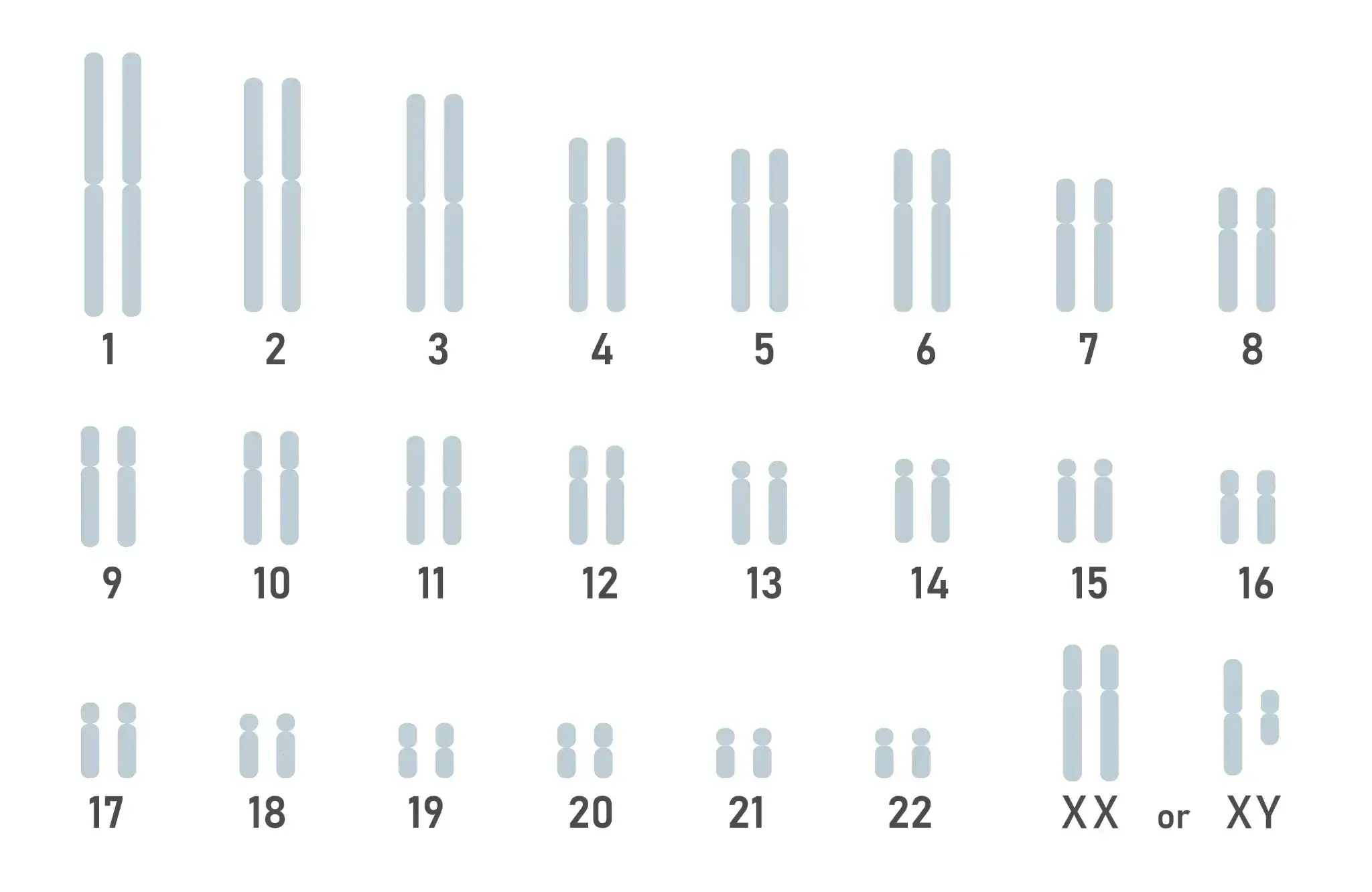
Schematic diagram of DNA map present in cells
- ■
- ■
- ■
- ■
- ■
- ■
- ■
- ■
- ■
Related genes
| Related genes | ZNF638 |
|---|---|
| Related genes | BTG3-AS1 |
Frequently asked questions (FAQ)
Q1. What is intelligence?
Intelligence is a general term for multifaceted cognitive abilities, including learning ability, problem-solving ability, logical thinking ability, etc.Multiple studies have shown that genetic factors influence cognitive ability, and polygenic risk scores (PRS) can also be used to predict to some extent.
Q2. What genes affect intelligence?
According to a study by Savage et al. of Vrije Universiteit Amsterdam,DNA region rs11126331 is associated with intelligenceIt turns out that. People with the T mutation in this region tend to be highly intelligent. rs1389993 has also been identified as a gene region related to intelligence.
Q3. Is intelligence determined by genetics?
intelligence isNot only genetic factors but also environmental factors are greatly involvedI will. Education, socio-economic status, and cultural influences influence cognitive development and intelligence test results. PRS has limited predictive power and can only explain part of intelligence.
Q4. Can intelligence trends be determined through genetic testing?
By examining the genotype of DNA regions rs11126331 and rs1389993,Understanding genetic tendencies related to intelligenceYou can. However, the predictive power of PRS is limited and results should be interpreted with caution.
References
- Reference link 1: 2018 Jul., Jeanne E Savage, Nat Genet
- Reference link 2: 2019 Feb., W D Hill, Mol Psychiatry