
 Ease of injury

- Injury susceptibility is closely related to muscle flexibility caused by the ESR1 gene (rs2234693)However, there are individual differences depending on genotype.
- CC type people have softer muscles and are less likely to get injured.On the other hand, TT types have stiff muscles and a high risk of injury.
- Regardless of genotype,Appropriate stretching and warm-upInjuries can be prevented by
Overview Strains are one of the most common muscle injuries that occur in sports, and are caused by tearing or tearing of muscle fibers. A risk factor for muscle strain is low muscle flexibility. It is believed that if the muscles are stiff, they will not be able to absorb the impact well and the damage will be greater. In fact, it is known that human DNA influences muscle flexibility to a certain extent. A study conducted by Japan's Juntendo University Graduate School of Sports and Health Sciences has reported that a specific type of gene called ESR1 has a significant impact on human muscle flexibility. Why not check your genetic tendency for muscle flexibility by finding out your own genetic type with a genetic test? Rationale Research at Juntendo University in Japan has revealed that muscle flexibility varies depending on the specific type of ESR1 gene. (Reference link 1) The specific region in this gene is called "rs2234693" and is composed of three genotypes. Of these, people with the CC type tend to have softer muscles, while people with the CT type tend to have softer muscles. Regarding the proportion of genotypes in Japanese people, the CT type is the most common at 48.7%, the TT type at 33.6%, and the CC type the least at 17.7%. (Reference link 2) People with the CC or CT type have softer muscles, so they may be less likely to get injured, but people with the TT type tend to have stiffer muscles, so they are often thought to be more prone to injuries. However, even if you have flexible muscles, you can get injured if you neglect warm-up exercises, so if you take precautions in advance, you can easily prevent injuries. Therefore, by knowing the flexibility of your muscles, you can consider the type and duration of stretching and training, and consider individual injury prevention methods. This may reduce the risk of muscle injury and allow you to exercise safely. Mechanism of action The ESR1 (estrogen receptor 1) gene is one of the genes related to muscle flexibility and is located on chromosome 6 of the 24 human chromosomes. This gene is expressed not only in the female uterus and ovaries, but also widely in muscle tissue. It is known that one of the reasons why muscles lose flexibility is that a large amount of collagen-derived tissue is synthesized, but estrogen that binds to ESR1 has the effect of suppressing collagen synthesis. Furthermore, estrogen has been suggested to have protective effects on muscles, including anti-inflammatory and antioxidant effects. In fact, the Applied Physiology Laboratory at the University of North Carolina has reported that high concentrations of estrogen inhibit creatine kinase, an enzyme that increases when muscles break down, which is observed after aerobic exercise. (Reference link 3) As mentioned above, "rs2234693" is one of the SNPs that is attracting attention as it is related to talents such as muscle flexibility.
What is susceptibility to injury?
Injury susceptibility is an individual's propensity for injury risk determined by muscle flexibility and genotype.Strains are the most common muscle injury in sports and are caused by tearing or breaking of muscle fibers.
Why does muscle flexibility affect injury?
If your muscles are stiff, they will not be able to absorb enough shock during exercise, increasing the load on your muscle fibers. According to a survey by Juntendo University Graduate School of Sports and Health Sciences,rs2234693 region of ESR1 genehas been reported to affect muscle flexibility (Reference link 1).
Relationship between genotype and muscle flexibility
rs2234693 hasThree genotypes: TT, TC, and CCexist, with the following differences in flexibility:
| Genotype | muscle flexibility | risk of injury | Percentage of Japanese people |
|---|---|---|---|
| CC type | soft | low | 17.8% |
| TC type | Slightly soft | somewhat low | 48.8% |
| TT type | hard tendency | expensive | 33.2% |
In Japanese people, TC type48.8%The TT type is the most common33.2%, CC type is17.8%(Reference link 2).
Specific measures to prevent injuries
People with CC or TC types tend to have softer muscles and a lower risk of injury.If you neglect warm-up exercises, your risk of injury increases regardless of your genotype.
- Warm up before exercise:Increases muscle temperature and temporarily improves flexibility
- Make stretching a habit:Daily care that combines static and dynamic stretching
- Individual training design:Intensity and time adjustment of flexibility training based on genotype
By understanding muscle flexibility, you can optimize the type and duration of stretching and training, and design individualized injury prevention measures.
The relationship between genes and injury susceptibility
What is the mechanism of action of the ESR1 gene?
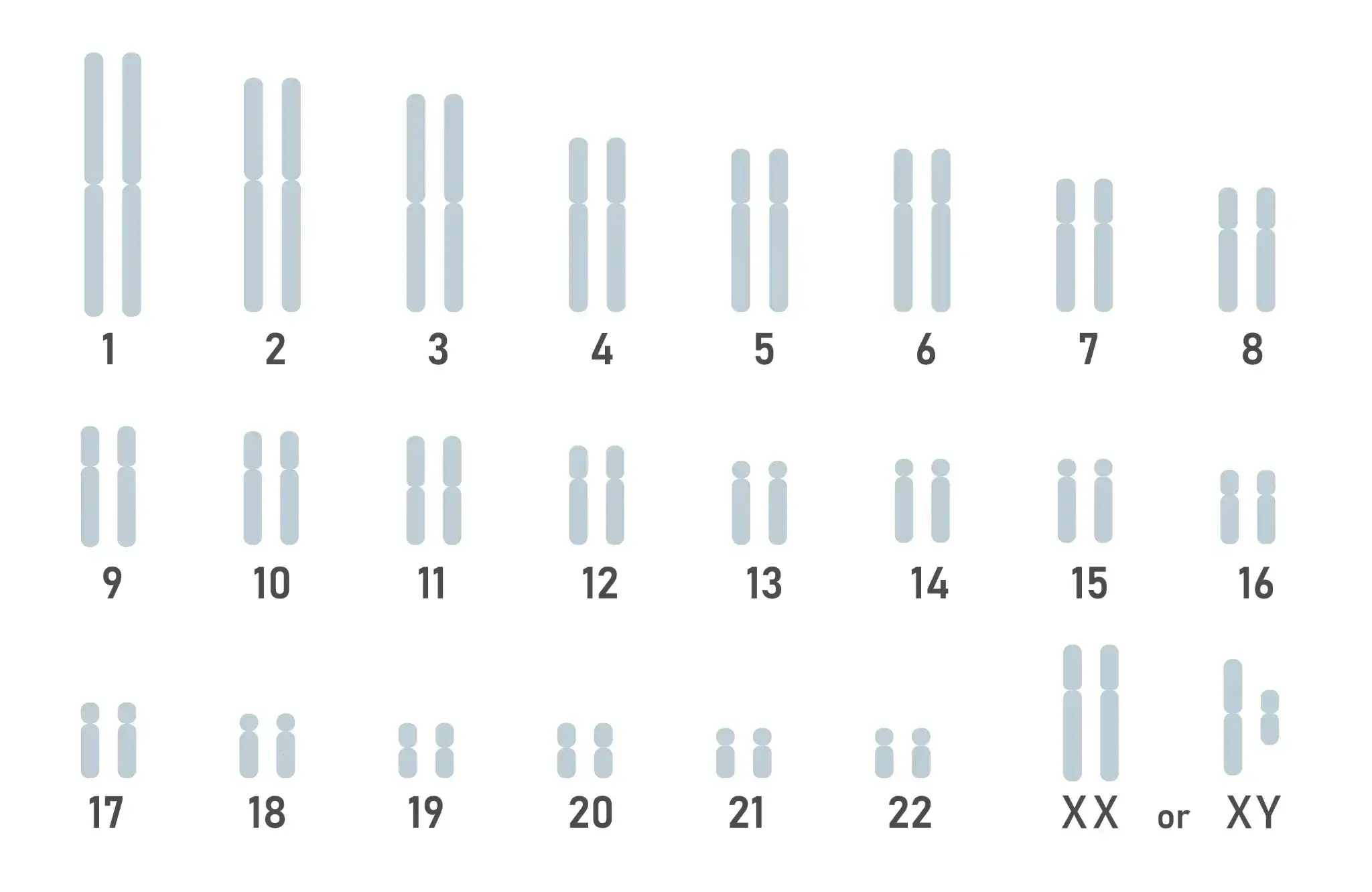
The ESR1 (estrogen receptor 1) gene is located on human chromosome 6 and is an important gene that controls muscle flexibility.
- In addition to the female uterus and ovaries,Widely expressed throughout muscle tissue
- Combines with estrogen,Inhibits collagen synthesisto maintain muscle flexibility
- Anti-inflammatory and antioxidant effectsprotects muscles by
In a study by the University of North Carolina Applied Physiology Laboratory,High concentrations of estrogen suppress the rise in creatine kinase (a muscle damage marker) after aerobic exerciseIt has been reported (Reference link 3).
Genotype distribution comparison between Japanese and the world (rs2234693)
| Genotype | Percentage of Japanese people | percentage of the world |
|---|---|---|
| TT type | 33.2% | 30.3% |
| TC type | 48.8% | 49.4% |
| CC type | 17.8% | 20.1% |
Rationale for testing
Surface DNA region: susceptibility to injury
The gene region that most strongly influences injury susceptibility is rs2234693. The distribution of isomorphic genotypes in Japan is as follows.
- TT
33.2 % - TC
48.8 % - CC
17.8 %
Basis for inspection
Research by Kumagai et al. at Juntendo University's Graduate School of Sports and Health Sciences revealed that the rs2234693 region of the ESR1 gene affects muscle flexibility. People with the CC type tend to have softer muscles, while those with the TC type tend to have softer muscles. People with the TT type tend to have stiff muscles and are thought to have a higher risk of injury (Reference link 1).
The DNA region investigated this time
Schematic diagram of DNA map present in cells
- ■
- ■
- ■
- ■
- ■
- ■
- ■
- ■
- ■
Related genes
| Related genes | ESR1 |
|---|
Frequently asked questions (FAQ)
Q1. What is the relationship between injury susceptibility and genes?
The genotype of the DNA region rs2234693 of the ESR1 gene affects muscle flexibility and is involved in injury susceptibility.CC type people have flexible muscles and tend to be less prone to injury (Reference link 1).
Q2. Why does muscle flexibility affect injury risk?
When muscles are stiff, it is difficult to absorb shock,This increases the risk of injuries such as muscle tears.The estrogen receptor produced by the ESR1 gene suppresses collagen synthesis and plays a role in maintaining muscle flexibility.
Q3. What are the differences in muscle flexibility depending on genotype?
rs2234693 hasThree genotypes: TT, TC, and CCThere is. CC types tend to have softer muscles, while TC types tend to be a little softer. Among Japanese people, the TC type is the most common at 48.8%, while the CC type is at 17.8% (Reference link 2).
Q4. What should I do to prevent injuries?
Regardless of genotype,Appropriate stretching and warm-up exercisescan reduce the risk of injury. Careful warm-up and flexibility training is recommended for TT types.
Q5. What does the ESR1 gene do?
The ESR1 (estrogen receptor 1) gene is located on chromosome 6 and is widely expressed in muscle tissue.It binds to estrogen and suppresses collagen synthesis, protecting muscles through its anti-inflammatory and antioxidant effects (Reference link 3).
References
- Reference link 1: 2019 Jan., Hiroshi Kumagai, Medicine and Science in Sports and Exercise
- Reference link 2: DNA information “rs2234693” information NIH
- Reference link 3: 2015 Apr., T Williams, Biology of sport