
 inflammation

- Inflammation is an immune response caused by the interaction of leukocytes, pro-IL16, and CD40.functions as a biological defense against infection and tissue damage.
- Type A mutation in DNA region rs1564641Research by Karolinska Institutet finds that people with the disease tend to have a higher risk of inflammation.
- appropriateDiet, exercise, and stress managementcan reduce the risk of chronic inflammation
Overview White blood cell counts, pro-interleukin 16 (pro-IL16) levels, and CD40 measurements are intricately interconnected and influence the biological response known as inflammation. White blood cells are part of the immune system and are important in fighting infections and invaders. Changes in white blood cell counts are an indicator of an immune response, and increases or decreases can indicate inflammation. Prointerleukin-16 is a precursor of a cytokine that plays an important role in the immune system. Its increase is associated with activation of specific immune pathways and inflammation. CD40 is a protein found on the surface of immune cells and is essential for activating immune responses. CD40 measurements indicate immune activation and possible inflammatory responses. A combined assessment of these factors provides comprehensive information about the immune system and inflammation. When these numbers are high, the immune response is enhanced, which helps diagnose and treat various inflammatory conditions. There are three genotypes in this DNA region: AA, AG, and GG, and it was found that people with the A genotype tend to have a higher risk of inflammation.
What is inflammation?
Inflammation is an immune response that occurs when white blood cells, pro-interleukin 16 (pro-IL16), and CD40 interact with each other, and it functions as a biological defense against infection and tissue damage.
Mechanism of inflammation and three main factors
The following three factors are involved in a complex manner in inflammation.
- White blood cells:They are the core cells of the immune system and play a role in fighting infections and invaders. Increase or decrease in white blood cell count is an indicator of immune response
- Pro-interleukin 16 (pro-IL16):Precursors of cytokines that play important roles in the immune system. Increase in pro-IL16 is directly linked to activation of specific immune pathways and inflammation
- CD40:A protein present on the surface of immune cells. Essential for activating the immune response, and CD40 measurements indicate the degree of immune activation and the strength of the inflammatory response
Causes and classification of inflammation
Inflammation is classified into the following three types depending on the mechanism of occurrence.
- Infectious inflammation:Caused by infection by pathogens such as bacteria, viruses, and fungi
- Damaging inflammation:Triggered by trauma, burns, and chemical tissue damage
- Autoimmune inflammation:Occurs when the immune system attacks self-tissues
Difference between acute inflammation and chronic inflammation
| Comparison items | acute inflammation | chronic inflammation |
|---|---|---|
| duration | Several hours to several days | weeks to years |
| Main cause | Infection/Trauma | Autoimmunity/persistent stimulation |
| main cells | neutrophil | macrophage/lymphocyte |
| symptoms | Redness, swelling, heat, pain | Tissue destruction/fibrosis |
| prognosis | Full recovery can be expected | Increased risk of chronic disease |
5 major signs of inflammation
Inflammation includes:5 classic symptoms(4 signs of Celsus + addition of Galen).
- Redness (Rubor):Local redness due to vasodilation
- Tumor:Edema due to increased vascular permeability
- Heat sensation (Calor):Local temperature increase due to increased blood flow
- Pain (Dolor):Pain stimulation by inflammatory mediators
- Functional impairment (Functio laesa):Functional decline at the inflamed area
How to prevent inflammation
The following lifestyle habits are recommended to reduce the risk of chronic inflammation:
- Eating an anti-inflammatory diet:A diet centered on omega-3 fatty acids (fish oil, flaxseed oil), vegetables, and fruits
- Moderate exercise:150 minutes or more of moderate-intensity aerobic exercise per week
- Adequate sleep:7-8 hours of quality sleep a day
- Stress management:Reducing stress through meditation, deep breathing techniques, etc.
- No smoking/drinking:Smoking is a factor that increases inflammatory markers (CRP)
The relationship between genes and inflammation
Relationship between DNA region rs1564641 and inflammation risk
A study by Folkersen et al. at Karolinska Institutet (1) revealed that the DNA region rs1564641 is associated with the risk of developing inflammation.
- There are three genotypes of rs1564641: AA, AG, and GG.
- Genotype with type A mutationpeople tend to be at higher risk of inflammation
Genotype distribution in Japanese (rs1564641)
| Genotype | Percentage of Japanese people | percentage of the world |
|---|---|---|
| AA type | 47.9% | 22.8% |
| AG type | 42.6% | 49.9% |
| GG type | 9.4% | 27.2% |
47.9% of Japanese people have type AA, which is about 2.1 times the world average (22.8%)., and the proportion of people with a genotype that puts them at high risk for inflammation tends to be high.
Rationale for testing
Surface DNA region: inflammation
The gene region that most strongly influences inflammation is rs1564641. The distribution of isomorphic genotypes in Japan is as follows.
- AA
47.9 % - AG
42.6 % - GG
9.4 %
Another gene region involved in inflammation is rs2157333. The distribution of isomorphic genotypes in Japan is as follows
- TT
15.5 % - TC
47.7 % - CC
36.6 %
Another gene region involved in inflammation is rs7281587. The distribution of isomorphic genotypes in Japan is as follows
- GG
25.9 % - GA
49.9 % - AA
24.0 %
Another gene region involved in inflammation is rs17035850. The distribution of isomorphic genotypes in Japan is as follows
- AA
98.0 % - AT
1.9 % - TT
0.1%以下
Another gene region involved in inflammation is rs6686197. The distribution of isomorphic genotypes in Japan is as follows
- GG
0.1%以下 - GC
0.1%以下 - CC
99.9 %
Another gene region involved in inflammation is rs2476601. The distribution of isomorphic genotypes in Japan is as follows
- AA
0.1%以下 - AG
0.1%以下 - GG
99.9 %
Another gene region involved in inflammation is rs4239702. The distribution of isomorphic genotypes in Japan is as follows
- TT
21.3 % - TC
49.7 % - CC
28.9 %
Basis for inspection
A study by Folkersen and colleagues at the Karolinska Institute revealed that the risk of developing inflammation is linked to genes. There are two types of mutations in the rs1564641 region, A and G, and people with type A mutations tend to have a higher risk of inflammation (1).
The DNA region investigated this time
Schematic diagram of DNA map present in cells
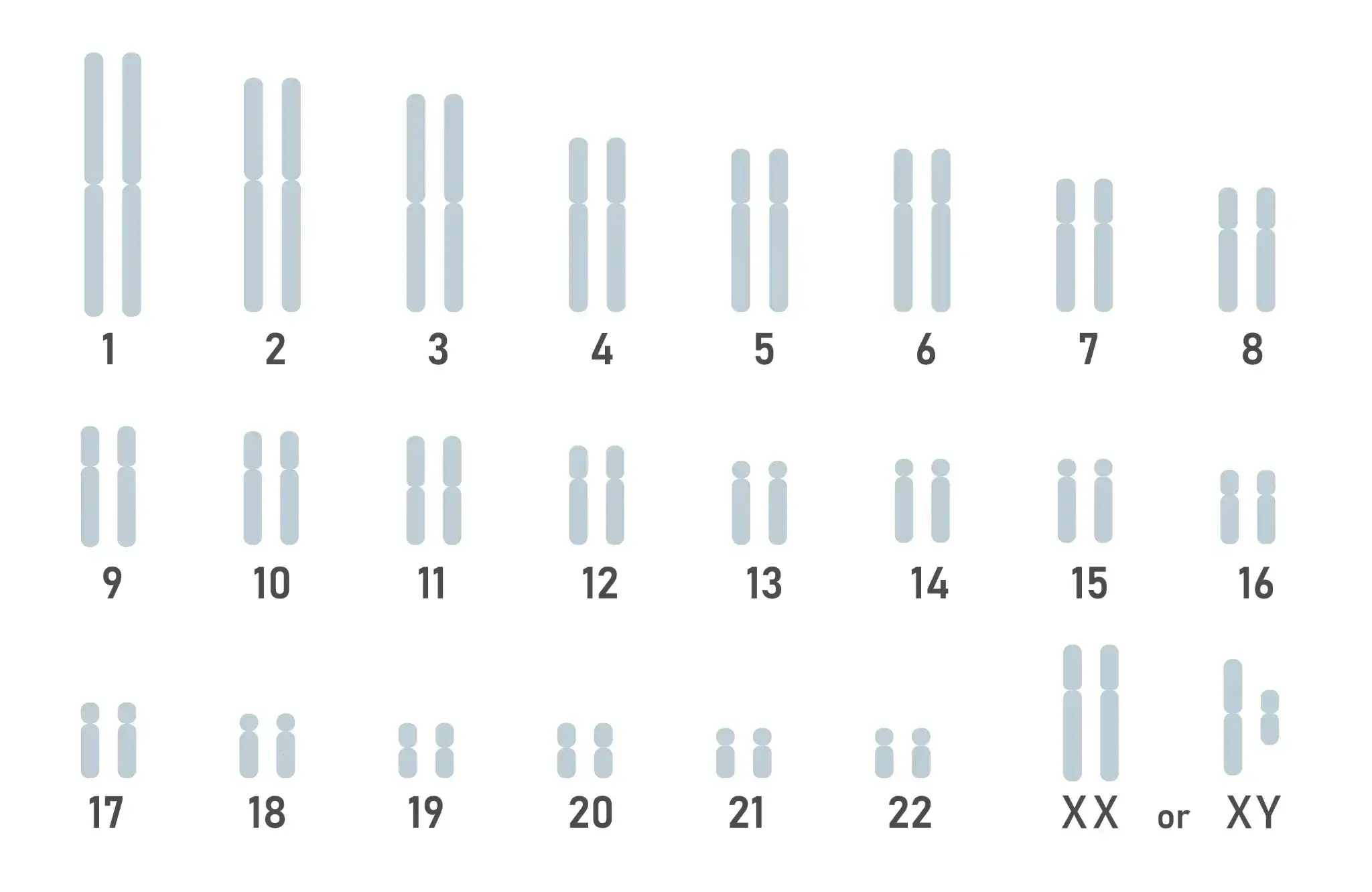
- ■
- ■
- ■
- ■
- ■
- ■
- ■
- ■
- ■
Related genes
| Related genes | TMC3-AS1 |
|---|---|
| Related genes | TSBP1-AS1 |
| Related genes | RUNX1 |
| Related genes | LINC01762 |
| Related genes | UBE2Q1 |
| Related genes | PTPN22 |
| Related genes | CD40 |
Frequently asked questions (FAQ)
Q1. What is inflammation?
Inflammation is an immune response that occurs when leukocytes, pro-interleukin 16 (pro-IL16), and CD40 interact.It functions as a biological defense against infection and tissue damage and reflects the activity of the immune system (1).
Q2. What is the cause of inflammation?
The main cause isInfection (bacterial/viral), tissue damage, autoimmune reactionThere are three. Increases and decreases in the number of white blood cells, activation of pro-IL16, and changes in the expression level of CD40 act in combination to induce an inflammatory response (1).
Q3. Can the risk of inflammation be determined by genetic testing?
By examining the genotype of the DNA region rs1564641,Understand trends in the risk of developing inflammationYou can. Studies have shown that people with the genotype A tend to be at increased risk (1).
Q4. Is there a way to prevent inflammation?
anti-inflammatory diet(Intake of omega-3 fatty acids, vegetables and fruits),moderate exercise(more than 150 minutes of aerobic exercise per week),enough sleep(7-8 hours),stress managementis effective in reducing the risk of inflammation.
References
- Reference link 1: 2020 Oct., Lasse Folkersen, Nat Metab
- Reference link 2: 2023 Aug., Parsa Akbari, Nat Commun
- Reference link 3: 2020 Feb., Lucija Klarić, Sci Adv
- Reference link 4: 2021 Jun., Yao Hu, BMC Genomics
- Reference link 5: 2016 Nov., William J Astle, Cell
- Reference link 6: 2020 Jul., Robert F Hillary, Genome Med