
 immunity strength level

- Immune strength level is an immune system evaluation index based on lymphocyte count and LRRC15B cells, T cells, and NK cells are responsible for defense.
- G-type mutation in DNA region rs10243593A Cambridge University study found that people with
- The prevalence of type GG among Japanese people is 44.6%.High compared to the global average of 27.1%It is characterized by
Overview Lymphocyte count and leukocyte-rich repeat-containing protein 15 (LRRC15) play important roles in our immune system. Lymphocytes are a type of white blood cell that play a central role in immune responses. They are mainly classified into B cells, T cells, and natural killer (NK) cells and deal with viruses and allergens that have entered the body. Therefore, it is an important indicator of an individual's immune status. On the other hand, LRRC15 is a protein that may be involved in the migration of immune cells involved in immune responses, but the detailed mechanism has not yet been elucidated. Fluctuations in lymphocyte counts are associated with an individual's immune capacity. A high lymphocyte count indicates an active immune response, while a low count may indicate immunodeficiency. Measuring lymphocyte counts and LRRC15 levels to understand the state of the immune system is important in diagnosing autoimmune diseases. Research by Astle et al. at the University of Cambridge revealed that immunity is associated with a DNA region called rs10243593. There are three genotypes in this DNA region: GG, AG, and AA, and it has been found that people with the G genotype tend to have higher immunity.
What is immune strength level?
Immune strength level is an indicator that evaluates the state of an individual's immune system based on lymphocyte count and leukocyte-rich repeat-containing protein 15 (LRRC15) levels.Lymphocytes are a type of white blood cell and play a central role in immune responses.
Three main cells that make up immunity
Lymphocytes are classified into the following three types, each with different immune functions.
| cell type | Main role | What to deal with |
|---|---|---|
| B cells | production of antibodies | Bacteria, viruses, toxins |
| T cells | Direct attack on infected cells | Virus-infected cells/cancer cells |
| NK cells | Early elimination of abnormal cells | Cancer cells/virus infected cells |
Effects of fluctuations in lymphocyte count on immunity
An increase or decrease in the number of lymphocytes reflects the state of immune competence.
- If the lymphocyte count is high:Active immune response and high defense against viruses and allergens
- If the lymphocyte count is low:Possible immunodeficiency, increasing risk of infection
Relationship between the role of LRRC15 and immunity
LRRC15 (leukocyte-rich repeat-containing protein 15) is a protein that may be involved in immune cell migration.Although it has been suggested that it plays a role in controlling cell migration to inflammatory sites in the immune response, the detailed mechanism is still under investigation.
Measuring the lymphocyte count and LRRC15 level to understand the state of the immune system isDiagnosis of autoimmune diseases and early detection of immunodeficiencyIt is important in
The relationship between genes and immunity - Why do genes affect immunity?
Relationship between DNA region rs10243593 and immunity
Research by Astle et al. at the University of Cambridge revealed that the DNA region rs10243593 is associated with immunity.
- There are three genotypes of rs10243593: GG, AG, and AA.
- GG type/AG type with G mutationtend to have strong immunity
- Type AA people tend to have relatively low immunity.
Comparison of genotype distribution in Japanese and the world (rs10243593)
| Genotype | Percentage of Japanese people | percentage of the world | Immunity tendency |
|---|---|---|---|
| GG type | 44.6% | 27.1% | expensive |
| AG type | 44.3% | 49.9% | somewhat expensive |
| AA type | 11.0% | 22.9% | standard |
The prevalence of type GG in Japanese people is 44.6%, which is higher than the world average of 27.1%.Populations that are genetically predisposed to have high immunityIt is suggested that.
6 DNA regions related to immunity
In addition to rs10243593, five other DNA regions are involved in the level of immune strength.
| DNA region | The most common genotype in Japanese people | The percentage |
|---|---|---|
| rs10243593 | GG type | 44.6% |
| rs2766679 | AA type | 50.6% |
| rs6339 | GG type | 99.9% |
| rs2472632 | CC type | 38.4% |
| rs4239702 | TC type | 49.7% |
| rs9533095 | GG type | 86.0% |
Rationale for testing
Surface DNA region: Immunity strength level
The gene region that most strongly influences immune strength level is rs10243593. The distribution of isomorphic genotypes in Japan is as follows.
- GG
44.6 % - GA
44.3 % - AA
11.0 %
Another gene region related to immune strength level is rs2766679. The distribution of isomorphic genotypes in Japan is as follows
- AA
50.6 % - AG
41.0 % - GG
8.3 %
Another gene region involved in immune strength level is rs6339. The distribution of isomorphic genotypes in Japan is as follows
- GG
99.9 % - GT
0.1%以下 - TT
0.1%以下
Another gene region related to immune strength level is rs2472632. The distribution of isomorphic genotypes in Japan is as follows
- CC
38.4 % - CA
47.1 % - AA
14.4 %
Another gene region related to immune strength level is rs4239702. The distribution of isomorphic genotypes in Japan is as follows
- TT
21.3 % - TC
49.7 % - CC
28.9 %
Another gene region related to immune strength level is rs9533095. The distribution of isomorphic genotypes in Japan is as follows
- GG
86.0 % - GT
13.3 % - TT
0.5 %
Basis for inspection
Research by Astle et al. at the University of Cambridge revealed that immunity is linked to genes. There are two types of mutations, G and A, in the rs10243593 region.People with type G mutation tend to have higher immunityIt is located in Among Japanese people, 44.6% are type GG, 44.3% are type GA, and 11.0% are type AA, and they are characterized by a higher prevalence of type G than the world average.
The DNA region investigated this time
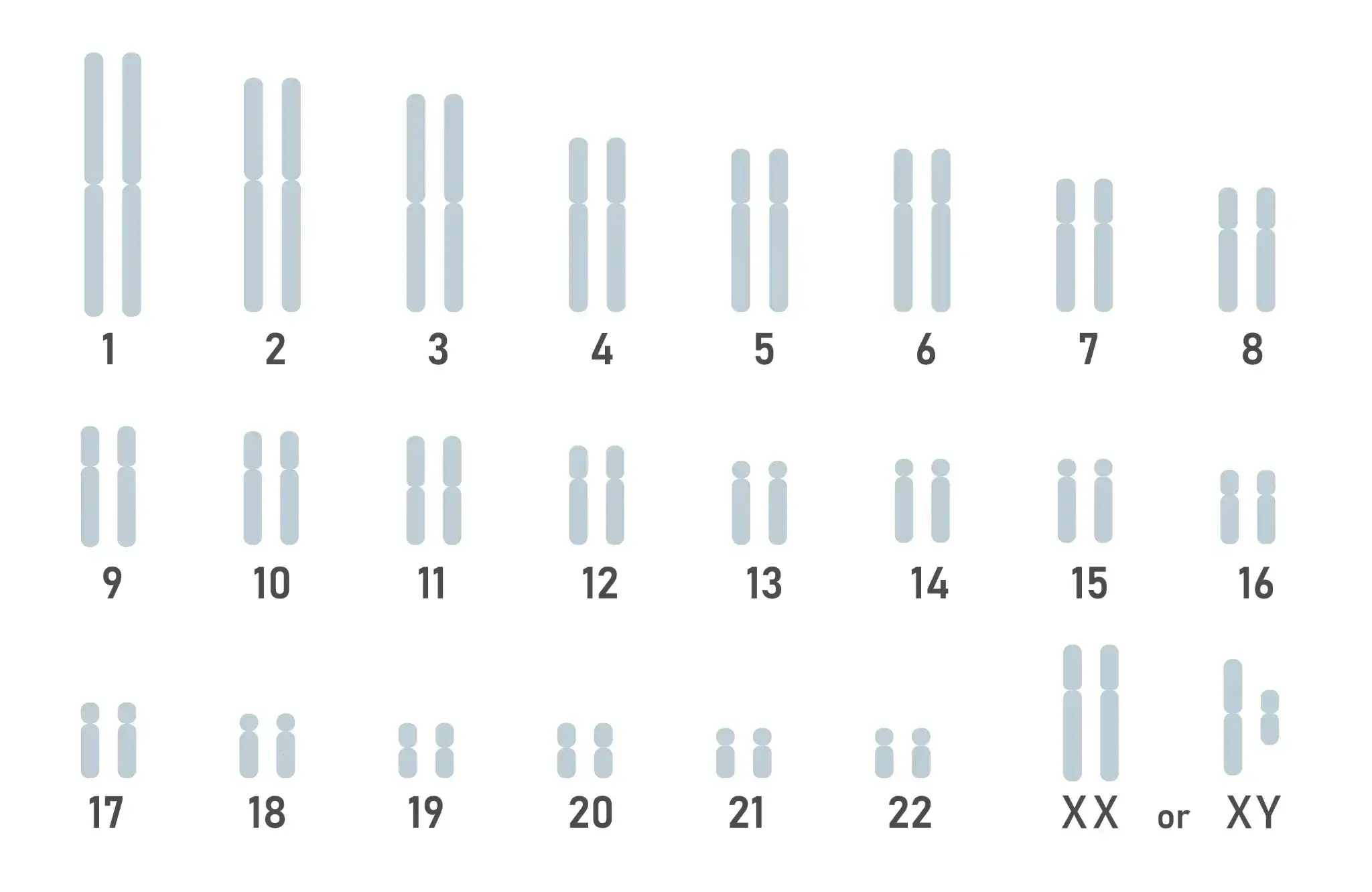
Schematic diagram of DNA map present in cells
- ■
- ■
- ■
- ■
- ■
- ■
- ■
- ■
- ■
Related genes
| Related genes | RN7SL496P |
|---|---|
| Related genes | ZNF217 |
| Related genes | NTRK1 |
| Related genes | LGR4 |
| Related genes | CD40 |
| Related genes | LINC02341 |
Frequently asked questions (FAQ)
Q1. What is the immune strength level?
Immune strength level is an index that evaluates the state of an individual's immune system based on lymphocyte count and LRRC15 value.Lymphocytes are classified into B cells, T cells, and NK cells, and are responsible for defending against viruses and allergens. A sufficient lymphocyte count indicates an active immune response.
Q2. What is the relationship between immunity and genes?
According to research by Astle et al. at the University of Cambridge,People with type G mutation in DNA region rs10243593 tend to have higher immunityIt turned out that there is. The prevalence of type GG among Japanese people is 44.6%, which is higher than the world average of 27.1%.
Q3. What happens if the lymphocyte count is high?
If there is a sufficient number of lymphocytes,B cells, T cells, and NK cells actively functionIt has a high level of defense against viruses and bacteria. On the other hand, if it proliferates excessively, there is a risk of autoimmune disease, so it is important to keep it within an appropriate range.
Q4. What is LRRC15? How does it relate to immunity?
LRRC15 (leukocyte-rich repeat-containing protein 15) is a protein that may be involved in immune cell migration.Although a role in controlling cell migration to inflammatory sites has been suggested, the detailed mechanism is still under investigation.
Q5. Is genetic testing effective for increasing immunity?
By examining the genotype of DNA region rs10243593,Understand your own genetic immunity tendencyYou can. People with type GG or type AG carry the G mutation and tend to have strong immunity. Based on the test results, it is possible to take measures to manage your health and maintain immunity that suit your individual constitution.
References
- Reference link 1: 2016 Nov., William J Astle, Cell
- Reference link 2: 2020 Sep., Dragana Vuckovic, Cell
- Reference link 3: 2020 Sep., Ming-Huei Chen, Cell
- Reference link 4: 2021 Nov., Maik Pietzner, Science
- Reference link 5: 2020 Oct., Valeria Orrù, Nat Genet