
 hypoxia

- Hypoxia is a condition in which lactic acid accumulates due to a lack of oxygen supply in the body.In severe cases, it can cause lactic acidosis and organ damage.
- Type A mutation in DNA region rs9987289Study finds that people with
- Approximately 98.0% of Japanese people are type GG.The prevalence of type A mutation is approximately 1.9%and lower than the world average (17.4%)
Overview Lactic acid is a substance normally present in small amounts in the blood, and increases when there is a lack of oxygen. This occurs due to increased conversion of pyruvate to lactate within cells. This change in energy is temporarily helpful, but in severe cases, lactic acid builds up in the blood, a condition called lactic acidosis. Under normal aerobic conditions (in the presence of oxygen) cells use oxygen to create energy in mitochondria. However, in hypoxic conditions where there is a lack of oxygen, the body changes its energy production process and switches to anaerobic metabolism (metabolism that does not use oxygen), which increases lactic acid production, causing lactic acid to accumulate in the blood. Measuring lactic acid levels allows you to assess hypoxia and the body's metabolic response. High lactate levels indicate an imbalance between oxygen supply and demand in the body, leading to conditions such as severe infections and ischemia. A study by Tin et al. at Johns Hopkins University revealed that the risk of hypoxia is associated with a DNA region called rs9987289. There are three genotypes in this DNA region: AA, AG, and GG, and it was found that people with the A genotype tend to have a higher risk of hypoxia.
What is hypoxia?
Hypoxia is a medical condition in which tissues and organs within the body are not supplied with sufficient oxygen.When there is a lack of oxygen, cells switch to anaerobic metabolism (metabolism that does not use oxygen), which increases the concentration of lactic acid in the blood.
Mechanism of hypoxia
Under normal aerobic conditions (with sufficient oxygen), cells use oxygen in mitochondria to produce energy (ATP). When oxygen supply decreases, the following changes occur:
- Switching to anaerobic metabolism:Cells convert pyruvate to lactate to produce energy
- Lactic acid accumulation:Increased lactic acid concentration in the blood (normal value: 0.5 to 1.5 mmol/L → severe cases: 4 mmol/L or more)
- Lactic acidosis:Lactic acid accumulation lowers pH and causes metabolic acidosis
Main causes of hypoxia
The causes of hypoxia are classified into the following four categories:
- Respiratory diseases:COPD (chronic obstructive pulmonary disease), pneumonia, bronchial asthma, pulmonary fibrosis
- Cardiovascular disease:heart failure, shock, severe arrhythmia
- Anemia:Decreased oxygen carrying capacity due to decreased hemoglobin concentration
- Environmental factors:Reduced oxygen partial pressure at high altitudes (over 2,500 m above sea level), closed spaces
Main symptoms of hypoxia
Symptoms of hypoxia vary depending on severity.
- Tachycardia/tachypnea (initial compensatory response)
- Cyanosis (bluish-purple change in the skin and mucous membranes)
- Impaired consciousness/confusion (decreased oxygen supply to the brain)
- Shortness of breath/difficulty breathing
- General fatigue/muscle weakness
Hypoxia severity classification
| severity | SpO2 (transcutaneous oxygen saturation) | Blood lactic acid level | Main symptoms |
|---|---|---|---|
| Mild | 90〜94% | 2.0〜4.0 mmol/L | Mild shortness of breath/tachycardia |
| moderate | 85〜89% | 4.0〜8.0 mmol/L | Marked dyspnea/cyanosis |
| severe | less than 85% | 8.0 mmol/L or more | Consciousness disorder/organ failure |
Clinical significance of lactate levels
Measuring lactate levels is an important indicator to assess hypoxia and the body's metabolic response.High lactate levels indicate an imbalance between oxygen supply and demand in the body and are associated with serious conditions such as severe infections (sepsis) and ischemia.
- Normal value:0.5〜1.5 mmol/L
- Mild increase:2.0-4.0 mmol/L (possible tissue hypoperfusion)
- Increased severity:4.0 mmol/L or more (lactic acidosis standard, increased risk of death)
Relationship between genes and hypoxia
Relationship between DNA region rs9987289 and risk of developing disease
A study by Tin et al. at Johns Hopkins University (1) found that the DNA region rs9987289 is associated with the risk of hypoxia.
- There are three genotypes of rs9987289: AA, AG, and GG.
- Genotype with type A mutationpeople tend to be at higher risk of hypoxia
Genotype distribution in Japanese (rs9987289)
| Genotype | Percentage of Japanese people | percentage of the world |
|---|---|---|
| AA type | 0.1%以下 | 0.8% |
| AG type | 1.9% | 16.6% |
| GG type | 98.0% | 82.4% |
Japanese people have a very high percentage of type GG at 98.0%, and are characterized by a low prevalence of type A mutations compared to the world average of 82.4%.
Rationale for testing
Surface DNA region: hypoxia
The gene region that most strongly affects hypoxia is rs9987289. The distribution of isomorphic genotypes in Japan is as follows.
- AA
0.1%以下 - AG
1.9 % - GG
98.0 %
Basis for inspection
A study by Tin et al. at Johns Hopkins University revealed that the risk of hypoxia is linked to genes. There is a region called rs9987289 in the human genome, and there are two types of mutations, A and G, in the gene in this region. It was found that people with type A mutations tend to have a higher risk of hypoxia.
The DNA region investigated this time
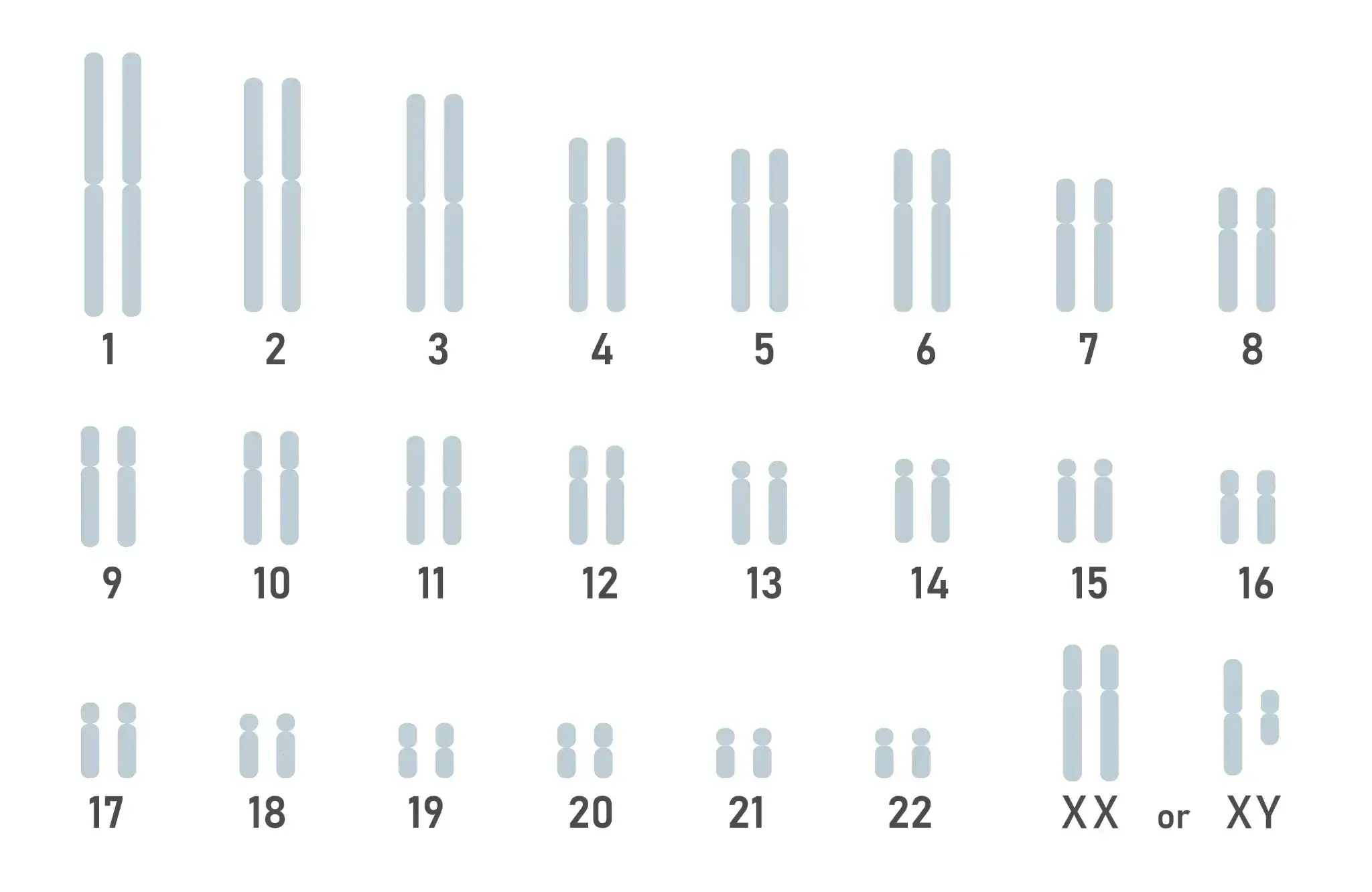
Schematic diagram of DNA map present in cells
- ■
- ■
- ■
- ■
- ■
- ■
- ■
- ■
- ■
Related genes
| Related genes | PPP1R3B-DT |
|---|
Frequently asked questions (FAQ)
Q1. What is hypoxia?
Hypoxia is a medical condition in which tissues and organs within the body are not supplied with sufficient oxygen.When oxygen is lacking, cells switch to anaerobic metabolism and lactic acid accumulates. In severe cases, it can cause lactic acidosis and organ damage.
Q2. What is the cause of hypoxia?
The main cause isRespiratory diseases, cardiovascular diseases, anemia, environmental factorsThere are four. Underlying medical conditions such as COPD, pneumonia, heart failure, and shock can disrupt the balance of oxygen supply and cause hypoxia. As a genetic factor, type A mutation in the DNA region rs9987289 is also a risk factor (1).
Q3. What is the relationship between hypoxia and lactic acidosis?
in hypoxic conditionsAnaerobic metabolism increasesand increases the conversion of pyruvate to lactate. Blood lactic acid concentration is 4.0 When it rises above mmol/Llactic acidosisis diagnosed and without proper treatment, there is a risk of organ failure.
Q4. Can the risk of hypoxia be determined by genetic testing?
By examining the genotype of the DNA region rs9987289,Understand the risk trend of developing hypoxiaYou can. A study by Johns Hopkins University found that people with the genotype A tend to be at higher risk (1).
References
- Reference link 1: 2016 Jul., A Tin, Diabet Med