
 hyperthyroidism
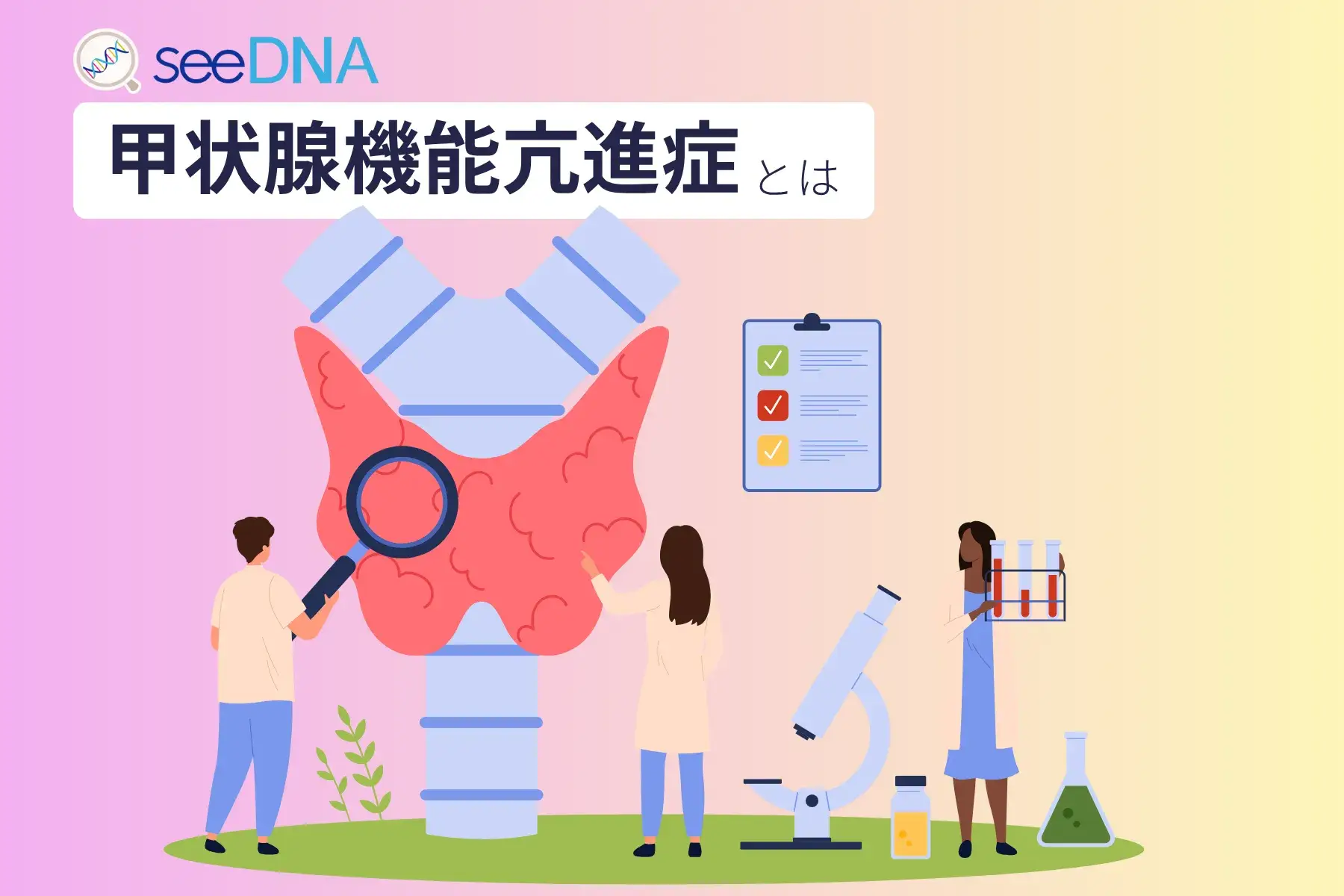
- Hyperthyroidism is an endocrine disease in which metabolism is abnormally accelerated due to excessive secretion of thyroxine.This causes symptoms such as tachycardia, weight loss, and excessive sweating.
- T-type mutation in DNA region rs225014A study at the University of Greifswald found that people with
- Antithyroid drugs, radioactive iodine therapy, surgery, etc.multiple treatmentsSymptoms can be controlled with early diagnosis and appropriate treatment.
Overview Hyperthyroidism is an endocrine disorder caused by excessive secretion of the thyroid hormone thyroxine. In this disease, the body's metabolism becomes overactive, resulting in various symptoms. Symptoms include increased heart rate (tachycardia), weight loss, increased appetite, nervousness, and tremors. They also tend to be less sensitive to heat, such as being more sensitive to body temperature and sweating a lot. In particular, one of the characteristic symptoms is goiter, which appears to be swollen in the neck area. Excessive secretion of thyroxine increases energy expenditure and accelerates body functions. This effect can lead to accelerated decomposition of bone tissue, increasing the risk of osteoporosis and even causing irregular menstruation in women. It can also have a major effect on the heart, leading to complications such as arrhythmia and atrial fibrillation. Hyperthyroidism has a significant impact on your quality of life and overall health, so it's important to measure and identify your thyroxine levels. Treatment aims to reduce the overproduction of thyroxine and improve the body's metabolic processes to reduce systemic effects. A study by Teumer et al. at the University of Greifswald Faculty of Medicine revealed that the risk of developing hyperthyroidism is associated with a DNA region called rs225014. There are three genotypes in this DNA region: TT, TC, and CC, and it has been found that people with the T genotype tend to have a higher risk of hyperthyroidism.
What is hyperthyroidism?
Hyperthyroidism is an endocrine disease in which the body's metabolism is abnormally accelerated due to excessive secretion of the thyroid hormone thyroxine (T4).The prevalence in the general population is approximately 1.2%, and women are approximately 5 to 10 times more likely to develop the disease than men.
Causes and mechanisms of hyperthyroidism
Excessive secretion of thyroxine increases energy expenditure and accelerates all functions of the body. The main causes are as follows.
- Graves' disease:This is an autoimmune disease that accounts for approximately 60-80% of all cases, and TSH receptor antibodies stimulate the thyroid gland.
- Functional thyroid nodule:Part of the thyroid gland autonomously produces hormones
- Thyroiditis:Temporary release of hormones accumulated due to inflammation
- Genetic factors:T-type mutation in DNA region rs225014 is associated with risk
Main symptoms of hyperthyroidism
Symptoms are due to excess thyroxinehypermetabolismThe following are typical causes.
- Increased heart rate (tachycardia)/palpitations
- Weight loss (despite increased appetite)
- Excessive sweating/sensitivity to heat
- Hand tremors/nervousness
- Goiter (swelling in the neck)
- Irregular menstruation in women
Difference between hyperthyroidism and hypothyroidism
| Comparison items | hyperthyroidism | hypothyroidism |
|---|---|---|
| hormone | excessive secretion | lack of secretion |
| metabolism | acceleration (acceleration) | Decrease (deceleration) |
| weight | decrease | increase |
| heart rate | Tachycardia (increase) | bradycardia (decreased) |
| body temperature sensation | Feeling hot/excessive sweating | Feeling cold/feeling cold |
| mental state | Anxiety/irritability | Depression/fatigue |
Risk of complications from hyperthyroidism
Without proper treatment, the following complications may occur:
- Arrhythmia/atrial fibrillation(overload on the heart)
- osteoporosis(Promotion of bone tissue decomposition)
- thyroid crisis(Acute life-threatening exacerbation, mortality rate approximately 10-30%)
- proptosis(Graves' eye disease)
treatment method
Three main treatments are used:
- Antithyroid drugs:Methimazole/propylthiouracil (suppresses hormone production)
- Radioactive iodine therapy:Selectively destroys thyroid cells
- Surgery:Total or partial thyroidectomy
Relationship between genes and hyperthyroidism
Relationship between DNA region rs225014 and onset risk
A study by Teumer et al. at the University of Greifswald Faculty of Medicine found that the DNA region rs225014 is associated with the risk of developing hyperthyroidism.
- There are three genotypes of rs225014: TT, TC, and CC.
- Genotype with T-type mutationpeople tend to be at higher risk of hyperthyroidism
Genotype distribution in Japanese (rs225014)
| Genotype | Percentage of Japanese people | percentage of the world |
|---|---|---|
| TT type | 33.2% | 39.3% |
| TC type | 48.8% | 46.7% |
| CC type | 17.8% | 13.8% |
Rationale for testing
Superficial DNA region: hyperthyroidism
The gene region most strongly associated with hyperthyroidism is rs225014. The distribution of isomorphic genotypes in Japan is as follows.
- TT
33.2 % - TC
48.8 % - CC
17.8 %
Basis for inspection
A study by Teumer et al. at the University of Greifswald Faculty of Medicine revealed that the risk of developing hyperthyroidism is linked to genes. There is a region called rs225014 in the human genome, and there are two types of mutations, T and C, in the gene in this region. It was found that people with the T-type mutation tend to have a higher risk of hyperthyroidism.
The DNA region investigated this time
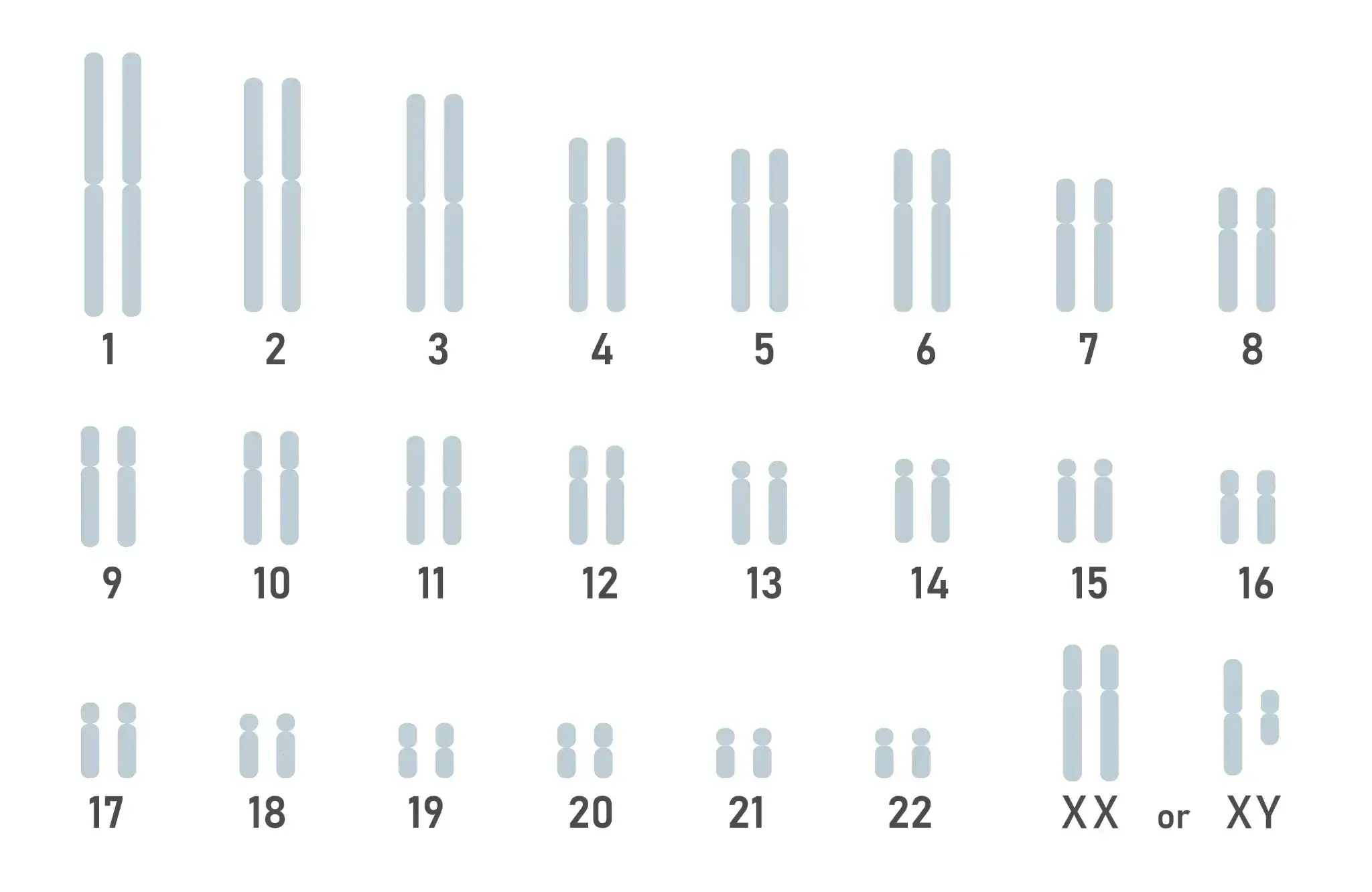
Schematic diagram of DNA map present in cells
- ■
- ■
- ■
- ■
- ■
- ■
- ■
- ■
- ■
Related genes
| Related genes | DIO2 |
|---|
Frequently asked questions (FAQ)
Q1. What is hyperthyroidism?
Hyperthyroidism is an endocrine disease in which the body's metabolism is abnormally accelerated due to excessive secretion of thyroid hormone (thyroxine).It causes symptoms such as tachycardia, weight loss, excessive sweating, and tremors, and is approximately 5 to 10 times more likely to occur in women.
Q2. What is the cause of hyperthyroidism?
The most common cause isGraves' disease (Graves' disease)This accounts for approximately 60-80% of the total. Other causes include functional thyroid nodules and thyroiditis. as a genetic factorT-type mutation in DNA region rs225014are involved in the risk of developing the disease.
Q3. What is the difference between hyperthyroidism and hypothyroidism?
Hyperthyroidism is a hormoneexcessMetabolism increases, leading to weight loss, rapid heartbeat, and sweating. On the other hand, hypothyroidism is a hormoneshortageMetabolism slows down, leading to symptoms such as weight gain, fatigue, and sensitivity to cold.
Q4. Can genetic testing determine the risk of hyperthyroidism?
By examining the genotype of the DNA region rs225014,Understanding trends in the risk of developing hyperthyroidismYou can. A study by Teumer et al. found that people with the T mutation genotype tend to be at higher risk.
Q5. What is the treatment for hyperthyroidism?
The treatment isantithyroid drugsDrug therapy with (methimazole, propylthiouracil) is the first choice. elseRadioactive iodine therapyYasurgical thyroidectomyThe choice is based on the severity and cause of the symptoms.
References
- Reference link 1: 2018 Oct., Alexander Teumer, Nat Commun