
 high blood pressure
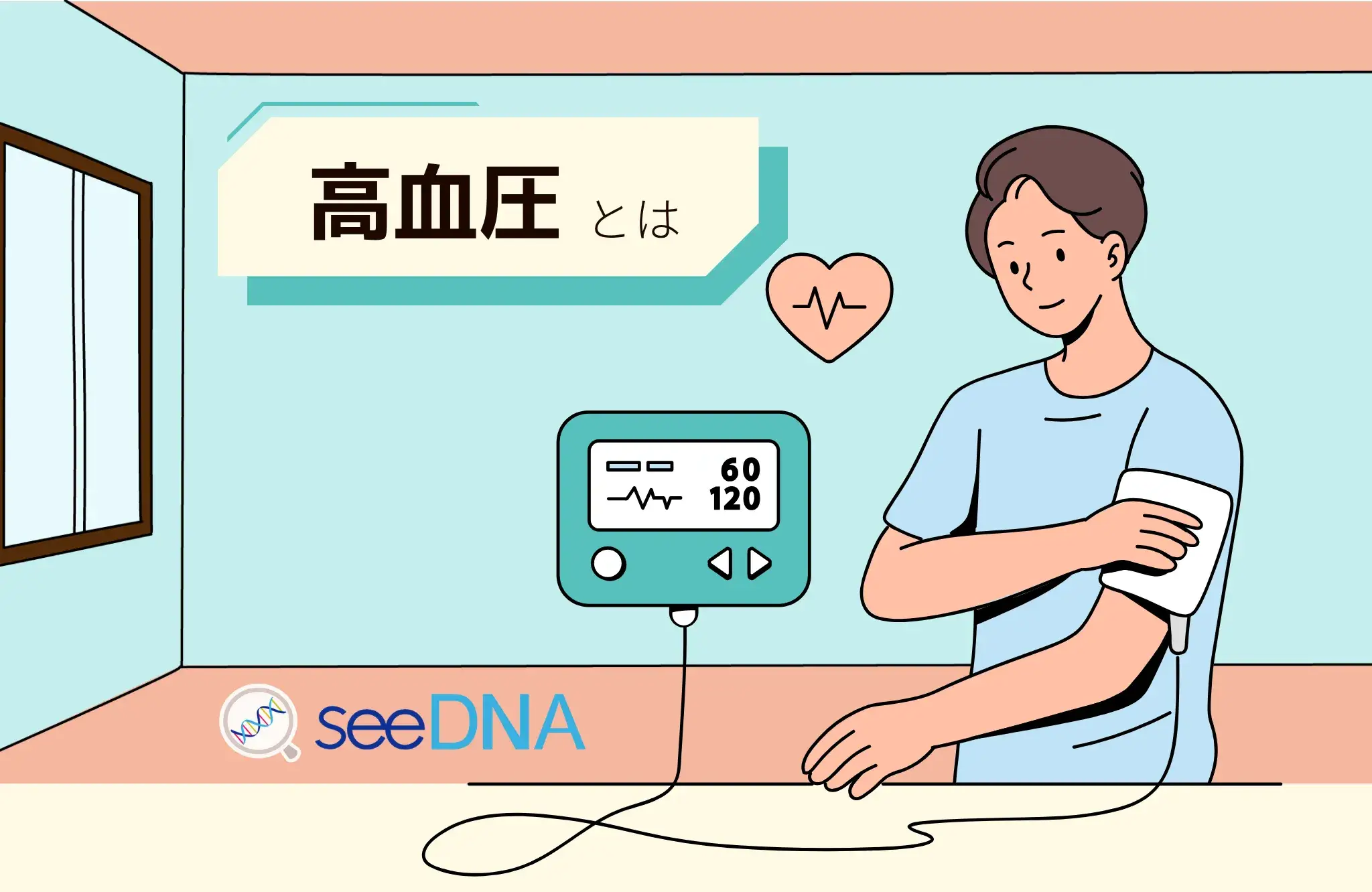
- Hypertension is a condition in which the pressure on the inner walls of blood vessels is chronically high.The number of patients in Japan is estimated to be approximately 43 million, of which approximately 20 million are untreated.
- TT type of DNA region rs11105364 near gene ATP2B1Research shows that people with
- The cause isApproximately 60% due to genetic factors and 40% due to environmental factorsTherefore, prevention by reducing salt intake, exercising, and quitting smoking is effective.
Overview Blood pressure is the force (pressure) that blood pumps from the heart pushes against the inner walls of blood vessels as it passes through the blood vessels. Chronically high blood pressure is called "hypertension." There are two main causes of high blood pressure: essential hypertension (high blood pressure of unknown cause) and secondary hypertension (kidney disease or abnormal hormone secretion). Generally, when we say "hypertension" we are referring to essential hypertension. Essential hypertension accounts for more than 90% of high blood pressure cases and is the cause of diseases with a high risk of death, such as stroke and myocardial infarction. It is thought that 60% of hypertension is caused by genetic factors and 40% by environmental factors such as lifestyle habits, and multiple genes have been reported to be involved. According to a recent research report, it has become clear that a certain region near the gene "ATP2B1" is likely to influence the risk of developing hypertension. Hypertension is also known as the "silent killer," as there are few symptoms, and if left untreated, it can unknowingly lead to serious illnesses such as stroke and myocardial infarction. According to the treatment guidelines of the Japanese Society of Hypertension, the number of patients with hypertension is estimated to be approximately 43 million, but approximately 20 million of these are unaware that they have high blood pressure and neglect treatment. (Reference link 1) The number of people with high blood pressure is expected to increase in the future as diets become more Westernized and the population ages, so it is necessary to create opportunities for people to become aware of high blood pressure and to take measures to prevent it. Finding out your own genetic type through genetic testing and knowing your risk of developing the disease will help prevent the disease and take early measures. 2. Rationale Research conducted by the National Center for Global Health and Medicine in Tokyo revealed that some genotypes are more likely to develop high blood pressure due to the DNA region ``rs11105364'' located near the gene ``ATP2B1''. (Reference link 2) There are three genotypes in this region: ``TT type'', ``GT type'', and ``GG type'', and ``TT type'' is more likely to develop hypertension. The genotypes of Japanese people are 39.8% TT type, 46.6% GT type, and 13.6% GG type, and about 90% of people have a genotype that makes them more likely to develop hypertension. (Reference link 3) However, because environmental factors also play a role, people with type GG blood pressure may also develop high blood pressure. To prevent high blood pressure, it is important to reduce your salt intake, intake potassium, magnesium, and calcium from vegetables, fruits, and seaweed, maintain a healthy weight, do moderate exercise, stop smoking, and limit alcohol to around 1 cup. Blood pressure is also affected by temperature changes and stress, so in winter it is important to pay attention to the temperature of your room and protect yourself from the cold, and to self-manage your body against stress. It is important to undergo genetic testing at an early stage, understand your own risk of developing high blood pressure, and manage the risk in your lifestyle and environment. 3. Mechanism of action,/h4> The gene "ATP2B1", which is involved in the development of "hypertension", is located on chromosome 12 of the 24 chromosomes common to humans. This gene contains genetic information for enzymes that move calcium ions into cells and maintain normal calcium ion concentrations within cells. It is known to be abundant in tissues such as the brain, bone marrow, and adrenal glands, but there are also reports that it is expressed in a type of muscle called ``vascular smooth muscle'' that contracts and relaxes blood vessels. (Reference link 4) The mechanism by which the gene "ATP2B1" influences the risk of hypertension has not yet been elucidated. However, one study suggests that ``ATP2B1'' may regulate the degree of vascular contraction and raise or lower blood pressure by moving calcium ions into vascular smooth muscle cells. (Reference link 4) Therefore, it is thought that people who have the "T" genotype in the DNA region "rs11105364" have a tendency for their blood pressure to rise because the vascular smooth muscle cell gene "ATP2B1" does not work properly, potentially causing hypertension. As mentioned above, the DNA region "rs11105364" is one of the single nucleotide polymorphisms that is closely related to the onset of hypertension and is attracting attention.
What is high blood pressure?
Hypertension is a condition in which the pressure (blood pressure) exerted by blood pumped by the heart against the inner walls of blood vessels is chronically high.Diagnostic criteria are systolic blood pressure of 140 mmHg or higher or diastolic blood pressure of 90 mmHg or higher. According to the treatment guidelines of the Japanese Society of Hypertension, the number of hypertension patients in Japan isApproximately 43 million peopleIt is estimated that.
High blood pressure is"Silent Killer"There are few symptoms, and if left untreated, it can lead to serious illnesses such as stroke and myocardial infarction. Of approximately 43 million patients,Approximately 20 million people are unaware that they have high blood pressure and do not receive treatment for it.
Causes and mechanisms of hypertension
What causes high blood pressure?Approximately 60% is due to genetic factors, and approximately 40% is due to environmental factors such as lifestyle habits.It is thought that. Types are broadly classified into two types.
- Essential hypertension:High blood pressure has no identifiable cause, accounting for more than 90% of cases. Complex involvement of genetic predisposition and lifestyle habits
- Secondary hypertension:High blood pressure that develops due to certain causes, such as kidney disease or hormone secretion abnormalities. Less than 10% of the total
Research by the National Center for Global Health has revealed that genes「ATP2B1」Nearby DNA region「rs11105364」has been shown to be associated with the risk of developing hypertension.
Main symptoms of high blood pressure
High blood pressure isThere are almost no symptomsThat is the biggest feature. If the symptoms appear, they are as follows:
- Headache/dizziness
- Stiff shoulders/tinnitus
- Palpitations/shortness of breath
- decreased visual acuity
- morning occipital pain
As symptoms progress,stroke、myocardial infarction、renal failureThere is a risk of life-threatening complications such as
Difference between essential hypertension and secondary hypertension
| Comparison items | essential hypertension | secondary hypertension |
|---|---|---|
| cause | Genetics + lifestyle habits (unspecified) | Kidney disease, hormonal abnormalities, etc. |
| Patient percentage | Approximately 90% or more | less than about 10% |
| Age of onset | Mainly middle-aged and elderly | Regardless of age |
| treatment method | Lifestyle improvement + drug therapy | Treatment of the causative disease |
| genetic factors | Approximately 60% | less relevant |
Risk of high blood pressure complications
If high blood pressure is left untreated, it may lead to the following complications:
- Stroke (cerebral hemorrhage/cerebral infarction):High blood pressure is the biggest risk factor
- Myocardial infarction/angina pectoris:Promotes arteriosclerosis in coronary arteries
- Chronic kidney disease:Kidney blood vessels are damaged
- Aortic aneurysm/aortic dissection:Caused by sustained pressure on blood vessel walls
- Hypertensive retinopathy:Risk of vision loss/blindness
How to prevent high blood pressure
To prevent high blood pressure, the following lifestyle changes are effective.
- Salt reduction:Keep salt intake to less than 6g per day
- Nutritional balance:Get potassium, magnesium, and calcium from vegetables, fruits, and seaweed.
- Weight management:Maintain a healthy weight with a BMI of less than 25
- Exercise:Make a habit of doing aerobic exercise for at least 30 minutes a day
- No smoking:Smoking is a direct cause of increased blood pressure
- Sobriety:Limit alcohol to around 1 go (sake equivalent)
- Temperature control:Avoid sudden temperature changes in winter
- Stress management:Practice self-care to stabilize your autonomic nervous system
The relationship between genes and high blood pressure
Relationship between DNA region rs11105364 and risk of onset
Fumihiko by the National Center for Global Health and Medicine, Tokyo A study by Takeuchi et al. found that the DNA region rs11105364 near the gene ATP2B1 is associated with the risk of developing hypertension.
- rs11105364 hasTT type/GT type/GG typeThere are three genotypes of
- TT typepeople who have are more likely to develop high blood pressure
- GT typeHigh risk of developing haze
- Type GG has a relatively low risk.
However, even people with type GGEffect of environmental factorsIt is possible to develop high blood pressure.
Genotype distribution in Japanese (rs11105364)
| Genotype | Percentage of Japanese people | percentage of the world |
|---|---|---|
| TT type | 35.5% | 71.3% |
| TG type | 48.1% | 26.2% |
| GG type | 16.3% | 2.4% |
Approximately 83.6% of Japanese people carry the T mutation (TT type + TG type), which is characterized by a high genetic risk of hypertension.
Mechanism of action: Relationship between gene ATP2B1 and blood pressure regulation
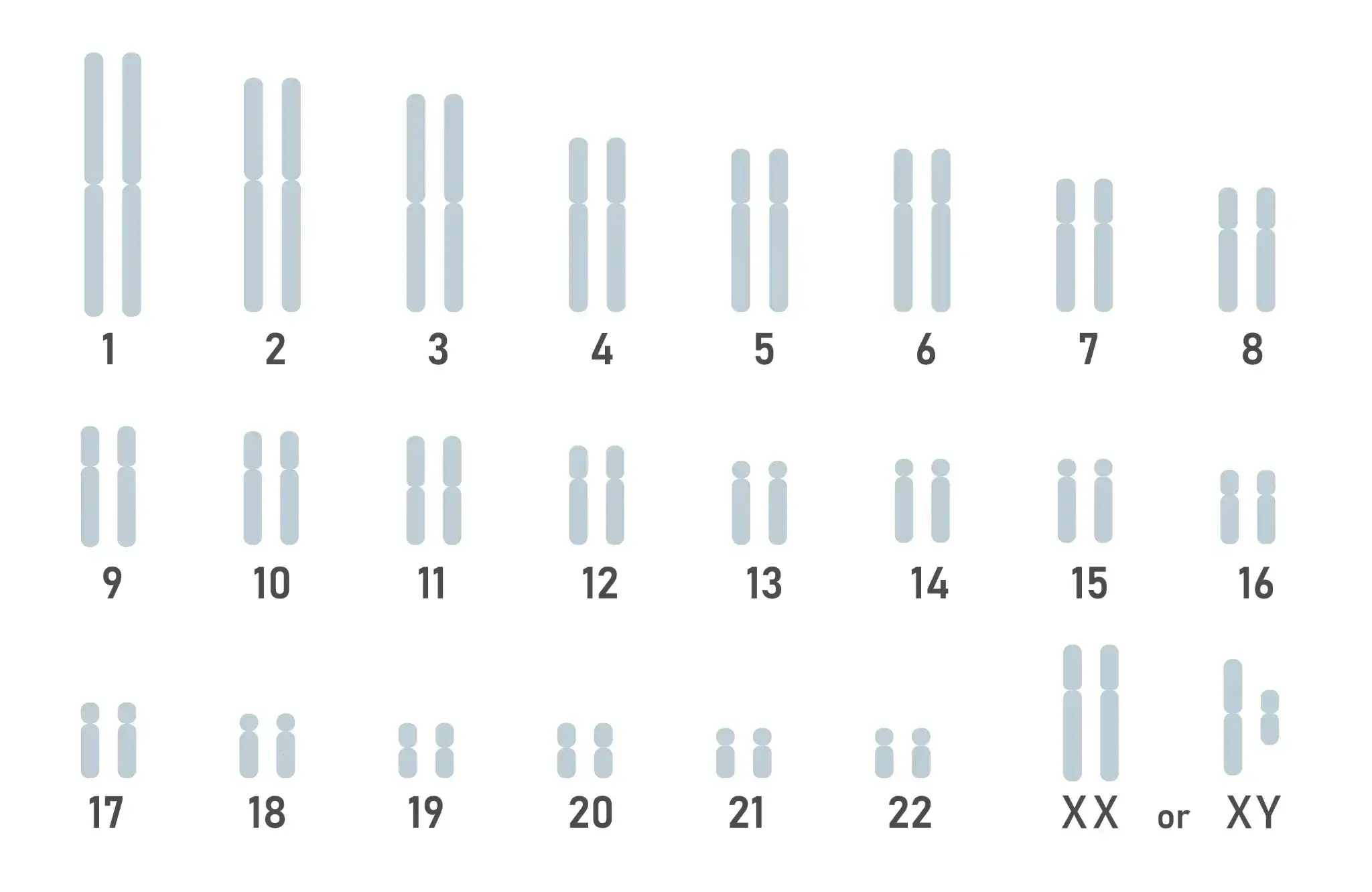
The gene "ATP2B1" is one of the 24 human chromosomes.chromosome 12Located in This gene moves calcium ions into cells,Enzyme that maintains normal calcium ion concentration within cellsIt has genetic information about
The mechanisms by which ATP2B1 influences hypertension risk are as follows.
- ATP2B1Calcium ions into vascular smooth muscle cellsmove to
- blood vesselscontraction/relaxationadjust the
- In people with the T-type mutation, ATP2B1 does not function properly,Excessive constriction of blood vesselsbecome
- as a resultblood pressure risesand cause high blood pressure
ATP2B1 is found in the brain, bone marrow, adrenal glands, and other areas.vascular smooth muscleIt is also expressed and plays an important role in blood pressure regulation.
Rationale for testing
Superficial DNA region: Hypertension
The gene region that most strongly influences hypertension is rs11105364. The distribution of isomorphic genotypes in Japan is as follows.
- TT
35.5 % - TG
48.1 % - GG
16.3 %
Another gene region involved in hypertension is rs6015450. The distribution of isomorphic genotypes in Japan is as follows
- AA
99.9 % - AG
0.1%以下 - GG
0.1%以下
Another gene region involved in hypertension is rs366178. The distribution of isomorphic genotypes in Japan is as follows
- CC
2.8 % - CA
27.9 % - AA
69.1 %
Another gene region involved in hypertension is rs1042713. The distribution of isomorphic genotypes in Japan is as follows
- GG
31.1 % - GA
49.3 % - AA
19.5 %
Basis for inspection
Fumihiko by the National Center for Global Health and Medicine, Tokyo A study by Takeuchi et al. revealed that the risk of developing hypertension is related to genes. There are two types of mutations in the rs11105364 region, T and G, and people with type TT tend to have a higher risk of high blood pressure. In Japanese, 35.5% are TT type, 48.1% are TG type, and 16.3% are GG type. Approximately 83.6% of Japanese people have type T blood, which is characterized by a high genetic risk of high blood pressure.
The DNA region investigated this time
Schematic diagram of DNA map present in cells
- ■
- ■
- ■
- ■
- ■
- ■
- ■
- ■
- ■
Related genes
| Related genes | ATP2B1 |
|---|---|
| Related genes | ZNF831 |
| Related genes | RNU6-682P |
| Related genes | ADRB2 |
Frequently asked questions (FAQ)
Q1. What is high blood pressure?
Hypertension is a condition in which the pressure of blood pumped by the heart against the inner walls of blood vessels is chronically high.Diagnostic criteria are systolic blood pressure of 140 mmHg or higher or diastolic blood pressure of 90 mmHg or higher. The number of patients in Japan is estimated to be approximately 43 million, of which approximately 20 million are untreated.
Q2. Is high blood pressure caused by genetics?
What causes high blood pressure?Approximately 60% due to genetic factors and 40% due to environmental factorsIt is. People with the TT type in the DNA region rs11105364 near the gene ATP2B1 tend to have a higher risk of developing the disease. However, because environmental factors also play a role, it is possible for people with the GG type to develop the condition as well.
Q3. What is the difference between essential hypertension and secondary hypertension?
essential hypertensionHigh blood pressure for which the cause cannot be identified accounts for more than 90% of all cases.secondary hypertensionoccurs due to specific causes, such as kidney disease or hormonal abnormalities, and occurs in less than 10% of cases.
Q4. Can genetic testing determine the risk of high blood pressure?
By examining the genotype of the DNA region rs11105364,Understand trends in the risk of developing high blood pressureYou can. Approximately 83.6% of Japanese people carry the T mutation, and it is effective to recognize the risk early through genetic testing and work on improving lifestyle habits.
Q5. How can I prevent high blood pressure?
To prevent high blood pressureReduced salt (less than 6g per day), active intake of potassium, magnesium, and calcium, and proper body weight (BMI). (less than 25), doing aerobic exercise for at least 30 minutes a day, not smoking, and drinking less alcohol (around 1 cup) are effective. You also need to be careful about temperature changes and stress management in winter.
References
- Reference link 1: Hypertension Treatment Guidelines 2019 Japanese Society of Hypertension
- Reference link 2: 2018 Nov., Fumihiko Takeuchi, Nature Communications.
- Reference link 3: DNA Information on region “rs11105364” NIH
- Reference link 4: 2021 Apr., Xie, Ming MS, Medicine.
- Reference link 5: 2018 Nov., Fumihiko Takeuchi, Nat Commun
- Reference link 6: 2011 Sep., International Consortium for Blood Pressure Genome-Wide Association Studies, Nature
- Reference link 7: 2020 Dec., Praveen Surendran, Nat Genet
- Reference link 8: 2017 May., Yanina Timasheva, J Hypertens