
 hyperglycemia
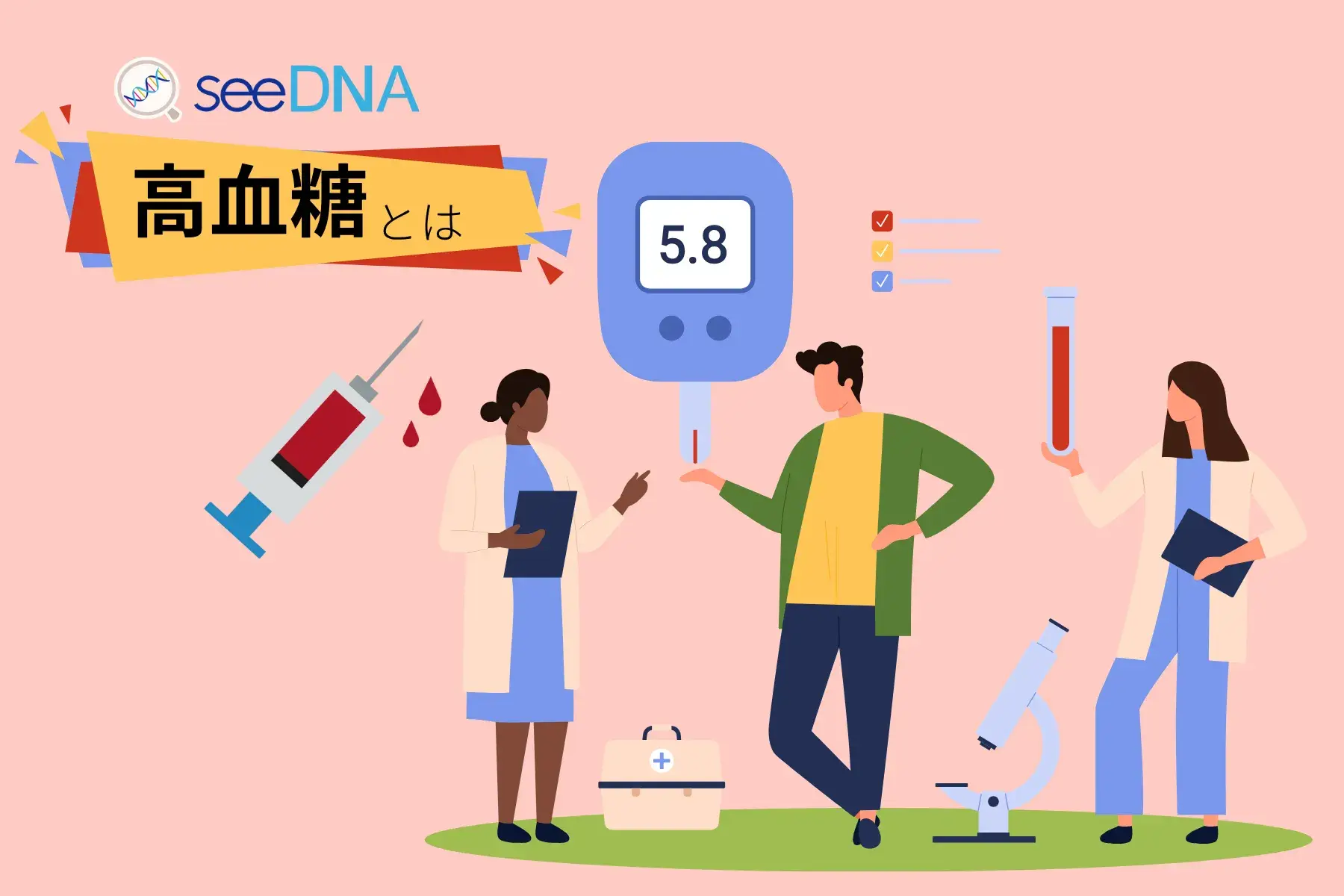
- Hyperglycemia is a condition in which the glucose concentration in the blood rises above normal levels.Diagnosed with fasting blood glucose level of 126 mg/dL or higher or HbA1c of 6.5% or higher.
- T-type mutation in DNA region rs182549A Johns Hopkins University study found that people with diabetes tend to have a higher risk of hyperglycemia.
- The prevalence of type CC among Japanese people is99.9%The prevalence of the T mutation is extremely low compared to the world average (23.2%).
Overview Hyperglycemia is a condition in which the glucose (sugar) in the blood is higher than normal. The body properly manages blood sugar and converts it into energy, but continued high blood sugar levels have negative effects on the body. Symptoms of high blood sugar include frequent urination, unusual thirst, fatigue, weight loss, blurred vision, and slow wound healing. If you experience these symptoms, your body may not be managing your blood sugar well. Prolonged high blood sugar levels increase the risk of complications such as heart disease, kidney disease, and neurological disorders. Diagnosis of hyperglycemia is made by measuring blood sugar levels. Hyperglycemia is diagnosed when the fasting blood glucose level is 126 mg/dL or higher, the glucose tolerance test is 200 mg/dL or higher, or the HbA1c (hemoglobin A1c) is 6.5% or higher. Lifestyle improvements (diet management, regular exercise, weight management) to keep blood sugar levels within the normal range are very important for treatment. A study by Man Li and colleagues at the Johns Hopkins Bloomberg School of Public Health revealed that the risk of developing hyperglycemia is associated with a DNA region called rs182549. There are three genotypes in this DNA region: CC, CT, and TT, and it was found that people with the T genotype tend to have a higher risk of hyperglycemia.
What is hyperglycemia?
Hyperglycemia is a condition in which the concentration of glucose (sugar) in the blood rises above normal levels.Normally, the body properly controls blood sugar using insulin secreted by the pancreas and converts it into an energy source for cells, but when this mechanism breaks down, a state of hyperglycemia persists.
According to the standards of the Japan Diabetes Society, fasting blood sugar level126mg/dL or more, 2 hours after glucose tolerance test200mg/dL or more, or HbA1c (glycosylated hemoglobin)6.5% or moreis diagnosed with hyperglycemia. According to the Ministry of Health, Labor and Welfare's National Health and Nutrition Survey, there are approximately 10 million people in Japan who are strongly suspected of having diabetes, and it is estimated that there are approximately 20 million people including those with pre-hyperglycemia.
Causes and mechanisms of hyperglycemia
Hyperglycemia is caused by insufficient insulin secretion or insulin resistance. The following are the main causes.
- Insufficient insulin secretion:A condition in which the beta cells of the pancreas cannot produce enough insulin (corresponding to type 1 diabetes)
- Insulin resistance:A condition in which cells become less responsive to insulin and glucose uptake decreases (corresponds to type 2 diabetes)
- Genetic predisposition:T-type mutation in DNA region rs182549 affects MCM6 gene expression and is involved in blood sugar regulatory function
- Lifestyle factors:Excessive sugar intake, lack of exercise, obesity, and stress increase blood sugar levels.
Main symptoms of hyperglycemia
Symptoms of hyperglycemiaprogress slowlyIt is characterized by this, and there may be no symptoms in the early stages.
- Frequent urination (polyuria): as the kidneys try to eliminate excess glucose
- Abnormal thirst (polydipsia): Caused by dehydration due to excessive urination
- Chronic fatigue: Because glucose cannot be used as energy
- Unexplained weight loss: fat and muscle are broken down as alternative energy sources
- Blurred vision: Caused by changes in the osmotic pressure of the crystalline lens due to high blood sugar levels
- Slow healing of wounds and infections: due to decreased immune function and impaired blood flow
Diagnostic criteria for hyperglycemia
| Inspection items | normal value | Hyperglycemia (diabetic type) |
|---|---|---|
| fasting blood sugar level | Less than 110mg/dL | 126mg/dL or more |
| Glucose tolerance test (after 2 hours) | Less than 140mg/dL | 200mg/dL or more |
| HbA1c | Less than 5.6% | 6.5% or more |
| Occasional blood sugar level | Less than 140mg/dL | 200mg/dL or more |
Risk of complications from hyperglycemia
Prolonged high blood sugar levels increase the risk of serious complications such as:
- Heart disease:As arteriosclerosis progresses, the risk of myocardial infarction and angina pectoris increases by 2 to 4 times.
- Diabetic nephropathy:Kidney dysfunction may progress and dialysis treatment may become necessary (the number one cause of dialysis initiation)
- Diabetic neuropathy:Peripheral nerves are damaged, resulting in numbness, pain, and decreased sensation in the limbs.
- Diabetic retinopathy:Damage to retinal blood vessels poses a risk of vision loss and blindness.
- Stroke:Increased risk of cerebral infarction and cerebral hemorrhage due to cerebrovascular damage
Treatment and prevention methods for hyperglycemia
The following approaches are effective in treating and preventing hyperglycemia:
- Meal management:Limit carbohydrates, choose foods with low GI values, and actively intake dietary fiber
- Exercise therapy:150 minutes or more of aerobic exercise per week (walking, jogging, etc.)
- Weight management:Maintaining an appropriate weight with a BMI of less than 25
- Drug therapy:Metformin, SGLT2 inhibitors, insulin injections, etc.
- Regular inspection:Early detection by measuring blood sugar levels and HbA1c at least once a year
Relationship between genes and hyperglycemia
Relationship between DNA region rs182549 and onset risk
A study by Man Li and colleagues at the Johns Hopkins Bloomberg School of Public Health revealed that the DNA region rs182549 is associated with the risk of developing hyperglycemia.
- There are three genotypes of rs182549: CC, CT, and TT.
- CT type/TT type with T mutationtend to be at higher risk of hyperglycemia
- CC typeis relatively low risk
However, people with CT type or TT type do not necessarily develop hyperglycemia.The possibility of developing the disease increases due to a combination of lifestyle factors such as diet, exercise, and weight management.
Genotype distribution in Japanese (rs182549)
| Genotype | Percentage of Japanese people | percentage of the world |
|---|---|---|
| CC type | 99.9% | 23.2% |
| CT type | 0.1%以下 | 49.9% |
| TT type | 0.1%以下 | 26.8% |
The CC type accounts for 99.9% of Japanese people, and the prevalence of the T type mutation is extremely low compared to the world average. CT type is the most common type worldwide at 49.9%, and is a genetic region with large regional differences.
Mechanism of action: Relationship between gene MCM6 and blood sugar regulation
DNA region rs182549 is humanMCM6 gene on chromosome 2Located nearby. MCM6 is a gene that encodes a protein involved in DNA replication and also influences transcriptional regulation of the lactase gene (LCT).
The mechanism of T-type mutation of rs182549 is as follows.
- Mutations in the MCM6 gene region → Effect on lactase persistence
- Change in lactose degrading ability → influence on sugar metabolic pathway
- Changes in insulin responsiveness → impact on blood sugar control function
Rationale for testing
Surface DNA region: hyperglycemia
The gene region that most strongly affects hyperglycemia is rs182549. The distribution of isomorphic genotypes in Japan is as follows.
- CC
99.9 % - CT
0.1%以下 - TT
0.1%以下
Basis for inspection
Man of the Johns Hopkins University Bloomberg School of Public Health A study by Li et al. revealed that the risk of developing hyperglycemia is related to genes. There is a region called rs182549 in the human genome, and there are two types of mutations, C and T, in the gene in this region. It was found that people with the T mutation tend to have a higher risk of hyperglycemia. The CC type accounts for 99.9% of Japanese people, and the prevalence of the T type mutation is extremely low compared to the world average.
The DNA region investigated this time
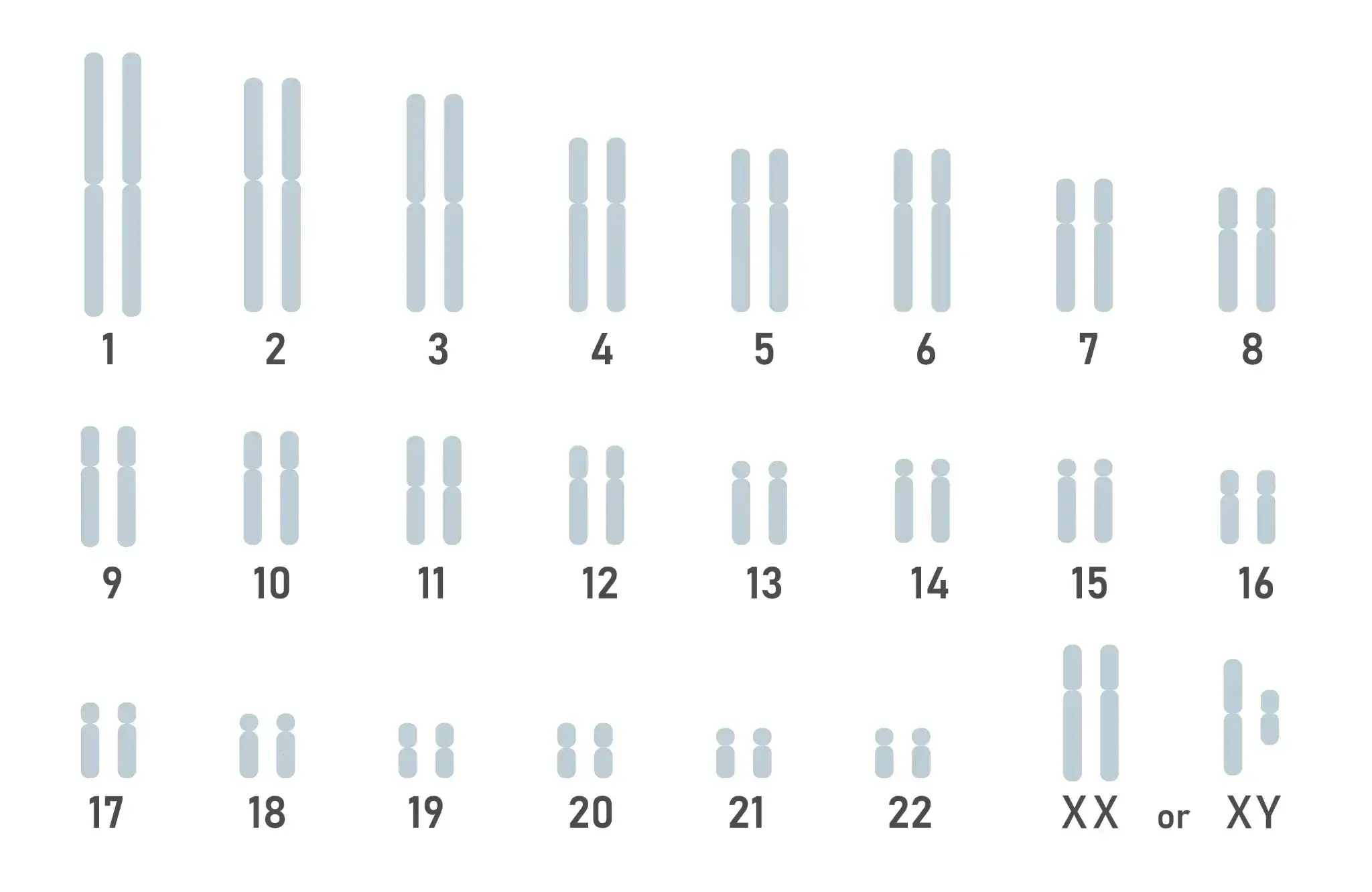
Schematic diagram of DNA map present in cells
- ■
- ■
- ■
- ■
- ■
- ■
- ■
- ■
- ■
Related genes
| Related genes | MCM6 |
|---|
Frequently asked questions (FAQ)
Q1. What is hyperglycemia?
Hyperglycemia is a condition in which the concentration of glucose in the blood rises above normal levels.Fasting blood sugar level 126 mg/dL or higher, or HbA1c It is diagnosed in 6.5% or more. In Japan, it is estimated that there are approximately 10 million people who are strongly suspected of having diabetes, and approximately 20 million people including those with pre-hyperglycemia.
Q2. What is the cause of hyperglycemia?
The main cause isInsufficient insulin secretion or insulin resistanceIt is. Decreased pancreatic beta cell function, excessive carbohydrate intake, lack of exercise, obesity, and stress increase blood sugar levels. As a genetic factor, the T-type mutation in the DNA region rs182549 has been identified as a risk factor.
Q3. What is the difference between hyperglycemia and diabetes?
Hyperglycemia is a state of high blood sugar levelsPointing toDiabetes is a disease in which high blood sugar levels persist chronically.It is. Temporary hyperglycemia can occur after meals or during illness, but diabetes is diagnosed when it chronically exceeds the standard value.
Q4. Can the risk of hyperglycemia be determined by genetic testing?
By examining the genotype of DNA region rs182549,Understand the risk trend of developing hyperglycemiaYou can. A study by Johns Hopkins University found that people with the T mutation (CT/TT) tend to be at higher risk.
Q5. How can I prevent hyperglycemia?
To prevent hyperglycemia,Dietary management (carbohydrate restriction, low GI food selection), aerobic exercise of 150 minutes or more per week, BMI Maintaining a healthy weight below 25is effective. Early detection and early treatment are possible through regular inspections that measure blood sugar levels and HbA1c at least once a year.
References
- Reference link 1: 2017 Jun., Man Li, Sci Rep