
 liver fibrosis
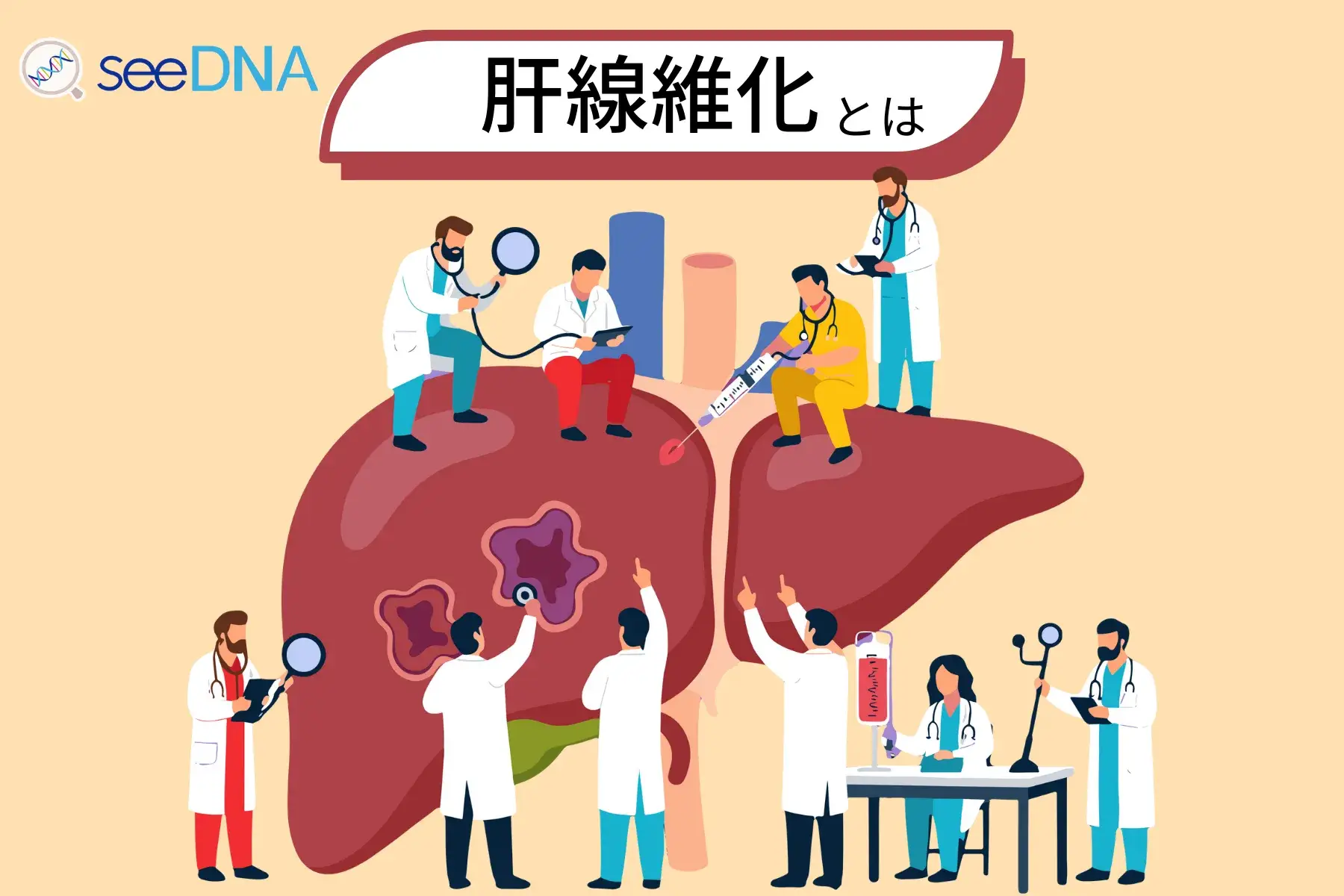
- Liver fibrosis is a disease in which healthy tissue in the liver is replaced with scar tissue, resulting in decreased liver function.As it progresses, it can lead to liver cirrhosis and liver failure.
- C-type mutation in DNA region rs1953124Research shows that people with the disease tend to be at higher risk of developing
- appropriateAbstinence from drinking, dietary management, and exercise habitscan slow progression and maintain liver health
Overview Liver fibrosis is a disease in which healthy tissue in the liver is replaced by scar tissue, reducing liver function. The main causes are chronic hepatitis (especially types B and C), alcoholic liver disease, nonalcoholic fatty liver disease (NAFLD), and genetic disorders. Liver fibrosis occurs during the continuous injury and repair process of the liver. Damaged liver cells attempt to repair themselves, but in the process they produce excess connective tissue, which accumulates in the liver and negatively affects blood flow and liver function. In the early stages, there are few symptoms, but as the disease progresses, symptoms such as fatigue, malaise, abdominal pain, loss of appetite, weight loss, jaundice, and ascites (fluid accumulation in the stomach) appear. This ultimately leads to liver cirrhosis and liver failure, which can be life-threatening. Treatment depends on the cause, including antiviral medications, alcohol withdrawal, and lifestyle changes. In severe cases, liver transplantation may be considered. A healthy lifestyle is important to slow the progression. It is important to avoid alcohol intake, eat a balanced diet, exercise moderately, and avoid substances that are harmful to the liver. A study by Namjou and colleagues at Cincinnati Children's Hospital Medical Center revealed that the risk of liver fibrosis is associated with a DNA region called rs1953124. There are three genotypes in this DNA region: CC, CG, and GG, and it was found that people with the C genotype tend to have a higher risk of liver fibrosis.
What is liver fibrosis?
Liver fibrosis is a disease in which healthy tissue in the liver is replaced by scar tissue (collagen), resulting in decreased liver function.It is caused by chronic liver damage, which progresses to cirrhosis and liver failure.
Causes and mechanisms of liver fibrosis
Liver fibrosis occurs during the continuous injury and repair process of the liver. As damaged liver cells attempt to repair themselves, they produce excess connective tissue, which negatively affects blood flow and liver function.
The main causes are as follows.
- Chronic viral hepatitis:Persistent infection with hepatitis B and hepatitis C
- Alcoholic liver disease:Damage to liver cells due to excessive drinking
- Nonalcoholic fatty liver disease (NAFLD):Fatty liver related to obesity and diabetes
- Autoimmune liver disease:Immune system attacks liver cells
- Genetic factors:C-type mutation in DNA region rs1953124
Main symptoms of liver fibrosis
There are almost no symptoms in the early stagesTherefore, there are cases where the discovery is delayed. As the disease progresses, the following symptoms appear.
- Chronic fatigue/fatigue
- Abdominal pain/bloating
- Anorexia/weight loss
- Jaundice (yellowing of the skin and eyes)
- Ascites (water buildup in the stomach)
Difference between liver fibrosis and cirrhosis
| Comparison items | liver fibrosis | liver cirrhosis |
|---|---|---|
| step | Early to mid-stage scarring | Final stage of scarring |
| reversibility | Possibility of improvement by removing the cause | irreversible condition |
| liver function | Mild to moderate decline | severe impairment |
| symptoms | Asymptomatic at first | Jaundice, ascites, bleeding tendency |
| treatment | Cause treatment/lifestyle improvement | Liver transplant may be required |
Progressive stage of liver fibrosis (METAVIR score)
The severity of liver fibrosis is evaluated in the following five stages.
| stage | Degree of fibrosis | Features |
|---|---|---|
| F0 | No fibrosis | normal liver |
| F1 | Mild fibrosis | Fibrosis in the portal area |
| F2 | Moderate fibrosis | Few bridging fibrosis |
| F3 | severe fibrosis | Extensive cross-linked fibrosis |
| F4 | liver cirrhosis | complete scarring |
Treatment and prevention
Treatment depends on the cause. In severe cases, liver transplantation may be considered.
- Antiviral drugs:Treatment for viral hepatitis
- Abstinence:Essential in case of alcoholic liver disease
- Improving lifestyle habits:Balanced diet and moderate exercise
- Regular inspection:Regular monitoring of liver function
Relationship between genes and liver fibrosis
Relationship between DNA region rs1953124 and onset risk
A study by Namjou and colleagues at Cincinnati Children's Hospital Medical Center found that the DNA region rs1953124 is associated with the risk of liver fibrosis.
- There are three genotypes of rs1953124: CC, CG, and GG.
- Genotype with type C mutationpeople tend to have a higher risk of liver fibrosis
Genotype distribution in Japanese (rs1953124)
| Genotype | Percentage of Japanese people | percentage of the world |
|---|---|---|
| CC type | 0.4% | 8.8% |
| CG type | 12.5% | 41.7% |
| GG type | 86.9% | 49.3% |
Rationale for testing
Surface DNA region: liver fibrosis
The gene region that most strongly influences liver fibrosis is rs1953124. The distribution of isomorphic genotypes in Japan is as follows.
- CC
0.4 % - CG
12.5 % - GG
86.9 %
Basis for inspection
A study by Namjou et al. at Cincinnati Children's Hospital Medical Center revealed that the risk of developing liver fibrosis is linked to genes. There is a region called rs1953124 in the human genome, and there are two types of mutations, C and A, in the gene in this region. It was found that people with type C mutations tend to have a higher risk of liver fibrosis.
The DNA region investigated this time
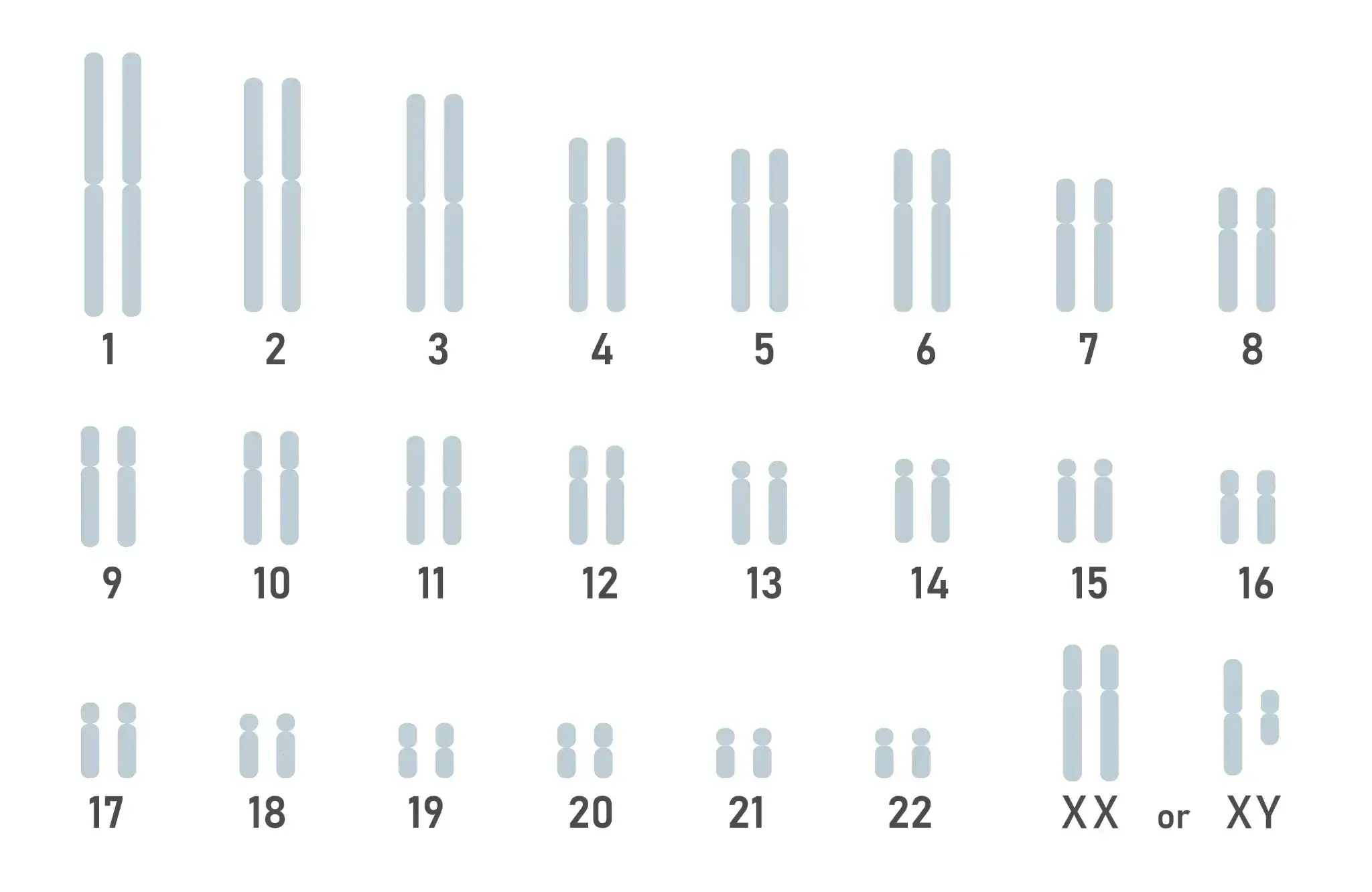
Schematic diagram of DNA map present in cells
- ■
- ■
- ■
- ■
- ■
- ■
- ■
- ■
- ■
Related genes
| Related genes | STARP1 |
|---|
Frequently asked questions (FAQ)
Q1. What is liver fibrosis?
Liver fibrosis is a disease in which healthy tissue in the liver is replaced with scar tissue (collagen), resulting in decreased liver function.The main causes are chronic hepatitis (types B and C), alcoholic liver disease, and non-alcoholic fatty liver disease (NAFLD), and as it progresses, it can lead to cirrhosis and liver failure.
Q2. What is the cause of liver fibrosis?
The main cause ischronic damage to the liverIt is. Persistent infection with hepatitis B and C viruses, excessive alcohol consumption, nonalcoholic fatty liver disease (NAFLD), and autoimmune liver disease are major risk factors. Carriers of type C mutation in the DNA region rs1953124 tend to be at higher risk.
Q3. What is the difference between liver fibrosis and liver cirrhosis?
Liver fibrosis isEarly to intermediate stages of liver scarringTherefore, there is a possibility of improvement if the cause is removed. Cirrhosis is caused by fibrosis.Irreversible condition that has progressed to the final stageThis increases the risk of liver failure and liver cancer.
Q4. Can genetic testing determine the risk of liver fibrosis?
By examining the genotype of the DNA region rs1953124,Understanding risk trends for liver fibrosisYou can. People with the genotype C tend to be at higher risk, a study from Cincinnati Children's Hospital Medical Center found.
Q5. Is there any way to prevent liver fibrosis?
Limit alcohol intake, eat a balanced diet, and exercise moderatelyis valid. Vaccination against hepatitis viruses, avoidance of substances harmful to the liver, and regular liver function tests are also important preventive measures.
References
- Reference link 1: 2019 Jul., Bahram Namjou, BMC Med