
 wart hemorrhoids

- Hemorrhoids are a disease that causes bleeding and prolapse due to swelling of the anal cushion.and the prevalence is 4.4-13.3%
- Type A mutation in DNA region rs7994724A study of about 1 million people found that people with the disease tend to have a higher risk of developing the disease
- appropriateDietary fiber intake, lifestyle improvement, drug therapyIt is possible to reduce symptoms and prevent recurrence.
Overview Hemorrhoids (hemorrhoids) are a disease in which bleeding and hemorrhoids occur due to the gradual enlargement of blood vessels and connective tissue (anal cushion) under the anal mucosa and deep under the anal skin. Internal hemorrhoids occur closer to the intestines than the anus, and external hemorrhoids occur closer to the skin than the anus. (Reference link 1) The prevalence is said to be 4.4% to 13.3% overseas, and it is caused by lifestyle factors such as chronic constipation and insufficient intake of dietary fiber. The prevailing theory is that it occurs due to weakening of supporting tissues, and aging and genetic predisposition have also been reported. (Reference links 1 and 2) Treatment includes lifestyle changes, drug therapy, and surgical treatment for severe cases. By performing a genetic test, you can find out what kind of tendencies your own DNA type has. 2. Rationale Research teams based in countries such as Spain, Austria, Sweden, Germany, Denmark, and Norway conducted studies using genetic data. In this study, genetic data from approximately 1 million people, including patients with hemorrhoids and healthy individuals, was analyzed. As a result, several DNA regions associated with hemorrhoids were identified. It was found that "rs7994724" is one of the DNA regions with the highest correlation. This DNA region "rs7994724" has three genotypes: "GG", "GA", and "AA", and the distribution of Japanese people is 98.3% "GG", 1.7% "GA", and 0.0001% "AA". (Reference link 3) Some reports indicate that people with the Risk Allele "A" genotype have a higher risk of hemorrhoids, and it has been suggested that the "GA" and "AA" genotypes may have a higher risk. 3. Mechanism of action The DNA region "rs7994724" is located on chromosome 13 and is an SNV located upstream of the gene "DLEU7", so it has been pointed out that it is related to the gene "DLEU7". The gene "DLEU7" is a gene that produces a protein, but the function of this protein has not yet been elucidated. Although it has been reported that the expression of the gene DLEU7 decreases in chronic lymphocytic leukemia, the detailed mechanism has not been elucidated, and there are no reports yet on its relationship with hemorrhoids. (Reference link 4) However, because many factors are involved in hemorrhoids, such as dilation of blood vessels and formation of blood clots, the function of surrounding connective tissue and muscles, and intestinal peristalsis (independent movement of the intestinal tract, such as expelling stool and gas from the body) by nerves, there is a possibility that the gene DLEU7 is also involved in some way, and we hope to find out more in the future. Currently, the DNA region ``rs7994724'' located on chromosome 13 is one of the single nucleotide polymorphisms that is attracting attention as it is associated with the risk of ``hemorrhoids.''
What is hemorrhoids?
Hemorrhoids (hemorrhoids) are a disease in which the blood vessels and connective tissue (anal cushion) under the anal mucosa swell, causing bleeding and prolapse of the hemorrhoid.Reports from overseas indicate that the prevalence is 4.4-13.3%, and it is one of the common anal diseases in Japan (1).
Causes and mechanisms of hemorrhoids
Hemorrhoids occur when the supporting tissue of the anal cushion weakens. The following factors are involved in a complex manner:
- Chronic constipation/straining:Excessive abdominal pressure during defecation pushes out the anal cushion
- Dietary fiber deficiency:Stool becomes hard, causing difficulty defecating
- Sitting for long periods of time:Causes stagnation of blood flow around the anus
- Aging:Decreased elasticity of supporting tissues
- Genetic predisposition:Association with type A mutation in DNA region rs7994724 has been reported (2)
Difference between internal hemorrhoids and external hemorrhoids
| Comparison items | internal hemorrhoids | external hemorrhoids |
|---|---|---|
| Occurrence site | Above the dentate line (rectal side) | Below the dentate line (skin side) |
| Main symptoms | Painless bleeding/prolapse | Pain, swelling, and blood clot formation |
| pain | Painless at first | accompanied by strong pain |
| Severity classification | Goligher classification Ⅰ~Ⅳ degree | Classified by the presence or absence of blood clots |
Main symptoms of hemorrhoids
Symptoms progress gradually and include the following signs:
- during defecationbright red bleeding(Blood on the toilet paper)
- from the anushemorrhoid prolapse(Natural reduction at the beginning, manual reduction is required as it progresses)
- around the anusSwelling/discomfort
- In case of external hemorrhoidsacute pain(thrombotic external hemorrhoid)
- due to mucus leakageItching around the anus
Treatment for hemorrhoids
Treatment is graded depending on the severity of symptoms (1).
- Conservative treatment:Increased intake of dietary fiber (20-25g per day), moderate exercise, warm sitz baths
- Drug therapy:Suppositories/ointments (containing steroids, local anesthetics)
- Minimally invasive treatment:Rubber band ligation, sclerotherapy (ALTA therapy)
- Surgical treatment:Ligation and excision (Milligan-Morgan method), PPH method
How to prevent hemorrhoids
The following lifestyle changes are effective for prevention.
- Consume at least 20-25g of dietary fiber per day
- Drink 1.5-2L of water per day
- Avoid excessive straining during defecation (within 3 minutes as a guide)
- Avoid sitting for long periods of time and stand up at least once an hour
- maintain a moderate exercise habit
The relationship between genes and hemorrhoids
Relationship between DNA region rs7994724 and onset risk
A study by Zheng et al. (2) conducted by an international collaborative research team from Spain, Austria, Sweden, Germany, Denmark, Norway, and other countries revealed that the DNA region rs7994724 is associated with the risk of developing hemorrhoids.
The study analyzed genetic data from approximately 1 million people, including patients with hemorrhoids and healthy individuals.
- There are three genotypes of rs7994724: GG, GA, and AA.
- Genotype with type A mutation (Risk Allele)people tend to have a higher risk of developing hemorrhoids
- Suggests that GA and AA types may have a higher risk
Mechanism of action: DNA region rs7994724 and gene DLEU7
DNA region rs7994724 ischromosome 13This is an SNV (single nucleotide polymorphism) located upstream of the gene "DLEU7". DLEU7 is a protein-coding gene, but its function has not been completely elucidated (4).
For warts and hemorrhoidsDilation of blood vessels, formation of blood clots, weakening of connective tissue, intestinal peristalsisMultiple factors are involved, and it has been suggested that DLEU7 may also be involved in these processes in some way.
Genotype distribution in Japanese (rs7994724)
| Genotype | Percentage of Japanese people | percentage of the world |
|---|---|---|
| AA type | 0.1%以下 | 11.7% |
| AG type | 2.8% | 45.0% |
| GG type | 97.1% | 43.1% |
97.1% of Japanese people are type GG, and the prevalence of type A mutations tends to be lower than the global average (3).
Rationale for testing
Surface DNA region: wart hemorrhoids
The gene region that most strongly affects hemorrhoids is rs7994724. The distribution of isomorphic genotypes in Japan is as follows.
- AA
0.1%以下 - AG
2.8 % - GG
97.1 %
Basis for inspection
A study by Zheng et al., conducted by an international collaborative research team from Spain, Austria, Sweden, Germany, Denmark, and Norway, revealed that the risk of developing hemorrhoids is related to genes. There are two types of mutations, G and A, in the rs7994724 region, and type A mutation (Risk People with hemorrhoids tend to have a higher risk of developing hemorrhoids (2).
The DNA region investigated this time
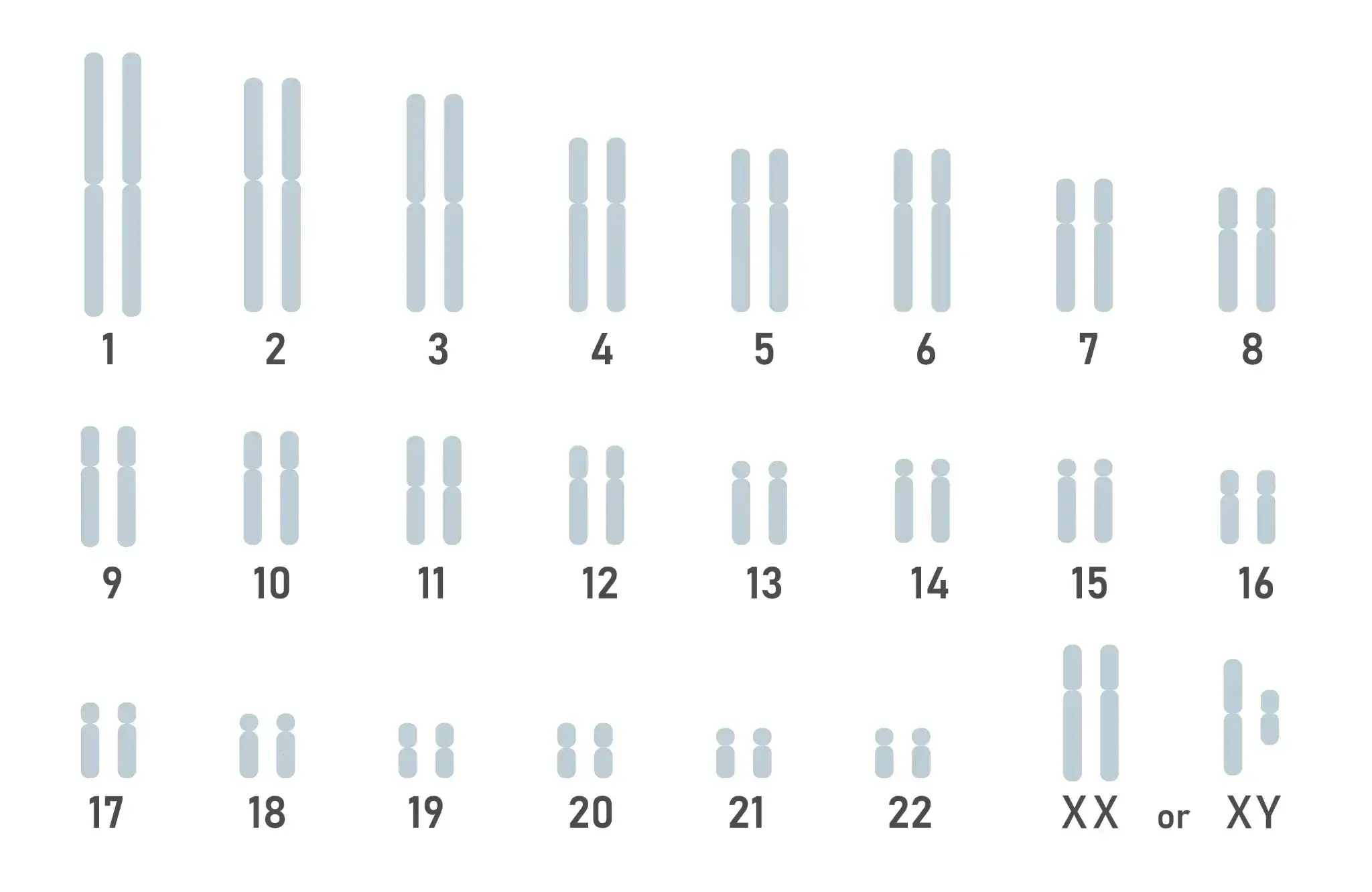
Schematic diagram of DNA map present in cells
- ■
- ■
- ■
- ■
- ■
- ■
- ■
- ■
- ■
Related genes
| Related genes | DLEU1 |
|---|
Frequently asked questions (FAQ)
Q1. What is hemorrhoids?
Hemorrhoids (hemorrhoids) are a disease in which the blood vessels and connective tissue (anal cushion) under the anal mucosa swell, causing bleeding and prolapse of the hemorrhoid.Internal hemorrhoids occur on the intestine side of the anus, and external hemorrhoids occur on the skin side. The prevalence has been reported to be 4.4–13.3% (1).
Q2. What is the cause of hemorrhoids?
The main cause isChronic constipation, insufficient dietary fiber intake, prolonged sittingSuch lifestyle habits. The leading theory is that the supporting tissue of the anal cushion weakens, and aging and genetic predisposition also play a role. Carriers of the type A mutation in the DNA region rs7994724 tend to be at increased risk (2).
Q3. What is the relationship between hemorrhoids and genes?
DNA region rs7994724 (chromosome 13)People with the genotype A mutationA genomic study of approximately 1 million people found that these people tend to have a higher risk of developing hemorrhoids. 97.1% of Japanese people are type GG, and the prevalence of type A mutations tends to be lower than the global average (3).
Q4. What are the treatments for hemorrhoids?
In mild casesLifestyle improvement and drug therapy(suppositories and ointments) are the main products. For moderate cases, rubber band ligation and sclerotherapy (ALTA therapy) are used, and for severe cases, ligation and excision (Milligan-Morgan method) and PPH method are applied (1).
Q5. How to prevent hemorrhoids?
For preventionConsume 20-25g of dietary fiber per dayIt is important to keep yourself hydrated, avoid sitting for long periods of time or straining, and exercise regularly. Prevention of constipation is considered the most effective preventive measure.
References
- Reference link 1: Anal diseases (hemorrhoids, anal fistulas, anal fissures) and rectal prolapse treatment guidelines Japanese Society of Coloproctology
- Reference link 2: 2021 Apr., Tenghao Zheng, Gut.
- Reference link 3: Information on DNA region “rs7994724” NIH
- Reference link 4: 2003 Dce., Marianne Hammarsund, FEBS letters.
- Reference link 5: 2021 Apr., Tenghao Zheng, Gut