
 heart failure
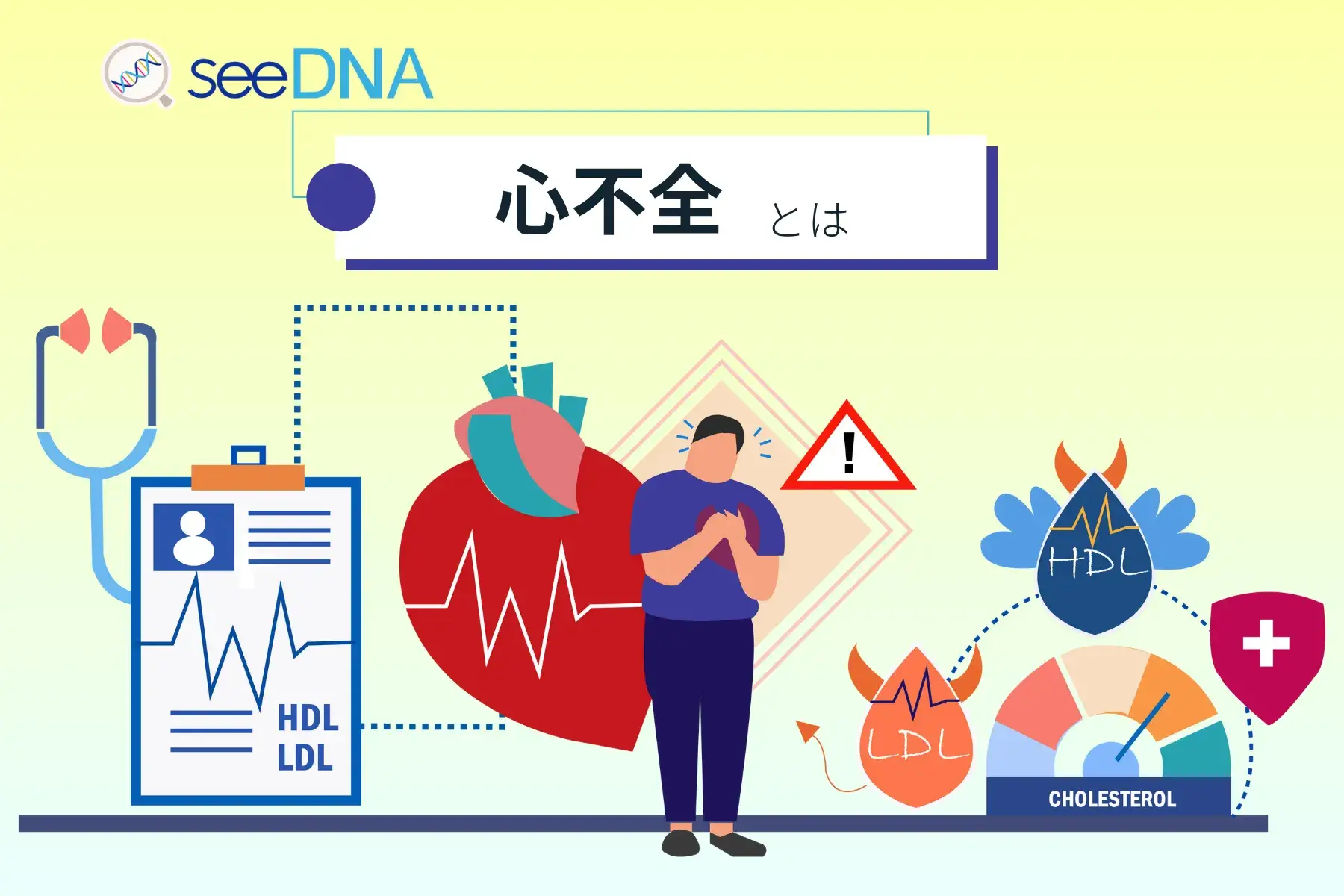
- Heart failure is a syndrome in which the heart is unable to pump enough blood to meet the body's needs.It is classified into two types: HFrEF and HFpEF.
- G-type mutation in DNA region rs10455872A Harvard University study found that people with
- early diagnosis andLifestyle improvement/appropriate treatmentIt is possible to prevent progression and improve prognosis.
Overview Heart failure is a syndrome that occurs when the heart cannot pump enough blood to meet the body's needs, or only at high pressures. The main symptoms include shortness of breath when exercising or lying down, persistent coughing or wheezing, fatigue, weakness, swelling in the legs, ankles, or abdomen, fast or irregular heartbeat, and difficulty concentrating. You may also experience nocturnal urination and rapid weight gain. The appearance may be normal, or there may be signs of oxygen deprivation, such as cyanosis, swollen jugular veins, or a swollen liver. Heart failure is classified into low ejection fraction heart failure (HFrEF), which is a problem with the heart's ability to contract, and heart failure with preserved ejection fraction (HFpEF), which is a problem with the heart's ability to relax. As the disease progresses, it often becomes chronic and worsens, so early diagnosis, early treatment, and lifestyle changes are important. A study by Rasooly et al. at Harvard Medical School revealed that the risk of developing heart failure is associated with a DNA region called rs10455872. There are three genotypes in this DNA region: AA, AG, and GG, and it was found that people with the G genotype tend to have a higher risk of heart failure.
What is heart failure?
Heart failure is a syndrome that occurs when the heart cannot pump enough blood to meet the body's needs, or only at high pressures.It is a chronically progressive disease, and early detection and treatment greatly affect the prognosis.
Main symptoms of heart failure
Symptoms of heart failure include:
- Shortness of breath:Occurs when exercising or lying down
- Persistent cough/wheeze:Respiratory symptoms due to pulmonary congestion
- Fatigue/decreased physical strength:Systemic symptoms associated with decreased cardiac output
- Swelling (edema):Appears on legs, ankles, and abdomen
- Fast or irregular heartbeat:Tachycardia as a compensatory function
- Decreased concentration:due to decreased blood flow to the brain
- Nocturnal urination/rapid weight gain:Signs of fluid retention
Two classifications of heart failure and their differences
Heart failure is divided into two types based on the heart's ejection fraction.
| Comparison items | HFrEF (low ejection fraction heart failure) | HFpEF (preserved ejection fraction heart failure) |
|---|---|---|
| Pathological condition | Decreased contractility of the heart | Insufficient relaxation of the heart |
| ejection fraction | 40% or less | 50% or more |
| Main cause | Myocardial infarction/dilated cardiomyopathy | High blood pressure/diabetes/aging |
| Age of onset | Relatively young to middle-aged | common in elderly people |
| treatment approach | Drug therapy (ACE inhibitors, β-blockers, etc.) | Management of underlying diseases/diuretics |
External signs of heart failure
Heart failure may appear normal, but the following signs may appear:
- Cyanosis:bluish discoloration of the skin (a sign of oxygen deficiency)
- Jugular vein distension:Increased venous pressure due to right heart failure
- Hepatomegaly:congestive hepatomegaly
Main causes and risk factors of heart failure
The main diseases and risk factors that cause heart failure are:
- Coronary artery disease:Myocardial damage due to decreased blood flow to the heart muscle
- High blood pressure:Myocardial hypertrophy due to long-term pressure overload
- Heart valve disease:Hemodynamic abnormalities due to valve dysfunction
- Cardiomyopathy:Structural and functional abnormalities of the myocardium itself
- Genetic factors:G-type mutation in DNA region rs10455872
The relationship between genes and heart failure
Relationship between DNA region rs10455872 and onset risk
A study by Rasooly et al. (1) from Harvard Medical School found that the DNA region rs10455872 is associated with the risk of heart failure.
- There are three genotypes of rs10455872: AA, AG, and GG.
- Genotype with type G mutationpeople tend to be at higher risk of heart failure
Genotype distribution in Japanese (rs10455872)
| Genotype | Percentage of Japanese people | percentage of the world |
|---|---|---|
| AA type | 99.9% | 88.0% |
| AG type | 0.1%以下 | 11.5% |
| GG type | 0.1%以下 | 0.3% |
Rationale for testing
Superficial DNA region: heart failure
The gene region most strongly associated with heart failure is rs10455872. The distribution of isomorphic genotypes in Japan is as follows.
- AA
99.9 % - AG
0.1%以下 - GG
0.1%以下
Basis for inspection
A study by Rasooly et al. at Harvard Medical School revealed that the risk of developing heart failure is linked to genes. There is a region called rs10455872 in the human genome, and there are two types of mutations, A and G, in the gene in this region.People with the G mutation tend to have a higher risk of heart failureI found out that (1).
The DNA region investigated this time
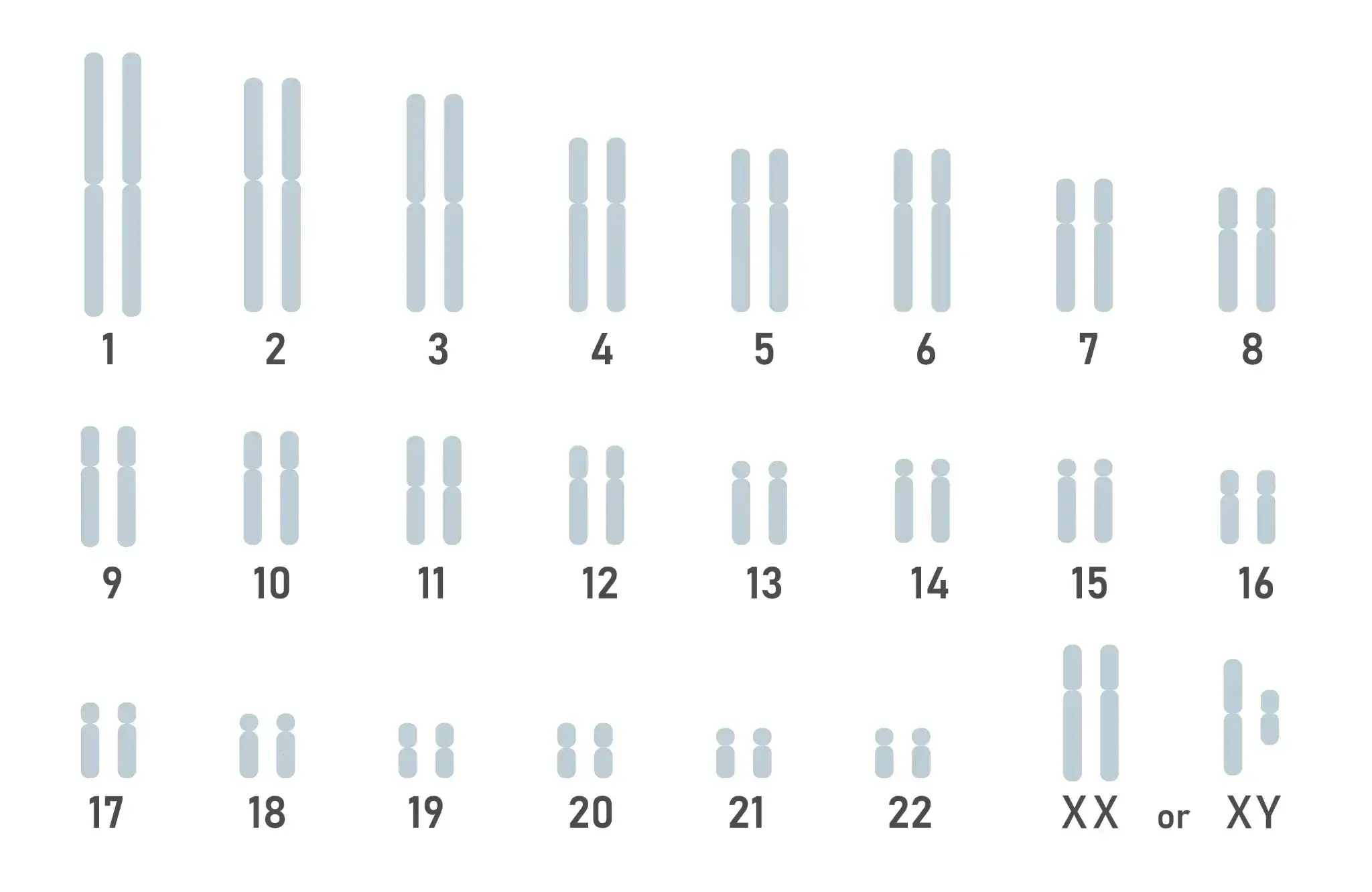
Schematic diagram of DNA map present in cells
- ■
- ■
- ■
- ■
- ■
- ■
- ■
- ■
- ■
Related genes
| Related genes | LPA |
|---|
Frequently asked questions (FAQ)
Q1. What is heart failure?
Heart failure is a syndrome in which the heart cannot pump enough blood to meet the body's needs.It is classified into two types: heart failure with low ejection fraction (HFrEF) and heart failure with preserved ejection fraction (HFpEF), and symptoms include shortness of breath, fatigue, and swelling (1).
Q2. What is the main cause of heart failure?
The main cause isCoronary artery disease, hypertension, heart valve disease, cardiomyopathyIt is. These reduce the heart's pumping ability. As a genetic factor, the G-type mutation in the DNA region rs10455872 is associated with risk (1).
Q3. What is the difference between HFrEF and HFpEF in heart failure?
HFrEF isDecreased contractility of the heartThe ejection fraction is below 40%. HFpEF isInsufficient heart relaxationThis is a condition in which blood filling is blocked even though the ejection fraction is maintained at 50% or higher.
Q4. Can genetic testing determine the risk of heart failure?
By examining the genotype of the DNA region rs10455872,Understanding trends in the risk of developing heart failureYou can. A Harvard University study found that people with the G mutation genotype tend to be at higher risk (1).
References
- Reference link 1: 2023 Jul., Danielle Rasooly, Nat Commun