
 Newborn health status
- The health condition of newborns is evaluated by birth weight (2.5 to 4.0 kg) and height (approximately 50 cm)and reflects intrauterine growth, maternal health, and genetic factors.
- C-type mutation in DNA region rs1482853A University of Chicago study found that newborns with
- The prevalence of type C mutation (CC+CA) in Japanese people is78.6%This is a slightly lower percentage than the world average of 85.1%.
Overview Height and weight at birth are important indicators that reflect intrauterine growth, nutrition, maternal health, and genetic factors. Although numbers vary by country, region, maternal health, and genetic background, in general, a healthy birth weight ranges from 2.5 kilograms to 4.0 kilograms (5.5 pounds to 8.8 pounds), and the average length of a newborn is about 50 centimeters (20 inches). Significant deviations from these ranges can indicate health problems or developmental abnormalities. For example, low birth weight (less than 2.5 kilograms) is a sign of nutritional deficiencies during pregnancy and premature birth, which can lead to health problems such as developmental delays and weak immunity to infections. Conversely, an excessively high birth weight increases the risk of birth complications and later development of obesity and diabetes. Research by Urbanek and colleagues at the University of Chicago revealed that the health status of newborns is associated with a DNA region called rs1482853. There are three genotypes in this DNA region: CC, CA, and AA, and it was found that newborns with type C mutations tend to be in good health.
What is the health condition of a newborn baby?
Neonatal health status is the level of health of a baby at birth, assessed using birth weight and height as key indicators.These numbers comprehensively reflect growth conditions in the womb, nutritional status, maternal health status, and genetic factors.
Standard values for healthy birth weight and height
Although it varies depending on the country and region, the mother's health condition, and genetic background, the general standards are as follows.
- Birth weight:2.5kg to 4.0kg (5.5lb to 8.8lb)
- Birth height:Approximately 50cm (approximately 20 inches)
Risks if birth weight is outside the standard range
Birth weights outside this range increase the following health risks:
| classification | standards | Main risks |
|---|---|---|
| low birth weight baby | Less than 2.5kg | Signs of developmental delay, decreased immunity to infectious diseases, and nutritional deficiencies |
| giant baby | Over 4.0kg | Complications during childbirth, future obesity risk, and increased risk of developing diabetes |
Factors influencing the health status of newborns
A newborn's health condition is influenced by a combination of the following factors:
- Maternal nutritional status:Nutrient intake during pregnancy directly affects fetal growth
- Gestation period:Preterm birth (<37 weeks) is the leading cause of low birth weight
- Mother's health status:Gestational hypertension and gestational diabetes affect birth weight
- Genetic factors:DNA regions rs1482853 and rs12534093 are associated with health status
Relationship between genes and newborn health status
Relationship between DNA region rs1482853 and newborn health status
A study by Urbanek and colleagues at the University of Chicago revealed that the health status of newborns is associated with the DNA region rs1482853.
- There are three genotypes of rs1482853: CC, CA, and AA.
- Genotype with type C mutation(CC type/CA type) newborns tend to be in good health.
Comparison of genotype distribution between Japanese and the world (rs1482853)
| Genotype | Percentage of Japanese people | percentage of the world |
|---|---|---|
| CC type | 28.9% | 37.8% |
| CA type | 49.7% | 47.3% |
| AA type | 21.3% | 14.7% |
The prevalence of type C mutation (CC+CA) in Japanese people is78.6%This is a slightly lower percentage than the global average of 85.1%.
DNA region rs12534093 and newborn health status
In addition to rs1482853,DNA region rs12534093are also involved in the health status of newborns.
Comparison of genotype distribution in Japanese and the world (rs12534093)
| Genotype | Percentage of Japanese people | percentage of the world |
|---|---|---|
| TT type | 99.9% | 61.3% |
| TA type | 0.1%以下 | 33.9% |
| AA type | 0.1%以下 | 4.7% |
Japanese people have TT type in rs12534093.99.9%, which is significantly higher than the global average (61.3%). This genetic homogeneity shows a characteristic pattern of the Japanese population.
Rationale for testing
Superficial DNA region: Newborn health status
The gene region that most strongly influences the health status of newborns is rs1482853. The distribution of isomorphic genotypes in Japan is as follows.
- CC
28.9 % - CA
49.7 % - AA
21.3 %
Another gene region related to the health status of newborns is rs12534093. The distribution of isomorphic genotypes in Japan is as follows
- TT
99.9 % - TA
0.1%以下 - AA
0.1%以下
Basis for inspection
A study by Urbanek et al. at the University of Chicago revealed that the health status of newborns is linked to genes. There is a region called rs1482853 in the human genome, and there are two types of mutations, C and A, in the gene in that region. It was found that newborns with the type C mutation tended to be in good health.
The DNA region investigated this time
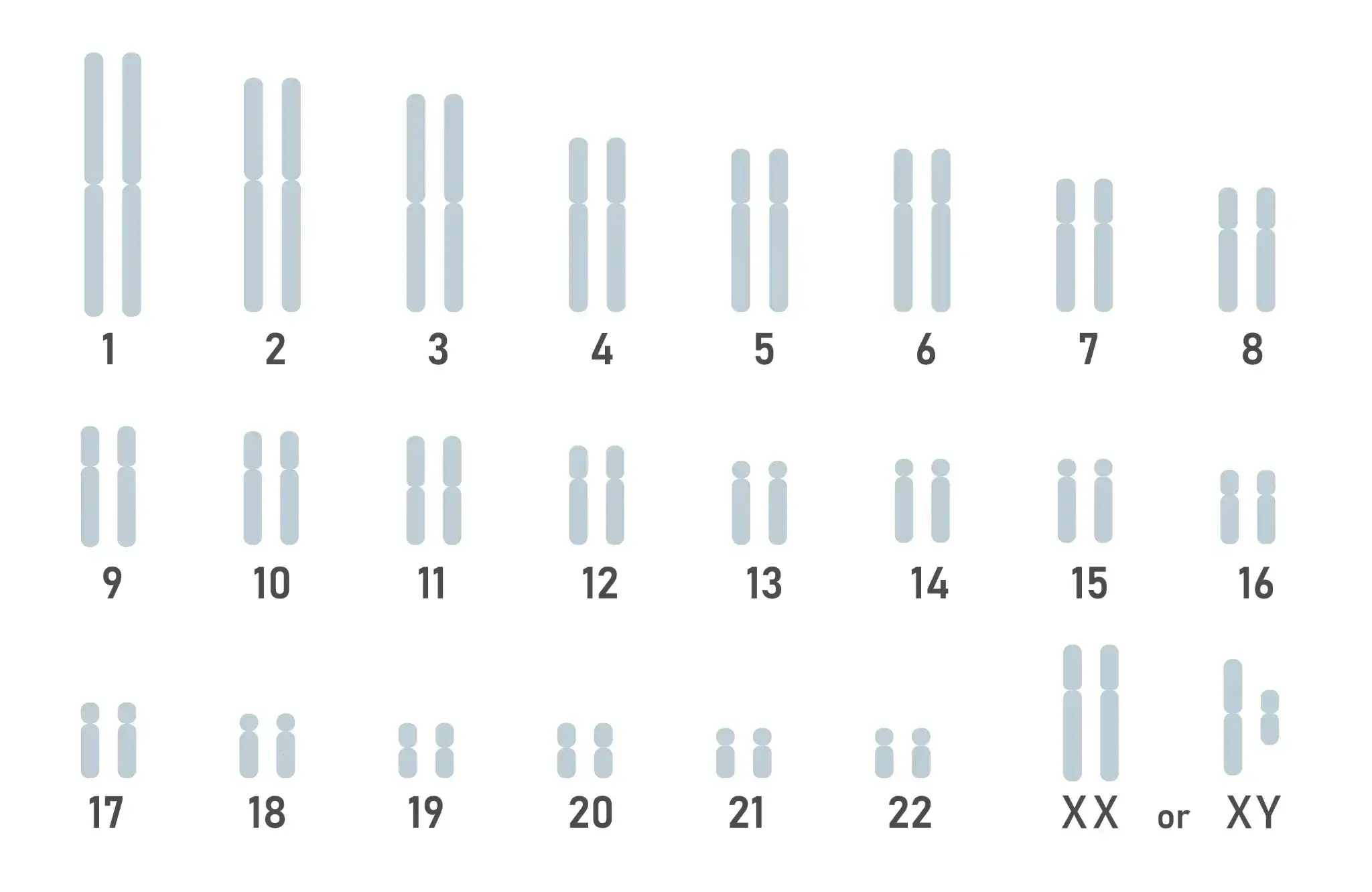
Schematic diagram of DNA map present in cells
- ■
- ■
- ■
- ■
- ■
- ■
- ■
- ■
- ■
Related genes
| Related genes | LEKR1 |
|---|---|
| Related genes | IGF2BP3 |
Frequently asked questions (FAQ)
Q1. What is the health condition of a newborn baby?
Neonatal health status is the level of health of a baby at birth, assessed using birth weight and height as key indicators.A healthy birth weight is 2.5 kg to 4.0 kg, and the average height is approximately 50 cm. These numbers comprehensively reflect growth in the womb, nutritional status, maternal health, and genetic factors.
Q2. Is a newborn's health condition related to genes?
Yes.A study by Urbanek et al. at the University of Chicago found that the DNA region rs1482853 is associated with the health status of newborns.There are three genotypes of rs1482853: CC, CA, and AA, and newborns with the C mutation tend to be in good health.
Q3. What is the normal range for birth weight?
A healthy birth weight is 2.5 kg to 4.0 kg (5.5 lbs to 8.8 lbs).Low birth weight infants weighing less than 2.5 kg are at increased risk of developmental delays and infectious diseases due to malnutrition during pregnancy and premature birth. Large babies weighing over 4.0 kg are at increased risk of complications during childbirth and future obesity and diabetes.
Q4. What is the distribution of genotypes related to newborn health in Japanese people?
The genotype distribution of the DNA region rs1482853 in Japanese people isCC type 28.9%, CA type 49.7%, AA type 21.3%It is. Worldwide, 37.8% are CC type, 47.3% are CA type, and 14.7% are AA type, and the prevalence of type C mutation (CC+CA) among Japanese people is 78.6%.
References
- Reference link 1: 2013 Sep., Margrit Urbanek, Hum Mol Genet
- Reference link 2: 2019 Oct., Xiao-Lin Yang, Front Genet