
 Glioma

- Glioma is a brain tumor that develops from glial cells.They account for approximately 30% of all brain tumors and are divided into three types: astrocytomas, oligodendrogliomas, and ependymas.
- Type A mutation in DNA region rs1128503A study by Munisamy et al. found that people with the disease tend to have a higher risk of developing the disease.
- In Japanese, the distribution is 36.1% for type AA, 47.9% for type AG, and 15.9% for type GG.Type A prevalence is higher than the world averageIt is characterized by
Overview Glioma is a tumor that develops from glial cells that support the functions of the brain and spinal cord. There are several types of tumors, including astrocytomas (including glioblastomas), oligodendrogliomas, and ependymomas, and their characteristics differ greatly depending on the type of glial cells that originate. Symptoms commonly include headaches, seizures, physical weakness, cognitive impairment, and changes in personality and behavior. As symptoms progress, edema (excessive fluid accumulation in brain tissue causes the brain to swell and cause damage) develops around the brain. Symptoms also vary depending on where the disease occurs, with gliomas located in the frontal lobe affecting mood and personality, and gliomas located in the cerebellum causing imbalance in the body. Imaging tests such as MRI are used to treat this disease. It is important to understand the size and malignancy of the tumor through diagnosis in determining the treatment strategy. A study by Munisamy et al. of the Manipal Academy of Higher Education revealed that the risk of developing glioma is associated with the DNA region rs1128503. There are three genotypes in this DNA region: AA, AG, and GG, and it was found that people with the A genotype tend to have a higher risk of developing glioma.
What is a glioma?
Glioma is a tumor that develops from glial cells that support the functions of the brain and spinal cord.It accounts for approximately 30% of all brain tumors and is one of the most frequently occurring central nervous system tumors.
Glial cells are cells that support, protect, and supply nutrients to neurons (nerve cells), and are classified into the following tumor types depending on their type.
Main types and characteristics of glioma
| tumor type | cell of origin | Features |
|---|---|---|
| Astrocytoma | Astrocytes (astrocytes) | most common, including glioblastoma |
| oligodendroglioma | Oligodendrocytes (oligodendrocytes) | Originates from cells involved in myelination and tends to follow a slow course |
| Eppendymoma | ependymal cells | Occurs in the ventricles of the brain or in areas that contact the CSF (cerebrospinal fluid) |
Causes and risk factors of glioma
The exact pathogenesis of glioma is not completely understood.However, the following factors are known to contribute to risk:
- Genetic predisposition:Type A mutation in DNA region rs1128503 (gene ABCB1) identified as a risk factor
- Exposure to ionizing radiation:Increased risk if you have a history of radiation therapy
- Family history:Slightly higher risk if there is a family history of glioma
- Genetic syndrome:There are cases associated with Li-Fraumeni syndrome and neurofibromatosis.
Main symptoms of glioma
The symptoms areTumor location and sizeIt depends on the following and is diverse:
- Headache (tends to be worse especially in the morning)
- Seizures (epileptic seizures)
- Physical weakness/paralysis
- Cognitive impairment (decrease in memory and judgment)
- Changes in personality or behavior
As the tumor progresses,cerebral edema(a condition in which the brain swells due to excessive fluid accumulation in the brain tissue), which worsens the symptoms.
Differences in symptoms depending on location
| Site of tumor origin | Main symptoms |
|---|---|
| frontal lobe | Mood swings, personality changes, impaired judgment |
| temporal lobe | Language disorder, memory disorder |
| cerebellum | Impaired balance, difficulty coordinating movements |
| parietal lobe | Sensory impairment, difficulty with spatial awareness |
Diagnostic method
The following imaging tests are used to diagnose glioma:
- MRI examination:Highly accurate depiction of tumor location, size, and invasion range
- CT examination:Useful for detecting calcification and bleeding
- PET examination:Evaluate tumor metabolic activity
- Tissue biopsy:Confirm diagnosis of tumor malignancy (grade)
According to the WHO classification, it is classified into grades I to IV.Grade IV glioblastomais said to be the most malignant.
treatment method
Treatment is selected depending on the grade, tumor location, and patient's general condition.
- Surgical resection:First choice to remove as much tumor as possible
- Radiotherapy:Irradiation of residual tumor and prevention of recurrence
- Chemotherapy:Administration of anticancer drugs such as temozolomide
- Tumor treatment electric field therapy (TTFields):Electric field therapy for glioblastoma
Relationship between genes and glioma
Relationship between DNA region rs1128503 and risk of onset
A study by Munisamy et al. from the Manipal Academy of Higher Education found that the DNA region rs1128503 on the ABCB1 gene is associated with the risk of developing glioma.
- There are three genotypes of rs1128503: AA, AG, and GG.
- AA type with type A mutationare more likely to develop glioma
- AG typetend to be slightly more likely to develop
- GG type has relatively low risk
The ABCB1 gene encodes P-glycoprotein and functions as a pump to expel harmful substances from cells. It has been pointed out that the rs1128503 mutation changes the function of P-glycoprotein, which may affect the accumulation of harmful substances in the brain and drug resistance.
Genotype distribution in Japanese (rs1128503)
| Genotype | Percentage of Japanese people | percentage of the world |
|---|---|---|
| AA type | 36.1% | 17.8% |
| AG type | 47.9% | 48.8% |
| GG type | 15.9% | 33.3% |
The prevalence of type AA in Japanese people is 36.1%, which is approximately twice as high as the world average of 17.8%, and is characterized by a high rate of genetically carrying the type A mutation.
Rationale for testing
Superficial DNA region: glioma
The gene region that most strongly affects glioma is rs1128503. The distribution of isomorphic genotypes in Japan is as follows.
- AA
36.1 % - AG
47.9 % - GG
15.9 %
Basis for inspection
A study by Munisamy et al. of the Manipal Academy of Higher Education revealed that the risk of developing glioma is related to genes. There is a region called rs1128503 in the human genome, and there are two types of mutations, A and G, in the gene in this region. It was found that people with the type A mutation tend to have a higher risk of developing glioma. Among Japanese people, 36.1% are type AA, 47.9% are type AG, and 15.9% are type GG, and the prevalence of type A is higher than the world average.
The DNA region investigated this time
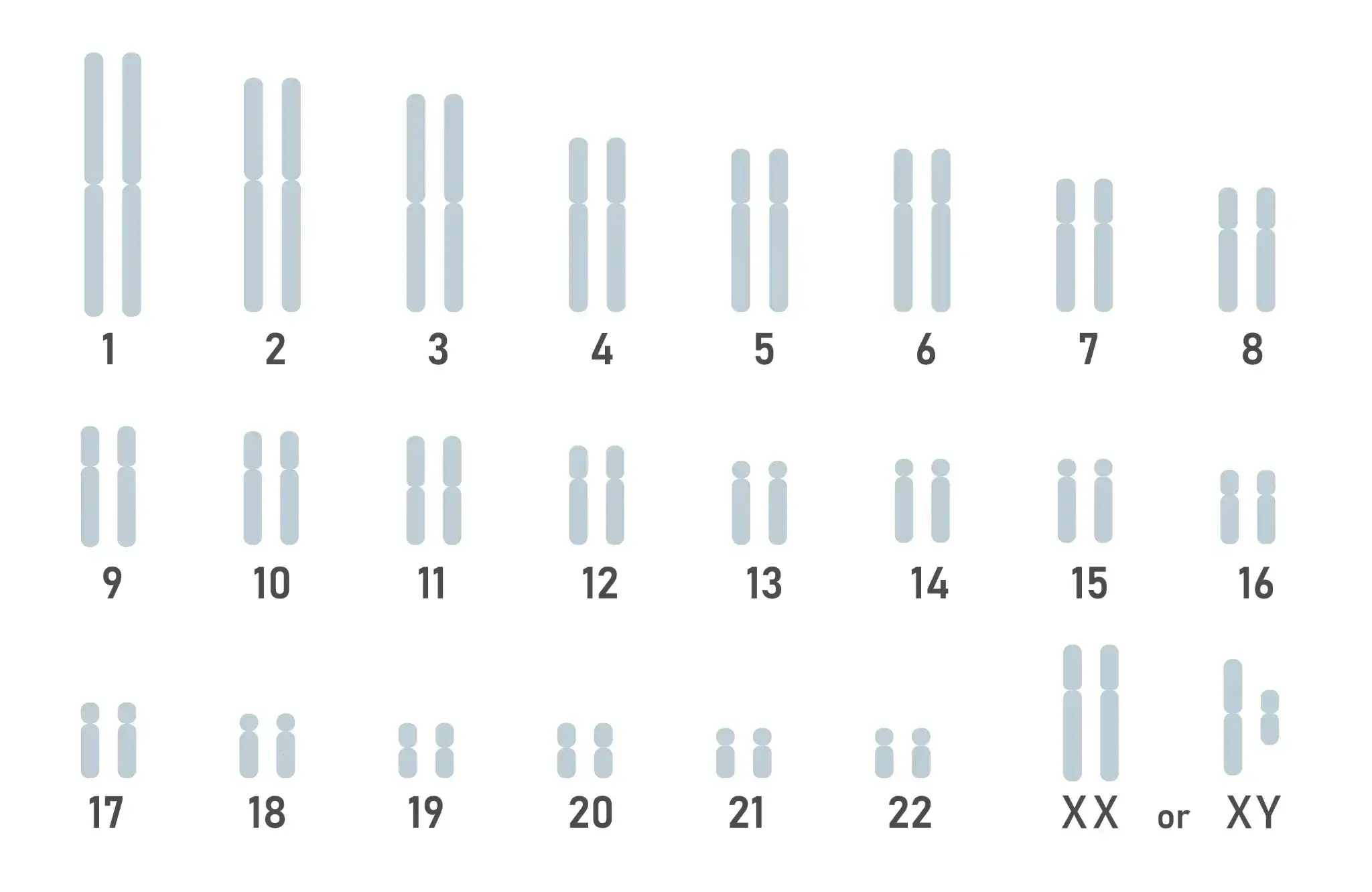
Schematic diagram of DNA map present in cells
- ■
- ■
- ■
- ■
- ■
- ■
- ■
- ■
- ■
Related genes
| Related genes | ABCB1 |
|---|
Frequently asked questions (FAQ)
Q1. What is glioma?
Glioma is a tumor that develops from glial cells in the brain and spinal cord.They account for approximately 30% of all brain tumors and are broadly divided into three types: astrocytomas, oligodendrogliomas, and ependymas. It causes symptoms such as headaches, seizures, cognitive impairment, and personality changes.
Q2. What is the relationship between the causes of glioma and genes?
According to a study by Munisamy et al. of Manipal Academy of Higher Education,Type A mutation in DNA region rs1128503It has been found that people with this condition tend to have an increased risk of developing glioma. The gene ABCB1 (P-glycoprotein) is involved and affects the mechanism of toxic substance excretion within cells.
Q3. What types of glioma are there?
There are three main types.Astrocytoma(including astrocytomas and glioblastomas),oligodendroglioma(oligodendroglioma),Eppendymoma(ependymoma). According to the WHO classification, it is classified as grades I to IV.
Q4. What are the symptoms of glioma?
Typical symptoms areHeadaches, seizures (epilepsy), physical weakness, cognitive impairment, changes in personality or behaviorIt is. Symptoms vary depending on the location of the tumor, with mood and personality changes occurring in the frontal lobe and balance disorders occurring in the cerebellum. As the disease progresses, symptoms worsen due to cerebral edema.
Q5. Can genetic testing determine the risk of glioma?
By examining the genotype of DNA region rs1128503,Understanding trends in the risk of developing gliomaYou can. In Japanese, the distribution is 36.1% for type AA (high risk), 47.9% for type AG (slightly high risk), and 15.9% for type GG (low risk).
References
- Reference link 1: 2021 Apr., Murali Munisamy, Pharmacogenomics J