
 stomach cancer
- Gastric cancer is a malignant tumor in which gastric mucosal cells become cancerous.In Japan, approximately 130,000 people are newly diagnosed each year, making it the third leading cause of cancer death.
- Type A mutation in DNA region rs751402Research shows that people with the disease tend to be at higher risk of developing
- Helicobacter pylori eradication, diet improvement, regular check-upsenables early detection and prevention.
Overview Gastric cancer is a type of malignant tumor that occurs when the mucosal cells lining the stomach become cancerous and proliferate. Stomach cancer has few symptoms in its early stages, so detection is often delayed, which can make treatment difficult. Stomach cancer is a disease that is particularly common in Japan and East Asian countries, and the risk of developing it is related to diet, lifestyle, and genetic factors. As stomach cancer progresses, symptoms include loss of appetite, weight loss, abdominal pain, stomach discomfort, nausea, vomiting, blood in the stool, and anemia. Because these symptoms are similar to other gastrointestinal diseases, stomach cancer is often overlooked until it is advanced. Stomach cancer is commonly diagnosed using endoscopy, which involves directly observing the inside of the stomach and collecting tissue from suspicious areas for pathological examination. This test determines whether cancer is present and how advanced it is. Depending on the stage of the stomach cancer, treatments such as surgery, chemotherapy, and radiation therapy are performed. Surgery typically involves removing part or all of the stomach. Eating a well-balanced diet, avoiding smoking and excessive drinking, checking for Helicobacter pylori infection, and performing eradication treatment if necessary are effective ways to prevent stomach cancer. In addition, by undergoing regular health checkups and endoscopy, early detection and early treatment are possible, which can improve the effectiveness of gastric cancer treatment. A study by Huang et al. of Jinnan University revealed that the risk of developing gastric cancer is associated with a DNA region called rs751402. There are three genotypes in this DNA region: AA, AG, and GG, and it was found that people with type A mutations tend to have a higher risk of gastric cancer.
What is stomach cancer?
Gastric cancer is a malignant tumor in which the mucosal cells lining the stomach become cancerous and proliferate.Approximately 130,000 people are newly diagnosed with stomach cancer each year in Japan, making it the third leading cause of cancer death.
Causes and risk factors of stomach cancer
Multiple factors are involved in the development of gastric cancer. The biggest risk factor isHelicobacter pylori infectionIt is associated with approximately 80% of all gastric cancers.
- pylori infection:Causes chronic inflammation in the gastric mucosa and increases the risk of cancer
- Diet:Excessive intake of salt, intake of large amounts of salted foods such as smoked foods and pickles
- Smoking:Risk increases approximately 1.6 times compared to non-smokers
- Excessive drinking:Persistent damage to gastric mucosa
- Genetic predisposition:People with a family history have 2-3 times the risk
Main symptoms of stomach cancer
Stomach cancer isIn the early stages, there are almost no symptomsAs a result, there are many cases where detection is delayed. As the disease progresses, the following symptoms may appear:
- Loss of appetite/weight loss
- Abdominal pain/stomach discomfort
- Nausea/vomiting
- bloody stool/black stool
- Anemia (due to chronic bleeding)
Progression and classification of gastric cancer
| stage | Progress | 5-year survival rate (estimate) |
|---|---|---|
| Stage I | Localized to mucosa/submucosa | Approximately 90% or more |
| Stage II | Infiltration into muscle layer and subserosa layer | Approximately 60-70% |
| Stage III | Invasion beyond the serosa and lymph node metastasis | Approximately 30-40% |
| Stage IV | With distant metastasis | Approximately 5-10% |
How to diagnose stomach cancer
The following tests are used to determine the presence and progression of stomach cancer.
- Upper gastrointestinal endoscopy:Directly observe the inside of the stomach and collect tissue for pathological examination
- Barium test (upper gastrointestinal contrast):Abnormalities in the shape of the stomach were confirmed by X-ray photography.
- CT examination:Evaluate cancer spread and metastasis
- Blood test:Measurement of tumor markers (CEA, CA19-9)
Treatment for stomach cancer
The following treatments are performed depending on the stage of progression:
- Endoscopic resection:Conducted for early gastric cancer
- Surgery:Removal of part or all of the stomach
- Chemotherapy:Treatment with anticancer drugs
- Radiotherapy:Destroying cancer cells with radiation
How to prevent stomach cancer
The following measures can reduce the risk of stomach cancer.
- Testing and eradication of Helicobacter pylori:Reduces gastric cancer risk to approximately 1/3
- A well-balanced diet that is low in salt
- No smoking/moderate drinking
- Active intake of vegetables and fruits
- Regular endoscopy for people over 40 years oldmedical examination
Relationship between genes and gastric cancer
Relationship between DNA region rs751402 and onset risk
A study by Huang et al. from Jinnan University revealed that the DNA region rs751402 is associated with the risk of developing gastric cancer.
- There are three genotypes of rs751402: AA, AG, and GG.
- Genotype with type A mutationpeople tend to have a higher risk of stomach cancer
Genotype distribution in Japanese (rs751402)
| Genotype | Percentage of Japanese people | percentage of the world |
|---|---|---|
| AA type | 14.0% | 4.0% |
| AG type | 46.8% | 32.0% |
| GG type | 39.0% | 63.9% |
Japanese people have a higher prevalence of type A mutations than the world average, with 14.0% for type AA (world average 4.0%) and 46.8% for type AG (world average 32.0%), suggesting that they are a population with a genetically high risk of gastric cancer.
Rationale for testing
Surface DNA region: gastric cancer
The gene region that most strongly affects gastric cancer is rs751402. The distribution of isomorphic genotypes in Japan is as follows.
- AA
14.0 % - AG
46.8 % - GG
39.0 %
Basis for inspection
A study by Huang et al. of Jinnan University revealed that the risk of developing gastric cancer is related to genes. There is a region called rs751402 in the human genome, and there are two types of mutations, A and G, in the gene in this region. It was found that people with type A mutations tend to have a higher risk of gastric cancer.
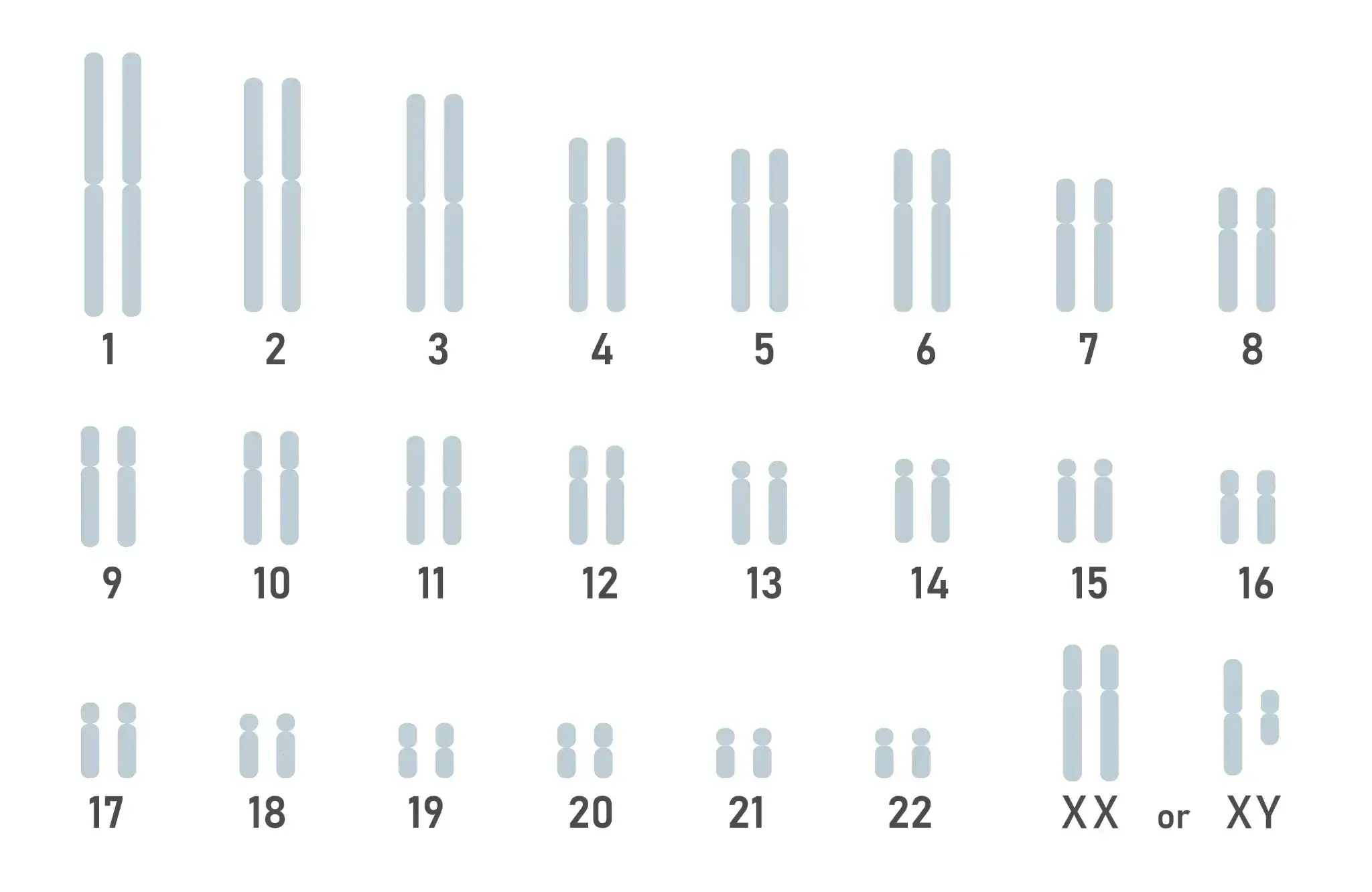
The DNA region investigated this time
Schematic diagram of DNA map present in cells
- ■
- ■
- ■
- ■
- ■
- ■
- ■
- ■
- ■
Related genes
| Related genes | ERCC5 |
|---|
Frequently asked questions (FAQ)
Q1. What is stomach cancer?
Gastric cancer is a malignant tumor in which the mucosal cells of the stomach become cancerous and proliferate.Approximately 130,000 people are diagnosed with cancer each year in Japan, making it the third leading cause of cancer death. In the early stages, there are almost no symptoms, and early detection is the key to successful treatment.
Q2. What is the cause of stomach cancer?
The biggest cause isHelicobacter pylori infectionIt is involved in approximately 80% of all gastric cancers. Excessive salt intake, smoking, excessive alcohol consumption, and genetic predisposition are also major risk factors. Carriers of the type A mutation in the rs751402 DNA region tend to be at higher risk.
Q3. What are the early symptoms of stomach cancer?
In the early stages of stomach cancerThere are almost no symptoms.As the disease progresses, symptoms such as loss of appetite, weight loss, abdominal pain, nausea/vomiting, bloody stools, and anemia appear. Early detection through regular endoscopy is important.
Q4. Can the risk of stomach cancer be determined by genetic testing?
By examining the genotype of DNA region rs751402,Understanding trends in the risk of developing gastric cancerYou can. A study by Huang et al. from Jinnan University found that people with the genotype A mutation are at higher risk.
Q5. How can I prevent stomach cancer?
Helicobacter pylori testing and eradication treatmentis the most effective prevention method. In addition, it is recommended to eat a low-salt diet, stop smoking, drink alcohol in moderation, and eat vegetables and fruits. Regular endoscopy is recommended for people over the age of 40.
References
- Reference link 1: 2017 Jun., Jiawen Huang, Oncotarget