
 Frequency of heavy drinking

- Frequency of heavy drinking is the frequency of repeated behavior of consuming large amounts of alcohol at once.and is directly linked to serious health risks such as liver cirrhosis, heart failure, and cognitive decline.
- C-type mutation in DNA region rs713598A study at the University of Edinburgh found that people with alcohol tend to binge drink more frequently.
- The prevalence of type C mutation (CC+CG) in Japanese people is67.7%This is a low percentage compared to the world average of 82.0%.
Overview Alcohol abuse, or excessive, frequent, and long-term drinking, causes serious harm to individual health and social stability. Excessive drinking can lead to alcohol poisoning, which can lead to dangerous symptoms such as vomiting, unconsciousness, and respiratory depression. Long-term alcohol abuse damages vital organs such as the liver, pancreas, and heart, increasing the risk of diseases such as cirrhosis, heart failure, and chronic pancreatitis. Alcohol also damages the brain, leading to decreased cognitive function, decreased memory, and mood disorders. Alcohol abuse not only affects your health, but also negatively affects your work, studies, and interpersonal relationships. Alcohol can make you more likely to act impulsively or aggressively, which can lead to violence, injury, and criminal behavior. Alcohol use disorder also places a heavy burden on families, including the breakdown of family relationships and financial hardship. Alcohol abuse is therefore not only a personal problem, but also a major public health and social problem. A study by May-Wilson and colleagues at the University of Edinburgh revealed that the frequency of heavy drinking is associated with a DNA region called rs713598. There are three genotypes in this DNA region: CC, CG, and GG, and it was found that people with the C genotype tend to drink heavily.
What is the frequency of heavy drinking?
Frequency of binge drinking is an indicator of how often the behavior of consuming large amounts of alcohol at one time is repeated.Excessive, frequent, and long-term drinking causes serious harm to individual health and social stability.
What is the impact of heavy drinking on health?
Excessive drinking poses serious risks in three areas: physical, mental, and social. The specific impacts are categorized below.
Effect on the body
- Acute risk:Vomiting, unconsciousness, and respiratory depression due to alcohol poisoning
- Liver:Increased risk of liver cirrhosis (long-term drinking destroys liver cells)
- Heart:Increased risk of developing heart failure
- Pancreas:Causes chronic pancreatitis
Effects on the brain and mind
- Decline in cognitive function:Decreased memory, judgment, and concentration
- Mood disorders:Increased risk of depression and anxiety disorders
- Effects on behavior:More likely to engage in impulsive and aggressive behavior
social impact
- Interpersonal relationships:cause disruption of family relationships and financial difficulties
- Occupation:Work/study performance decreases
- Crime risk:May lead to violent or criminal acts
Comparison of risks of heavy drinking and moderate drinking
| Comparison items | Drinking alcohol in moderation | heavy drinking |
|---|---|---|
| liver | Minor effect on liver function | Increased risk of liver cirrhosis and fatty liver |
| cardiovascular | Moderate drinking has been reported to have a protective effect in some cases. | Increased risk of heart failure and high blood pressure |
| brain function | Limited impact on daily life | Cognitive function decline/memory decline |
| social life | Functions as part of socializing | Risk of family relationship breakdown and violent behavior |
Association between genes and frequency of heavy drinking
Relationship between DNA region rs713598 and heavy drinking
Research by May-Wilson et al. at the University of Edinburgh (2022, Nature Communications) revealed that the frequency of heavy drinking is associated with the DNA region rs713598.
- There are three genotypes of rs713598: CC, CG, and GG.
- Genotype with type C mutation(CC type/CG type) people tend to drink heavily
- This gene region is related to the MGAM gene
Comparison of genotype distribution in Japanese and the world (rs713598)
| Genotype | Percentage of Japanese people | percentage of the world |
|---|---|---|
| CC type | 18.7% | 33.3% |
| CG type | 49.0% | 48.7% |
| GG type | 32.1% | 17.8% |
The prevalence of type C mutation in Japanese people (CC+CG) is67.7%This is a low percentage compared to the global average of 82.0%. On the other hand, the percentage of Japanese people with type GG is32.1%This is approximately 1.8 times higher than the world average of 17.8%, reflecting the genetic characteristics of the Japanese population.
Rationale for testing
External DNA region: Frequency of heavy drinking
The gene region that most strongly influences the frequency of heavy drinking is rs713598. The distribution of isomorphic genotypes in Japan is as follows.
- CC
18.7 % - CG
49.0 % - GG
32.1 %
Basis for inspection
A study by May-Wilson and colleagues at the University of Edinburgh revealed that the frequency of heavy drinking is linked to genes. There is a region called rs713598 in the human genome, and there are two types of mutations, C and G, in the gene in this region. It was found that people with the type C mutation tended to binge drink more frequently.
The DNA region investigated this time
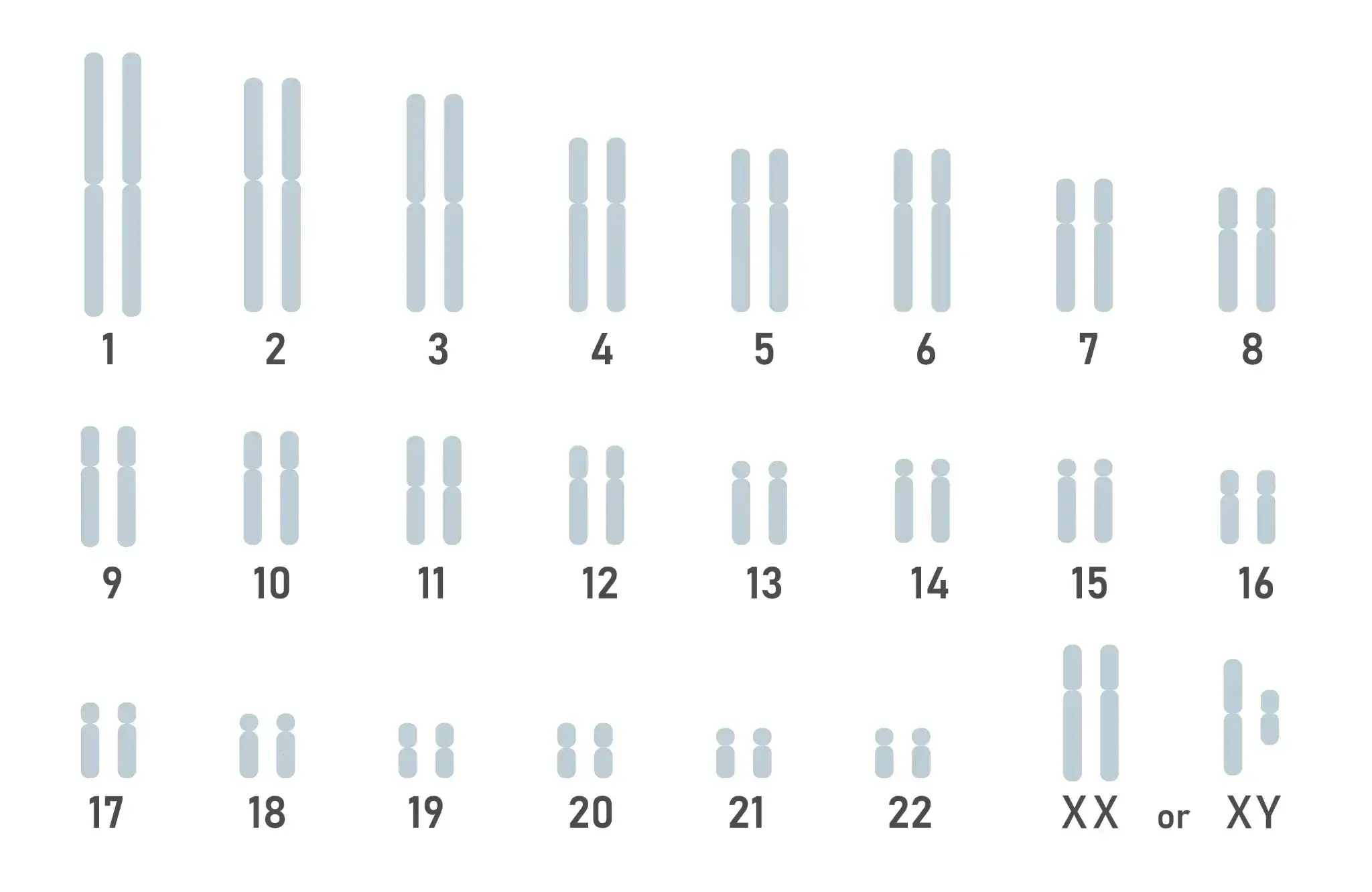
Schematic diagram of DNA map present in cells
- ■
- ■
- ■
- ■
- ■
- ■
- ■
- ■
- ■
Related genes
| Related genes | MGAM |
|---|
Frequently asked questions (FAQ)
Q1. What is the frequency of heavy drinking?
Frequency of binge drinking is an indicator of how often the behavior of consuming large amounts of alcohol at one time is repeated.Excessive drinking can lead to alcohol poisoning, which can lead to dangerous symptoms such as vomiting, unconsciousness, and respiratory depression. In the long term, it causes serious health damage such as liver cirrhosis, heart failure, chronic pancreatitis, and cognitive decline.
Q2. Is the frequency of heavy drinking related to genes?
Yes.Research by May-Wilson et al., University of Edinburgh (2022, Nature Communications) found that the DNA region rs713598 is associated with frequency of heavy drinking.There are three genotypes of rs713598: CC, CG, and GG, and people with the C mutation genotype tend to drink heavily.
Q3. What is the distribution of the genotype (rs713598) related to the frequency of heavy drinking in Japanese people?
The genotype distribution of rs713598 in Japanese people isCC type 18.7%, CG type 49.0%, GG type 32.1%It is. Worldwide, 33.3% of people have type CC, 48.7% have type CG, and 17.8% have type GG, and the proportion of Japanese people with type GG is about 1.8 times higher than the world average.
Q4. What effect does heavy drinking have on health?
Heavy drinkingLiver cirrhosis, heart failure, chronic pancreatitisorgan disorders such asCognitive function decline, memory decline, mood disorderIt has serious physical and social effects, including effects on the brain, such as deterioration of interpersonal relationships, and an increased risk of violence and criminal behavior. Alcohol use disorder is more than just an individual problem; it is a significant public health and social problem.
References
- Reference link 1: 2022 May., Sebastian May-Wilson, Nat Commun