
 follicular lymphoma

- Follicular lymphoma is a type of non-Hodgkin's lymphoma characterized by abnormal proliferation of B lymphocytes.It is often discovered as painless lymphadenopathy in the neck, armpits, or groin.
- G-type mutation in DNA region rs11082438A study at the University of California, Berkeley found that people with this condition tend to have a higher risk of developing follicular lymphoma.
- The prevalence of type GG among Japanese people is99.0%, which is higher than the global average of 86.9%.
Overview Follicular lymphoma is a type of non-Hodgkin's lymphoma characterized by abnormal proliferation of B lymphocytes, which are part of the immune system. This cancer usually starts in the lymph nodes, but in some cases it can also affect the bone marrow and blood. Although this cancer tends to progress gradually and does not show early symptoms, you may notice a painless swelling in the lymph nodes in your neck, armpits, or groin that is caused by the accumulation of cancerous lymphocytes. In addition to swollen lymph nodes, the body's response to abnormal cell growth in follicular lymphoma causes symptoms called B symptoms, such as fever, sweating at night, and weight loss. Also, if follicular lymphoma affects the spleen and affects the liver, symptoms may include feeling tired and full, and if the immune system is affected, the person may be more sensitive to infections than usual. As with all cancers, care must be taken with follicular lymphoma as it can lead to more serious symptoms and complications if the disease progresses without proper treatment. A study by Skibola et al. at the University of California, Berkeley, found that the risk of developing follicular lymphoma is associated with a DNA region called rs11082438. There are three genotypes in this DNA region: GG, GT, and TT, and it is known that people with the G genotype are more susceptible to follicular lymphoma.
What is follicular lymphoma?
Follicular lymphoma is a type of non-Hodgkin's lymphoma in which B lymphocytes, which are part of the immune system, proliferate abnormally.It primarily occurs in the lymph nodes and may also affect the bone marrow and blood. It is a cancer that progresses slowly and does not show early symptoms.
What are the main symptoms of follicular lymphoma?
Symptoms of follicular lymphoma are classified into three categories: lymphadenopathy, systemic symptoms, and organ effects.
lymphadenopathy
- Painless swelling:Cancerous B lymphocytes accumulate and swell in lymph nodes in the neck, armpits, and groin.
- Early stage:Since it is not painful, it tends to be detected late.
B symptoms (systemic symptoms)
- Fever:Persistent fever of 38℃ or higher of unknown cause
- Nighttime sweating:Profuse sweating that wets the bedding
- Weight loss:Lose more than 10% of body weight within 6 months
Effect on organs
- Spleen/liver:Feeling of fatigue and fullness due to splenomegaly
- Immune system:Decreased immunity increases susceptibility to infections
Comparison of follicular lymphoma symptoms and stages
| Comparison items | early stage | advanced stage |
|---|---|---|
| lymph node | Painless localized swelling | Multiple site lymphadenopathy |
| Systemic symptoms | Almost no symptoms | Symptom B (fever, night sweats, weight loss) |
| organ effects | Limited effect on organs | Splenomegaly, hepatomegaly, decreased immune function |
| treatment | Wait and Watch may be selected | Requires chemotherapy, immunotherapy, and radiation therapy |
If the disease progresses without proper treatment, it can lead to more serious symptoms and complications, so early treatment is important.
Relationship between genes and follicular lymphoma
Relationship between DNA region rs11082438 and follicular lymphoma
A study by Skibola et al. at the University of California, Berkeley (2014, Am J Hum (published in Genet) revealed that the risk of developing follicular lymphoma is associated with the DNA region rs11082438.
- There are three genotypes of rs11082438: GG, GT, and TT.
- Genotype with type G mutation(GG type/GT type) people tend to be more susceptible to follicular lymphoma
- Another related DNA region is rs17749561 (G type and A type)
Comparison of genotype distribution in Japanese and the world (rs11082438)
| Genotype | Percentage of Japanese people | percentage of the world |
|---|---|---|
| GG type | 99.0% | 86.9% |
| GT type | 0.9% | 12.5% |
| TT type | 0.1%以下 | 0.4% |
The G mutation prevalence rate (GG+GT) in Japanese people is99.9%This is almost the same level as the world average of 99.4%. The percentage of Japanese people with type GG is99.0%This is approximately 12.1 points higher than the world average of 86.9%, reflecting the genetic characteristics of the Japanese population.
Comparison of genotype distribution in Japanese and the world (rs17749561)
| Genotype | Percentage of Japanese people | percentage of the world |
|---|---|---|
| GG type | 99.9% | 83.4% |
| GA type | 0.1%以下 | 15.7% |
| AA type | 0.1%以下 | 0.7% |
Rationale for testing
Superficial DNA region: follicular lymphoma
The gene region that most strongly affects follicular lymphoma is rs11082438. The distribution of isomorphic genotypes in Japan is as follows.
- GG
99.0 % - GT
0.9 % - TT
0.1%以下
Another gene region involved in follicular lymphoma is rs17749561. The distribution of isomorphic genotypes in Japan is as follows
- GG
99.9 % - GA
0.1%以下 - AA
0.1%以下
Basis for inspection
A study by Skibola and colleagues at the University of California, Berkeley, found that the risk of follicular lymphoma is associated with certain genetic mutations. There are two types of mutations, G and T, in the region rs11082438 that exists in the human genome. It is known that people with the G type gene mutation are more susceptible to follicular lymphoma.
The DNA region investigated this time
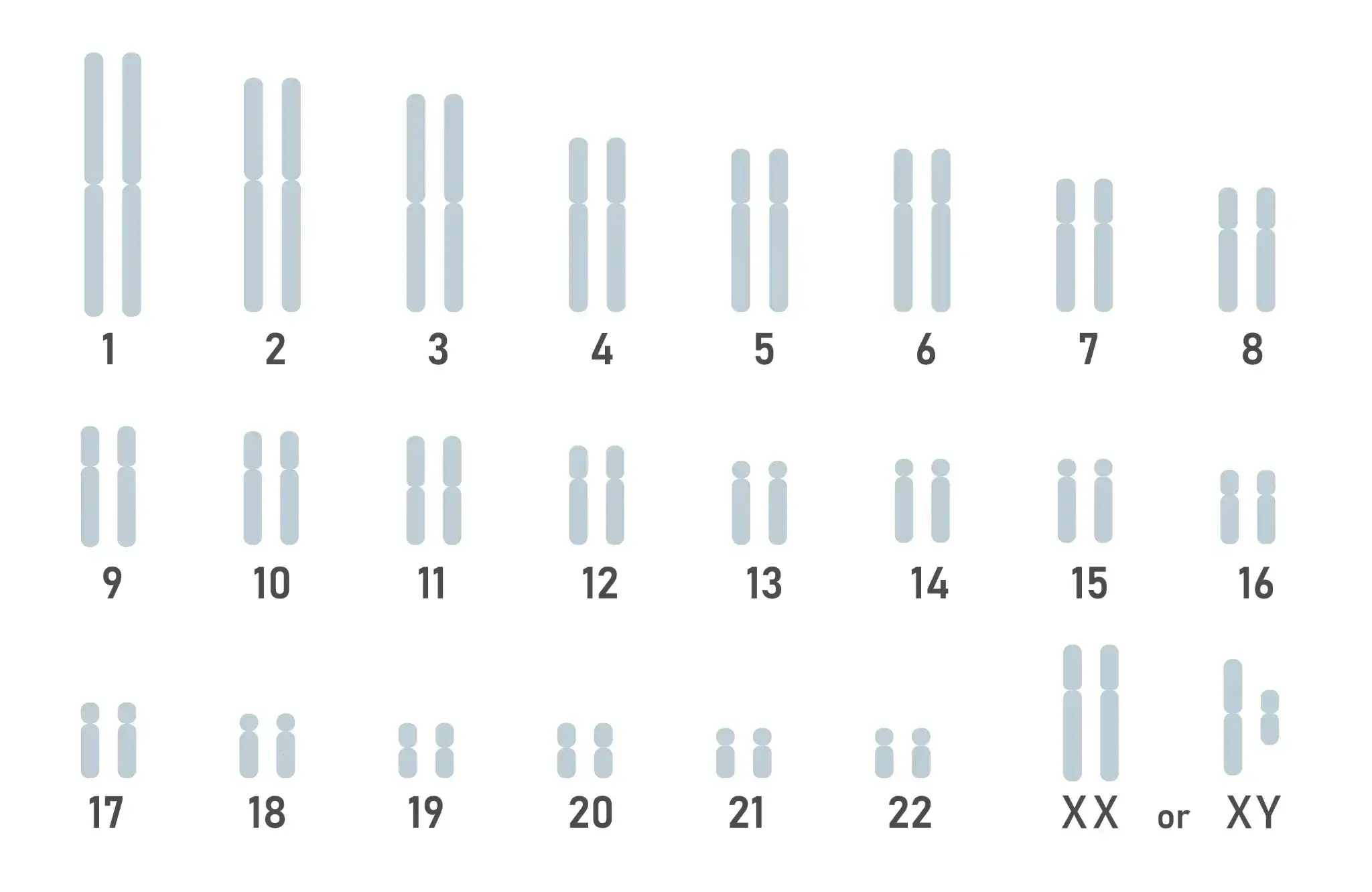
Schematic diagram of DNA map present in cells
- ■
- ■
- ■
- ■
- ■
- ■
- ■
- ■
- ■
Related genes
| Related genes | SLC14A2 |
|---|---|
| Related genes | PHLPP1 |
Frequently asked questions (FAQ)
Q1. What is follicular lymphoma?
Follicular lymphoma is a type of non-Hodgkin's lymphoma in which B lymphocytes, which are part of the immune system, proliferate abnormally.It primarily occurs in the lymph nodes and is detected as a painless swelling in the neck, armpits, or groin. Because the disease progresses slowly, it is difficult to notice symptoms in the early stages, and it may be diagnosed at the stage when B symptoms (fever, night sweats, weight loss) and fatigue due to splenomegaly appear.
Q2. Is the risk of developing follicular lymphoma related to genes?
Yes.A study by Skibola et al. at the University of California, Berkeley (2014, Am J Hum Genet) revealed that the DNA region rs11082438 is associated with the risk of developing follicular lymphoma.There are three genotypes of rs11082438: GG, GT, and TT, and people with the G mutation tend to have a higher risk of developing the disease.
Q3. What is the distribution of the genotype (rs11082438) associated with follicular lymphoma in Japanese people?
The genotype distribution of rs11082438 in Japanese people isGG type 99.0%, GT type 0.9%, TT type 0.1%以下It is. Worldwide, 86.9% are GG type, 12.5% are GT type, and 0.4% are TT type, and Japanese people have a characteristic that the proportion of GG type is about 12.1 points higher than the world average.
Q4. What are the main symptoms of follicular lymphoma?
The main symptoms of follicular lymphoma arePainless lymphadenopathy in the neck, armpits, and groin area、Symptom B (fever, night sweats, weight loss), feelings of fatigue and fullness due to effects on the spleen, and increased susceptibility to infections due to weakened immune system. If the disease progresses without proper treatment, it can lead to more serious complications, so early treatment is important.
Q5. What genes are associated with follicular lymphoma?
The main genes associated with follicular lymphoma areSLC14A2 and PHLPP1There are two. The DNA regions rs11082438 and rs17749561 are associated with SLC14A2 and PHLPP1, respectively, and studies have shown that these genetic variations influence the risk of developing follicular lymphoma.
References
- Reference link 1: 2014 Oct., Christine F Skibola, Am J Hum Genet