
 growth retardation in fetus

- Fetal growth restriction (FGR) is a condition in which the fetus does not grow to its normal size in the uterus.The diagnosis is made when the estimated weight is in the bottom 10% for the same gestational age.
- G-type mutation in DNA region rs1805087Study finds that people with
- Early diagnosis and appropriatePregnancy management, nutritional intake, regular checkupscan reduce health risks to the fetus.
Overview Fetal growth restriction (FGR) or intrauterine growth restriction (IUGR) is a condition in which a fetus does not grow to its normal size. This condition is usually characterized by an estimated fetal weight that is in the bottom 10% of fetuses of the same gestational age. This problem is caused by a variety of maternal, placental, and fetal factors. Maternal factors include malnutrition, certain medical conditions, problems with the placenta, and chromosomal abnormalities in the fetus. Fetuses with FGR have a wide range of symptoms, including decreased body size and decreased fat storage. After birth, a variety of health problems can occur, including difficulty eating, delayed development, and increased susceptibility to infections. Early diagnosis and appropriate care for FGR is important, and in some cases early delivery may be necessary. A study by Efremova et al. at Belgorod State University revealed that fetal growth retardation is associated with a DNA region called rs1805087. There are three genotypes in this DNA region: AA, AG, and GG, and it was found that people with the G genotype tend to have a higher risk of fetal growth retardation.
What is fetal growth restriction (FGR)?
Fetal growth restriction (FGR) is a condition in which a fetus does not grow to its normal size within the uterus.The diagnosis is made when the estimated fetal weight is in the bottom 10% of fetuses at the same gestational age.
Causes and mechanisms of fetal growth restriction
The causes of FGR are divided into three categories: maternal, placental, and fetal.
- Maternal factors:Malnutrition, high blood pressure, smoking, drug use, chronic disease (kidney disease/autoimmune disease)
- Placental factors:Placental insufficiency, placental blood flow disorder, placental abruption
- Fetal factors:Chromosomal abnormalities, congenital infections (TORCH syndrome), multiple pregnancies
Main symptoms of fetal growth restriction
Fetuses with FGR have the following characteristics:
- compared to gestational weeksFundal length of uterus is small
- with ultrasound examinationEstimated weight is below the standard value
- after birthdecrease in body sizeand decrease in subcutaneous fat
- Difficulty eating after birthdevelopmental delay-Increased susceptibility to infections
Comparison of FGR types
| Comparison items | Symmetrical FGR (early type) | Asymmetric FGR (late type) |
|---|---|---|
| Time of onset | Early to middle pregnancy | late pregnancy |
| cause | Chromosomal abnormalities/congenital infections | Placental insufficiency/maternal malnutrition |
| Physical characteristics | evenly small throughout | Head circumference is normal, waist circumference is small |
| frequency | Approximately 20-30% of total FGR | Approximately 70-80% of total FGR |
| prognosis | Defect depending on the cause | Relatively good with proper management |
Diagnostic method
FGR is diagnosed by the following methods:
- ultrasound examinationMeasurement of estimated fetal weight by
- Doppler blood flow measurement(umbilical artery/middle cerebral artery)
- Evaluation of amniotic fluid volume (presence or absence of oligohydramnios)
- Measurement of fundal length
Prevention and management of fetal growth restriction
Here are some ways to reduce the risk of FGR:
- proper nutrition(Adequate intake of folic acid, iron, and protein)
- No smoking/alcohol avoidance
- regularPrenatal checkupmedical examination
- Appropriate management of complications (hypertension, diabetes)
- In severe casesearly birthconsideration
Relationship between genes and fetal growth restriction
Relationship between DNA region rs1805087 and onset risk
A study by Efremova et al. from Belgorod State University found that the DNA region rs1805087 is associated with the risk of fetal growth restriction.
- There are three genotypes of rs1805087: AA, AG, and GG.
- Genotype with type G mutation(AG type/GG type) people tend to have a higher risk of fetal growth restriction.
Genotype distribution in Japanese (rs1805087)
| Genotype | Percentage of Japanese people | percentage of the world |
|---|---|---|
| AA type | 66.7% | 65.3% |
| AG type | 29.8% | 31.0% |
| GG type | 3.3% | 3.6% |
Rationale for testing
Surface DNA region: growth retardation in fetus
The gene region that most strongly affects fetal growth retardation is rs1805087. The distribution of isomorphic genotypes in Japan is as follows.
- AA
66.7 % - AG
29.8 % - GG
3.3 %
Basis for inspection
A study by Efremova and colleagues at Belgorod State University revealed that fetal growth retardation is linked to genes. There is a region called rs1805087 in the human genome, and there are two types of mutations, A and G, in the gene in this region.People with the G mutation tend to have a higher risk of fetal growth retardationI found out that there is.
The DNA region investigated this time
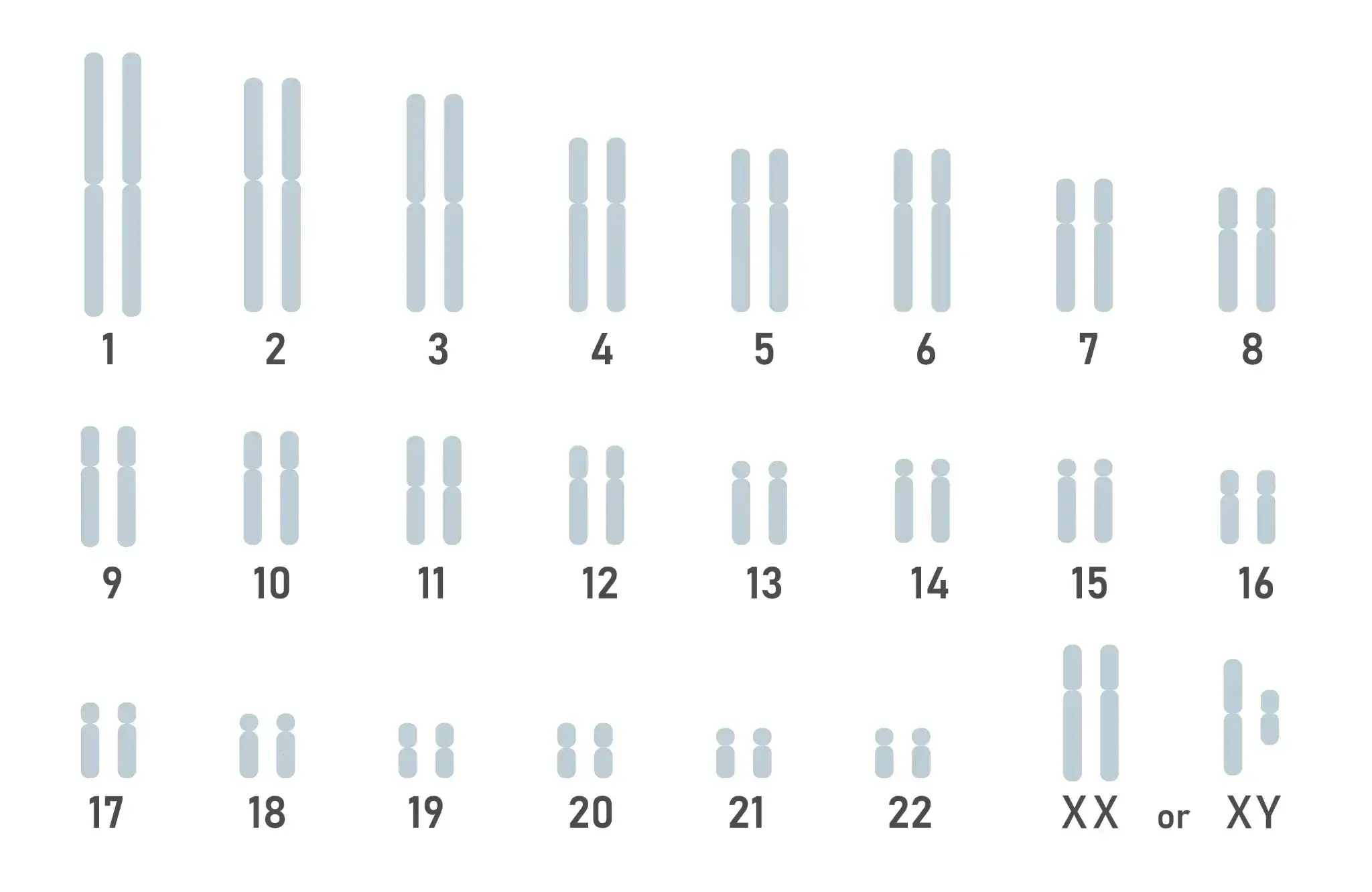
Schematic diagram of DNA map present in cells
- ■
- ■
- ■
- ■
- ■
- ■
- ■
- ■
- ■
Related genes
| Related genes | MTR |
|---|
Frequently asked questions (FAQ)
Q1. What is fetal growth restriction (FGR)?
Fetal growth restriction (FGR) is a condition in which a fetus does not grow to its normal size in the uterus.Diagnosis is made when the estimated fetal weight is in the bottom 10% of fetuses at the same gestational age. It is caused by multiple factors involving the mother, placenta, and fetus.
Q2. What is the cause of fetal growth restriction?
The main cause isMaternal factors (malnutrition, high blood pressure, smoking), placental factors (placental insufficiency, blood flow disorders), fetal factors (chromosomal abnormalities, congenital infections)There are three. G-type mutation in DNA region rs1805087 has also been reported as a risk factor.
Q3. Can genetic testing determine the risk of fetal growth restriction?
By examining the genotype of the DNA region rs1805087,Understand trends in the risk of developing fetal growth restrictionYou can. Studies have shown that people with the G mutation genotype (AG type and GG type) tend to be at higher risk.
Q4. How is fetal growth restriction diagnosed?
ultrasound examinationThe main diagnostic method is to measure the estimated fetal weight. FGR is diagnosed when the estimated weight for the gestational age is less than the bottom 10%.Doppler blood flow measurementand evaluation of amniotic fluid volume.
References
- Reference link 1: 2022 Jan., Olesya Efremova, Int J Reprod Biomed