
 Tolerance of femoral neck fractures
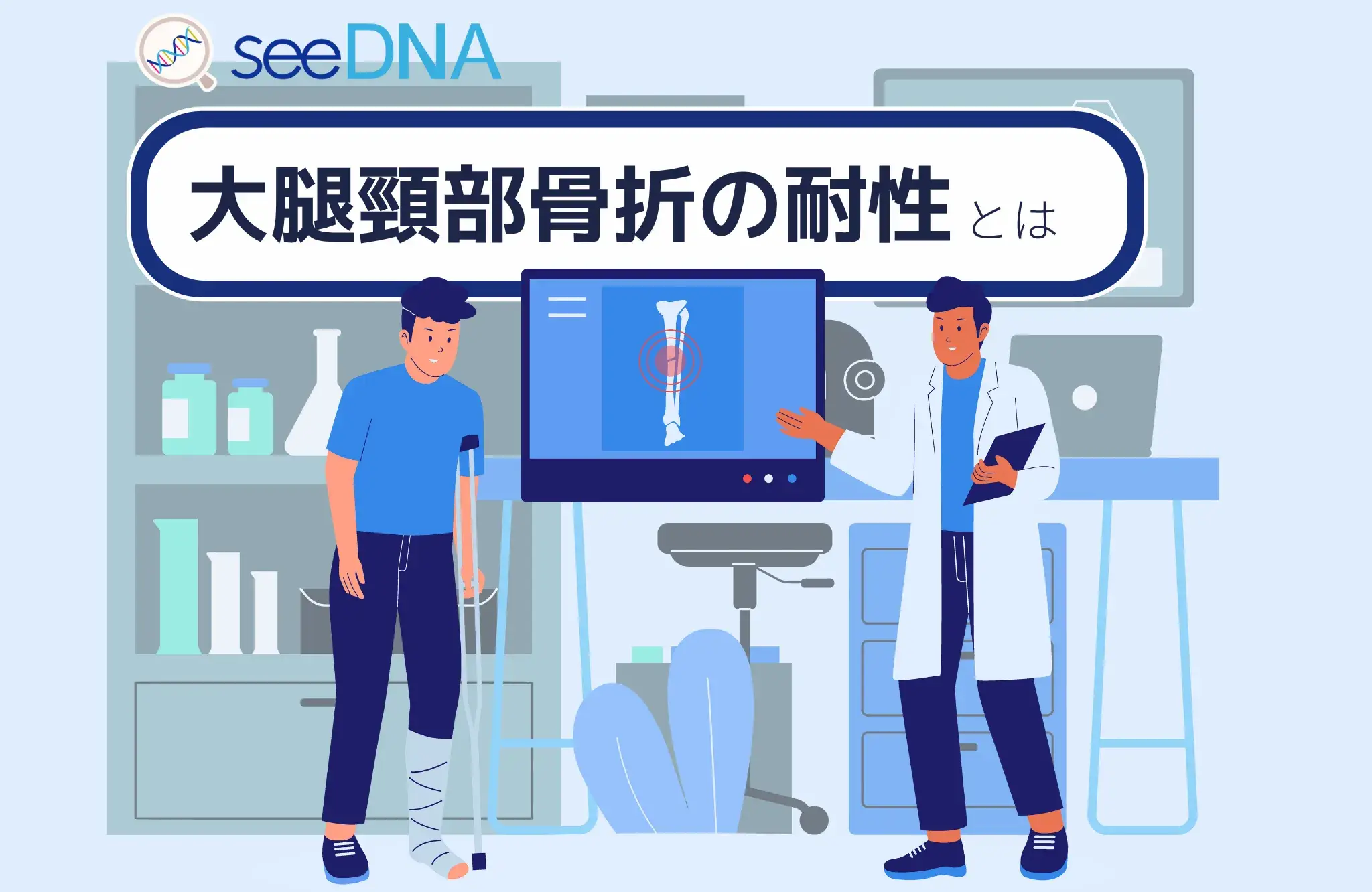
- A femoral neck fracture is a fracture that occurs at the neck of the femur (base of the leg)., the risk of developing this disease increases due to a decrease in bone mineral density (BMD).
- C-type mutation in DNA region rs7776725A study at Seoul National University found that people with
- The prevalence of type C mutation (TC+CC) in Japanese people is24.1%, which is lower than the global average of 46.5%.
Overview Bone mineral density (BMD) is an indicator of mineral concentration within bones, and is an indicator of bone strength. High bone density means bones are strong and less likely to fracture, while low bone density means they are more susceptible to fractures from even mild impacts. Osteoporosis is a condition in which the overall bone density decreases, and especially among elderly people, those who tend to develop osteoporosis may find it difficult to move around and reduce their quality of life. Bone density is particularly low in the femoral neck (base of the foot), and if that area is fractured, it becomes difficult to walk or even stand. Therefore, it is important to take precautions to reduce the risk of fractures by testing your bone density. A study by Choi et al. at Seoul National University revealed that the risk of femoral neck fracture is associated with the DNA region rs7776725. There are three genotypes in this DNA region: TT, TC, and CC, and it was found that people with the C genotype tend to have a higher risk of femoral neck fracture.
What is the tolerance of femoral neck fracture?
Femoral neck fracture resistance is an index that indicates the difficulty of fractures in the femoral neck (groin of the foot).This resistance is due to bone density (BMD=Bone Mineral The higher the bone density, the higher the resistance to fracture.
What is bone mineral density (BMD)?
Bone mineral density (BMD) is an indicator of mineral concentration in bonesIt is a numerical representation of bone strength. Bone density is directly linked to fracture risk.
- High bone density:Strong bones and less likely to fracture
- Low bone density:A condition where even a slight impact can cause fractures.
Why femoral neck fractures are dangerous
Femoral neck fractures are fractures that significantly reduce the quality of life of elderly people. Specifically, there are the following risks.
- Difficulty walking:Difficulty walking or maintaining a standing position
- Bedridden risk:Requires long periods of bed rest, leading to muscle weakness
- Occurrence of complications:Increased risk of secondary diseases such as pneumonia and deep vein thrombosis
- Decreased quality of life:Activities of daily living (ADL) are limited
Comparison of causes of bone density loss and fracture prevention
| Comparison items | Causes of bone density loss | Prevention/improvement measures |
|---|---|---|
| nutrition | Calcium and vitamin D deficiency | Intake of dairy products, small fish, and green and yellow vegetables |
| exercise | Lack of stimulation to bones due to lack of exercise | Walking/strength training |
| lifestyle habits | Smoking/excessive drinking | Practice quitting smoking and drinking less alcohol |
| aging | Bone loss due to hormonal changes | Regular bone density testing (DEXA scan) |
Association between genes and resistance to femoral neck fractures
Relationship between DNA region rs7776725 and fracture risk
A study by Choi et al. from Seoul National University revealed that the risk of femoral neck fracture is associated with the DNA region rs7776725.
- There are three genotypes of rs7776725: TT, TC, and CC.
- Genotype with type C mutation(TC type/CC type) people tend to have a higher risk of femoral neck fracture
Comparison of genotype distribution in Japanese and the world (rs7776725)
| Genotype | Percentage of Japanese people | percentage of the world |
|---|---|---|
| TT type | 75.7% | 53.3% |
| TC type | 22.5% | 39.3% |
| CC type | 1.6% | 7.2% |
The prevalence of type C mutation in Japanese people (TC+CC) is24.1%This is about half the world average of 46.5%. This suggests that genetic resistance to femoral neck fractures tends to be higher in the Japanese population.
Rationale for testing
Superficial DNA region: Tolerance of femoral neck fracture
The gene region that most strongly influences femoral neck fracture tolerance is rs7776725. The distribution of isomorphic genotypes in Japan is as follows.
- TT
75.7 % - TC
22.5 % - CC
1.6 %
Basis for inspection
A study by Choi et al. at Seoul National University revealed that the risk of femoral neck fracture is related to genes. There is a region called rs7776725 in the human genome, and there are two types of mutations, T and C, in the gene in this region. It was found that people with T-type mutations tend to have a higher risk of femoral neck fractures.
The DNA region investigated this time
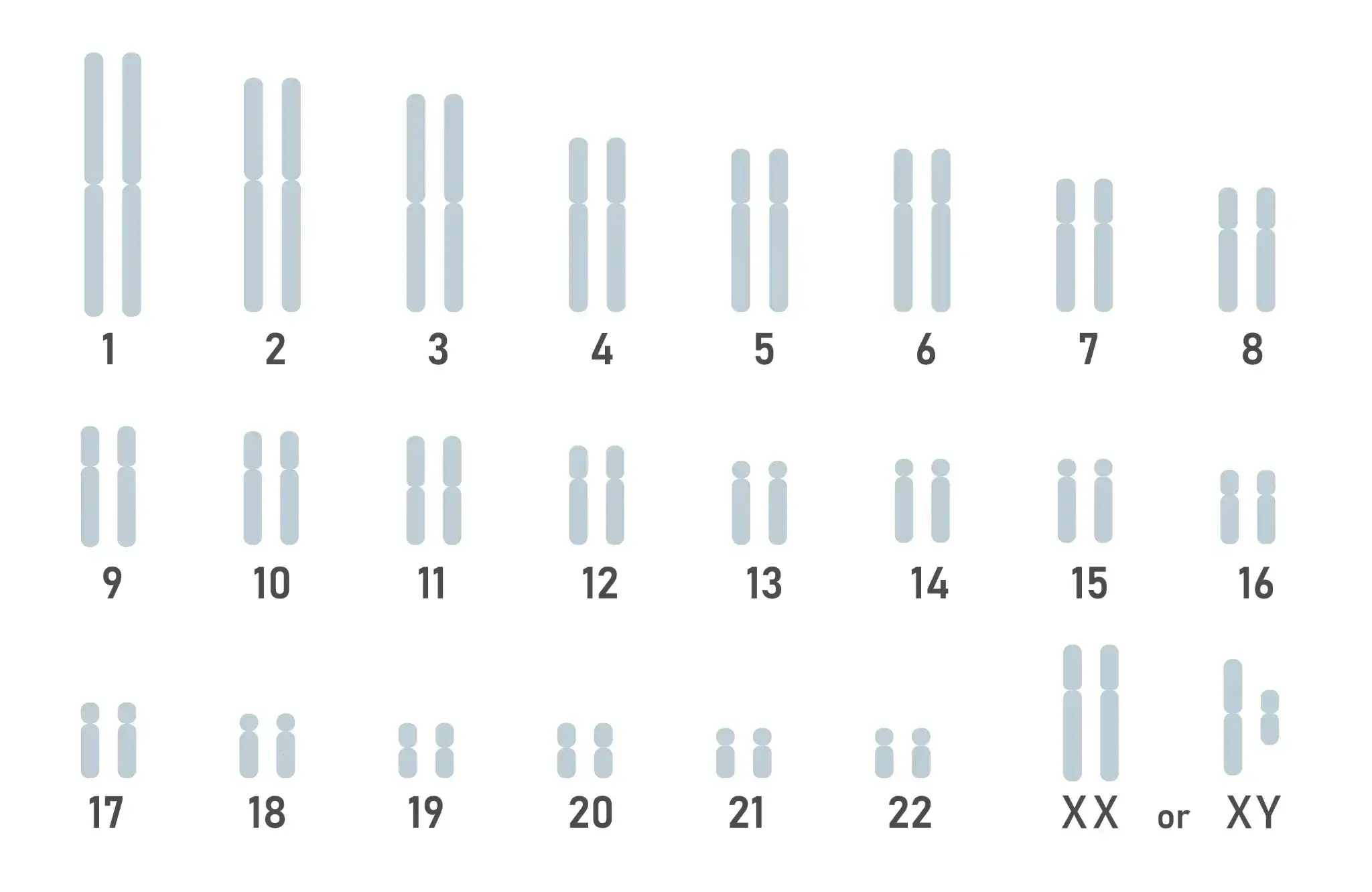
Schematic diagram of DNA map present in cells
- ■
- ■
- ■
- ■
- ■
- ■
- ■
- ■
- ■
Related genes
| Related genes | FAM3C |
|---|
Frequently asked questions (FAQ)
Q1. What is a femoral neck fracture?
A femoral neck fracture is a fracture that occurs at the neck of the femur (the base of the leg).A decrease in bone mineral density (BMD) increases the risk of developing the disease, causing difficulty walking and a significant decline in quality of life, especially in the elderly. It is one of the types of fractures that are closely related to osteoporosis.
Q2. Is resistance to femoral neck fracture related to genes?
Yes.A study by Choi et al. from Seoul National University revealed that the DNA region rs7776725 is associated with the risk of femoral neck fracture.There are three genotypes of rs7776725: TT, TC, and CC, and people with the genotype C mutation tend to have a higher risk of fracture.
Q3. What is the distribution of the femoral neck fracture genotype (rs7776725) in Japanese people?
The genotype distribution of rs7776725 in Japanese people isTT type 75.7%, TC type 22.5%, CC type 1.6%It is. Worldwide, 53.3% are TT type, 39.3% are TC type, and 7.2% are CC type, and Japanese people have a lower prevalence of type C mutation than the world average.
Q4. How can I increase bone density and prevent femoral neck fractures?
In order to increase bone density, it is important to intake sufficient calcium and vitamin D, regular weight-bearing exercise (walking, strength training), and quit smoking and drinking alcohol.In addition, regular bone density tests (DEXA scans) allow for early detection of fracture risk and the implementation of preventive measures.
References
- Reference link 1: 2016 Oct., Hyung Jin Choi, Bone