
 Congenital long QT syndrome

- Congenital long QT syndrome (LQTS) is a genetic disease associated with arrhythmia and sudden death risk due to mutations in cardiac ion channel genes.The incidence rate is approximately 1 in 2,000 to 2,500 people.
- T-type mutation in DNA region rs1805128A University of Amsterdam study found that people with
- The prevalence of type T (CT type) among Japanese people is approximately 0.9%.Early diagnosis and β-blocker/ICD treatmentcan significantly reduce the risk of sudden death
Overview Congenital long QT syndrome (LQTS) is an inherited disease related to the heart's electrical signals, which causes abnormalities in the heart's rhythm and, in severe cases, carries the risk of ventricular fibrillation and sudden death. People with LQTS are at increased risk of arrhythmia. Stimuli such as exercise or stress can cause arrhythmia (abnormal heart rhythm), resulting in symptoms such as palpitations, fainting, and seizures. The most dangerous of these is a condition called torsade de pointes, which can lead to fainting and sudden death. LQTS is a genetic disease and can run in families alike. Some of the genes responsible for this disease have been identified, and these gene mutations affect heart cells, making it difficult to maintain heart rhythm. Treatment includes lifestyle changes, medication, and in severe cases, implanting a pacemaker or defibrillator into the body. Early diagnosis and appropriate treatment are important for living a healthy life. A study by Lahrouchi et al. at the University of Amsterdam revealed that the risk of developing congenital long QT syndrome is associated with a DNA region called rs1805128. There are three genotypes in this DNA region: CC, CT, and TT, and it was found that people with the T genotype tend to have a higher risk of congenital long QT syndrome.
What is congenital long QT syndrome?
Congenital long QT syndrome (LQTS) is a genetic disorder in which the QT interval on an electrocardiogram is prolonged due to mutations in ion channel genes that control electrical signals in the heart.It carries the risk of syncope and sudden death due to arrhythmia (torsade de pointes), and the incidence is estimated to be approximately 1 in 2,000 to 2,500 people.
LQTS to dateOver 17 subtypesThree types, LQT1 (KCNQ1 mutation), LQT2 (KCNH2 mutation), and LQT3 (SCN5A mutation), account for approximately 75% of all cases. LQT5 type, which is associated with mutations in the KCNE1 gene, has also been identified.
Causes and mechanisms of congenital long QT syndrome
LQTS is caused by genetic mutations in ion channels that control electrical signals in the heart. In a normal heart, the heart rhythm is maintained by the regular flow of potassium, sodium, and calcium ions.
- Ion channel dysfunction:Genetic mutations reduce potassium channel function and delay repolarization (electrical recovery) of the heart
- Prolongation of QT interval:QT interval increases due to prolonged action potential duration in ventricular muscle
- Occurrence of arrhythmia:Delayed repolarization causes early afterdepolarization (EAD), which induces torsade de pointes
- Genetic predisposition:T-type mutation in the KCNE1 gene (rs1805128) is involved in the risk of developing the disease
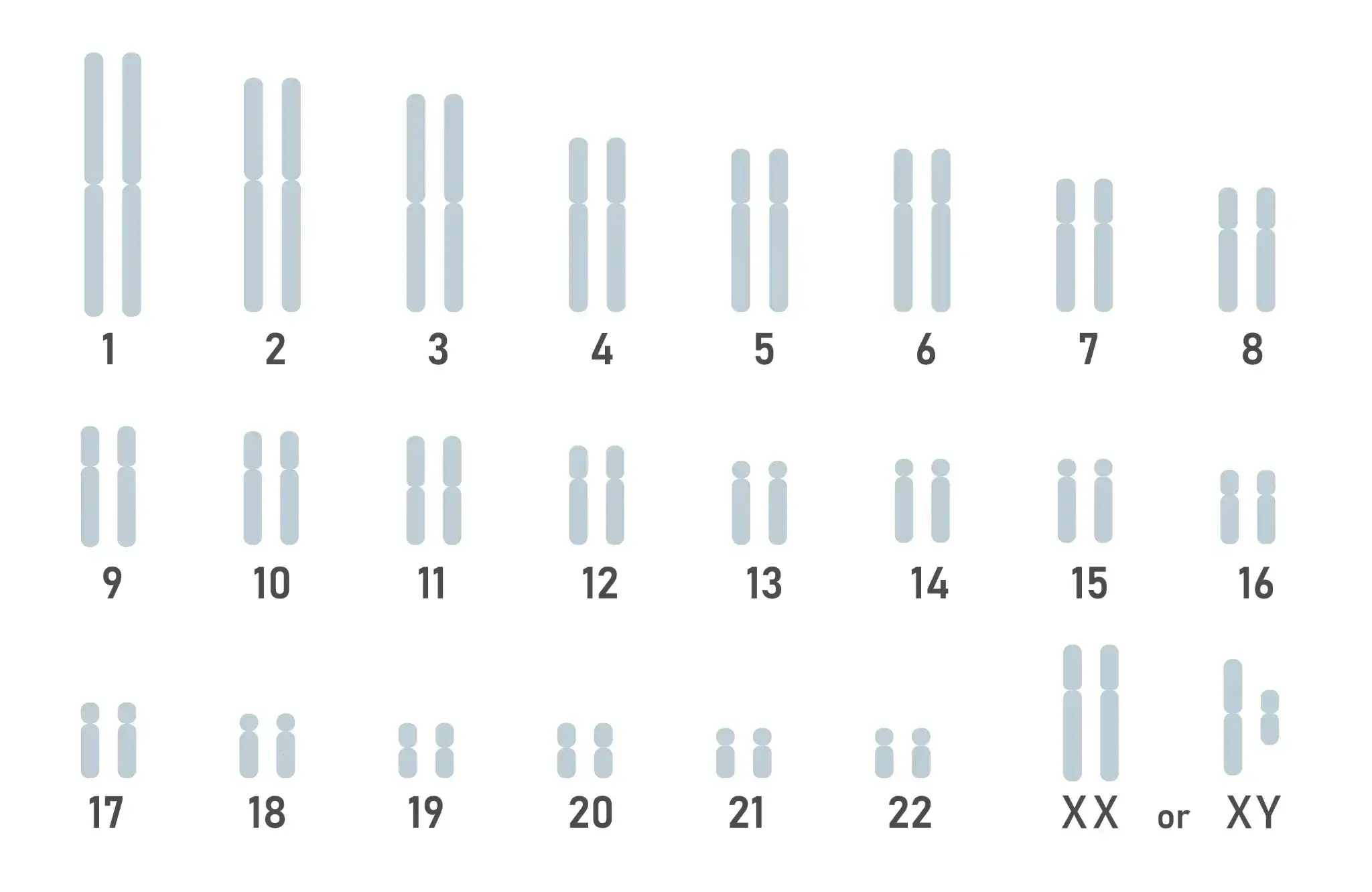
The KCNE1 gene is located on chromosome 21 and encodes the β subunit of cardiac potassium ion channels (IKs). T-type mutation of rs1805128 impairs channel function,Reduced efflux of potassium ionsThis is thought to delay repolarization.
Main symptoms of congenital long QT syndrome
The symptoms areOccurs suddenly due to stimulation such as exercise or stressIt is characterized by this.
- Palpitations (feeling like your heart is pounding)
- Fainting (especially during exercise, swimming, or when startled)
- Convulsive seizures (sometimes misdiagnosed as epilepsy)
- Sudden cardiac arrest due to ventricular fibrillation
- Asymptomatic (may be discovered for the first time during an electrocardiogram test)
torsade de pointesThis is the most dangerous arrhythmia and causes the waveform to appear distorted on the electrocardiogram. If this condition persists, it will lead to ventricular fibrillation,sudden deathmay lead to.
Comparison of characteristics by LQTS subtype
| Comparison items | LQT1 type | LQT2 type | LQT3 type |
|---|---|---|---|
| Responsible gene | KCNQ1 | KCNH2 | SCN5A |
| Incidence rate | Approximately 30-35% | Approximately 25-30% | Approximately 10-15% |
| Seizure triggers | Exercise (swimming) | Startling/sudden sound | At rest/sleeping |
| ion channel | IKs (potassium) | IKr (potassium) | INa (sodium) |
| Effect of beta blockers | Valid | somewhat effective | limited effect |
Treatment of congenital long QT syndrome
Treatment is given in stages depending on severity.
- Lifestyle improvement:Avoidance of strenuous exercise, discontinuation of drugs that induce QT prolongation, and management of electrolyte balance
- Beta blockers (propranolol, nadolol, etc.):Suppresses sympathetic nervous excitement and prevents arrhythmia attacks. Approximately 81% efficacy rate for LQT1 type
- Implantable cardioverter defibrillator (ICD):Applicable to cases where beta-blockers are insufficiently effective or severe cases with a history of cardiac arrest.
- Left cardiac sympathectomy (LCSD):Adjunctive treatment for cases in which ICD is not suitable
Diagnostic method
It is diagnosed by the following tests.
- 12-lead electrocardiogram test (measurement of QTc value: Diagnosis: ≥470ms for men, ≥480ms for women)
- Exercise ECG (evaluate QT interval changes after exercise)
- Holter ECG (24-hour electrocardiogram monitoring)
- Genetic testing (identification of mutations in responsible genes)
- Schwartz score (comprehensive evaluation of clinical findings and electrocardiogram findings)
Association between genes and congenital long QT syndrome
Relationship between DNA region rs1805128 and onset risk
Research by Najim Lahrouchi and colleagues at the University of Amsterdam revealed that the DNA region rs1805128 of the KCNE1 gene is associated with the risk of congenital long QT syndrome.
- There are three genotypes of rs1805128: CC, CT, and TT.
- CT type/TT type with T type which is Risk Alleleare more likely to develop congenital long QT syndrome
- CC typeis relatively low risk
The T-type mutation changes the amino acid sequence of the β subunit (MinK) encoded by KCNE1,IKs potassium channel function decreasesThis is thought to delay the repolarization of the heart.
Genotype distribution in Japanese (rs1805128)
| Genotype | Percentage of Japanese people | percentage of the world |
|---|---|---|
| CC type | 99.0% | 97.6% |
| CT type | 0.9% | 2.3% |
| TT type | 0.1%以下 | 0.1%以下 |
The Japanese population is characterized by 99.0% being type CC and a lower rate of type T than the world average (97.6%). The frequency of the CT type is 0.9% in Japan and 2.3% worldwide, but people with the T typeIncreased risk of developing LQTSYou need to be careful.
Rationale for testing
External DNA region: congenital long QT syndrome
The gene region most strongly associated with congenital long QT syndrome is rs1805128. The distribution of isomorphic genotypes in Japan is as follows.
- CC
99.0 % - CT
0.9 % - TT
0.1%以下
Basis for inspection
A 2020 study by Lahrouchi et al. at the University of Amsterdam revealed that the risk of developing congenital long QT syndrome is linked to genes. There is a region called rs1805128 in the human genome, and there are two types of mutations, C and T, in the gene in this region.People with type T mutations tend to have impaired function of the β subunit of the IKs potassium channel encoded by the KCNE1 gene, and are at increased risk of congenital long QT syndrome.I understand that. Among Japanese people, 99.0% are CC type, 0.9% are CT type, and 0.1%以下 are TT type, and they are characterized by a lower prevalence of type T than the world average.
The DNA region investigated this time
Schematic diagram of DNA map present in cells
- ■
- ■
- ■
- ■
- ■
- ■
- ■
- ■
- ■
Related genes
| Related genes | KCNE1 |
|---|
Frequently asked questions (FAQ)
Q1. What is congenital long QT syndrome (LQTS)?
Congenital long QT syndrome (LQTS) is a genetic disease in which the QT interval on an electrocardiogram is prolonged due to mutations in cardiac ion channel genes.It carries the risk of syncope and sudden death due to arrhythmia (torsade de pointes), and the incidence is estimated to be approximately 1 in 2,000 to 2,500 people. More than 17 subtypes have been reported, with LQT1, LQT2, and LQT3 accounting for approximately 75% of the total.
Q2. What is the cause of congenital long QT syndrome?
The main cause isMutations in genes encoding cardiac ion channelsIt is. T-type mutations in the KCNE1 gene (rs1805128) impair the function of potassium ion channels (IKs) and delay cardiac repolarization. This makes it easier for arrhythmias to occur.
Q3. What are the symptoms of congenital long QT syndrome?
The main symptoms arePalpitations, fainting (especially during exercise or stress), seizuresIt is. The most dangerous arrhythmia is torsade de pointes, which can lead to ventricular fibrillation and sudden death. There may be no symptoms,Early detection with electrocardiogramis important.
Q4. Can genetic testing determine the risk of congenital long QT syndrome?
By examining the genotype of the DNA region rs1805128,Understanding risk trends for congenital long QT syndromeYou can. A study by Lahrouchi et al. at the University of Amsterdam found that people with the T mutation (CT/TT) tend to be at higher risk.
Q5. What is the treatment for congenital long QT syndrome?
Treatment is a step-by-step approach depending on severity.lifestyle improvement(Avoiding strenuous exercise and discontinuing drugs that induce QT prolongation) are the basics.Beta blockerDrug therapy is the first choice. For cases in which beta-blockers are insufficiently effective or in severe cases with a history of cardiac arrest.Implantable cardioverter defibrillator (ICD)applies.
References
- Reference link 1: 2020 Jul., Najim Lahrouchi, Circulation