
 Extranodal NK/T cell lymphoma/nasal type

- Extranodal NK/T cell lymphoma/nasal type is a malignant lymphoma closely related to EB virusIt occurs more frequently in Asians and South Americans.
- G-type mutation in DNA region rs13015714Research shows that people with the disease tend to be at higher risk of developing
- For treatmentRadiation therapy, chemotherapy, hematopoietic stem cell transplantationis an option, and early detection is the key to improving prognosis.
Overview Extranodal NK/T-cell lymphoma primarily affects the nasal cavity, including the retropharynx and sinuses. It may also affect other parts of the body, such as the skin, gastrointestinal tract, and testicles. This malignancy is more common among Asians and South Americans and is closely related to Epstein-Barr virus (EBV). Clinically, this lymphoma is highly malignant and exhibits various symptoms depending on the organ in which it occurs. If the nasal passages are affected, symptoms include nasal congestion, nosebleeds (epistachis), and chronic rhinorrhea (exhaled air leaking from the nasal passages). Initially, it may be mistaken for a mild condition such as sinusitis, but as the disease progresses it can cause a fatal central granuloma, a condition that destroys the structures of the nose and causes severe facial deformity or destruction. This is a type of lymphoma with a poor prognosis (disease outlook), and treatment options include radiation therapy, chemotherapy, and hematopoietic stem cell transplantation tailored to the patient. A study by Lin et al. at Sun Yat-sen University revealed that the risk of developing extranodal NK/T cell lymphoma (nasal type) is associated with the DNA region rs13015714. There are three genotypes in this DNA region: GG, GT, and TT, and it has been found that people with the G genotype tend to have a higher risk of extranodal NK/T cell lymphoma/nasal type.
What is extranodal NK/T cell lymphoma/nasal type?
Extranodal NK/T cell lymphoma/nasal type is a malignant lymphoma derived from NK cells or T cells that mainly occurs in the nasal cavity, paranasal sinuses, and posterior pharynx.It is closely related to Epstein-Barr virus (EBV) and occurs more frequently in Asians and South Americans.
Causes and mechanisms of extranodal NK/T cell lymphoma/nasal type
This malignant lymphoma develops due to the combination of the following factors:
- EBV infection:Epstein-Barr virus persistently infects NK cells and T cells, causing abnormal proliferation.
- Genetic predisposition:G-type mutation in DNA region rs13015714 is associated with increased risk
- Geographical/ethnic factors:Incidence rate is high in East Asia (China, Japan, Korea) and South America
Main symptoms of extranodal NK/T cell lymphoma/nasal type
The symptoms areVaries depending on the site of onsetIn the early stages, it may be misdiagnosed as sinusitis.
- Nasal congestion (stuffy nose)
- Epistaxis (epistachys)
- chronic nasal drip
- Facial swelling/pain
- Advanced stage: Fatal central granuloma (nasal structural destruction/severe facial deformity)
It may also occur in areas other than the nasal cavity, such as the skin, gastrointestinal tract, and testicles.
Difference between nasal type and extranasal type
| Comparison items | nasal cavity type | Extranasal type |
|---|---|---|
| Site of onset | Nasal cavity/sinuses/rear pharynx | Skin, digestive tract, testicles |
| frequency | High (approximately 70-80% of the total) | Low (about 20-30% of the total) |
| early symptoms | Nasal congestion, epistaxis, rhinorrhea | Varies depending on the site of onset |
| prognosis | Relatively good (when treated early) | bad tendency |
| EBV related | closely related | closely related |
Treatment options
This is a type of lymphoma with a poor prognosis, and the following treatments are selected.
- Radiotherapy:Standard treatment in limited stage
- Chemotherapy:Regimen containing L-asparaginase are effective
- Hematopoietic stem cell transplant:Conducted for advanced stage/recurrent cases
Relationship between genes and extranodal NK/T cell lymphoma/nasal type
Relationship between DNA region rs13015714 and onset risk
A study by Lin et al. at Sun Yat-sen University revealed that the DNA region rs13015714 is associated with the risk of extranodal NK/T cell lymphoma/nasal type.
- There are three genotypes of rs13015714: GG, GT, and TT.
- Genotype with type G mutation(GG type/GT type) people tend to have a higher risk of developing the disease.
Genotype distribution in Japanese (rs13015714)
| Genotype | Percentage of Japanese people | percentage of the world |
|---|---|---|
| GG type | 13.7% | 5.8% |
| GT type | 46.6% | 36.7% |
| TT type | 39.6% | 57.4% |
The proportion of Japanese people with the GG type mutation is approximately 2.4 times (13.7%) the world average (5.8%), and the proportion of people with the G type mutation tends to be high.
Rationale for testing
Superficial DNA region: extranodal NK/T cell lymphoma/nasal type
The gene region that most strongly influences extranodal NK/T cell lymphoma/nasal type is rs13015714. The distribution of isomorphic genotypes in Japan is as follows.
- GG
13.7 % - GT
46.6 % - TT
39.6 %
Basis for inspection
A study by Lin et al. at Sun Yat-sen University revealed that the risk of developing extranodal NK/T cell lymphoma (nasal type) is related to genes. There is a region called rs13015714 in the human genome, and there are two types of mutations, G and T, in the gene in this region. It was found that people with type G mutations tend to have a higher risk of extranodal NK/T cell lymphoma/nasal type.
The DNA region investigated this time
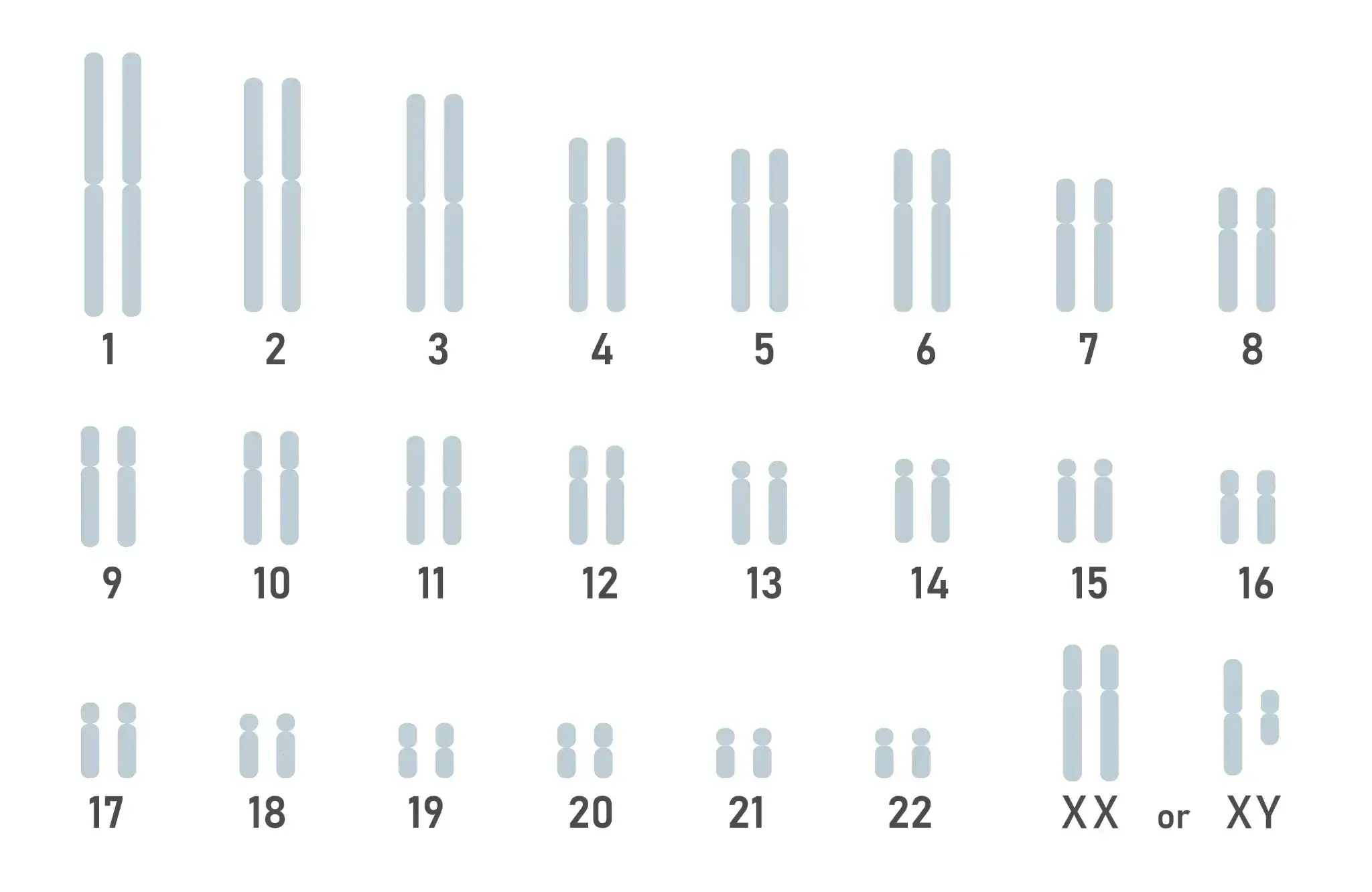
Schematic diagram of DNA map present in cells
- ■
- ■
- ■
- ■
- ■
- ■
- ■
- ■
- ■
Related genes
| Related genes | IL18R1 |
|---|
Frequently asked questions (FAQ)
Q1. What is extranodal NK/T cell lymphoma/nasal type?
Extranodal NK/T cell lymphoma/nasal type is a malignant lymphoma derived from NK cells or T cells that mainly occurs in the nasal cavity, paranasal sinuses, and posterior pharynx.It is closely related to Epstein-Barr virus (EBV) and occurs more frequently in Asians and South Americans.
Q2. What is the cause of extranodal NK/T cell lymphoma/nasal type?
The main cause isPersistent infection with Epstein-Barr virus (EBV)It is. EBV infects NK cells and T cells, causing abnormal cell proliferation. As a genetic factor, the G-type mutation in the DNA region rs13015714 is associated with an increased risk.
Q3. What are the symptoms of extranodal NK/T cell lymphoma/nasal type?
The initial symptoms areNasal congestion, epistaxis, chronic nasal dischargeIt may be misdiagnosed as sinusitis. As it progresses, it may cause fatal central granuloma (nasal structural destruction and severe facial deformity).
Q4. Can genetic testing determine the risk of extranodal NK/T cell lymphoma/nasal type?
By examining the genotype of DNA region rs13015714,Understand disease risk trendsYou can. A study by Lin and colleagues at Sun Yat-sen University found that people with the G mutation (GG type and GT type) tend to be at higher risk.
References
- Reference link 1: 2020 Feb., Guo-Wang Lin, Lancet Oncol