
 Risk of developing esophageal cancer due to smoking over time

- Esophageal adenocarcinoma is a malignant tumor that develops in the esophageal mucosa.In Japan, it accounts for less than 10% of all esophageal cancers, but it is on the rise.
- CC genotype of DNA region rs17002540People who have smoked for 15 years or more have an increased risk of developing esophageal adenocarcinoma.
- Quitting smoking, improving eating habits, and preventing acid refluxcan be expected to reduce the risk of developing the disease.
Overview Esophageal cancer is a malignant tumor that occurs in the mucous membrane of the esophagus, and approximately 26,000 people were newly diagnosed in 2019. There are two types of esophageal cancer: esophageal squamous cell carcinoma and esophageal adenocarcinoma, with the former accounting for over 90% and the latter accounting for less than 10% in Japan. (Reference link 1) However, with the westernization of dietary habits and the aging of the population, the frequency of esophageal adenocarcinoma is increasing in Japan. The onset mechanism of esophageal cancer is thought to be related to gastric acid reflux and chronic inflammation of the esophageal mucosa. According to a recent research report, it has been revealed that a certain area near the "CDR1SPANXB2" gene and the total amount of smoking are likely to influence the risk of developing esophageal adenocarcinoma. Esophageal adenocarcinoma has a poor prognosis with a 5-year survival rate of 15-20% after treatment, and early detection is difficult due to the lack of initial symptoms. (Reference link 2) Based on the above, finding out your own genetic type through genetic testing is expected to be useful for early detection and prevention of disease onset. 2. Rationale A study by the Epidemiology Laboratory at Baylor College of Medicine in the United States found that some people are more likely to develop esophageal adenocarcinoma depending on the genotype of the DNA region "rs17002540" surrounding the "CDR1SPANXB2" gene and the total amount of smoking. This DNA region "rs17002540" has three genotypes: "CC type," "CT type," and "TT type." Regarding the genotypes of Japanese people, "CC type" is the most common at 77.0%, "CT type" at 21.5%, and "TT type" at the lowest rate at 1.5%. It has been found that people with the CC genotype are more likely to develop esophageal adenocarcinoma if their total smoking amount is equivalent to smoking one pack a day for 15 years or more. However, people with CC type who smoke a total of 1 pack per day for 15 years or more do not necessarily develop esophageal adenocarcinoma; the risk increases due to a combination of lifestyle and other environmental factors. In addition to smoking, it is known that esophagitis caused by gastric acid reflux and obesity are associated with the risk of esophageal adenocarcinoma. The esophageal mucosa is sensitive to stomach acid, so you need to be careful about your diet and habits that can easily cause gastric acid reflux. For example, excessive intake of fried foods, fatty meats, sweets such as cakes, too spicy foods, alcohol, coffee, etc. can promote the secretion of stomach acid, making it easier to cause reflux. It is important to eat foods that protect the stomach mucosa, such as okra, lotus root, and taro, and to be careful about your posture to prevent stomach acid from refluxing. In this way, it is important to avoid foods and habits that increase the risk of developing the disease and to choose the right environment to reduce the risk of developing the disease. By understanding the risk of developing esophageal adenocarcinoma at an early stage through genetic testing, it becomes possible to manage the risk in terms of lifestyle and environment. 3. Mechanism of action The CDR1 gene is one of the 24 chromosomes located on the X chromosome, and is involved in total smoking and the development of esophageal adenocarcinoma. This gene is also known as a cerebellar degeneration-related antigen, and is expressed in the nervous system, including the cerebrum and cerebellum, as well as in various types of cancer tissues. (Reference link 3) However, it is still not clear why the CDR1 gene is expressed in cancer cells. According to research, the genotype of the DNA region "rs17002540" causes overexpression of the CDR1 gene, and when combined with environmental factors such as long-term smoking, the esophageal mucosa, which has become glandular, may become cancerous. (Reference link 4) In other words, the DNA region "rs17002540" is attracting attention as one of the single nucleotide polymorphisms that are closely related to total smoking amount and the development of esophageal adenocarcinoma.
What is esophageal cancer (esophageal adenocarcinoma) caused by long-term smoking?
Esophageal adenocarcinoma is a malignant tumor that develops in the mucous membrane of the esophagus, and is a disease in which the cumulative amount of smoking (total amount of smoking) and genotype are closely related to the risk of developing the disease.As of 2019, approximately 26,000 people are newly diagnosed with esophageal cancer annually in Japan.
Types and characteristics of esophageal cancer
There are two main types of esophageal cancer.
| Comparison items | Esophageal squamous cell carcinoma | Esophageal adenocarcinoma |
|---|---|---|
| Percentage in Japan | 90% or more | 10% or less |
| Main cause | Drinking/Smoking | Acid reflux/obesity/smoking |
| Onset tendency | flat | Increasing trend (westernized eating habits) |
| 5 year survival rate | Approximately 20-30% | Approximately 15-20% |
Developmental mechanism of esophageal adenocarcinoma
The development of esophageal adenocarcinoma is related to chronic inflammation of the esophageal mucosa caused by gastric acid reflux.Specifically, it is thought to develop through the following processes.
- Acid reflux:Stomach acid flows back into the esophagus, causing chronic inflammation of the esophageal mucosa.
- Barrett's esophagus:During the inflammatory repair process, the esophageal mucosa changes into intestinal-type epithelium.
- Adenocarcinomatization:Genetic mutations accumulate and the changed mucous membranes become cancerous.
According to research from Baylor College of Medicine in the United States,Genotype of the DNA region "rs17002540" and total smoking amount are involved in the risk of developing esophageal adenocarcinomaIt became clear that it would.
Relationship between smoking amount and esophageal adenocarcinoma risk
People with the CC genotype are at increased risk of developing esophageal adenocarcinoma if they smoke a significant amount of tobacco, one pack per day for 15 years or more.
- CC type: Risk increases when total smoking amount is 15 pack years or more
- However, smoking alone does not cause the disease.Acid reflux/obesityMultiple environmental factors such as
Diet and habits that increase the risk of esophageal adenocarcinoma
Foods and habits that promote acid reflux are risk factors for esophageal adenocarcinoma.
- Excessive intake of fried foods and fatty meats
- Excessive intake of sweets such as cake
- Eating foods that are too spicy
- Excessive intake of alcohol/coffee
How to prevent esophageal adenocarcinoma
Quitting smoking is the most important preventive measure.In addition, the following measures are effective.
- Intake of gastric mucosal protective foods:Sticky foods such as okra, lotus root, and taro
- Posture management after meals:Do not lie down immediately after eating to prevent acid reflux
- Maintaining a healthy weight:Obesity is a risk factor for acid reflux
- Utilization of genetic testing:Identify risks early and implement preventive management in terms of lifestyle and environment
Association between genes and risk of esophageal adenocarcinoma due to smoking over time
Relationship between DNA region rs17002540 and onset risk
A study by Dong et al. at Baylor College of Medicine in the United States found that the genotype of the DNA region rs17002540 is associated with total smoking amount and the risk of developing esophageal adenocarcinoma.
- There are three genotypes of rs17002540: CC, CT, and TT.
- CC type genotypePeople with this condition tend to have a higher risk of developing esophageal adenocarcinoma due to long-term smoking.
Genotype distribution in Japanese (rs17002540)
| Genotype | Percentage of Japanese people | percentage of the world |
|---|---|---|
| CC type | 73.1% (highest) | 66.5% |
| CT type | 24.7% | 30.0% |
| TT type | 2.0% (minimum) | 3.3% |
Mechanism of action of CDR1 gene
The CDR1 gene is located on the X chromosome and is involved in total smoking and the development of esophageal adenocarcinoma.
- Known as a cerebellar degeneration-related antigen, expressed in the nervous system and cancer tissues of the cerebrum and cerebellum
- The genotype of the DNA region rs17002540 is that of the CDR1 gene.overexpressioncause
- With the addition of environmental factors such as long-term smoking,The esophageal mucosa that has become glandular cells becomes cancerous.there is a possibility
Rationale for testing
Surface DNA region: risk of developing esophageal cancer due to smoking over time
The gene region that most strongly influences the risk of developing esophageal cancer due to chronic smoking is rs17002540. The distribution of isomorphic genotypes in Japan is as follows.
- CC
73.1 % - CT
24.7 % - TT
2.0 %
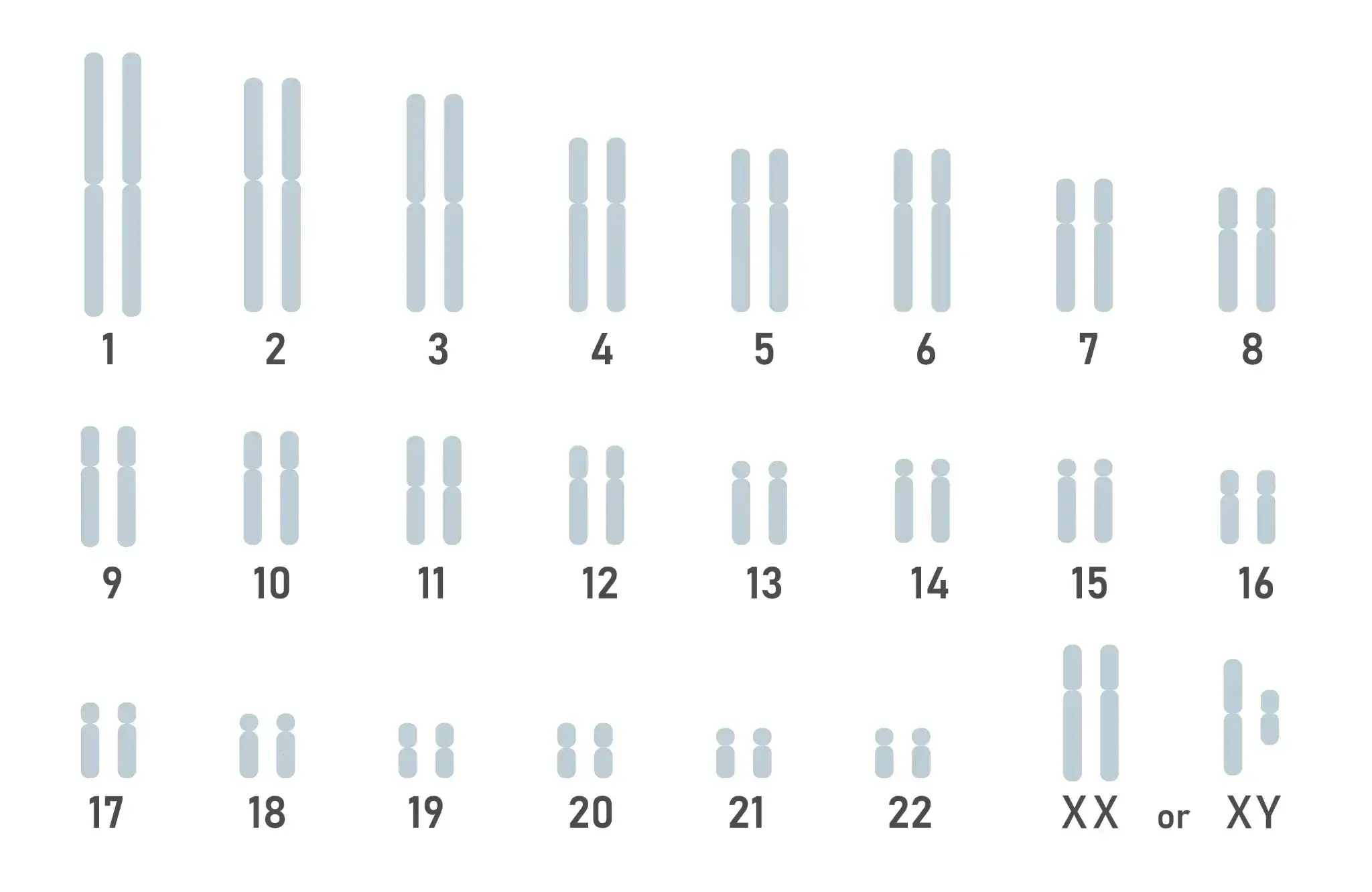
The DNA region investigated this time
Schematic diagram of DNA map present in cells
- ■
- ■
- ■
- ■
- ■
- ■
- ■
- ■
- ■
Related genes
| Related genes | LINC00632 |
|---|
Frequently asked questions (FAQ)
Q1. What is esophageal cancer (esophageal adenocarcinoma) caused by smoking over time?
Esophageal adenocarcinoma is a type of malignant tumor that develops in the mucous membrane of the esophagus.In Japan, it accounts for less than 10% of all esophageal cancers, but the number is increasing as dietary habits become more Westernized and the population ages. Gastric acid reflux and chronic esophagitis are known to be the main pathogenic mechanisms.
Q2. What is the relationship between smoking and esophageal adenocarcinoma?
DNA region rs17002540People with the CC genotype are more likely to develop esophageal adenocarcinoma with a total smoking amount equivalent to smoking one pack a day for 15 years or more.There is. However, in addition to smoking, environmental factors such as acid reflux and obesity are also involved.
Q3. What is the 5-year survival rate for esophageal adenocarcinoma?
After treatment for esophageal adenocarcinoma5-year survival rate is 15-20%It has been reported that this is a disease with a severe prognosis. Because early symptoms are rare and early detection is difficult, preventive risk management through genetic testing is important.
Q4. Can genetic testing determine the risk of esophageal adenocarcinoma?
By examining the genotype of the DNA region rs17002540,Understanding trends in the risk of developing esophageal adenocarcinoma due to smoking over timeYou can. 77.0% of Japanese people have CC type, and this type tends to have a high combined risk with long-term smoking.
Q5. How to prevent esophageal adenocarcinoma?
Quitting smoking is the most important preventive measure.In addition, lifestyle changes such as refraining from excessive intake of fried foods, fatty meat, alcohol, and coffee, consuming foods that protect the gastric mucosa such as okra, lotus root, and taro, and avoiding lying down immediately after meals are effective.
References
- Reference link 1: Information on “esophageal cancer” Cancer information service
- Reference link 2: 2010 Mar., Marjolein Sikkem, Clinical gastroenterology and hepatology.
- Reference link 3: 2014 Sep., Salemi, Michele, The International journal of biological markers.
- Reference link 4: 2018 Sep., Jianzhong Zhang, Cell Prolif.
- Reference link 5: 2018 Oct., Jing Dong, Clin Gastroenterol Hepatol