
 erectile dysfunction/dysfunction

- Erectile dysfunction/dysfunction (ED) is the inability to obtain or maintain a sufficient erection.The prevalence increases with age, from 2 to 15% in people in their 40s to 50 to 100% in people in their 70s.
- Type A mutation in DNA region rs7064929Study finds that people with ED tend to have a higher risk of developing ED after radiation therapy
- The genotype distribution of Japanese people isGG type 68.9%, GA type 28.2%, AA type 2.9%, and the prevalence of type A is lower than the world average.
Overview Erectile dysfunction (ED) is defined as ``the persistent or recurrent inability to obtain or maintain an erection sufficient for satisfactory sexual activity.'' The prevalence increases with age, and is estimated to be 110% in those under 40 years of age, 215% in those in their 40s, and highly variable in those in their 50s, reaching 2040% in those in their 60s and 50,100% in those in their 70s. (Reference link 1) Erectile dysfunction/dysfunction (ED) is known to have a higher incidence in certain genetic polymorphisms, but it is mainly caused by organic (arteriosclerosis, nerve disorders), psychogenic (mental stress), mixed (arteriosclerosis, nerve disorders, stress), and drug-induced (medication) acquired factors. Risks associated with erectile dysfunction/dysfunction (ED) include aging, diabetes, obesity/lack of exercise, cardiovascular disease, smoking, low testosterone, chronic kidney disease and lower urinary tract symptoms, neurological disorders, psychological/psychiatric factors, and sleep apnea syndrome. Additionally, it has been reported that there are genetic polymorphisms that make men more susceptible to erectile dysfunction/dysfunction (ED) after radiotherapy for prostate cancer. (Reference link 2) By confirming the risk of erectile dysfunction/dysfunction (ED) through genetic testing, it is expected to be useful for early detection and early countermeasures. 2. Rationale: We evaluated erectile dysfunction/dysfunction (ED) in 138 African-American men who underwent radiation therapy and were followed for 3 years after prostate cancer treatment. Targeting people who had no problems with sexual function before treatment, we defined those whose sexual function deteriorated after one year or more of treatment as the ``patient group'' and those who did not as the ``healthy group.'' The research subjects were ``patient group: 29 people'' and ``healthy group: 53 people.'' Among them, DNA was collected from 27 patients and 52 healthy patients and analyzed, resulting in a total of 512,497 genetic polymorphisms. From the analysis results, rs7064929 was identified as one of the DNA regions associated with erectile dysfunction/dysfunction (ED). There are three genotypes in this DNA region: ``GG type'', ``AG type'', and ``AA type'', and ``AA type'' people who have the Risk Allele ``A'' tend to develop erectile dysfunction/dysfunction (ED), while ``GA type'' people tend to be slightly more prone to developing erectile dysfunction/dysfunction (ED). It was found that 68.9% of Japanese people have the GG type, 28.2% have the GA type, and 2.9% have the AA type. (Reference links 3 and 4). 3. Mechanism of action Regarding the relationship between erectile dysfunction/dysfunction (ED) after radiotherapy and a specific DNA region, rs7064929, the exact mechanism is unknown, but the DNA region rs7064929, located on chromosome X, may be involved in the expression of the nearby gene KIAA1166. KIAA1166 is a type of protein that plays an important role in gene regulation. This gene is expressed in organs throughout the body and is involved in functions such as cognitive function, breathing, and heart. (Reference link 5) ``KIAA1166'' is also involved in the expression of a gene called ``TRPV4,'' and since this gene controls the ability to draw water into cells, there are reports that it is associated with lower urinary tract disorders. (Reference link 6) It has been reported that mutations in the gene "TRPV4" cause motor neuropathy (hereditary motor and sensory neuropathy), and therefore may also be involved in "erectile dysfunction/dysfunction (ED)". (Reference links 7, 8) From the above, the DNA region "rs7064929" is attracting attention as one of the single nucleotide polymorphisms associated with the risk of erectile dysfunction/dysfunction (ED) after radiation therapy.
What is erectile dysfunction/dysfunction (ED)?
Erectile Dysfunction (ED) is a disease in which the inability to obtain or maintain an erection sufficient for satisfactory sexual activity persists or recurs.ED is the most common sexual dysfunction in men, and its prevalence increases with age.
ED prevalence by age
| age group | prevalence |
|---|---|
| Under 40 years old | 1〜10% |
| 40s | 2〜15% |
| 50s | Large variation |
| 60s | 20〜40% |
| 70s | 50〜100% |
(Reference link 1)
What is the cause of ED? - 4 classifications
Although it has been found that ED is more likely to occur due to certain genetic polymorphisms, it is mainly caused by acquired factors. The causes are classified into the following four categories.
- Organic:Decreased blood flow and nerve transmission due to arteriosclerosis and nerve damage
- Psychogenic:Mental stress/anxiety/depression
- Mixability:Combination of arteriosclerosis, neurological disorders, and stress
- Pharmaceutical properties:Side effects of taking antihypertensive drugs, antidepressants, etc.
Main risk factors for ED - 10 items
The following 10 risk factors for ED have been confirmed.
- aging
- diabetes
- Obesity/lack of exercise
- cardiovascular disease
- smoking
- low testosterone
- Chronic kidney disease and lower urinary tract symptoms
- neurological disease
- Psychological/mental illness factors
- sleep apnea syndrome
Confirming the risk of ED through genetic testing is expected to be useful for early detection and early countermeasures.
The connection between genes and ED - Why do genes play a role in risk?
Relationship between DNA region rs7064929 and onset risk
There is a study that evaluated ED by observing 138 African Americans who underwent radiation therapy for three years after prostate cancer treatment.(Reference link 2)
- Classified based on people who had no problems with sexual function before treatment
- People whose sexual function decreased more than 1 year after treatment → “Patient group: 29 people”
- People whose sexual function did not deteriorate → “Healthy group: 53 people”
- DNA was collected from 27 patients and 52 healthy patients, totaling512,497 piecesAnalyzing genetic polymorphisms of
According to the analysis results, it is one of the DNA regions related to ED.rs7064929has been identified.
Relationship between genotype and risk of developing disease
| Genotype | risk trends | Percentage of Japanese people | percentage of the world |
|---|---|---|---|
| GG type | low risk | 68.9% | 92.2% |
| GA type | somewhat likely to develop | 28.2% | 7.6% |
| AA type (Risk Allele A) | easy to develop | 2.9% | 0.1% |
(Reference links 3, 4)
Mechanism of action - How is rs7064929 involved in ED?
Although the exact mechanism behind the association between ED after radiotherapy and the DNA region rs7064929 is unknown, the following pathway is speculated.
- rs7064929 on the X chromosomeis involved in the expression of neighboring gene "KIAA1166"
- KIAA1166is a type of protein that plays an important role in gene regulation (Reference link 5)
- KIAA1166 is expressed in organs throughout the body and is also involved in cognitive, respiratory, and cardiac functions.
- KIAA1166 is furtherTRPV4 geneAlso involved in the expression of (reference link 6)
- TRPV4 controls the ability to draw water into cells,lower urinary tract disorderA relationship has been reported with
- TRPV4 mutations areMotor neuropathy (hereditary motor and sensory neuropathy)(Reference links 7, 8)
Through this pathway, the DNA region rs7064929 is attracting attention as one of the single nucleotide polymorphisms associated with the risk of ED after radiotherapy.
Summary of mechanisms of action
| stage | Content |
|---|---|
| 1 | Mutation in DNA region rs7064929 (X chromosome) |
| 2 | Changes in expression of gene KIAA1166 |
| 3 | Effect on TRPV4 gene |
| 4 | Cellular water control/lower urinary tract disorders |
| 5 | Motor neuron disorder → increased risk of developing ED |
Rationale for testing
Superficial DNA region: Erectile dysfunction/dysfunction
The gene region most strongly associated with erectile dysfunction/dysfunction is rs7064929. The distribution of isomorphic genotypes in Japan is as follows.
- GG
99.9 % - GA
0.1%以下 - AA
0.1%以下
Basis for inspection
A study of 138 African Americans who underwent radiation therapy found that the risk of developing ED is linked to genes. There are two types of mutations in the rs7064929 region, G and A, and people with the risk allele type A mutation tend to have a higher risk of ED. In Japanese, 68.9% are GG type, 28.2% are GA type, and 2.9% are AA type.
The DNA region investigated this time
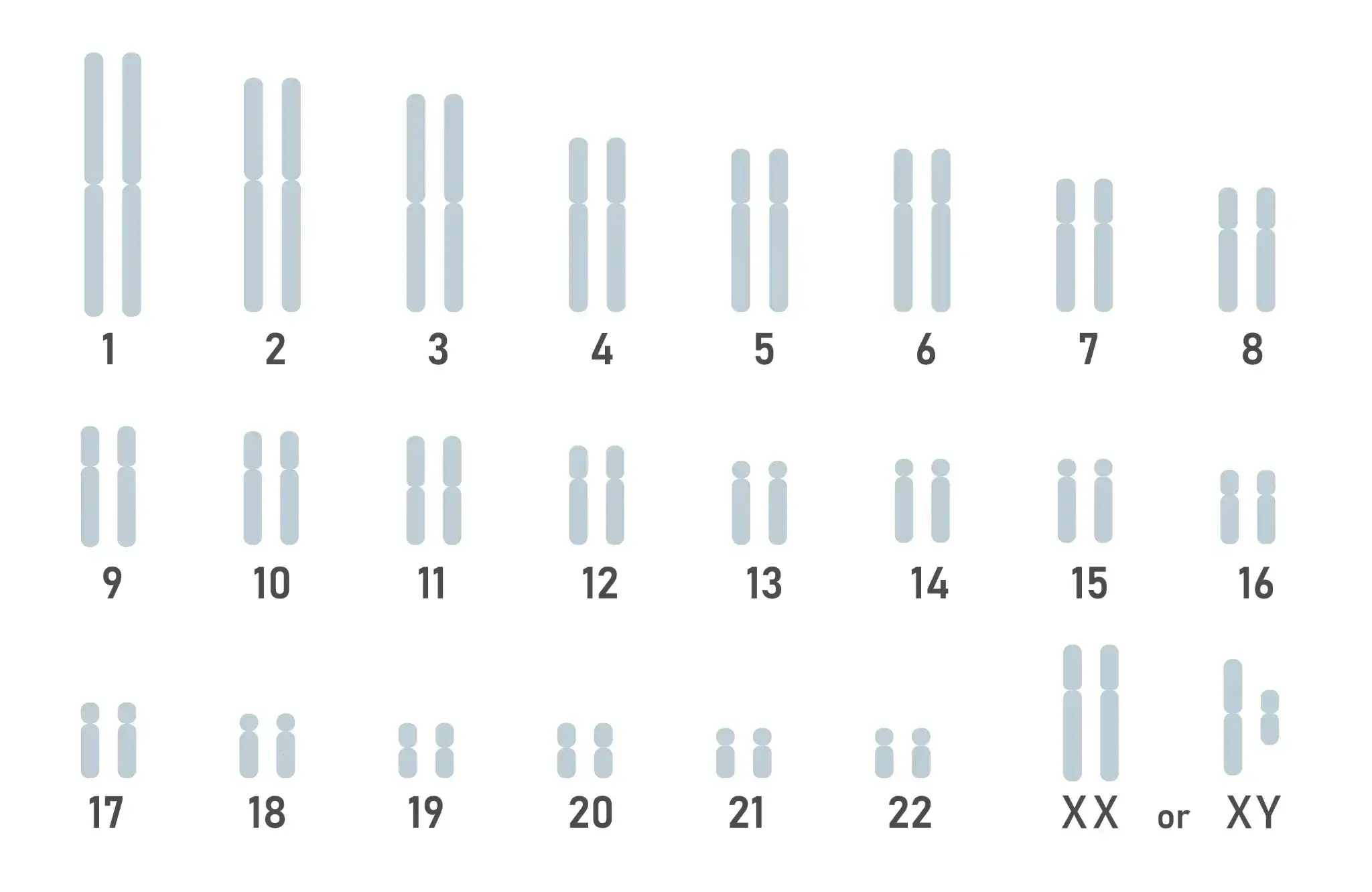
Schematic diagram of DNA map present in cells
- ■
- ■
- ■
- ■
- ■
- ■
- ■
- ■
- ■
Related genes
| Related genes | ZC3H12B |
|---|
Frequently asked questions (FAQ)
Q1. What is erectile dysfunction/dysfunction (ED)?
Erectile Dysfunction (ED) is a disease in which the inability to obtain or maintain an erection sufficient for satisfactory sexual activity persists or recurs.The prevalence increases with age, and is estimated to be 2-15% in people in their 40s, 20-40% in people in their 60s, and 50-100% in people in their 70s.
Q2. What is the cause of ED?
What causes ED?Organic (arteriosclerosis/neuropathy), psychogenic (mental stress), mixed (complex factors), drug-induced (drug side effects)It is classified into four types. Genetically, the type A mutation in the DNA region rs7064929 has been identified as a risk factor.
Q3. Can genetic testing determine the risk of ED?
By examining the genotype of DNA region rs7064929,Understanding trends in the risk of developing ED after radiation therapyYou can. People with type AA are more likely to develop the disease, and people with type GA are slightly more likely to develop it. In Japanese, 68.9% are GG type, 28.2% are GA type, and 2.9% are AA type.
Q4. What are the risk factors for ED?
The main risk factors areAging, diabetes, obesity/lack of exercise, cardiovascular disease, smoking, decreased testosterone, chronic kidney disease and lower urinary tract symptoms, neurological disorders, psychological/psychiatric factors, sleep apnea syndromeThere are 10 items.
Q5. What is the relationship between ED and genes KIAA1166 and TRPV4?
The DNA region rs7064929 is located on the X chromosome, and the nearbyGene KIAA1166may be involved in the expression of KIAA1166 is furtherTRPV4 geneIt is also involved in the expression of TRPV4, and mutations in TRPV4 have been reported to cause motor neuron disorders. The possibility that it may also be involved in ED through this pathway is being studied.
References
- Reference link 1: ED Treatment Guidelines Japanese Society of Sexual Function
- Reference link 2: 2010 Dec., Sarah L Kerns, Int J Radiat Oncol Biol Phys.
- Reference link 3: Information on DNA region “rs7064929” NIH
- Reference link 4: Information on DNA region “rs7064929” SNPedia
- Reference link 5: Information on the gene “ZC4H2” NIH
- Reference link 6: 2020 May., Laura Vangeel, Int J Mol Sci.
- Reference link 7: Information on the gene “TRPV4” NIH
- Reference link 8: 2022 Mar., Kang Jun Cho, Investigative and Clinical Urology