
 eosinophilia

- Eosinophilia is an immune disorder in which the number of eosinophils, a type of white blood cell, increases to more than 500 per μL in the blood.The main causes are allergies, parasitic infections, and autoimmune diseases.
- G-type mutation in DNA region rs3093479A University of Cambridge study found that people with
- Mild cases are asymptomatic, but severe cases are asymptomatic.Organ damage, fever, skin rashIt is important to identify the cause and treat it early.
Overview Eosinophilia is a condition in which the number of eosinophils, a type of white blood cell, is higher than normal in the blood. As part of the immune system, eosinophils are involved in parasitic infections and allergic reactions. Normally, eosinophils account for about 16% of white blood cells in the blood. Eosinophilia means that this rate increases to more than 500 cells per microliter, but this criterion varies by laboratory. Eosinophilia has a variety of causes, including allergic reactions (to pollen, foods, drugs, etc.), parasitic infections, atopic diseases, autoimmune diseases (such as systemic lupus erythematosus), side effects of medications, and certain cancers (particularly blood tumors and lymphomas). Mild eosinophilia often causes no symptoms; severe cases can cause tissue and organ damage, fever, fatigue, and skin rashes. Since the situation differs greatly from person to person, it is important to first identify the cause when treating. A study by Vuckovic et al. from the University of Cambridge revealed that the risk of developing eosinophilia is associated with a DNA region called rs3093479. There are three genotypes in this DNA region: AA, AG, and GG, and it was found that people with the G genotype tend to have a higher risk of eosinophilia.
What is eosinophilia?
Eosinophilia is an immune disorder in which the number of eosinophils, a type of white blood cell, increases to 500 or more per 1μL in the blood.Eosinophils are immune cells that normally make up 1-6% of all white blood cells and are responsible for defense against parasitic infections and allergic reactions.
What causes eosinophilia?
The causes of eosinophilia are classified into six categories:
- Allergic reaction:Allergies caused by pollen, food, and drugs activate eosinophils.
- Parasitic infection:Eosinophils increase as an immune response to parasites
- Atopic diseases:Asthma and atopic dermatitis induce chronic eosinophilia
- Autoimmune diseases:Systemic lupus erythematosus (SLE) and other diseases increase eosinophils
- Side effects of medication:Certain drugs cause eosinophilia
- Malignant tumor:There are cases where blood tumors and lymphomas are the cause.
Severity classification of eosinophilia
| severity | Eosinophil count (/μL) | Main features |
|---|---|---|
| Mild | 500〜1,500 | Often asymptomatic |
| moderate | 1,500〜5,000 | Possible tissue invasion |
| severe | Over 5,000 | Higher risk of organ damage |
Main symptoms of eosinophilia
Symptoms vary depending on severity.
- Mild:No symptoms (often discovered incidentally through blood tests)
- Moderate to severe:Fever, chronic fatigue, skin rash/itching
- If accompanied by organ damage:Cough/shortness of breath (lungs), abdominal pain/diarrhea (gastrointestinal tract), heart failure symptoms (heart)
How to diagnose eosinophilia
It is diagnosed by the following tests:
- Measurement of peripheral blood eosinophil count (blood test)
- Measurement of serum IgE level
- Bone marrow examination (in severe cases)
- CT/endoscopy (evaluation of organ invasion)
Relationship between genes and eosinophilia
Relationship between DNA region rs3093479 and onset risk
A study by Vuckovic et al. from the University of Cambridge found that the DNA region rs3093479 is associated with the risk of developing eosinophilia.
- There are three genotypes of rs3093479: AA, AG, and GG.
- Genotype with type G mutationpeople tend to be at higher risk of eosinophilia
Genotype distribution in Japanese (rs3093479)
| Genotype | Percentage of Japanese people | percentage of the world |
|---|---|---|
| AA type | 24.0% | 77.9% |
| AG type | 49.9% | 20.6% |
| GG type | 25.9% | 1.3% |
Rationale for testing
Superficial DNA region: eosinophilia
The gene region that most strongly influences eosinophilia is rs3093479. The distribution of isomorphic genotypes in Japan is as follows.
- AA
24.0 % - AG
49.9 % - GG
25.9 %
Another gene region involved in eosinophilia is rs6596834. The distribution of isomorphic genotypes in Japan is as follows
- AA
12.3 % - AC
45.5 % - CC
42.1 %
Another gene region involved in eosinophilia is rs7080536. The distribution of isomorphic genotypes in Japan is as follows
- GG
99.9 % - GA
0.1%以下 - AA
0.1%以下
Another gene region involved in eosinophilia is rs34290285. The distribution of isomorphic genotypes in Japan is as follows
- GG
72.4 % - GA
25.3 % - AA
2.2 %
Basis for inspection
A study by Vuckovic et al. from the University of Cambridge revealed that the risk of developing eosinophilia is linked to genes. There are two types of mutations in the rs3093479 region, A and G, and people with the G type mutation tend to have a higher risk of eosinophilia.
The DNA region investigated this time
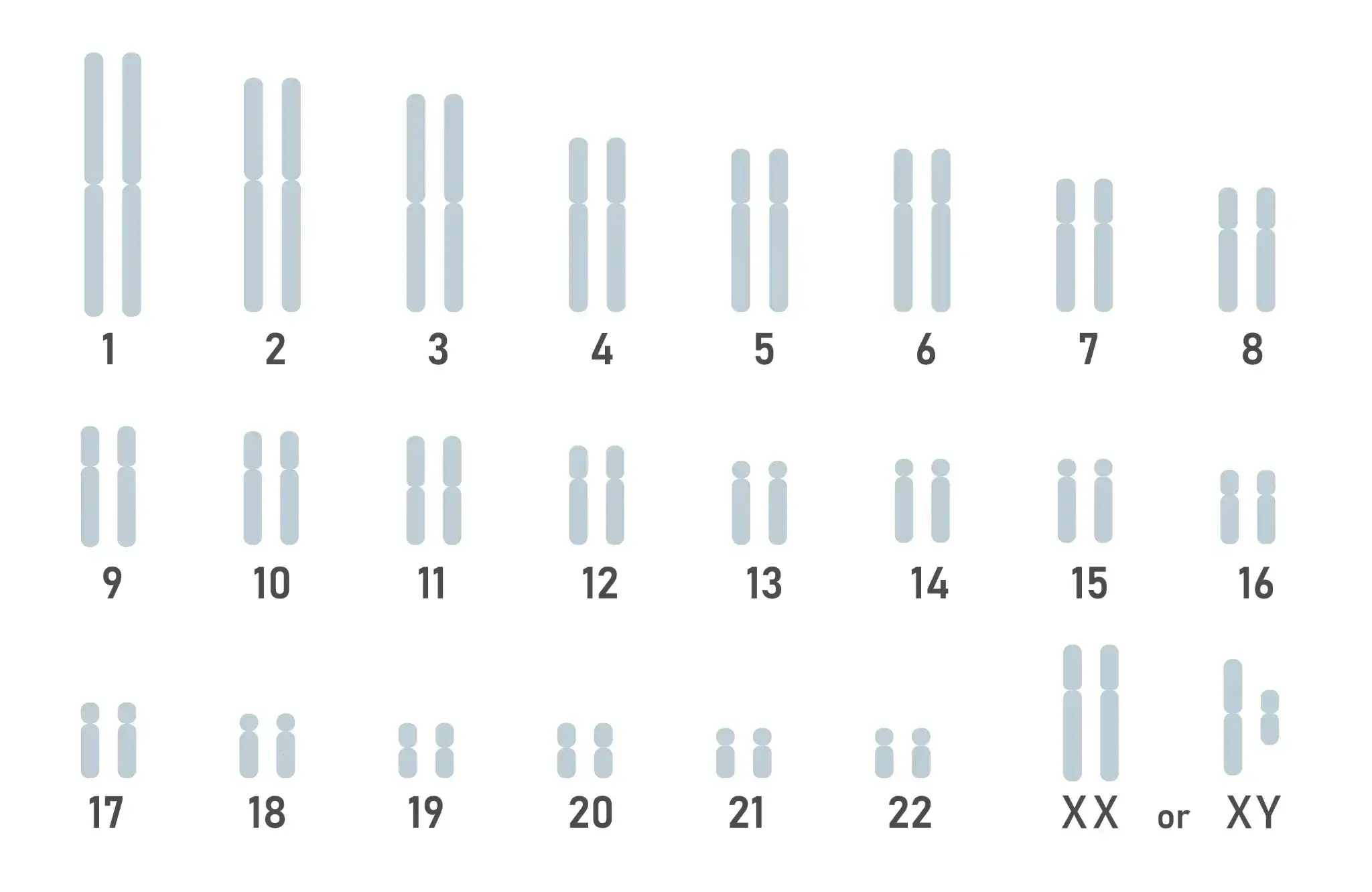
Schematic diagram of DNA map present in cells
- ■
- ■
- ■
- ■
- ■
- ■
- ■
- ■
- ■
Related genes
| Related genes | IL9R |
|---|---|
| Related genes | LINC03066 |
| Related genes | HABP2 |
| Related genes | D2HGDH |
Frequently asked questions (FAQ)
Q1. What is eosinophilia?
Eosinophilia is an immune disorder in which the number of eosinophils, a type of white blood cell, increases to 500 or more per 1 μL in the blood.Eosinophils are immune cells that normally make up 1-6% of white blood cells and are involved in parasitic infections and allergic reactions.
Q2. What is the cause of eosinophilia?
The main cause isAllergic reactions (pollen, food, drugs), parasitic infections, atopic diseases, autoimmune diseases (systemic lupus erythematosus, etc.), side effects of medications, certain cancers (hematologic tumors, lymphoma)It is. Carriers of the G mutation in the DNA region rs3093479 tend to be at higher risk.
Q3. What are the symptoms of eosinophilia?
In mild cases (500-1,500/μL)AsymptomaticThere are many things like that. In severe cases (more than 5,000/μL)Organ damage, fever, chronic fatigue, skin rash, respiratory symptoms such as coughing and shortness of breath appear.
Q4. Can the risk of eosinophilia be determined through genetic testing?
By examining the genotype of DNA region rs3093479,Understand the risk trend of developing eosinophiliaYou can. A study by Vuckovic and colleagues at the University of Cambridge found that people with the G mutation genotype tend to be at higher risk.
References
- Reference link 1: 2020 Sep., Dragana Vuckovic, Cell
- Reference link 2: 2016 Nov., William J Astle, Cell