
 environmentalism trends

- Environmentalism is an attitude and behavior aimed at preserving and improving the natural environment., which refers to sustainable efforts including recycling and the use of renewable energy.
- T-type mutation in DNA region rs7612581A Cornell University study found that people with
- Japanese rs7612581 genotype distribution isTT type 29.5%, TG type 49.6%, GG type 20.8%Approximately 79% carry the T mutation.
Overview Environmentalism refers to attitudes and actions focused on preserving and improving the natural environment. This mindset is characterized through a variety of activities and values to reduce human impact on the planet and promote sustainable coexistence with other living things. Environmentalists are active in recycling, using renewable energy, reducing waste, and protecting nature. We also emphasize consumption of organic foods and participation in environmental education. They are deeply concerned about environmental issues such as climate change, pollution, deforestation, and endangered species, and work to preserve and restore ecosystems. We also focus on promoting environmental justice and highlighting the inequitable impact of environmental degradation on particular communities. Environmentalism involves not only individual lifestyles but also efforts at the social and political level. This idea is found in many different peoples, cultures and regions and reflects a commitment to a sustainable planet. A study by Benjamin and colleagues at Cornell University revealed that environmentalism is associated with a DNA region called rs7612581. There are three genotypes in this DNA region: TT, TG, and GG, and it was found that people with the T genotype have a strong tendency toward environmentalism.
What is environmentalism?
Environmentalism is a general term for attitudes and behaviors that focus on preserving and improving the natural environment.Based on values that reduce human impact on the planet and promote sustainable coexistence with other living things.
Main characteristics and actions of environmentalism
People with strong environmentalist tendencies actively engage in the following activities:
- Recycling/waste reduction:Reduce environmental impact through resource reuse
- Use of renewable energy:Choose sustainable energy sources such as solar and wind
- Organic food consumption:Emphasis on food that does not rely on pesticides or chemical fertilizers
- Participation in environmental education:Acquisition of knowledge and awareness-raising activities regarding environmental issues
- Ecosystem conservation and restoration:Engaged in forest protection and endangered species protection activities
Key issues of concern to environmentalism
Environmentalists care deeply about the following global challenges:
- Measures against climate change (global warming)
- Prevention of air, water, and soil pollution
- Reducing deforestation and planting trees
- Protecting endangered species and maintaining biodiversity
- Promoting environmental justice (addressing the unfair impacts of environmental degradation)
Comparison of levels of environmentalism in practice
| level | individual level | social/political level |
|---|---|---|
| concrete action | Recycling, energy saving, organic food consumption | Promotion of environmental policy and strengthening of laws and regulations |
| goal | Improving lifestyle | Achieving systematic environmental protection |
| Scope of influence | Home/local community | Nation/international community as a whole |
The link between genes and environmentalist tendencies
Relationship between DNA region rs7612581 and environmentalism tendency
A study by Benjamin et al. (2012) from Cornell University revealed that the DNA region rs7612581 is associated with environmentalist tendencies.
- There are three genotypes of rs7612581: TT, TG, and GG.
- Genotype with T-type mutation(TT type/TG type) people have a strong tendency to be environmentalist.
- Related genes:SSX2IPP1
Genotype distribution in the Japanese and the world (rs7612581)
| Genotype | Percentage of Japanese people | percentage of the world |
|---|---|---|
| TT type | 29.5% | 43.9% |
| TG type | 49.6% | 44.7% |
| GG type | 20.8% | 11.3% |
Approximately 79.1% of Japanese people carry the T mutation (TT type or TG type). Approximately 88.6% of people in the world carry the T mutation, and the proportion of Japanese people with the GG mutation tends to be higher than the world average.
Rationale for testing
External DNA domain: trends in environmentalism
The genetic region most strongly associated with environmentalist tendencies is rs7612581. The distribution of isomorphic genotypes in Japan is as follows.
- TT
29.5 % - TG
49.6 % - GG
20.8 %
Basis for inspection
A study by Benjamin and colleagues at Cornell University revealed that environmentalism is linked to genes. There is a region called rs7612581 in the human genome, and there are two types of mutations, T and G, in the gene in this region.People with the T-type mutation are more likely to be environmentalists.I understand that.
The DNA region investigated this time
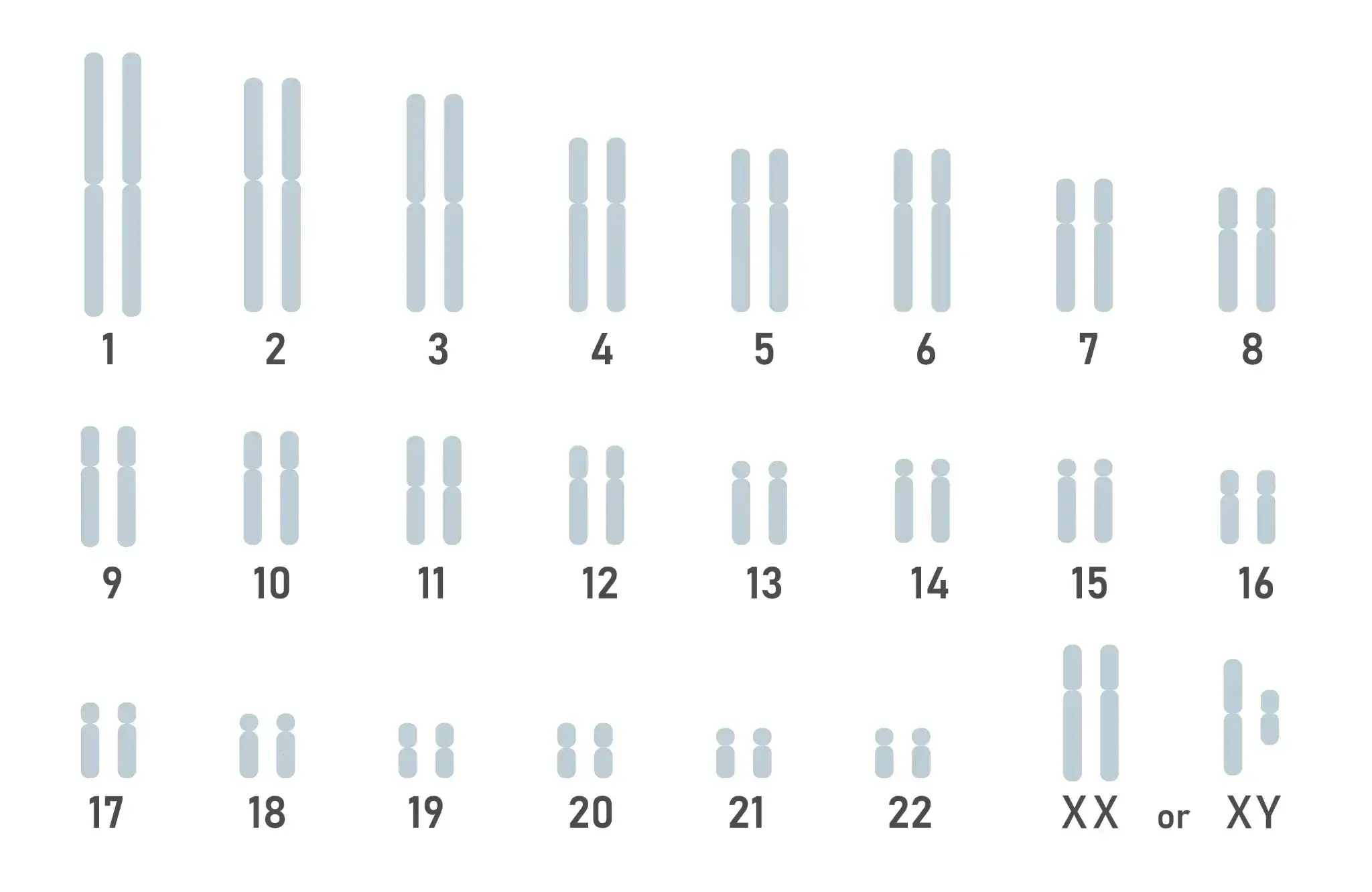
Schematic diagram of DNA map present in cells
- ■
- ■
- ■
- ■
- ■
- ■
- ■
- ■
- ■
Related genes
| Related genes | SSX2IPP1 |
|---|
Frequently asked questions (FAQ)
Q1. What is environmentalism?
Environmentalism is a general term for attitudes and behaviors that focus on preserving and improving the natural environment.Through activities such as recycling, the use of renewable energy, waste reduction, and nature conservation, we aim to reduce human impact on the earth and achieve sustainable coexistence.
Q2. Is the tendency towards environmentalism related to genes?
According to research by Benjamin et al. at Cornell University,DNA region rs7612581 is associated with environmentalist tendenciesIt turns out that. People with the T mutation genotype have been shown to be more likely to be environmentalists.
Q3. What are the characteristics of people with strong environmentalist tendencies?
People with strong environmentalist tendenciesActively promoting recycling and the use of renewable energyand emphasizes the consumption of organic foods and participation in environmental education. We are deeply concerned about environmental issues such as climate change, pollution, and deforestation, and work to preserve and restore ecosystems.
Q4. What is the distribution of the genotypes of rs7612581?
In JapaneseTT type 29.5%, TG type 49.6%, GG type 20.8%It is. Worldwide, 43.9% are TT type, 44.7% are TG type, and 11.3% are GG type, and the proportion of Japanese people with GG type tends to be higher than the world average.
References
- Reference link 1: 2012 May., Daniel J Benjamin, Proc Natl Acad Sci U S A