
 Athletic ability (endurance)

- Endurance consists of three elements: cardiorespiratory function, muscular endurance, and energy supply system.Ability to sustain long-term exercise consisting of
- C-type mutation in DNA region rs8192678Research shows that people with
- regularAerobic exercise and resistance trainingIt is possible to improve cardiopulmonary function and muscular endurance.
Overview Endurance exercise capacity refers to the ability to maintain a constant exercise intensity for a long period of time. This ability is determined by multiple physical factors, primarily cardiorespiratory fitness, muscular endurance, and the efficiency of your energy supply system. Endurance is especially important in long-duration sports and exercise, such as marathons, cycling, and triathlons. Cardiorespiratory fitness is a central component of endurance exercise capacity. Good cardiorespiratory fitness increases your body's ability to efficiently take in oxygen and deliver it through your blood to muscles throughout your body. This allows your muscles to continue producing energy for extended periods of time. Regular aerobic exercise such as jogging, swimming, and cycling are effective ways to improve your cardiovascular fitness. Muscular endurance is also an important factor supporting endurance exercise capacity. Muscular endurance refers to the ability of a particular muscle to contract repeatedly over a long period of time. To increase muscle endurance, long-term low-intensity training and resistance training with moderate loads are effective. This strengthens your muscle fibers and improves your ability to endure long periods of exercise. The energy supply system also plays an important role in endurance exercise performance. The body primarily uses carbohydrates and fat as energy sources, and the use of fat is especially important during endurance exercise. Fat provides a stable energy supply during long-term exercise, so efficient use of fat is required to maintain endurance. A study by Maciejewska and colleagues at Szczecin University revealed that endurance (endurance exercise capacity) is associated with a DNA region called rs8192678. There are three genotypes in this DNA region: CC, CT, and TT, and it was found that people with the C type mutation tend to have higher endurance.
What is endurance (endurance athletic ability)?
Endurance (endurance exercise capacity) is the ability to maintain a constant exercise intensity for a long period of time.This ability is particularly important in long-duration sports such as marathons, cycling, and triathlons, and is determined by three elements: cardiopulmonary function, muscular endurance, and energy supply system.
Three elements that make up endurance
Endurance is determined by three physical factors:
- Cardiovascular function:Ability to take oxygen into the body and deliver it to muscles throughout the body through the blood
- Muscular endurance:the ability of certain muscles to contract repeatedly over long periods of time
- Energy supply system:Mechanism that efficiently converts carbohydrates and fats into energy
Impact of cardiorespiratory fitness on endurance
Cardiovascular fitness is a central component of enduranceIt is. Good cardiorespiratory fitness increases your ability to efficiently take oxygen into your body and deliver it through your blood to muscles throughout your body. This allows your muscles to continue producing energy for extended periods of time.
Here are some training methods to improve your cardiopulmonary function:
- regular jogging
- swimming
- Aerobic exercise such as cycling
The role of muscular endurance and how to train it
muscular endurancerefers to the ability of a particular muscle to contract repeatedly over a long period of time. The following exercises are effective for increasing muscular endurance.
- long, low-intensity training
- Resistance training with moderate load
This strengthens your muscle fibers and improves your ability to endure long periods of exercise.
Importance of energy supply system
The body is mainlycarbohydrates and fatsis used as an energy source. Utilizing fat is especially important during endurance exercise. Fat provides a stable energy supply during long-term exercise, so efficient use of fat is required to maintain endurance.
Training comparison related to endurance
| Comparison items | aerobic training | resistance training |
|---|---|---|
| Main effect | Improves cardiopulmonary function | Improving muscular endurance |
| Exercise example | jogging, swimming, cycling | low-intensity strength training |
| energy source | fat center | Mainly carbohydrates |
| strength | Low to medium intensity/long time | Medium intensity/moderate time |
| Target sports | marathon/triathlon | Basic physical fitness for all sports |
The relationship between genes and endurance
Relationship between DNA region rs8192678 and endurance
A study by Maciejewska and colleagues at the University of Szczecin found that the DNA region rs8192678 is associated with endurance.
- There are three genotypes of rs8192678: CC, CT, and TT.
- Genotype with type C mutationpeople tend to have higher endurance
Genotype distribution in Japanese (rs8192678)
| Genotype | Percentage of Japanese people | percentage of the world |
|---|---|---|
| CC type | 24.5% | 45.7% |
| CT type | 49.9% | 43.7% |
| TT type | 25.4% | 10.4% |
In Japan, 24.5% are CC type, while in the world as a whole it is 45.7%, a difference of about 1.9 times. TT type is a relatively common genotype among Japanese people, accounting for 25.4% of Japanese people and 10.4% worldwide.
Rationale for testing
Physical DNA region: athletic ability (endurance)
The gene region that most strongly influences athletic performance (endurance) is rs8192678. The distribution of isomorphic genotypes in Japan is as follows.
- CC
24.5 % - CT
49.9 % - TT
25.4 %
Basis for inspection
Research by Maciejewska and colleagues at the University of Szczecin revealed that athletic ability (endurance) is linked to genes. There is a region called rs8192678 in the human genome, and the gene in that region has two types of mutations: C and T. It was found that people with type C mutation tend to have higher endurance.
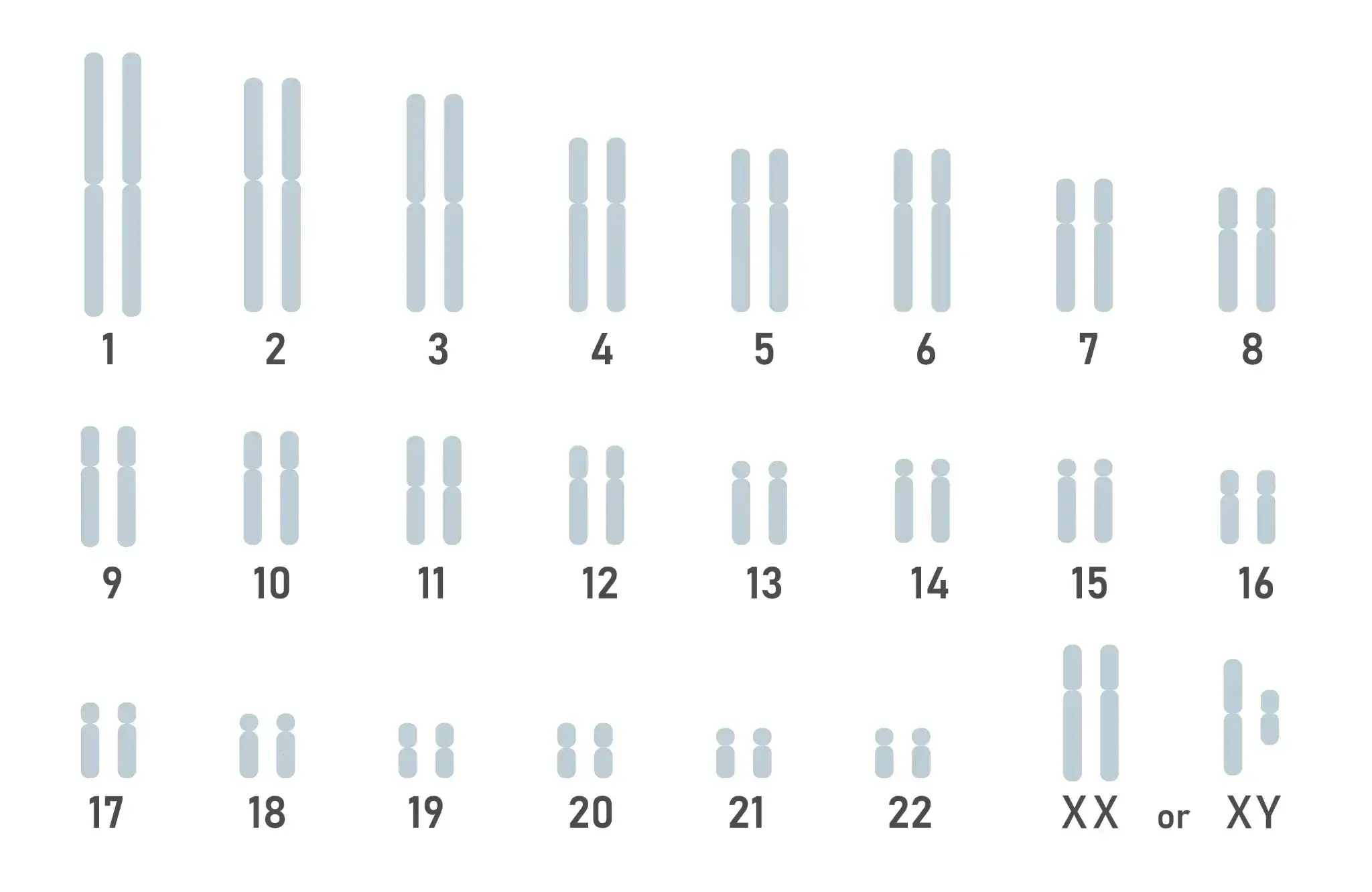
The DNA region investigated this time
Schematic diagram of DNA map present in cells
- ■
- ■
- ■
- ■
- ■
- ■
- ■
- ■
- ■
Related genes
| Related genes | PPARGC1A |
|---|
Frequently asked questions (FAQ)
Q1. What is endurance (endurance athletic ability)?
Endurance is the ability to maintain a constant intensity of exercise for an extended period of time.It consists of three elements: cardiorespiratory function, muscular endurance, and energy supply system, and is especially important in long-duration sports such as marathons and cycling.
Q2. What genes are related to endurance?
According to research by Maciejewska et al. of Szczecin University,DNA region rs8192678 (PPARGC1A gene)was found to be associated with endurance. People with the C mutation tend to have higher endurance.
Q3. How can I increase my endurance?
regularAerobic exercise such as jogging, swimming, and cyclingimproves cardiovascular function. Furthermore, low-intensity, long-term training and moderate-load resistance training strengthen muscular endurance.
Q4. What is the relationship between cardiopulmonary function and endurance?
Cardiorespiratory fitness is a central component of enduranceIt is. Good cardiopulmonary function increases your ability to efficiently take in oxygen and supply it through your blood to muscles throughout your body. This allows your muscles to continue producing energy for a long time.
References
- Reference link 1: 2011 Sep., Agnieszka Maciejewska, J Sports Sci