
 endometrial cancer

- Endometrial cancer is a malignant tumor that develops from the endometrium of the uterus.It accounts for over 80% of endometrial cancers and occurs more frequently in postmenopausal women.
- Type A mutation in DNA region rs12970291Oxford University research finds that people with
- With early detection5-year survival rate is approximately 95%, it is important to seek medical attention early for abnormal bleeding and have regular checkups.
Overview Endometrial cancer is a type of cancer that develops in the endometrial lining of the uterus. Endometrial cancer occurs when the endometrial lining thickens and tumors develop within the uterus. The most common symptoms of endometrial cancer are bleeding outside the menstrual cycle and excessive vaginal bleeding that occurs after menopause. It also presents with symptoms such as pelvic pain and weight loss. As the disease progresses, the cancer spreads to surrounding tissues and causes complications such as difficulty urinating and defecating. Endometrial cancer varies from person to person in size, shape, and degree of malignancy, and there may be no symptoms in the early stages. Diagnosis uses diagnostic imaging and biopsy to determine the presence or extent of cancer within the uterus. A study by Cheng et al. at the University of Oxford revealed that the risk of developing endometrial cancer is associated with a DNA region called rs12970291. There are three genotypes in this DNA region: GG, GA, and AA, and it has been found that people with the A genotype tend to have a higher risk of developing endometrial cancer.
What is endometrial cancer?
Endometrial cancer is a malignant tumor that develops from the endometrium of the uterus (the mucosal layer of the uterine body).It accounts for over 80% of endometrial cancers and is one of the most common cancers in the gynecological field in developed countries.
Causes and mechanisms of endometrial cancer
Endometrial cancer is broadly classified into two types.
- Type I (estrogen dependent):Approximately 80% of cases are caused by abnormal growth of the endometrium due to overstimulation of estrogen.
- Type II (estrogen-independent):Approximately 20% of patients develop from atrophied intima and have a poor prognosis.
The main risk factors are:
- obesity(Because adipose tissue produces estrogen, the risk is approximately tripled if your BMI is 30 or higher)
- Nulliparous women/infertility
- Late menopause (after age 55)
- diabetes/hypertension
- Long-term use of tamoxifen
- Genetic predisposition (type A mutation in DNA region rs12970291)
Main symptoms of endometrial cancer
endometrial cancerThe most common initial symptom is irregular bleeding.It is. Approximately 90% of patients have abnormal vaginal bleeding.
- Irregular bleeding after menopause (the most important warning sign)
- Abnormal bleeding outside the menstrual cycle
- Pelvic pain/pressure
- Unexplained weight loss
- Difficulty urinating and defecating (advanced stage)
Difference between endometrial cancer and cervical cancer
| Comparison items | Endometrial cancer (body) | cervical cancer |
|---|---|---|
| Occurrence site | endometrium of the uterine body | Cervix (entrance) |
| Main cause | estrogen hyperstimulation | HPV (human papillomavirus) infection |
| Age of onset | 50s to 60s (postmenopausal) | 30s to 40s |
| Main symptoms | Irregular bleeding after menopause | Post-coital bleeding/leucorrhea abnormality |
| Prevention method | Obesity management/regular check-ups | HPV vaccine/cervical cancer screening |
| Prognosis of early treatment | 5-year survival rate approximately 95% (Stage I) | 5-year survival rate approximately 92% (Stage I) |
Stage classification and prognosis of endometrial cancer
Endometrial cancer is classified as follows depending on the stage of progression.
| stage | Progress range | 5 year survival rate |
|---|---|---|
| I stage | Localized in the uterine body | Approximately 95% |
| Stage II | infiltrate the cervix | Approximately 70% |
| Stage III | Spread outside the uterus and into the pelvis | Approximately 40% |
| Stage IV | Bladder/rectal/distant metastasis | Approximately 15% |
Diagnostic method
It is diagnosed by the following tests.
- Transvaginal ultrasound examination(Measurement of endometrial thickness)
- endometrial biopsy(Gold standard for histopathological diagnosis)
- Hysteroscopy (direct observation inside the uterine cavity)
- MRI examination (assessment of depth of invasion)
- CT examination (to check for distant metastasis)
Relationship between genes and endometrial cancer
Relationship between DNA region rs12970291 and onset risk
A study by Cheng et al. from the University of Oxford found that the DNA region rs12970291 is associated with the risk of developing endometrial cancer.
- There are three genotypes of rs12970291: GG, GA, and AA.
- Genotype with type A mutationtend to have a higher risk of endometrial cancer
Genotype distribution in Japanese (rs12970291)
| Genotype | Percentage of Japanese people | percentage of the world |
|---|---|---|
| GG type | 90.6% | 93.2% |
| GA type | 9.1% | 6.5% |
| AA type | 0.2% | 0.1% |
Rationale for testing
Superficial DNA region: endometrial cancer
The gene region that most strongly affects endometrial cancer is rs12970291. The distribution of isomorphic genotypes in Japan is as follows.
- GG
90.6 % - GA
9.1 % - AA
0.2 %
Basis for inspection
A study by Cheng et al. at the University of Oxford revealed that the risk of developing endometrial cancer is linked to genes. There is a region called rs12970291 in the human genome, and there are two types of mutations, G and A, in the gene in this region.People with type A mutations tend to have a higher risk of endometrial cancerI found out that there is.
The DNA region investigated this time
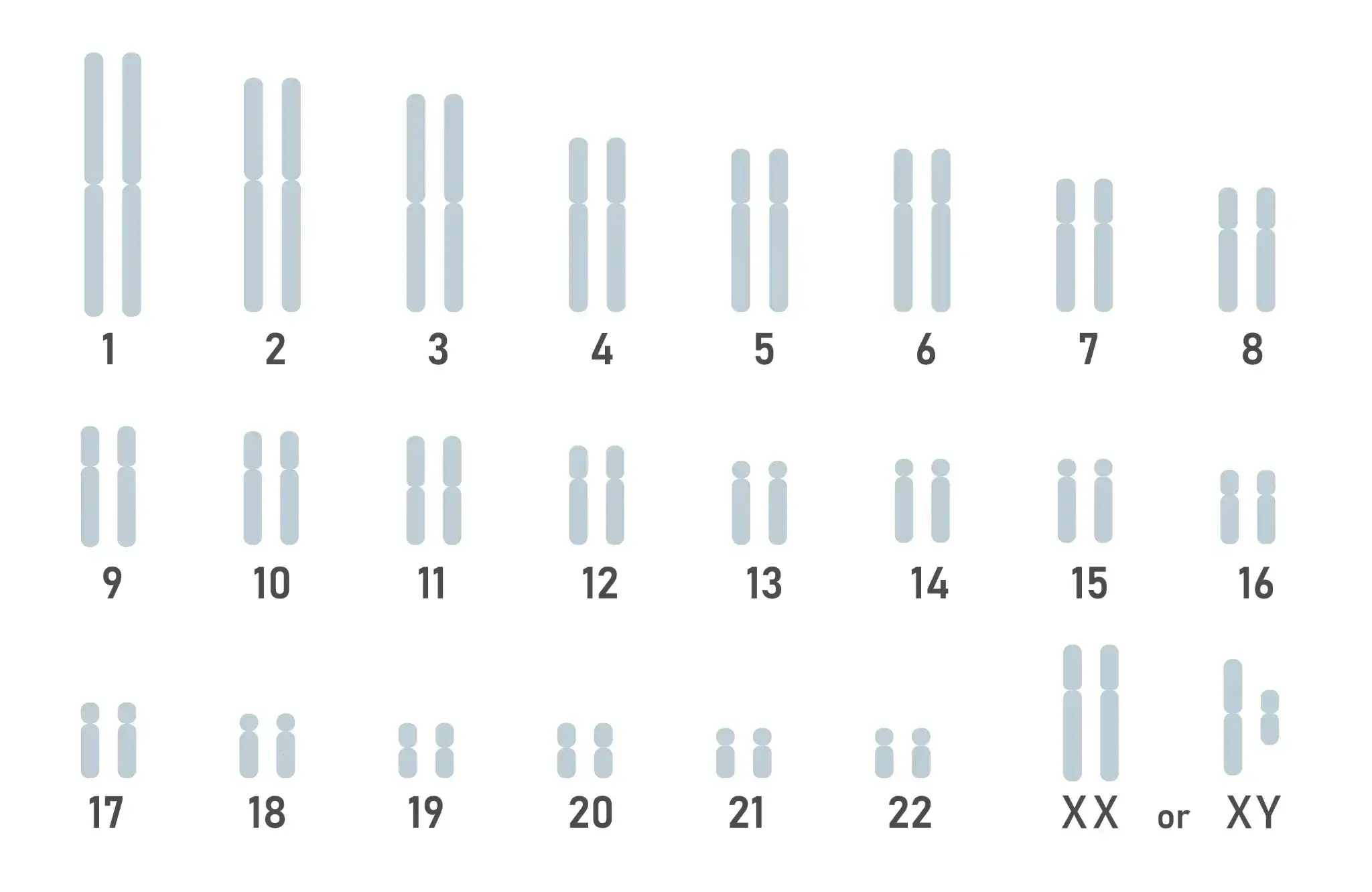
Schematic diagram of DNA map present in cells
- ■
- ■
- ■
- ■
- ■
- ■
- ■
- ■
- ■
Related genes
| Related genes | TSHZ1 |
|---|
Frequently asked questions (FAQ)
Q1. What is endometrial cancer?
Endometrial cancer is a malignant tumor that originates from the endometrial lining of the uterus.It accounts for more than 80% of endometrial cancers and is more common in postmenopausal women. Abnormal bleeding is the main initial symptom, and if detected early, the 5-year survival rate for stage I patients is approximately 95%.
Q2. What is the cause of endometrial cancer?
The main cause isAbnormal growth of the endometrium due to overstimulation of estrogenIt is. The main risk factors are obesity (about 3 times the risk with a BMI of 30 or more), nulliparous women, late menopause, diabetes, and genetic predisposition (type A mutation in the DNA region rs12970291).
Q3. What is the difference between endometrial cancer and cervical cancer?
endometrial cancer isOccurs in the endometrium of the uterine bodyIt often occurs after menopause. cervical cancer isOccurs at the entrance to the uterus (cervix)The main cause is HPV infection, and it often occurs in people in their 30s and 40s. The location, cause, and age of onset are different.
Q4. Can genetic testing determine the risk of endometrial cancer?
By examining the genotype of the DNA region rs12970291,Understanding risk trends for endometrial cancerYou can. An Oxford University study found that people with the type A mutation tend to be at higher risk.
Q5. How can endometrial cancer be detected early?
Irregular bleeding after menopause is the most important warning signIt is. The thickness of the endometrium is measured using a transvaginal ultrasound, and if any abnormalities are found, a pathological diagnosis is performed using an endometrial biopsy. Regular gynecological examinations are the key to early detection.
References
- Reference link 1: 2015 Dec., Timothy H T Cheng, Sci Rep