
 arterial elasticity

- Arterial elasticity is evaluated by pulse pressure (systolic blood pressure - diastolic blood pressure)and the normal range is 40-60mmHg
- 6 DNA regions containing rs366178is involved in the elasticity of arteries, and people with the type A mutation tend to have particularly high elasticity.
- Elasticity decreases due to aging, high blood pressure, arteriosclerosis, and diabetes.Increased risk of cardiovascular diseasedo
Overview Pulse pressure is a number that indicates the difference between systolic and diastolic blood pressure. Systolic pressure is the highest pressure when the heart contracts and pumps blood into the arteries, and diastolic pressure is the lowest pressure when the heart is relaxing. Measuring pulse pressure helps assess the elasticity and compliance of the arteries. In a healthy vascular system, arteries are flexible and can expand and contract appropriately in response to the heart's beats, typically maintaining a moderate pulse pressure range of 40 to 60 mmHg. This flexibility cushions the pressure waves generated by the heart's beats, effectively directing blood to organs and keeping circulation smooth without putting undue strain on artery walls. As we age, or conditions such as high blood pressure, arteriosclerosis, or diabetes, arteries can become less flexible and stiffer, leading to higher pulse pressure. High pulse pressure tends to put strain on the heart and increase cardiovascular risk. Therefore, monitoring pulse pressure is an important indicator of arterial health and cardiovascular risk. A study by Surendran et al. at the University of Cambridge revealed that the elasticity of arteries is associated with a DNA region called rs366178. There are three genotypes in this DNA region: CC, CA, and AA, and it was found that people with the A genotype tend to have higher arterial elasticity.
What is arterial elasticity?
Arterial elasticity refers to the ability of arterial walls to flexibly expand and contract in response to heart beats, and is an important indicator of cardiovascular health.Arterial elasticity can be quantitatively evaluated by measuring pulse pressure (the difference between systolic and diastolic blood pressure).
Systolic pressure is the highest pressure when the heart contracts and pumps blood into the arteries, and diastolic pressure is the lowest pressure when the heart is relaxing. In a healthy vascular system, arteries remain flexible, dampening the pressure waves caused by the heart's beats and efficiently delivering blood to organs throughout the body.
Normal range of pulse pressure and meaning of abnormal value
In healthy arteries, pulse pressure is maintained between 40 and 60 mmHg.Pulse pressures above this range indicate decreased arterial elasticity and increased cardiovascular risk.
| Pulse pressure range | arterial condition | Risk assessment |
|---|---|---|
| 40〜60mmHg | Normal elasticity | low risk |
| 60mmHg or more | elasticity decreases | Increased cardiovascular risk |
| Less than 40mmHg | Possibility of decreased cardiac output | Heart failure risk confirmation required |
Causes of reduced arterial elasticity
Decreased arterial elasticity is caused by four factors:
- Aging:Elastin (elastic fibers) in artery walls decreases and collagen increases, causing blood vessels to harden.
- High blood pressure:Persistent high blood pressure puts undue strain on artery walls, causing structural changes.
- Arteriosclerosis:Arteries become thickened and hardened due to accumulation of cholesterol and lipids on blood vessel walls.
- Diabetes:High blood sugar levels glycate proteins in artery walls, reducing their elasticity.
What are the risks of high pulse pressure?
When the pulse pressure exceeds 60 mmHg, it puts an excessive burden on the heart and increases the risk of cardiovascular disease by about 1.5 to 2 times.Specifically, the risk of the following complications increases.
- Myocardial infarction:Increased pressure load on coronary arteries, increasing risk of plaque rupture
- Stroke:Excessive pressure on cerebral blood vessels increases risk of hemorrhagic and ischemic stroke
- Aneurysm:High pulse pressure dilates artery walls and promotes aneurysm formation
- Organ failure:Increased risk of damage to microvessels in areas such as the kidneys and retina
How to maintain and improve arterial elasticity
The following lifestyle changes are effective in maintaining the elasticity of your arteries.
- Aerobic exercise:Walking or jogging for at least 150 minutes a week improves arterial flexibility
- Low salt diet:Keep salt intake to less than 6g per day
- No smoking:Smoking promotes arteriosclerosis, so quitting smoking is essential.
- Maintaining a healthy weight:Maintain a BMI range of 18.5-24.9
- Regular blood pressure measurements:Detect early changes by monitoring pulse pressure
Relationship between genes and arterial elasticity
Relationship between DNA region rs366178 and arterial elasticity
A study by Surendran et al. at the University of Cambridge revealed that the elasticity of arteries is associated with a DNA region called rs366178.
- There are three genotypes of rs366178: CC, CA, and AA.
- People with type A mutation (AA type/CA type)tend to have more elastic arteries
- Type AA accounts for 69.1% of Japanese people, which is overwhelmingly higher than the world average (10.4%)
Comparison of genotype distribution between Japanese and the world (rs366178)
| Genotype | Percentage of Japanese people | percentage of the world |
|---|---|---|
| CC type | 2.8% | 45.7% |
| CA type | 27.9% | 43.7% |
| AA type | 69.1% | 10.4% |
Other related DNA regions
In addition to rs366178, five other DNA regions are involved in arterial elasticity.
| DNA region | Genotype | Distribution of Japanese people |
|---|---|---|
| rs59884963 | CC / CT / TT | 56.2% / 37.5% / 6.2% |
| rs17477177 | TT / TC / CC | 83.4% / 15.8% / 0.7% |
| rs10784502 | CC / CT / TT | 1.5% / 21.8% / 76.5% |
| rs6015450 | AA / AG / GG | 99.9% / 0.1%以下 / 0.1%以下 |
| rs11105364 | TT / TG / GG | 35.5% / 48.1% / 16.3% |
Rationale for testing
Superficial DNA region: elasticity of arteries
The gene region that most strongly influences arterial elasticity is rs366178. The distribution of isomorphic genotypes in Japan is as follows.
- CC
2.8 % - CA
27.9 % - AA
69.1 %
Another gene region involved in arterial elasticity is rs59884963. The distribution of isomorphic genotypes in Japan is as follows
- CC
56.2 % - CT
37.5 % - TT
6.2 %
Another gene region involved in arterial elasticity is rs17477177. The distribution of isomorphic genotypes in Japan is as follows
- TT
83.4 % - TC
15.8 % - CC
0.7 %
Another gene region involved in arterial elasticity is rs10784502. The distribution of isomorphic genotypes in Japan is as follows
- CC
1.5 % - CT
21.8 % - TT
76.5 %
Another gene region involved in arterial elasticity is rs6015450. The distribution of isomorphic genotypes in Japan is as follows
- AA
99.9 % - AG
0.1%以下 - GG
0.1%以下
Another gene region involved in arterial elasticity is rs11105364. The distribution of isomorphic genotypes in Japan is as follows
- TT
35.5 % - TG
48.1 % - GG
16.3 %
Basis for inspection
Research by Surendran et al. at the University of Cambridge revealed that arterial elasticity is linked to genes. There is a region called rs366178 in the human genome, and there are two types of mutations, C and A, in the gene in that region. People with the type A mutation (AA type/CA type) tend to have high elasticity of their arteries. Type AA accounts for 69.1% of Japanese people, indicating a higher prevalence of type A than the world average of 10.4%.
The DNA region investigated this time
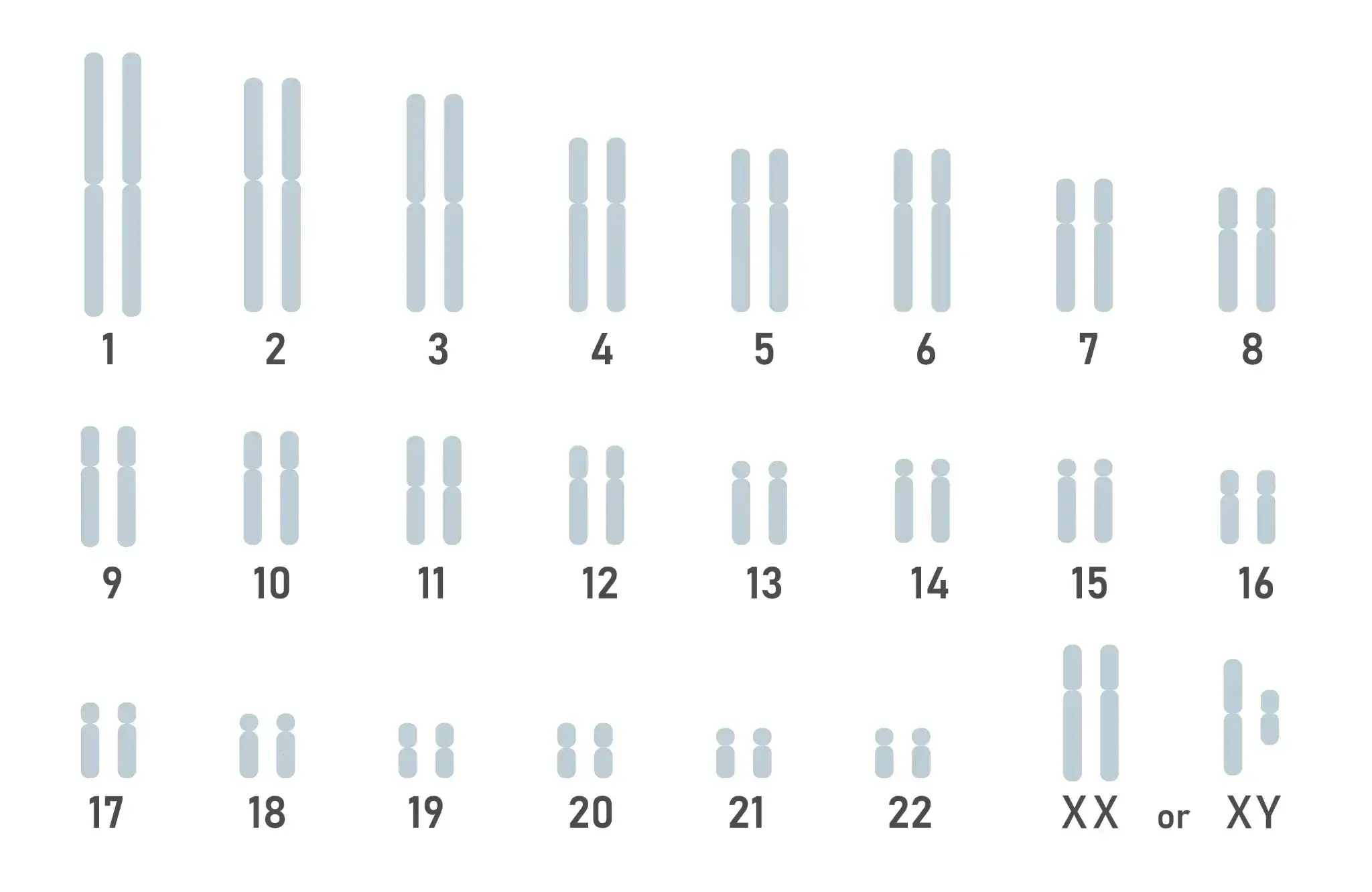
Schematic diagram of DNA map present in cells
- ■
- ■
- ■
- ■
- ■
- ■
- ■
- ■
- ■
Related genes
| Related genes | RNU6-682P |
|---|---|
| Related genes | U6 |
| Related genes | CCDC71L |
| Related genes | HMGA2 |
| Related genes | ZNF831 |
| Related genes | ATP2B1 |
Frequently asked questions (FAQ)
Q1. What is arterial elasticity?
Arterial elasticity refers to the ability of arterial walls to flexibly expand and contract as the heart beats.Healthy blood vessels maintain pulse pressure (the difference between systolic and diastolic blood pressure) in the range of 40 to 60 mmHg, allowing blood to be efficiently delivered throughout the body. When this elasticity decreases due to aging and arteriosclerosis, the risk of cardiovascular disease increases.
Q2. What causes the decrease in arterial elasticity?
The main cause isStructural changes in arterial walls due to aging, hypertension, arteriosclerosis, diabetesThere are four. These change the ratio of collagen and elastin in the arterial wall, stiffening the blood vessels and increasing pulse pressure.
Q3. Are there any genes related to arterial elasticity?
According to research by Surendran et al. from the University of Cambridge,Six DNA regions: rs366178, rs59884963, rs17477177, rs10784502, rs6015450, rs11105364has been found to be related to arterial elasticity. In particular, people with the rs366178 type A mutation tend to be more resilient.
Q4. What are the risks of high pulse pressure?
Pulse pressureExceeding 60mmHg increases the burden on the heartHowever, the risk of cardiovascular disease (myocardial infarction/stroke) increases approximately 1.5 to 2 times. It can also lead to the formation of aneurysms and impaired blood flow to organs.
Q5. Is there a way to maintain the elasticity of arteries?
To maintain the elasticity of your arteries,Aerobic exercise (150 minutes or more per week), low-salt diet (less than 6g per day), smoking cessation, and maintaining a healthy weightis valid. Monitoring pulse pressure with regular blood pressure measurements is also recommended.
References
- Reference link 1: 2020 Dec., Praveen Surendran, Nat Genet
- Reference link 2: 2019 Jan., Ayush Giri, Nat Genet
- Reference link 3: 2015 Nov., Norihiro Kato, Nat Genet
- Reference link 4: 2017 Jan., Thomas J Hoffmann, Nat Genet
- Reference link 5: 2011 Sep., Louise V Wain, Nat Genet
- Reference link 6: 2018 Nov., Fumihiko Takeuchi, Nat Commun