
 How effective are statins?

- Statins lower LDL cholesterol and reduce cardiovascular event risk by 20-35%It is a lipid-lowering drug that causes
- G-type mutation in DNA region rs10455872Study finds that people with cancer tend to respond better to statins
- Blood tests can check changes in LDL levels,Stabilization of arterial plaquecan be expected to have cardiovascular protective effects.
Overview Statins have important effects in reducing the risk of cardiovascular events such as heart disease and stroke by lowering LDL (low-density lipoprotein) cholesterol levels. LDL cholesterol usually builds up in your arteries, forming arterial plaque, which increases your risk of heart disease. Statins reduce cholesterol synthesis by inhibiting certain enzymes in the liver. This dramatically reduces LDL cholesterol in the blood and also lowers the risk of cardiovascular disease caused by high LDL cholesterol. The effectiveness of statin treatment can be determined through blood tests. Over time, lowering LDL levels leads to stabilization of arterial plaque, providing a protective effect on the cardiovascular system. A study by Oni-Orisan et al. at the University of California, San Francisco revealed that the effects of statins are associated with a DNA region called rs10455872. There are three genotypes in this DNA region: AA, AG, and GG, and it was found that people with the G genotype tend to be more effective on statins.
What are statins?
Statins are lipid-lowering drugs that suppress the synthesis of LDL (low-density lipoprotein) cholesterol by inhibiting HMG-CoA reductase in the liver.Clinical trials have shown that it reduces the risk of cardiovascular diseases such as myocardial infarction and stroke by 20-35%.
Mechanism of action of statins
Statins lower LDL cholesterol through the following mechanism.
- Inhibition of HMG-CoA reductase:Directly suppresses cholesterol synthesis in the liver
- Increase in LDL receptors:Increases LDL receptors on the surface of liver cells and promotes uptake of LDL into the blood
- Stabilization of arterial plaque:Stabilizes arterial plaque that builds up over time, reducing the risk of rupture
Characteristics of people who respond well to statins
The effectiveness of statins varies from person to person and is influenced by the following factors:
- Genotype:G-type mutation carriers in the DNA region rs10455872 tend to be more effective
- Standard value for LDL cholesterol:Patients with higher LDL levels before treatment are more likely to experience the effects of statins
- Lifestyle improvements used in combination:Effects increase when used in conjunction with dietary management and exercise
Comparison of statin types and effects
| Types of statins | LDL reduction rate | Features |
|---|---|---|
| Rosuvastatin | 45〜55% | Most powerful high-intensity statin |
| Atorvastatin | 40〜50% | Widely prescribed high-intensity statins |
| Simvastatin | 25〜35% | Representative of moderate-intensity statins |
| pravastatin | 20〜30% | Low-to-moderate-intensity statin with few side effects |
Main side effects of statins
The main side effects reported when using statins are:
- Muscle pain (myopathy):Symptoms occur in approximately 5-10% of people taking the drug.
- Liver dysfunction:Elevated liver enzyme levels may be observed
- Gastrointestinal symptoms:Abdominal pain, diarrhea, and constipation have been reported.
- Rhabdomyolysis:Extremely rare but serious side effects (incidence approximately 0.01%)
How to check the effectiveness of statins
regular blood testsYou can check the effectiveness by measuring changes in LDL cholesterol levels.
- After starting medication4-6 weeksA decrease in LDL levels is observed in
- The target value for LDL cholesterol is generallyLess than 100mg/dL(Less than 70 mg/dL for high-risk patients)
- In the long term, stabilization of arterial plaque provides cardiovascular protection.
Relationship between genes and statin effects
Relationship between DNA region rs10455872 and statin effect
A study by Oni-Orisan et al. (2020) from the University of California, San Francisco, found that the DNA region rs10455872 is associated with the effects of statins.
- There are three genotypes of rs10455872: AA, AG, and GG.
- Genotype with type G mutationPeople with statins tend to have a higher LDL cholesterol-lowering effect with statins.
Genotype distribution in Japanese and the world (rs10455872)
| Genotype | Percentage of Japanese people | percentage of the world |
|---|---|---|
| AA type | 99.9% | 88.0% |
| AG type | 0.1%以下 | 11.5% |
| GG type | 0.1%以下 | 0.3% |
Type AA accounts for 99.9% of Japanese people, and the proportion of type AA tends to be higher than the world average (88.0%).
Rationale for testing
Surface DNA region: How effective are statins?
The gene region that most strongly influences the effectiveness of statins is rs10455872. The distribution of isomorphic genotypes in Japan is as follows.
- AA
99.9 % - AG
0.1%以下 - GG
0.1%以下
Basis for inspection
A study by Oni-Orisan et al. at the University of California, San Francisco revealed that the effects of statins are linked to genes. There is a region called rs10455872 in the human genome, and there are two types of mutations, A and G, in the gene in this region. It was found that people with type A mutations tend to be more effective on statins.
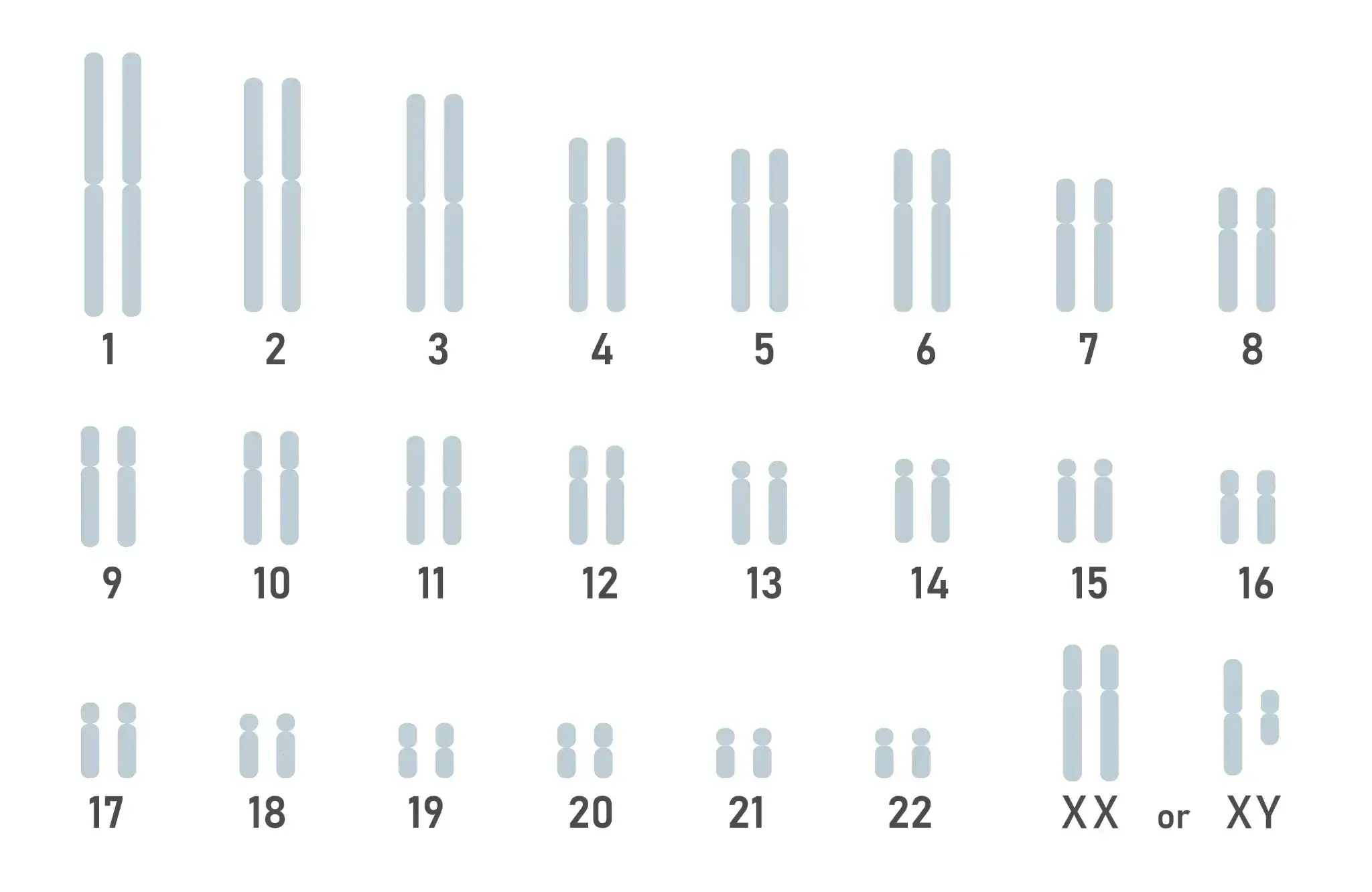
The DNA region investigated this time
Schematic diagram of DNA map present in cells
- ■
- ■
- ■
- ■
- ■
- ■
- ■
- ■
- ■
Related genes
| Related genes | LPA |
|---|
Frequently asked questions (FAQ)
Q1. What is a statin?
Statins are lipid-lowering drugs that inhibit LDL cholesterol synthesis by inhibiting HMG-CoA reductase in the liver.Clinical trials have shown that it reduces the risk of cardiovascular events such as myocardial infarction and stroke by 20-35%.
Q2. How are genes related to the effects of statins?
According to research by Oni-Orisan et al. at the University of California, San Francisco,DNA region rs10455872 is associated with statin effectsIt turns out that it is. People with the G mutation genotype tend to be more effective in lowering LDL cholesterol with statins.
Q3. How can I check the effectiveness of statins?
regularBlood tests measure changes in LDL cholesterol levelsYou can check the effect by doing this. A decrease in LDL levels is observed within 4 to 6 weeks of starting treatment, and a cardiovascular protective effect is achieved by stabilizing arterial plaque.
Q4. What are the main side effects of statins?
The main side effects aremuscle pain (myopathy)and is reported in approximately 5-10% of users. Other symptoms include liver dysfunction and gastrointestinal symptoms, but the frequency of serious side effects tends to be low.
Q5. What is the relationship between the LPA gene and statins?
LPA gene is involved in the production of lipoprotein(a) (Lp(a))rs10455872 is located near the LPA gene. A 2020 study by Oni-Orisan et al. reported that mutations in this region affect the efficacy of statins.
References
- Reference link 1: 2020 Jan., Akinyemi Oni-Orisan, NPJ Genom Med