
 Effectiveness of bronchodilators (airway dilation)

- Bronchodilators are drugs that widen the airways in the lungs and improve respiratory function.It relieves breathing difficulties through four actions: relaxing bronchial smooth muscles, improving airflow, reducing inflammation, and promoting mucus drainage.
- Type A mutation in DNA region rs77094751A Harvard Medical School study found that people with bronchodilators tend to be more effective against bronchodilators.
- The prevalence of type GG among Japanese people is99.9%This is a high percentage compared to the world average of 97.8%.
Overview Bronchodilators are drugs that widen the airways in the lungs, allowing air to move in and out more easily. Their effects are as follows: 1. Relaxation of bronchial smooth muscle: Bronchodilators relax the muscles surrounding the airways, opening them up and making breathing easier. 2. Improved airflow: Widening of the airways improves the flow of air to the lungs. This relieves symptoms such as difficulty breathing, chest tightness, and wheezing. 3. Reduce inflammation: Some bronchodilators have anti-inflammatory properties, which reduce inflammation and swelling in the airways and relieve symptoms. 4. Increased expiratory flow: This increases the rate at which air leaves the lungs, preventing them from overinflating. 5. Promote mucus clearance: Bronchodilators help clear mucus from the airways, improving lung function. 6. Symptom Relief: Reduces respiratory symptoms, increases exercise endurance, and improves quality of life. These drugs are usually given using an inhaler or nebulizer and work directly into the airways. Short-acting drugs are used for acute symptom relief, and long-acting drugs are used for long-term control or prevention of symptoms. Bronchodilators are generally safe, but they can have side effects and should be used as directed by your doctor. Research by Hardin and colleagues at Harvard Medical School revealed that the effects of bronchodilators (airway dilation) are associated with a DNA region called rs77094751. There are three genotypes in this DNA region: GG, GA, and AA, and it has been found that people with the A genotype tend to be more effective with bronchodilators.
What is the effectiveness of bronchodilators (airway dilation)?
Bronchodilators are drugs that widen the airways in the lungs, allowing air to move in and out more easily.It is used to treat asthma and COPD (chronic obstructive pulmonary disease), relieving symptoms such as difficulty breathing, chest tightness, and wheezing.
Six mechanisms of action of bronchodilators
Bronchodilators improve respiratory function through six mechanisms:
- Relaxation of bronchial smooth muscle:Relaxes the muscles surrounding the airways, opening them up and making breathing easier
- Improved airflow:Airway expansion improves airflow to the lungs, relieving breathing difficulties, chest tightness, and wheezing.
- Reduced inflammation:Some bronchodilators have anti-inflammatory properties and reduce airway inflammation and swelling.
- Increased exhalation flow:Increases the rate of air expulsion from the lungs and prevents overinflation of the lungs
- Promote mucus drainage:Promotes mucus drainage from the airways and improves lung function
- Symptom relief:Reduce respiratory symptoms, improve exercise endurance and quality of life (QOL)
Types and differences of bronchodilators
Bronchodilators are classified into two types based on their duration of action. There are differences in the onset time and duration of the effect.
| Comparison items | Short-acting (SABA) | Long-acting (LABA) |
|---|---|---|
| Effect expression | within minutes | 15-30 minutes |
| duration | 4-6 hours | 12-24 hours |
| Main uses | Emergency relief during acute attacks | Long-term symptom control/prevention |
| Administration method | Inhaler/nebulizer | Inhaler/nebulizer |
Bronchodilators are generally safe drugs, butPalpitations, hand tremors, headacheYou should always use it according to your doctor's instructions, as it may cause side effects such as:
Association between genes and bronchodilator efficacy
Relationship between DNA region rs77094751 and bronchodilator effects
A study by Hardin et al. at Harvard Medical School (2016, Pharmacogenomics J) revealed that the effect of bronchodilators (airway dilation) is associated with the DNA region rs77094751.
- There are three genotypes of rs77094751: GG, GA, and AA.
- Genotype with type A mutation(GA type/AA type) people tend to be more effective with bronchodilators
- This gene region is related to the RNU6-655P gene
Comparison of genotype distribution in Japanese and the world (rs77094751)
| Genotype | Percentage of Japanese people | percentage of the world |
|---|---|---|
| GG type | 99.9% | 97.8% |
| GA type | 0.1%以下 | 2.1% |
| AA type | 0.1%以下 | 0.1%以下 |
The prevalence of type GG among Japanese people is99.9%, which is higher than the global average of 97.8%. The prevalence of type A mutation (GA+AA) is high in Japanese people.0.1%以下This is lower than the world average of 2.1% and reflects the genetic characteristics of the Japanese population.
Rationale for testing
Surface DNA region: effectiveness of bronchodilators (airway dilation)
The gene region that most strongly influences the effectiveness of bronchodilators (airway dilation) is rs77094751. The distribution of isomorphic genotypes in Japan is as follows.
- GG
99.9 % - GA
0.1%以下 - AA
0.1%以下
Basis for inspection
Research by Hardin and colleagues at Harvard Medical School revealed that the effects of bronchodilators (airway dilation) are linked to genes. There is a region called rs77094751 in the human genome, and there are two types of mutations, G and A, in the gene in this region. It was found that people with the G-type mutation tended to respond better to bronchodilators.
The DNA region investigated this time
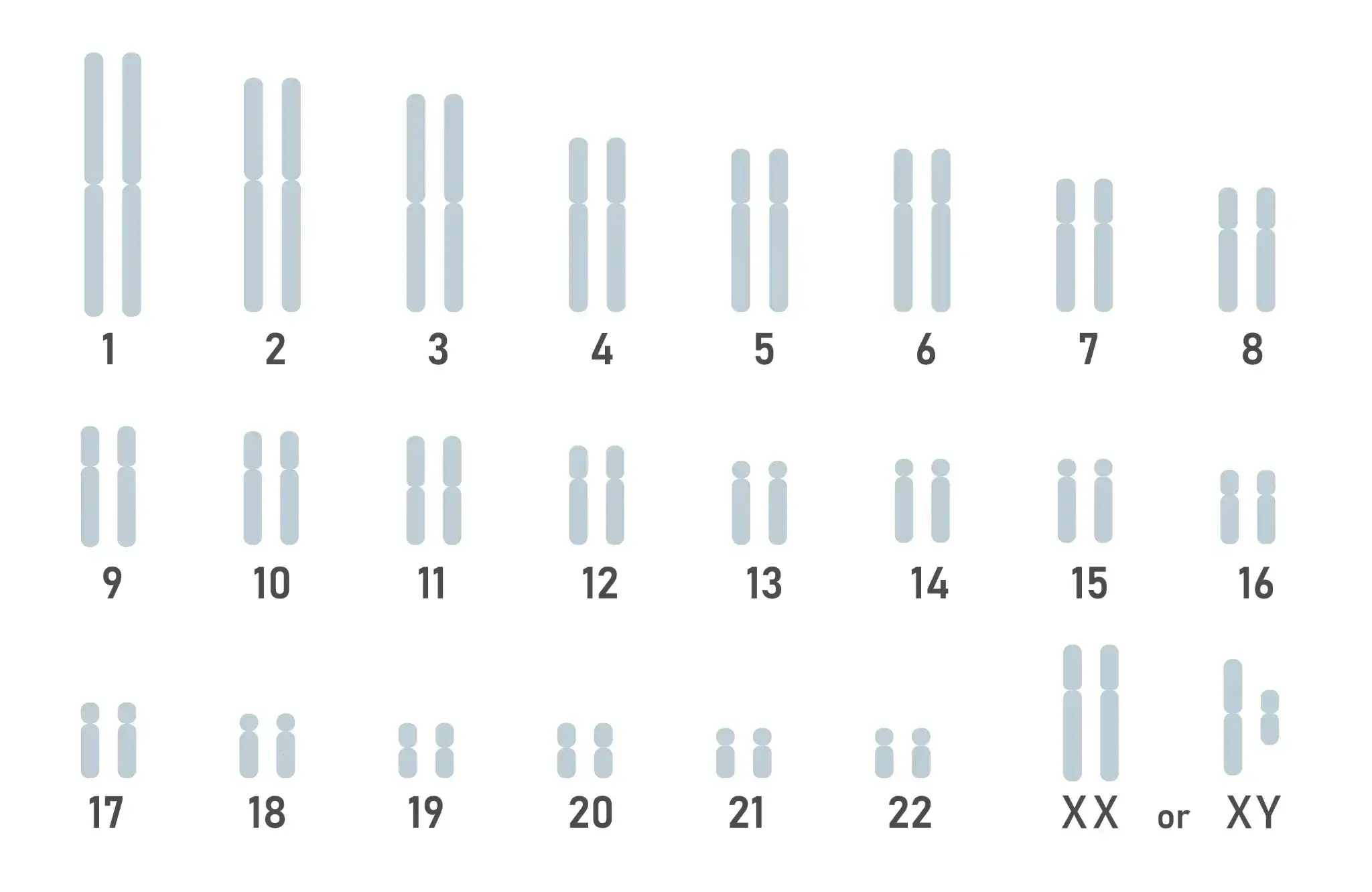
Schematic diagram of DNA map present in cells
- ■
- ■
- ■
- ■
- ■
- ■
- ■
- ■
- ■
Related genes
| Related genes | RNU6-655P |
|---|
Frequently asked questions (FAQ)
Q1. What is the effectiveness of bronchodilators (airway dilation)?
Bronchodilators are drugs that widen the airways in the lungs and improve respiratory function.It relieves symptoms such as dyspnea and wheezing through its four actions: relaxing bronchial smooth muscles, improving airflow, reducing inflammation, and promoting mucus drainage. Administered via an inhaler or nebulizer, short-acting forms are used for emergency relief during acute attacks, and long-acting forms are used for long-term symptom control.
Q2. Are the effects of bronchodilators related to genes?
Yes.A study by Hardin et al. at Harvard Medical School (2016, Pharmacogenomics J) found that the DNA region rs77094751 is associated with the effects of bronchodilators.There are three genotypes of rs77094751: GG, GA, and AA, and people with the genotype A mutation tend to be more effective with bronchodilators.
Q3. What is the distribution of the genotype (rs77094751) related to bronchodilators in Japanese people?
The genotype distribution of rs77094751 in Japanese people isGG type 99.9%, GA type 0.1%以下, AA type 0.1%以下It is. Worldwide, 97.8% are GG type, 2.1% are GA type, and 0.1%以下 are AA type, and Japanese people have a higher proportion of GG type than the world average.
Q4. What are the different types of bronchodilators?
Bronchodilators areShort-acting (SABA)andLong-acting (LABA)It is classified into two types. SABA takes effect within minutes during acute attacks and lasts for 4 to 6 hours. LABA provides sustained airway dilation for 12 to 24 hours when used once or twice daily, making it suitable for long-term symptom management.
References
- Reference link 1: 2016 Aug., M Hardin, Pharmacogenomics J