
 Benefits of beta-blockers (hypertensive lowering effect)

- Beta-blockers are antihypertensive drugs that block beta-adrenergic receptors, slowing heart rate and cardiac contractility and lowering blood pressure.is
- G-type mutation in DNA region rs1042713Study finds that beta blockers tend to be more effective at lowering blood pressure in people with
- Dosage/type of drug/GenotypeAs the effects vary from person to person, tailored medical care based on genetic testing is attracting attention.
Overview Beta blockers act on the heart and blood vessels and have the effect of lowering blood pressure primarily. It acts on sites called beta-adrenergic receptors and blocks the action of epinephrine (adrenaline). This causes a decrease in heart rate, weakens the contraction force of the heart, and lowers blood pressure. Beta-blockers also suppress increases in blood pressure by reducing the secretion of renin (a substance that increases blood pressure) from the kidneys. When people with high blood pressure take beta-blockers, their blood pressure decreases. This reduces symptoms associated with slow pulse rate and high blood pressure. However, the effects of medications vary from person to person, depending on factors such as dose, type of drug, initial blood pressure level, and cardiovascular health. Research by Shahin et al. at the University of Florida revealed that the effect of beta-blockers (hypertensive lowering effect) is associated with a DNA region called rs1042713. There are three genotypes in this DNA region: GG, GA, and AA, and it has been found that people with the G genotype tend to be more effective with beta-blockers.
What are beta blockers?
Beta blockers are antihypertensive drugs that lower blood pressure by blocking beta-adrenergic receptors present in the heart and blood vessels.It is widely used to treat hypertension, angina, heart failure, and arrhythmia (1).
What is the blood pressure lowering mechanism of beta blockers?
Beta-blockers lower blood pressure through the following dual antihypertensive mechanisms:
- Decreased cardiac output:Blockade of beta1 receptors reduces heart rate and contractility, reducing the amount of blood pumped by the heart.
- Suppression of renin secretion:Suppresses renin secretion from juxtaglomerular cells of the kidney and suppresses blood pressure increases mediated by the renin-angiotensin-aldosterone system (RAAS)
Due to these effects,Systolic blood pressure decreases by an average of 10-15 mmHgIt is said that then.
Factors influencing the effectiveness of beta-blockers
The blood pressure lowering effect of beta-blockers varies from person to person depending on the following factors:
- Dosage and drug type (selective beta-1 blockers vs. non-selective beta-blockers)
- Blood pressure level before treatment (the higher the basal blood pressure, the greater the drop in blood pressure)
- Cardiovascular health and presence of complications
- Genetic predisposition (ADRB2 gene polymorphism)
Differences between beta-blockers and other antihypertensive drugs
| Comparison items | Beta blocker | ACE inhibitor/ARB | Ca antagonist |
|---|---|---|---|
| Main mechanism of action | Decreased heart rate and cardiac contractility | Vasodilation (RAAS inhibition) | Vascular smooth muscle relaxation |
| Effect on heart rate | lower | No impact | Depends on type |
| Main indications | Hypertension, angina, heart failure | Hypertension, heart failure, renal protection | High blood pressure/angina pectoris |
| Effect on sugar metabolism | Possibility of deterioration | Possible improvement | No impact |
| Effect on the bronchi | Contraction (caution for asthma patients) | Cough (ACE inhibitor) | No impact |
Main side effects of beta blockers
Side effects to be aware of when taking beta-blockers are as follows.
- Bradycardia:Heart rate drops too much (below 50 beats/min)
- Fatigue/dizziness:Symptoms associated with decreased blood pressure
- Peripheral cold sensation:Coldness due to decreased blood flow to the hands and feet
- Bronchoconstriction:Risk of worsening bronchial asthma with non-selective beta-blockers
- Effect on glycolipid metabolism:Risk of increased blood sugar and lipid levels
Relationship between genes and beta-blocker effects
Relationship between DNA region rs1042713 and blood pressure lowering effect
A study by Shahin et al. at the University of Florida (1) revealed that the DNA region rs1042713 is associated with the blood pressure lowering effect of beta-blockers.
- There are three genotypes of rs1042713: GG, GA, and AA.
- Genotype with type G mutation(GG or GA) people tend to have a higher antihypertensive effect of beta-blockers
- This genetic polymorphism is located on the ADRB2 (β2 adrenergic receptor) gene
Genotype distribution in Japanese (rs1042713)
| Genotype | Percentage of Japanese people | percentage of the world |
|---|---|---|
| GG type | 31.1% | 37.4% |
| GA type | 49.3% | 47.4% |
| AA type | 19.5% | 15.0% |
Trends in beta-blocker effects by genotype
| Genotype | Effect of beta blockers | Description |
|---|---|---|
| GG type | high tendency | Possesses homozygous G-type mutation. The antihypertensive effect of β-blockers is most expected. |
| GA type | medium | Heterogeneously carries the G-type mutation. Expected to have a certain antihypertensive effect |
| AA type | low trend | Does not have the G-type mutation. Consideration of other antihypertensive drugs may be recommended |
Rationale for testing
Surface DNA region: The effectiveness of beta-blockers (hypertensive lowering effect)
The gene region that most strongly influences the effectiveness (hypertensive lowering effect) of beta-blockers is rs1042713. The distribution of isomorphic genotypes in Japan is as follows.
- GG
31.1 % - GA
49.3 % - AA
19.5 %
Another gene region related to the effectiveness of beta-blockers (hypertensive lowering effect) is rs2200733. The distribution of isomorphic genotypes in Japan is as follows
- CC
27.9 % - CT
49.8 % - TT
22.1 %
Basis for inspection
Research by Shahin et al. at the University of Florida revealed that the effect of beta-blockers (hypertensive lowering effect) is related to genes. There is a region called rs1042713 in the human genome, and there are two types of mutations, G and A, in the gene in this region. It has been found that people with the G-type mutation tend to respond more effectively to beta-blockers.
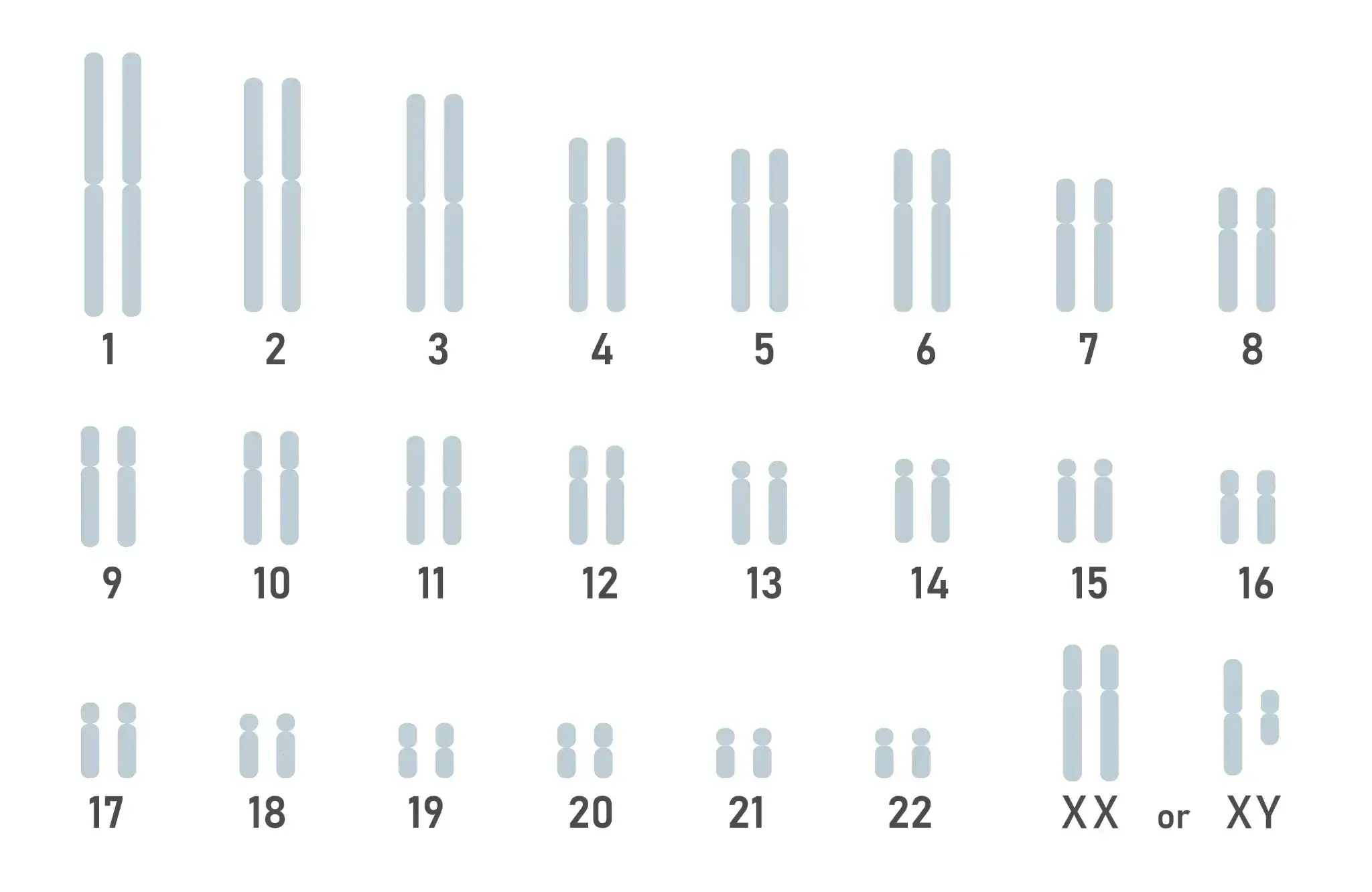
The DNA region investigated this time
Schematic diagram of DNA map present in cells
- ■
- ■
- ■
- ■
- ■
- ■
- ■
- ■
- ■
Related genes
| Related genes | ADRB2 |
|---|---|
| Related genes | PITX2 |
Frequently asked questions (FAQ)
Q1. What are beta blockers?
Beta-blockers are antihypertensive drugs that block beta-adrenergic receptors in the heart and blood vessels, lowering heart rate and contraction force, thereby lowering blood pressure.It is used to treat hypertension, angina, heart failure, and arrhythmia (1).
Q2. How do beta-blockers lower blood pressure?
Beta blockers areBlocks β1 receptors to reduce heart rate and cardiac contractilitylet, furtherSuppresses renin secretion from the kidneysThis lowers blood pressure through a dual antihypertensive mechanism.
Q3. Are genes related to the effectiveness of β-blockers?
According to research by Shahin et al. at the University of Florida,Genotype of DNA region rs1042713 is associated with blood pressure lowering effect of β-blockersIt turns out that it is. People with the G mutation tend to be more effective (1).
Q4. What is the difference between beta blockers and other antihypertensive drugs?
Beta blockers areMain mechanism of action is heart rate reductionIt is an antihypertensive drug. The main mechanism of ACE inhibitors/ARBs is vasodilation, and the main mechanism of Ca antagonists is vascular smooth muscle relaxation, and they are used depending on the patient's condition.
Q5. What are the main side effects of beta blockers?
The main side effects areEffects on bradycardia, malaise, peripheral cold sensation, bronchoconstriction, and glycolipid metabolismIt is. Selective β1 blockers are effective in reducing side effects. It is contraindicated for asthma patients.
References
- Reference link 1: 2019 Nov., Mohamed H Shahin, J Clin Pharmacol
- Reference link 2: 2021 Oct., Saori Sakaue, Nat Genet