
 Susceptibility to opioid drug addiction

- Opioid drug addiction is a chronic disease characterized by impulsive drug seeking behavior due to changes in opioid receptors in the brain.Approximately 80,000 or more people die each year in the United States from opioid-related causes.
- Type C mutation in DNA region rs9540128Research by RTI International finds that people with
- Medication-assisted treatment (MAT) and naloxone administration, etc.Treatments based on scientific evidenceRecovery is possible by
Overview Opioids are a type of drug such as prescription painkillers and illegal heroin. These drugs interact with opioid receptors in the brain and nervous system, producing pain relief and a feeling of well-being. However, long-term use can lead to dependence and addiction. Opioid addiction is a condition in which the body adapts to the drug and requires higher doses. Symptoms of addiction include anxiety, muscle pain, and digestive upset. vEven if taken as prescribed, there is a risk of dependence, so it is important to closely monitor usage. Opioid addiction is a chronic disease characterized by compulsive drug-seeking behavior that prioritizes drug use over other important aspects of life. Addicts tend to continue using drugs even when their work or relationships are affected. Genetic, environmental, and psychological factors can influence the development of addiction. The opioid epidemic is a public health crisis due to increased overdose mortality and the need for prevention and treatment. Treatment strategies such as medication-assisted treatment (MAT) and naloxone distribution are effective in relieving opioid dependence and addiction. Opioids require a multipronged approach, including preventive measures and policy changes to reduce drug availability and misuse. A study by RTI International's Gaddis et al. revealed that susceptibility to opioid drug addiction is associated with a DNA region called rs9540128. There are three genotypes in this DNA region: CC, CT, and TT, and it was found that people with the C genotype tend to have a higher risk of opioid drug addiction.
What is opioid drug addiction?
Opioid drug addiction ADHD is a chronic disease characterized by impulsive drug-seeking behavior caused by changes in the brain's opioid receptors due to repeated use of opioid drugs.The U.S. Centers for Disease Control and Prevention (CDC) reports that more than 80,000 people died from opioid-related overdoses in 2021.
What are opioids?
Opioids are a group of drugs that bind to opioid receptors in the brain and nervous system, producing pain relief and euphoria.There are following types.
- Prescription opioids:Oxycodone, hydrocodone, morphine, fentanyl, etc.
- Illegal opioids:Heroin, illegally manufactured fentanyl
- Synthetic opioids:Fentanyl analogs (such as carfentanil)
Causes and mechanisms of opioid addiction
Opioid addiction progresses through three stages:
- Tolerance formation:progressively higher doses are required to achieve the same effect
- Physical dependence:Withdrawal symptoms (anxiety, muscle pain, gastrointestinal symptoms) occur when the drug is discontinued
- Addiction (addiction):A condition in which people compulsively seek drugs despite a deterioration in their social life.
Genetic, environmental, and psychological factors are all involved in the onset of the disease.
The difference between opioid dependence and addiction
| Comparison items | Dependence | Addiction |
|---|---|---|
| definition | body's adaptation to opioids | Brain disease characterized by compulsive drug use |
| Withdrawal symptoms | Yes (occurs upon discontinuation) | Yes |
| behavior change | Mild | Severe (affects social life/human relationships) |
| Use as prescribed | possible | Uncontrollable usage patterns |
| treatment | Can be managed with tapering therapy | MAT + psychotherapy required |
Main symptoms of opioid addiction
- Intense drug craving and impulsive exploratory behavior
- Difficult to control usage
- Significant deterioration in work, school, and interpersonal relationships
- Increased tolerance (higher doses required to be effective)
- Withdrawal symptoms upon discontinuation (anxiety, sweating, muscle pain, vomiting)
Treatment for Opioid Addiction
Treatment methods based on scientific evidence have been established.
- Medication-assisted treatment (MAT):Administration of methadone, buprenorphine, and naltrexone
- Naloxone administration:Used as first aid in case of overdose
- Cognitive behavioral therapy (CBT):Learn how to deal with drug use triggers
- Group therapy/rehabilitation:Social reintegration support
Current state of the opioid crisis
The opioid epidemic is a global public health crisis. As a preventive measure, the following multifaceted approach is required:
- Tighter prescribing guidelines
- Widespread distribution of naloxone
- Improving access to drug-assisted treatment
- Personalized medicine based on genetic risk assessment
The link between genes and opioid drug addiction
Relationship between DNA region rs9540128 and addiction risk
A study by Gaddis et al. (1) from RTI International found that the DNA region rs9540128 is associated with the risk of opioid drug addiction.
- There are three genotypes of rs9540128: CC, CT, and TT.
- Genotype with type C mutation(CC type/CT type) people tend to have a higher risk of opioid drug addiction
Genotype distribution in Japanese (rs9540128)
| Genotype | Percentage of Japanese people | percentage of the world |
|---|---|---|
| CC type | 39.0% | 58.8% |
| CT type | 46.8% | 35.7% |
| TT type | 14.0% | 5.4% |
Rationale for testing
Superficial DNA regions: vulnerability to opioid drug addiction
The gene region that most strongly influences susceptibility to opioid drug addiction is rs9540128. The distribution of isomorphic genotypes in Japan is as follows.
- CC
39.0 % - CT
46.8 % - TT
14.0 %
Basis for inspection
Research by RTI International's Gaddis et al. has revealed that susceptibility to opioid drug addiction is linked to genes. There is a region called rs9540128 in the human genome, and there are two types of mutations in the gene in this region: C and T. It was found that people with the type C mutation tend to have a higher risk of opioid drug addiction.
The DNA region investigated this time
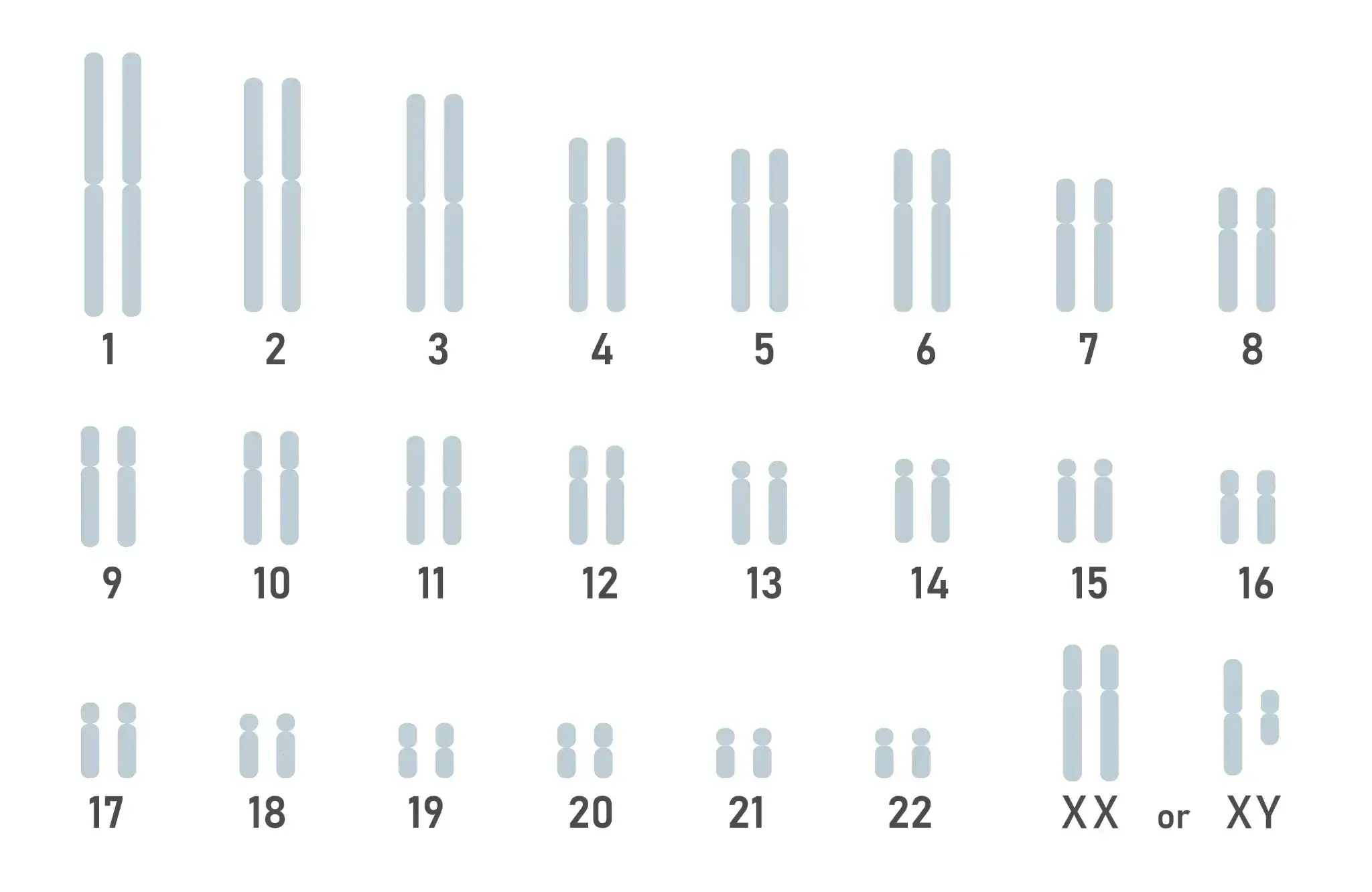
Schematic diagram of DNA map present in cells
- ■
- ■
- ■
- ■
- ■
- ■
- ■
- ■
- ■
Related genes
| Related genes | LINC00355 |
|---|
Frequently asked questions (FAQ)
Q1. What is opioid drug addiction?
Opioid drug addiction ADHD is a chronic disease characterized by impulsive drug-seeking behavior caused by changes in the brain's opioid receptors due to repeated use of opioid drugs.Genetic, environmental, and psychological factors are involved in the onset of the disease in a complex manner (1).
Q2. What is the difference between opioid dependence and addiction?
addiction isA condition in which the body adapts to opioids and experiences withdrawal symptoms when stopped.It is. Addiction is in addition to dependence,compulsive drug useIt is a chronic brain disease that negatively affects social life.
Q3. Can genetic testing determine the risk of opioid addiction?
By examining the genotype of the DNA region rs9540128,Understand risk trends for opioid drug addictionYou can. Studies have shown that people with the genotype C mutation (CC type/CT type) tend to be at higher risk (1).
Q4. What treatments are available for opioid addiction?
As medication-assisted treatment (MAT)Administration of methadone, buprenorphine, and naltrexone, as an emergency treatment in case of overdose.Naloxone administrationPsychological treatments such as , cognitive behavioral therapy (CBT) are effective.
References
- Reference link 1: 2022 Oct., Nathan Gaddis, Sci Rep