
 diverticular disease

- Diverticular disease is a gastrointestinal disease caused by bag-like protrusions (diverticula) that form on the lining of the large intestine.It occurs more frequently in people aged 40 and over.
- T-type mutation in DNA region rs759555A University of Michigan study found that people with
- appropriateDietary fiber intake, exercise habits, weight managementIt is possible to reduce and prevent the risk of developing the disease.
Overview Diverticular disease is a disease caused by diverticula (small pouch-like protrusions that form on the inner wall of the large intestine). Diverticula are formed when the muscles of the large intestine become weak and the inner wall bulges outward due to internal pressure, and they are particularly common in the lower part of the large intestine. Diverticula themselves are often asymptomatic, but when they become inflamed, a condition called diverticulitis occurs. Diverticular disease may be asymptomatic, but symptoms include abdominal pain, constipation, diarrhea, nausea, and loss of appetite. When diverticula become inflamed, leading to diverticulitis, the pain rapidly worsens and symptoms include fever, chills, vomiting, and blood in the stool. Factors such as older age (over 40 years), low-fiber diet, chronic constipation, obesity, and lack of exercise increase the risk of developing the disease. For diagnosis, endoscopy, CT scan, ultrasound, etc. are used. Mild cases of diverticular disease can be managed by increasing dietary fiber intake, facilitating bowel movements, and reducing pressure on the colon wall to prevent new diverticula from forming, but severe cases may require antibiotics or surgery. A study by Maguire et al. at the University of Michigan revealed that the risk of developing diverticular disease is associated with a DNA region called rs759555. There are three genotypes in this DNA region: TT, TC, and CC, and it was found that people with the T genotype tend to have a higher risk of diverticular disease.
What is diverticular disease?
Diverticular disease is a gastrointestinal disease caused by small pouch-like protrusions (diverticula) that form on the inner wall of the large intestine.The muscles of the large intestine become weak, causing the inner wall to bulge outward due to internal pressure, and is particularly common in the lower part of the large intestine (sigmoid colon) (1).
Causes and mechanisms of diverticular disease
Multiple factors are involved in the development of diverticular disease.
- Weakening of the intestinal wall due to aging:After the age of 40, the muscle layer of the colon wall becomes weaker and cannot withstand internal pressure.
- Low fiber diet:Lack of dietary fiber makes stools hard and increases colonic pressure during defecation.
- Chronic constipation:Straining during defecation increases pressure on the colon wall
- Obesity/lack of exercise:Intestinal peristalsis decreases, making it easier for intestinal pressure to rise
- Genetic predisposition:People with the T-type mutation in the DNA region rs759555 tend to be at higher risk
Main symptoms of diverticular disease
Diverticular disease isAlthough there may be no symptoms, the following symptoms may appear.
- Abdominal pain (especially in the lower left abdomen)
- Alternation of constipation and diarrhea
- Nausea/loss of appetite
- abdominal bloating
diverticulum becomes inflameddiverticulitisWhen this happens, the following serious symptoms occur:
- Sudden worsening of abdominal pain
- fever/chills
- vomiting
- bloody stool
Difference between diverticular disease and diverticulitis
| Comparison items | diverticular disease | diverticulitis |
|---|---|---|
| definition | The very existence of diverticula | Inflammatory state of diverticulum |
| symptoms | No symptoms to mild abdominal pain | Sudden abdominal pain, fever, vomiting |
| severity | Mild to moderate | Moderate to severe |
| treatment | Dietary therapy/lifestyle improvement | Antibiotics/surgery may be required |
| genetic involvement | T-type mutation of rs759555 is involved | Due to progression of diverticular disease |
Diagnostic method
It is diagnosed by the following tests.
- Endoscopy (colon camera)
- CT scan
- ultrasound examination
Prevention and treatment
To prevent and alleviate diverticular diseaseImproving lifestyle habitsis valid.
- Increased dietary fiber intake:Actively intake vegetables, fruits, and whole grains to promote bowel movements
- Adequate hydration:Soften your stool with 1.5 to 2 liters of water per day
- Moderate exercise:Activate intestinal peristalsis by walking or jogging
- Weight management:Prevents obesity and suppresses increase in intestinal pressure
- Improving bowel habits:Avoid straining and maintain natural defecation rhythm
Relationship between genes and diverticular disease
Relationship between DNA region rs759555 and onset risk
A study by Maguire et al. (1) from the University of Michigan revealed that the DNA region rs759555 is associated with the risk of developing diverticular disease.
- There are three genotypes of rs759555: TT, TC, and CC.
- Genotype with T-type mutationpeople tend to be at higher risk of diverticular disease
Genotype distribution in Japanese (rs759555)
| Genotype | Percentage of Japanese people | percentage of the world |
|---|---|---|
| TT type | 4.2% | 6.4% |
| TC type | 32.7% | 37.9% |
| CC type | 62.9% | 55.6% |
Rationale for testing
Superficial DNA region: diverticular disease
The gene region most strongly associated with diverticular disease is rs759555. The distribution of isomorphic genotypes in Japan is as follows.
- TT
4.2 % - TC
32.7 % - CC
62.9 %
Basis for inspection
A study by Maguire et al. at the University of Michigan revealed that the risk of developing diverticular disease is linked to genes. There is a region called rs759555 in the human genome, and there are two types of mutations, T and C, in the gene in this region. It has been found that people with the T mutation tend to have an increased risk of diverticular disease (1).
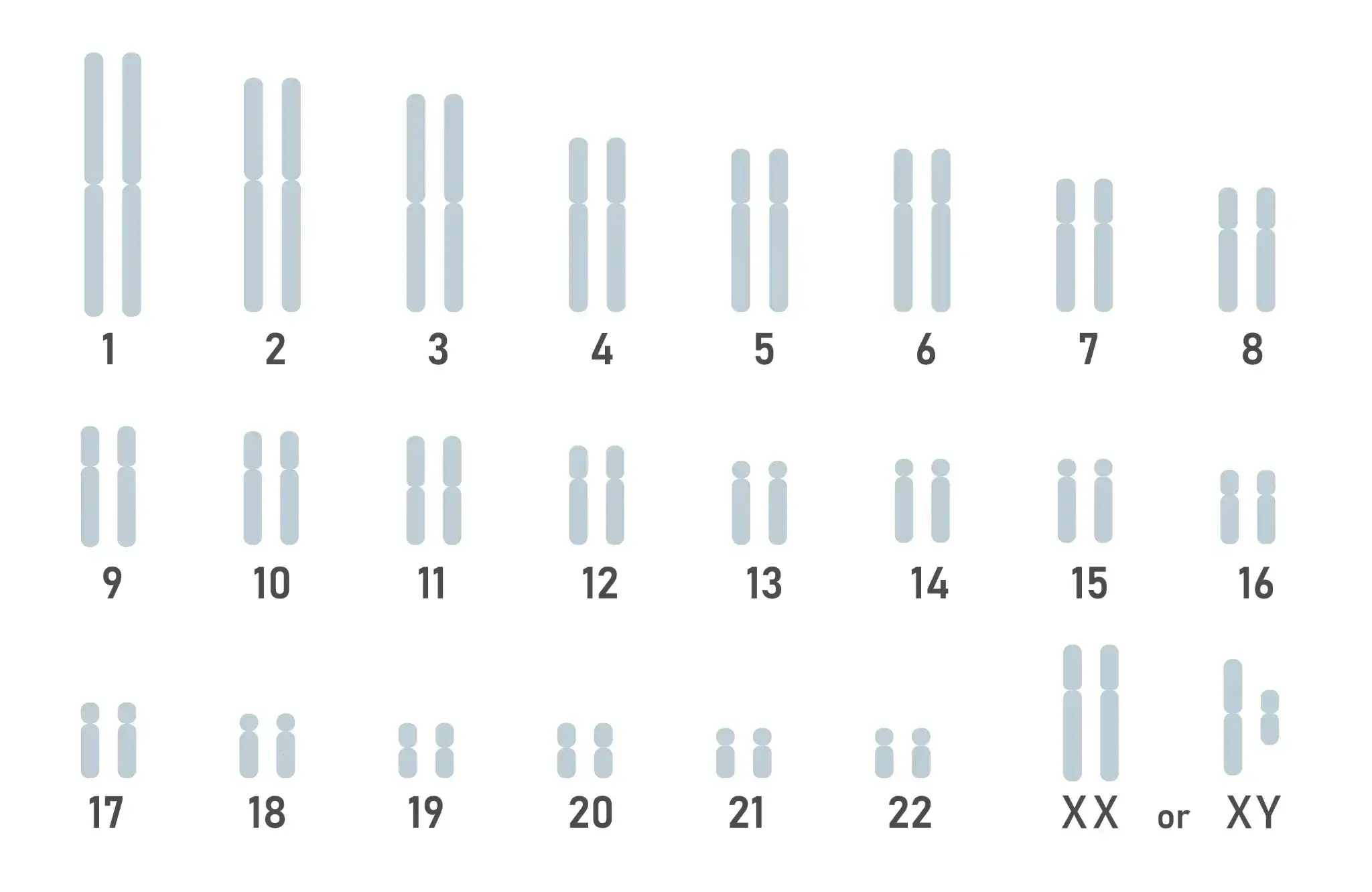
The DNA region investigated this time
Schematic diagram of DNA map present in cells
- ■
- ■
- ■
- ■
- ■
- ■
- ■
- ■
- ■
Related genes
| Related genes | LINC02565 |
|---|
Frequently asked questions (FAQ)
Q1. What is diverticular disease?
Diverticular disease is a gastrointestinal disease caused by small pouch-like protrusions (diverticula) that form on the inner wall of the large intestine.The muscles of the large intestine become weak and the inner wall bulges outward due to internal pressure, and it occurs particularly in the lower part of the large intestine (sigmoid colon) (1).
Q2. What is the cause of diverticular disease?
The main cause isWeakening of the colon wall due to aging and low-fiber dietIt is. Risk factors include being over 40 years old, chronic constipation, obesity, and lack of exercise. Carriers of the T mutation in the DNA region rs759555 tend to be at increased risk (1).
Q3. What is the difference between diverticular disease and diverticulitis?
Diverticular disease isThe very existence of diverticulaIn some cases, there may be no symptoms. On the other hand, diverticulitisInflamed diverticulumIt is accompanied by severe symptoms such as sudden abdominal pain, fever, and vomiting.
Q4. Can genetic testing determine the risk of diverticular disease?
By examining the genotype of DNA region rs759555,Understand trends in the risk of developing diverticular diseaseYou can. A University of Michigan study found that people with the T mutation genotype tend to be at increased risk (1).
References
- Reference link 1: 2018 Oct., Lillias H Maguire, Nat Genet