
 Diseases of the pharyngeal system
- Pharyngeal system disease is a general term for disorders that occur in the pharynx.This affects the three functions of swallowing, breathing, and speaking.
- T-type mutation in DNA region rs9542155Study finds that people with
- Infection prevention/smoking cessation/management of reflux esophagitisIt is possible to reduce the risk of developing pharyngeal diseases.
Overview Pharyngeal disorders are conditions that cause problems in the pharynx at the back of the throat, primarily affecting swallowing, breathing, and speaking. The pharynx is connected to the mouth, esophagus, and respiratory tract, so problems here can cause a variety of problems. Pharyngeal disorders are often caused by infections such as colds, throat irritation, and allergies. These can cause soreness, swelling, and discomfort in the throat, making swallowing and speaking difficult. Symptoms also include a dry throat, a sensation of a foreign body, and a hoarse voice. Additionally, malignant tumors (laryngeal cancer or pharyngeal cancer) may develop in the pharynx. These cancers often have no symptoms in their early stages, but as they progress, they cause pain, bleeding, and severe difficulty swallowing. Gastroesophageal reflux disease can also cause stomach acid to flow back into your throat, causing inflammation and discomfort. For diagnosis, we perform physical examinations, imaging tests, endoscopy, etc. to accurately identify the cause of the disease and provide treatment. A study by Saarentaus et al. at the University of Helsinki revealed that the risk of developing pharyngeal diseases is associated with the DNA region rs9542155. There are three genotypes in this DNA region: TT, TC, and CC, and it was found that people with the T genotype tend to have a higher risk of pharyngeal diseases.
What are pharyngeal diseases?
Pharyngeal disease is a general term for disorders that occur in the pharynx, which is located at the back of the throat.The pharynx is a tubular organ that connects the oral cavity/nasal cavity with the esophagus/airway, and is responsible for three important functions: swallowing (swallowing), breathing, and vocalization.
Causes and mechanisms of pharyngeal system diseases
The causes of pharyngeal disorders are broadly classified into the following four types:
- Infectious disease:Pharyngitis and tonsillitis caused by cold viruses, bacteria (streptococcus, etc.), and fungi are the most common.
- Allergies:Pollen, house dust, etc. induce swelling and discomfort in the pharyngeal mucosa.
- Gastroesophageal reflux disease (GERD):Stomach acid backs up into the pharynx, causing chronic inflammation and discomfort.
- Malignant tumor:Pharyngeal and laryngeal cancers have no symptoms at first, but as they progress, pain, bleeding, and severe difficulty swallowing occur.
Main symptoms of diseases of the pharyngeal system
Symptoms vary depending on the underlying disease, but the typical symptoms are as follows.
- Throat pain, swelling, and discomfort
- Dysphagia (difficulty swallowing)
- Hoarseness of voice (hoarseness)
- Dry throat/feeling of foreign body
- Difficulty breathing (severe cases)
Comparison of classification of diseases of the pharyngeal system
| Comparison items | Pharyngitis | tonsillitis | Pharyngeal cancer |
|---|---|---|---|
| cause | Viral/bacterial infection | Bacterial infection (strep throat) | Smoking/drinking/HPV |
| Frequency of onset | very high | expensive | Low (approximately 30,000 people per year/Japan) |
| Main symptoms | Sore throat/fever | Tonsil swelling/high fever | Difficulty swallowing/bleeding |
| treatment | Symptomatic treatment/antibiotics | Antibiotics/Surgery | Surgery, radiation, chemotherapy |
| prognosis | Good (1-2 weeks) | Good (improved with treatment) | 5-year survival rate is 60-70% if detected early |
Diagnostic method
It is diagnosed by the following tests.
- Physical examination (observation of the pharynx by visual inspection and palpation)
- Endoscopy (laryngeal fiberscope)
- Imaging tests (CT/MRI)
- Histopathological examination (in case of tumor)
Prevention and countermeasures
The following measures are effective to reduce the risk of pharyngeal diseases.
- Thorough hand washing and garglingPrevention of infection by
- No smoking/drinking(Reduces the risk of pharyngeal cancer)
- Management of reflux esophagitis(Do not lie down immediately after eating, etc.)
- Using a humidifierPrevents throat dryness
Relationship between genes and pharyngeal system diseases
Relationship between DNA region rs9542155 and disease risk
A study by Saarentaus et al. at the University of Helsinki (1) revealed that the DNA region rs9542155 is associated with the risk of developing pharyngeal diseases.
- There are three genotypes of rs9542155: TT, TC, and CC.
- Genotype with T-type mutationpeople tend to be at higher risk of pharyngeal diseases
Genotype distribution in Japanese (rs9542155)
| Genotype | Percentage of Japanese people | percentage of the world |
|---|---|---|
| TT type | 28.9% | 10.9% |
| TC type | 49.7% | 44.3% |
| CC type | 21.3% | 44.6% |
Rationale for testing
Physical DNA region: Diseases of the pharyngeal system
The gene region that most strongly affects pharyngeal diseases is rs9542155. The distribution of isomorphic genotypes in Japan is as follows.
- TT
28.9 % - TC
49.7 % - CC
21.3 %
Basis for inspection
A study by Saarentaus et al. at the University of Helsinki revealed that the risk of developing pharyngeal diseases is related to genes. There is a region called rs9542155 in the human genome, and there are two types of mutations, T and C, in the gene in this region. It has been found that people with T-type mutations tend to have an increased risk of pharyngeal disease (1).
The DNA region investigated this time
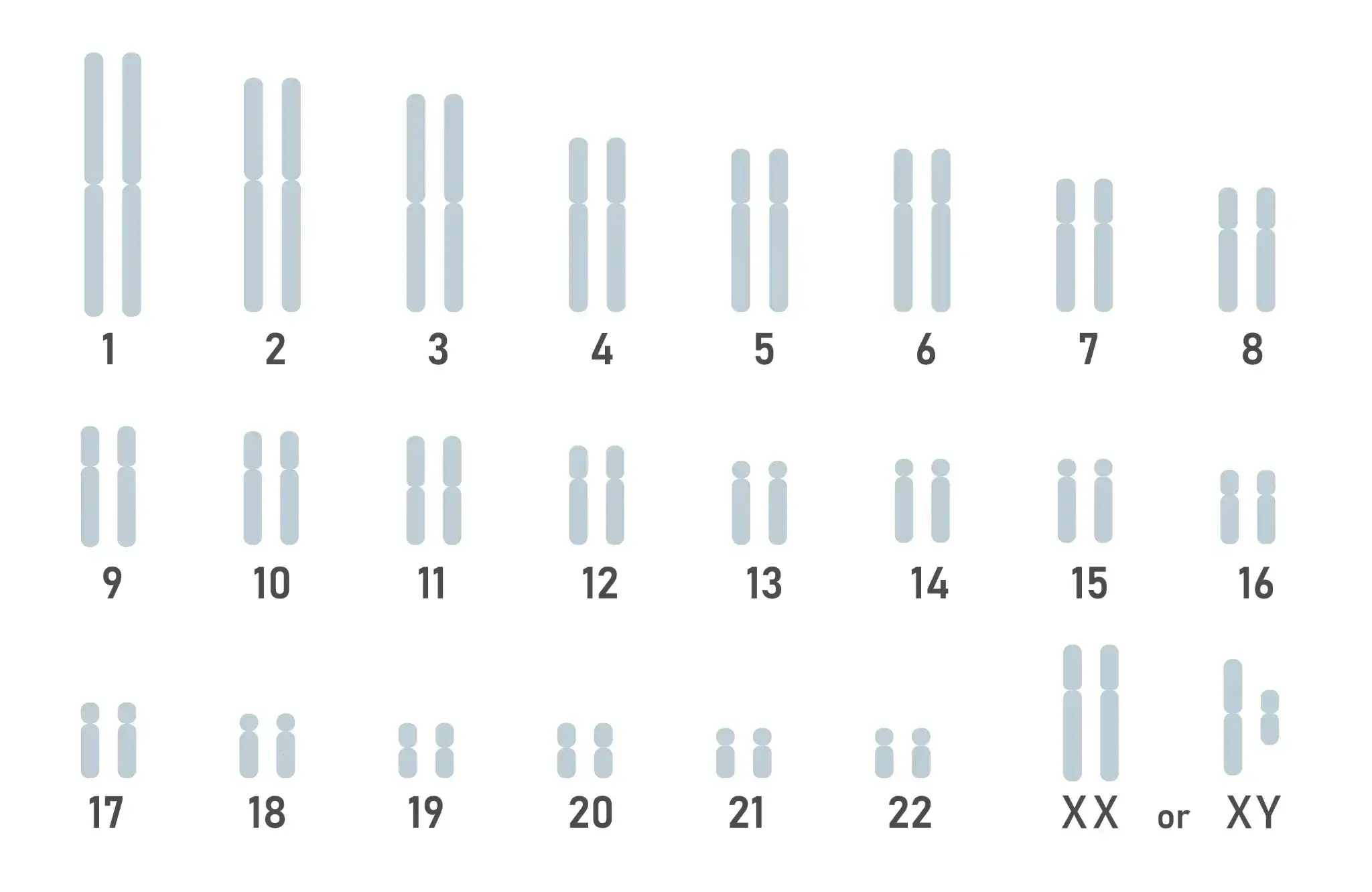
Schematic diagram of DNA map present in cells
- ■
- ■
- ■
- ■
- ■
- ■
- ■
- ■
- ■
Related genes
| Related genes | KLHL1 |
|---|
Frequently asked questions (FAQ)
Q1. What are pharyngeal diseases?
Pharyngeal disease is a general term for disorders that occur in the pharynx, which is located at the back of the throat.It affects the three functions of swallowing, breathing, and speaking, and includes pharyngitis, tonsillitis, pharyngeal tumors, and reflux pharyngitis.
Q2. What are the causes of pharyngeal system diseases?
The main cause isViral/bacterial infections, allergies, GERD, smoking/drinking habitsIt is. As a genetic factor, carriers of the T mutation in the DNA region rs9542155 tend to be at higher risk (1).
Q3. What is the difference between diseases of the pharyngeal system and diseases of the laryngeal system?
The pharynxArea from the back of the oral cavity and nasal cavity to the upper part of the esophagusIt is the passageway for swallowing and breathing. The larynx isThe vocal organ located below the pharynx and containing the vocal cordsIt is. The main symptom of pharyngeal diseases is dysphagia, and the main symptom of laryngeal diseases is hoarseness.
Q4. Can genetic testing determine the risk of pharyngeal diseases?
By examining the genotype of the DNA region rs9542155,Understanding risk trends for pharyngeal diseasesYou can. A University of Helsinki study found that people with the T mutation genotype tend to be at higher risk (1).
References
- Reference link 1: 2023 Jan., Elmo C Saarentaus, Nat Commun