
 dilated cardiomyopathy

- Dilated cardiomyopathy (DCM) is a disease in which the ventricles dilate and pump function decreases.and one of the major causes of heart failure
- G-type mutation in DNA region rs2303510Research shows that people with the disease tend to be at higher risk of developing
- For treatmentDrug therapy/lifestyle improvement/device treatmentIn severe cases, heart transplantation may be required.
Overview Dilated cardiomyopathy is a disease in which the heart muscle weakens and the ventricles dilate, making it unable to pump enough blood. This disease causes heart failure because the heart's pumping ability decreases, reducing its ability to supply needed blood throughout the body. Causes include genetic factors, viral infections, alcohol or drug abuse, side effects of certain drugs, malnutrition, autoimmune disorders, and complications during pregnancy, but in some cases no clear cause can be identified. Symptoms of this disease include fatigue, shortness of breath, palpitations, chest pain, swelling of the legs and abdomen, and difficulty breathing at night. As the disease progresses, symptoms worsen and interfere with daily life. Diagnosis includes a medical history, physical examination, electrocardiogram, echocardiogram (echo), chest x-ray, MRI, and cardiac catheterization. Treatment aims to relieve symptoms and slow the progression of the disease. Medication treatments include diuretics, ACE inhibitors, beta blockers, and digitalis to manage heart failure. As lifestyle changes, limiting salt intake, moderate exercise, quitting smoking, and limiting alcohol consumption are recommended. Treatment includes medications (ACE inhibitors, beta blockers, diuretics, etc.) and lifestyle changes (sodium restriction, exercise, alcohol withdrawal, and smoking cessation). Severe cases may require device treatments such as an implantable cardioverter defibrillator (ICD) or cardiac resynchronization therapy (CRT), and ultimately a heart transplant. Research by Rafik Tadros and colleagues at the University of Montreal has revealed that the risk of developing dilated cardiomyopathy is associated with a DNA region called rs2303510. There are three genotypes in this DNA region: GG, GA, and AA, and it was found that people with the G genotype tend to have a higher risk of dilated cardiomyopathy.
What is dilated cardiomyopathy?
Dilated cardiomyopathy (DCM) is a disease in which the heart muscle weakens and the ventricles dilate, making it unable to pump enough blood.The heart's pumping ability decreases, reducing its ability to supply blood to the entire body, leading to heart failure.
Causes and mechanisms of dilated cardiomyopathy
The causes of dilated cardiomyopathy are: Genetic factors are thought to be involved in approximately 30-50% of cases.
- Genetic factors:If you have a family history, your risk of developing the disease increases.
- Viral infection:Viruses that cause myocarditis (such as coxsackievirus)
- Alcohol/drug abuse:Long-term overconsumption damages the heart muscle
- Autoimmune diseases:Attack of the heart muscle due to abnormalities in the immune system
- Complications during pregnancy:peripartum cardiomyopathy
- Malnutrition:Vitamin B1 deficiency and selenium deficiency
If the cause cannot be identified, the diagnosis is "idiopathic dilated cardiomyopathy."
Main symptoms of dilated cardiomyopathy
The symptoms areprogress graduallyHowever, there may be no symptoms in the early stages.
- Feeling of fatigue/malaise
- Shortness of breath (especially when exercising or sleeping)
- Palpitations/arrhythmia
- chest pain
- Swelling of the legs and abdomen (edema)
- Difficulty breathing at night (orthopnea)
Difference between dilated cardiomyopathy and hypertrophic cardiomyopathy
| Comparison items | dilated cardiomyopathy | hypertrophic cardiomyopathy |
|---|---|---|
| Pathological condition | Ventricular dilatation/wall thinning | Abnormal thickening of the ventricular wall |
| pump function | Reduced systolic function (reduced ejection fraction) | diastolic dysfunction |
| hereditary | Approximately 30-50% | Approximately 60-70% |
| Main symptoms | Shortness of breath/fatigue/edema | Shortness of breath, chest pain, fainting |
| sudden death risk | Yes (from arrhythmia) | Yes (due to outflow tract obstruction) |
Diagnostic method
It is diagnosed by the following tests.
- Medical history and physical examination
- Electrocardiogram (ECG)
- Cardiac ultrasound (echo): Confirm ventricular dilatation and decreased ejection fraction
- Chest X-ray examination
- cardiac MRI examination
- cardiac catheterization
Treatment and prevention
Treatment is aimed at relieving symptoms and slowing the progression of the disease.
- Drug therapy:ACE inhibitors, beta blockers, diuretics, digitalis
- Improving lifestyle habits:Salt restriction, moderate exercise, smoking cessation, alcohol restriction
- Device treatment:Implantable cardioverter defibrillator (ICD), cardiac resynchronization therapy (CRT)
- Heart transplant:Last resort for severe cases when other treatments are ineffective
Relationship between genes and dilated cardiomyopathy
Relationship between DNA region rs2303510 and onset risk
A study by Rafik Tadros and colleagues at the University of Montreal found that the DNA region rs2303510 is associated with the risk of dilated cardiomyopathy.
- There are three genotypes of rs2303510: GG, GA, and AA.
- Genotype with type G mutationpeople tend to be at higher risk of dilated cardiomyopathy
Genotype distribution in Japanese (rs2303510)
| Genotype | Percentage of Japanese people | percentage of the world |
|---|---|---|
| GG type | 41.5% | 46.1% |
| GA type | 45.8% | 43.5% |
| AA type | 12.6% | 10.2% |
Rationale for testing
Superficial DNA region: dilated cardiomyopathy
The gene region that most strongly influences dilated cardiomyopathy is rs2303510. The distribution of isomorphic genotypes in Japan is as follows.
- GG
41.5 % - GA
45.8 % - AA
12.6 %
Basis for inspection
Research by Rafik Tadros and colleagues at the University of Montreal has revealed that the risk of developing dilated cardiomyopathy is linked to genes. There is a region called rs2303510 in the human genome, and there are two types of mutations, G and A, in the gene in this region. It was found that people with the G mutation tend to have a higher risk of dilated cardiomyopathy.
The DNA region investigated this time
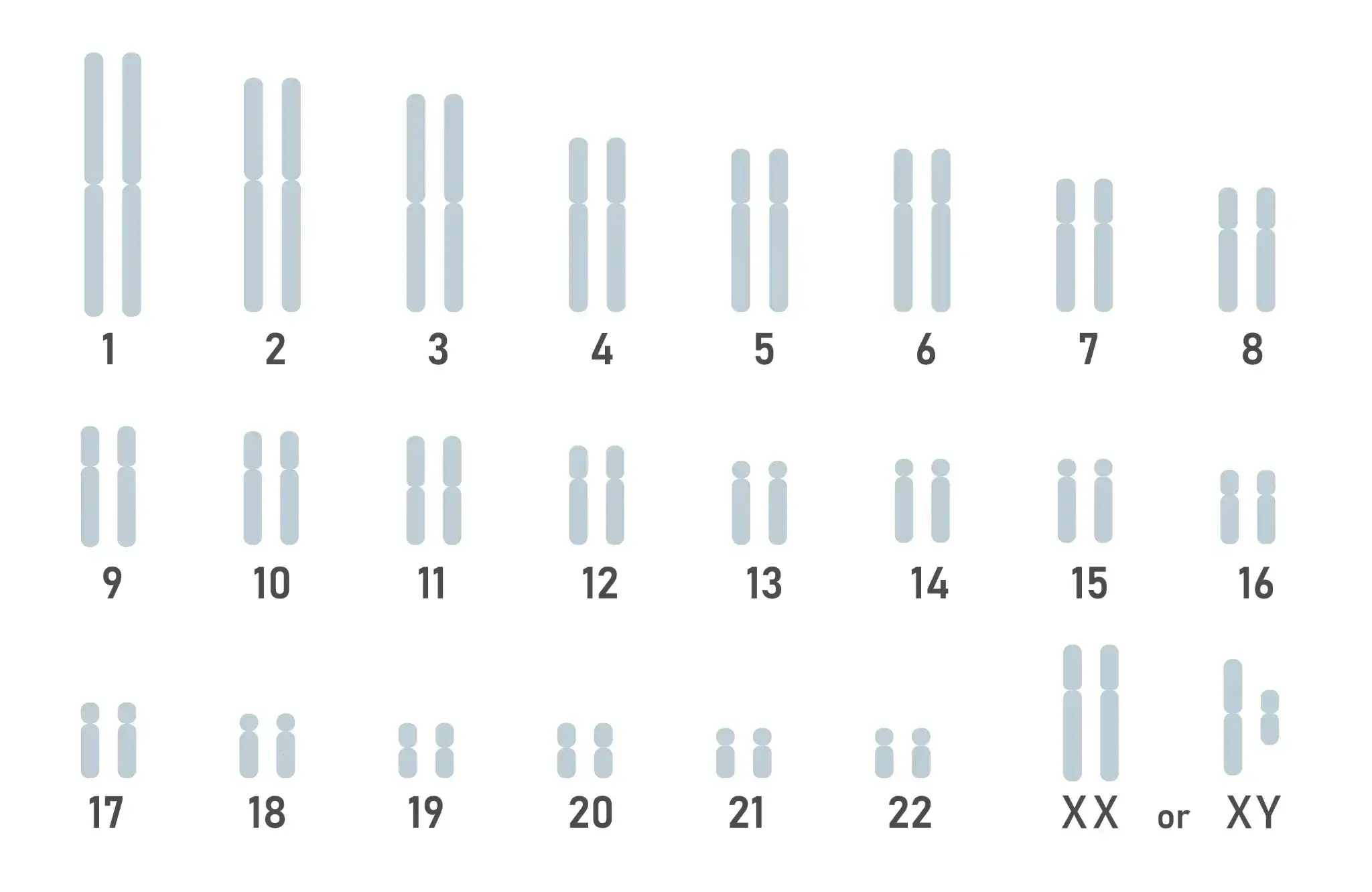
Schematic diagram of DNA map present in cells
- ■
- ■
- ■
- ■
- ■
- ■
- ■
- ■
- ■
Related genes
| Related genes | FHOD3 |
|---|
Frequently asked questions (FAQ)
Q1. What is dilated cardiomyopathy?
Dilated cardiomyopathy (DCM) is a disease in which the heart muscle weakens and the ventricles dilate, making it unable to pump enough blood.It is one of the main causes of heart failure, and causes include genetic factors, viral infections, and alcohol abuse.
Q2. What is the cause of dilated cardiomyopathy?
The main cause isGenetic factors, viral infections, alcohol and drug abuse, autoimmune diseasesAnd so on. Genetic factors are involved in approximately 30-50% of cases, and carriers of the G mutation in the rs2303510 DNA region tend to be at higher risk.
Q3. What is the difference between dilated cardiomyopathy and hypertrophic cardiomyopathy?
dilated cardiomyopathyThe ventricles dilate and the walls become thinner.This will reduce pump performance. hypertrophic cardiomyopathyAbnormally thickened ventricular wallsThis prevents blood from flowing out. Although genetic factors are involved in both cases, the pathological mechanisms are different.
Q4. Can genetic testing determine the risk of dilated cardiomyopathy?
By examining the genotype of the DNA region rs2303510,Understanding risk trends for dilated cardiomyopathyYou can. A study at the University of Montreal found that people with the G mutation genotype tend to be at higher risk.
References
- Reference link 1: 2021 Feb., Rafik Tadros, Nat Genet