
 diastolic blood pressure level

- Diastolic blood pressure is the pressure exerted on the artery walls when the heart expands.The normal value is 60-80mmHg, and over 80mmHg is a risk of high blood pressure.
- G-type mutation in DNA region rs10164193Study finds that people with ADHD tend to have higher diastolic blood pressure
- Salt restriction, aerobic exercise, weight management, stress careThis makes it possible to maintain diastolic blood pressure within an appropriate range.
Overview Diastolic blood pressure indicates the pressure in the arteries when the heart is at rest between beats. This is the lower of the two readings that measure blood pressure, and is usually considered normal between 60 and 80 mmHg. Less than 60 mmHg may indicate low blood pressure, and more than 80 mmHg may indicate high blood pressure. High diastolic blood pressure increases your risk of heart disease, kidney problems, and stroke. Conversely, values that are too low may be a sign of heart failure or dehydration. Maintaining diastolic blood pressure within a healthy range is important to maintain cardiovascular health. Stress, obesity, lack of exercise, smoking, and excessive salt intake can have negative effects, but a balanced diet, regular exercise, and stress management can help normalize blood pressure. A study by Evangelou and colleagues at Imperial College London revealed that diastolic blood pressure is associated with a DNA region called rs10164193. There are three genotypes in this DNA region: TT, TG, and GG, and it was found that people with the G genotype tend to have higher diastolic blood pressure.
What is diastolic blood pressure level?
Diastolic blood pressure is the pressure exerted on the artery walls when the heart is expanding (relaxing) between beats.It corresponds to the number at the bottom of a blood pressure measurement (diastolic blood pressure) and is an indicator of cardiovascular health (1).
Standards for normal and abnormal diastolic blood pressure values
The normal range for diastolic blood pressure is 60-80 mmHg.Outside this range, health risks increase.
| classification | Diastolic blood pressure value | health risks |
|---|---|---|
| low blood pressure | Less than 60mmHg | Signs of heart failure/dehydration |
| normal blood pressure | 60〜80mmHg | low cardiovascular risk |
| prehypertensive stage | 80〜89mmHg | Need to improve lifestyle habits |
| high blood pressure | 90mmHg or more | Increased risk of heart disease, stroke, and kidney disease |
Differences in risk when diastolic blood pressure is high
When diastolic blood pressure exceeds 80 mmHg, multiple organs are adversely affected.The table below compares the risks of normal and high values.
| Comparison items | Normal value (60-80mmHg) | High value (>80mmHg) |
|---|---|---|
| heart disease risk | low | rise |
| stroke risk | low | rise |
| kidney disease risk | low | rise |
| arteriosclerosis | difficult to progress | easy to progress |
5 factors that affect diastolic blood pressure
Diastolic blood pressure varies depending on five factors:
- Genetic factors:Mutations in genes involved in blood pressure regulation affect diastolic blood pressure
- Diet:Excessive salt intake increases blood pressure
- Exercise habits:Lack of exercise reduces the elasticity of blood vessels and increases blood pressure
- Obesity/weight:Obesity with a BMI of 25 or more is a risk factor for high blood pressure
- Stress/Smoking:Chronic stress and smoking cause vasoconstriction
Preventive measures to keep diastolic blood pressure normal
Diastolic blood pressure can be maintained within an appropriate range through lifestyle changes.
- Limit salt intake to less than 6g per day
- Do at least 150 minutes of aerobic exercise (walking, swimming, etc.) per week
- Maintain a healthy weight (BMI 18.5-24.9)
- Quit smoking and refrain from excessive drinking
- Incorporate enough sleep and relaxation to manage stress
Relationship between genes and diastolic blood pressure
Relationship between DNA region rs10164193 and diastolic blood pressure
A study by Evangelou et al. (1) from Imperial College London found that the DNA region rs10164193 was associated with diastolic blood pressure.
- There are three genotypes of rs10164193: TT, TG, and GG.
- Genotype with type G mutationpeople tend to have higher diastolic blood pressure
- Typical related genes areASXL3、ATP2B1、DACH1、MYH6etc.
Genotype distribution in Japanese (rs10164193)
There are differences in genotype distribution between Japanese and the rest of the world.
| Genotype | Percentage of Japanese people | percentage of the world | difference |
|---|---|---|---|
| TT type | 86.9% | 80.7% | +6.2 points |
| TG type | 12.5% | 18.2% | -5.7 points |
| GG type | 0.4% | 1.0% | −0.6 points |
The proportion of Japanese people with type TT (a type that tends to have low diastolic blood pressure) is 6.2 points higher than the world average, and the prevalence of type G mutation is low.It is characterized by this. This difference in genotype distribution may affect blood pressure trends in Japanese people.
Rationale for testing
Surface DNA region: diastolic blood pressure level
The gene region that most strongly influences diastolic blood pressure levels is rs10164193. The distribution of isomorphic genotypes in Japan is as follows.
- TT
86.9 % - TG
12.5 % - GG
0.4 %
Another gene region involved in diastolic blood pressure levels is rs11105364. The distribution of isomorphic genotypes in Japan is as follows
- TT
35.5 % - TG
48.1 % - GG
16.3 %
Another gene region involved in diastolic blood pressure levels is rs3861113. The distribution of isomorphic genotypes in Japan is as follows
- CC
4.4 % - CA
33.3 % - AA
62.1 %
Another gene region involved in diastolic blood pressure levels is rs72930904. The distribution of isomorphic genotypes in Japan is as follows
- CC
99.9 % - CT
0.1%以下 - TT
0.1%以下
Another gene region involved in diastolic blood pressure levels is rs56233017. The distribution of isomorphic genotypes in Japan is as follows
- GG
99.9 % - GA
0.1%以下 - AA
0.1%以下
Another gene region involved in diastolic blood pressure levels is rs365990. The distribution of isomorphic genotypes in Japan is as follows
- AA
76.5 % - AG
21.8 % - GG
1.5 %
Another gene region involved in diastolic blood pressure levels is rs366178. The distribution of isomorphic genotypes in Japan is as follows
- CC
2.8 % - CA
27.9 % - AA
69.1 %
Basis for inspection
A study by Evangelou et al. at Imperial College London (1) revealed that diastolic blood pressure is associated with genes.There is a region called rs10164193 in the human genome, and there are two types of mutations, T and G, in the gene in this region. It was found that people with the G mutation tend to have higher diastolic blood pressure.
The DNA region investigated this time
Schematic diagram of DNA map present in cells
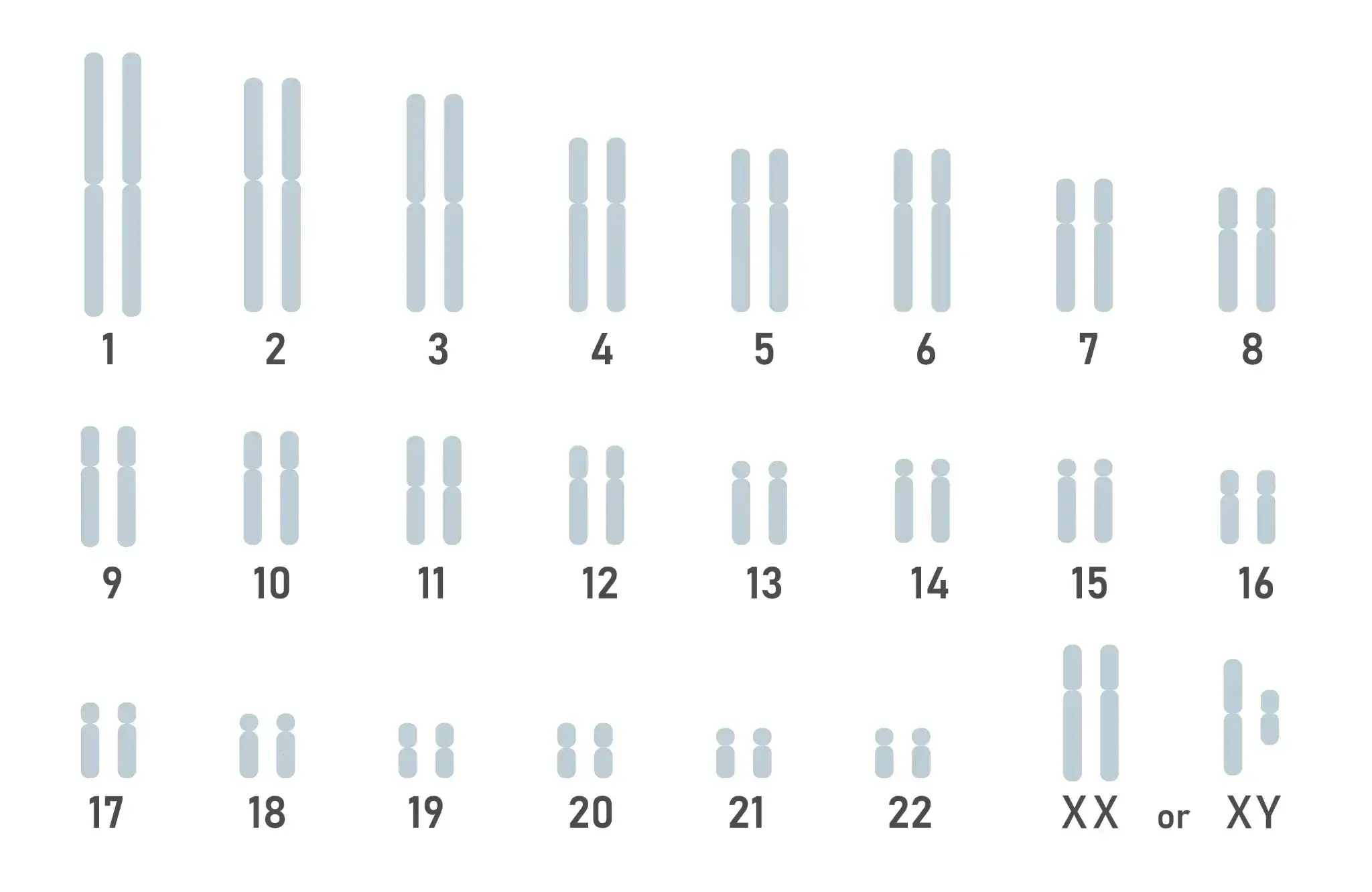
- ■
- ■
- ■
- ■
- ■
- ■
- ■
- ■
- ■
Related genes
| Related genes | ASXL3 |
|---|---|
| Related genes | ATP2B1 |
| Related genes | DACH1 |
| Related genes | CCDC68 |
| Related genes | EPPK1 |
| Related genes | MYH6 |
| Related genes | RNU6-682P |
Frequently asked questions (FAQ)
Q1. What is diastolic blood pressure?
Diastolic blood pressure is the pressure exerted on the artery walls when the heart is expanding (relaxing) between beats.It corresponds to the lower number of blood pressure measurements (diastolic blood pressure), and the normal range is 60 to 80 mmHg. More than 80 mmHg may indicate high blood pressure, and less than 60 mmHg may indicate hypotension (1).
Q2. What are the risks of having high diastolic blood pressure?
When diastolic blood pressure exceeds 80 mmHg,Increased risk of heart disease, kidney disease, and strokeI will. Conversely, low values below 60 mmHg may be a sign of heart failure or dehydration (1).
Q3. What genes are related to diastolic blood pressure?
According to a study by Evangelou et al. of Imperial College, University of London,DNA region rs10164193 is associated with diastolic blood pressureIt turns out that it is. People with the G mutation tend to have higher diastolic blood pressure (1).
Q4. Can genetic testing determine the risk of diastolic blood pressure?
By examining the genotype of DNA region rs10164193,Understand the genetic tendency to have high diastolic blood pressureYou can. The prevalence of type TT among Japanese people is 86.9%, which is 6.2 points higher than the world average of 80.7% (1).
Q5. How to keep diastolic blood pressure normal?
Limit salt intake, regular aerobic exercise, maintain a healthy weight, manage stress, quit smokingis valid. A well-balanced diet and regular lifestyle contribute to normalizing blood pressure.
References
- Reference link 1: 2018 Oct., Evangelos Evangelou, Nat Genet
- Reference link 2: 2017 Apr., Changwei Li, Circ Cardiovasc Genet
- Reference link 3: 2022 Jun., Denis Plotnikov, Invest Ophthalmol Vis Sci
- Reference link 4: 2018 Nov., Fumihiko Takeuchi, Nat Commun
- Reference link 5: 2019 Jan., Ayush Giri, Nat Genet
- Reference link 6: 2020 Dec., Praveen Surendran, Nat Genet